the Creative Commons Attribution 4.0 License.
the Creative Commons Attribution 4.0 License.
 | 02 Nov 2026
HESS Opinions: Operationalizing sociohydrology from systems thinking to systems doing for sustainable and resilient water management

Murugesu Sivapalan
Sondoss Elsawah
Melissa Haeffner
Anthony Jakeman
Heidi Kreibich
Leyang Liu
Haoyang Lyu
Ana Mijic
Jiale Wang
Jing Wei
Günter Blöschl
Related authors
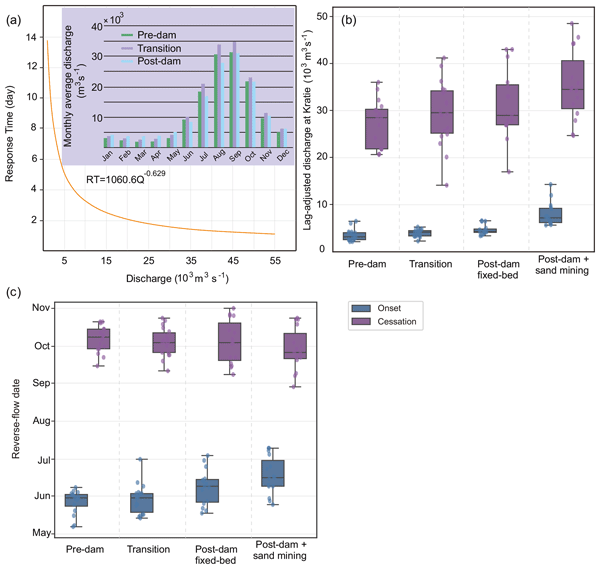
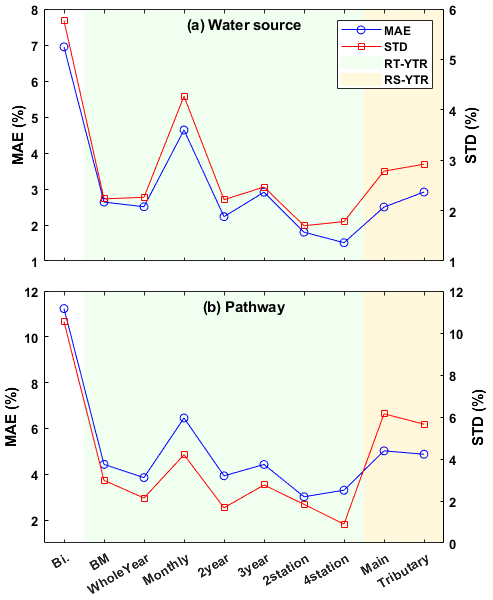
Each wet season, the Mekong River flows into Cambodia's Tonle Sap Lake, supporting fisheries and farming. We used river records and simulations to study changes linked to dams, climate variability and sand mining. Altered river flows and a lowered riverbed now require stronger flows to bring water into the lake. Together, these changes have shortened the inflow season by about 28 days compared with earlier decades. Protecting the lake depends on when water arrives, not just how much.
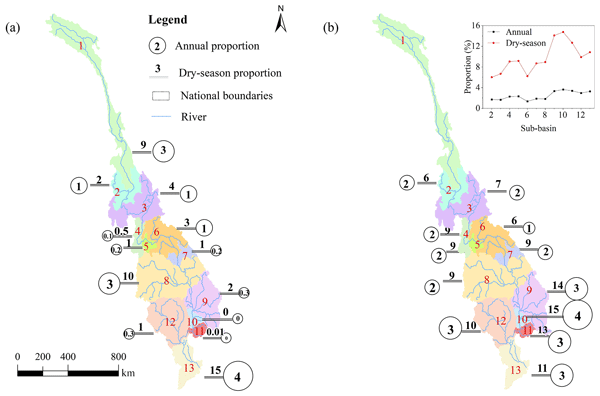

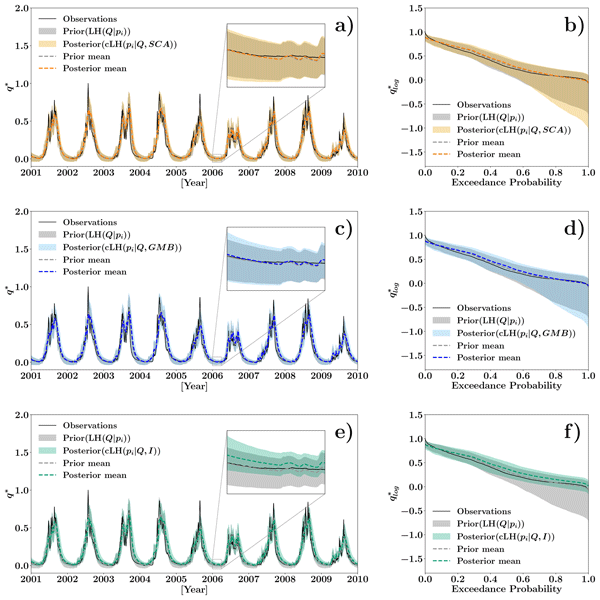
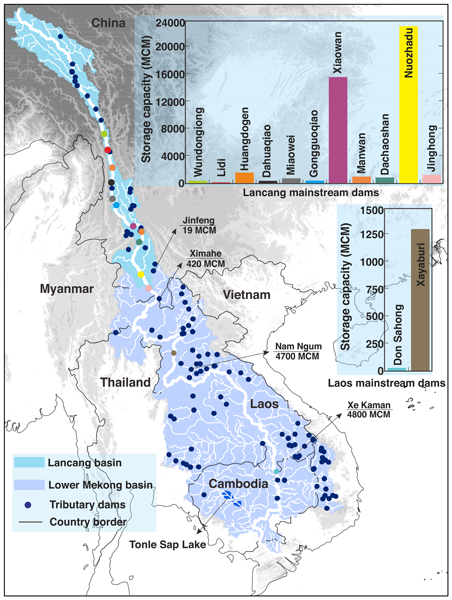
This study examines large daily river flow fluctuations in the dammed Mekong River, developing integrated 3D hydrodynamic and response time models alongside a hydrological model with an embedded reservoir module. This approach allows estimation of travel times between hydrological stations and contributions of subbasins and upstream regions. Findings show a power correlation between upstream discharge and travel time, and significant fluctuations occurred even before dam construction.



Each wet season, the Mekong River flows into Cambodia's Tonle Sap Lake, supporting fisheries and farming. We used river records and simulations to study changes linked to dams, climate variability and sand mining. Altered river flows and a lowered riverbed now require stronger flows to bring water into the lake. Together, these changes have shortened the inflow season by about 28 days compared with earlier decades. Protecting the lake depends on when water arrives, not just how much.

This study examines large daily river flow fluctuations in the dammed Mekong River, developing integrated 3D hydrodynamic and response time models alongside a hydrological model with an embedded reservoir module. This approach allows estimation of travel times between hydrological stations and contributions of subbasins and upstream regions. Findings show a power correlation between upstream discharge and travel time, and significant fluctuations occurred even before dam construction.
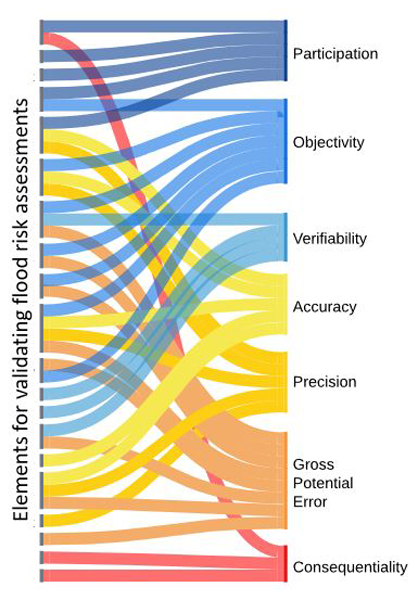
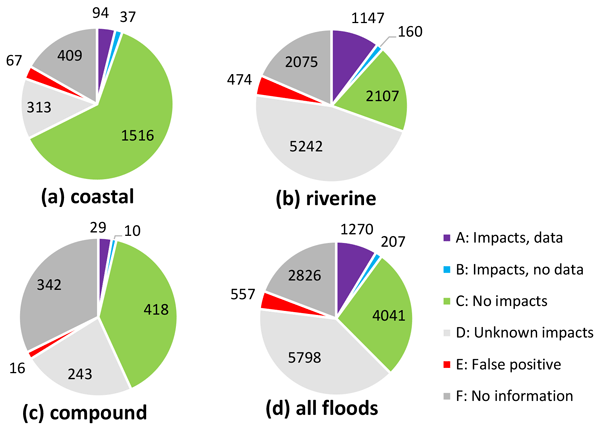
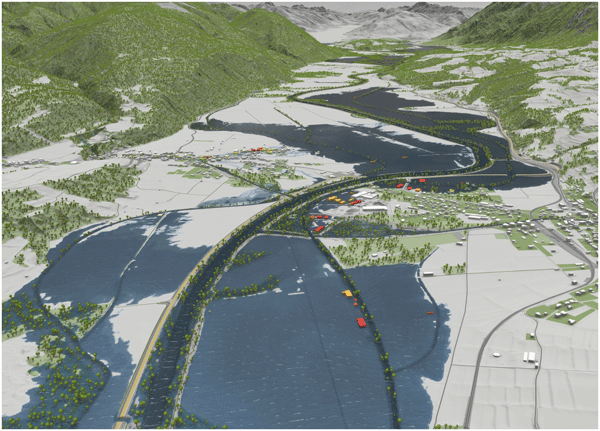
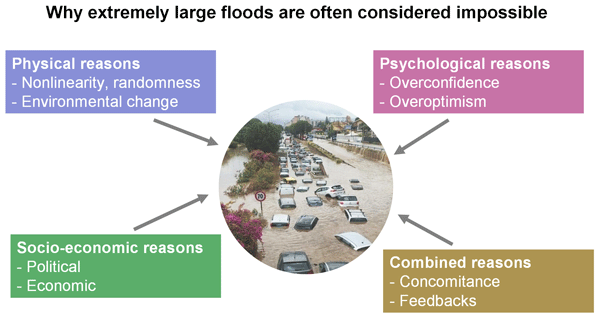
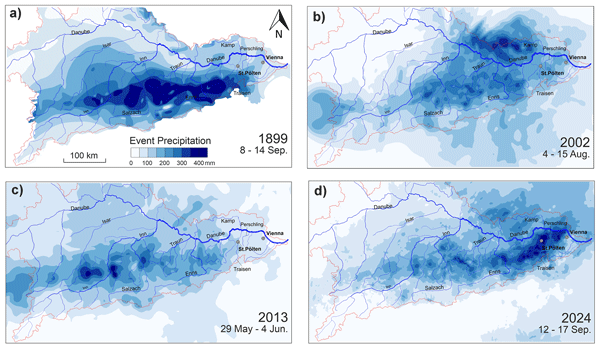
impossibleyet are an ever-present threat similar to the sword suspended over the head of Damocles in the classical Greek anecdote. We discuss four reasons why extremely large floods carry a risk that is often larger than expected. We provide suggestions for managing the risk of megafloods by calling for a creative exploration of hazard scenarios and communicating the unknown corners of the reality of floods.