
Articles | Volume 29, issue 23
https://doi.org/10.5194/hess-29-6917-2025
© Author(s) 2025. This work is distributed under
the Creative Commons Attribution 4.0 License.
the Creative Commons Attribution 4.0 License.
https://doi.org/10.5194/hess-29-6917-2025
© Author(s) 2025. This work is distributed under
the Creative Commons Attribution 4.0 License.
the Creative Commons Attribution 4.0 License.
Research article
| 
02 Dec 2025
Research article |
| 02 Dec 2025
| 02 Dec 2025
Global observations of land-atmosphere interactions during flash drought

National Centre for Earth Observation, UK Centre for Ecology & Hydrology, Wallingford, UK
Christopher M. Taylor
National Centre for Earth Observation, UK Centre for Ecology & Hydrology, Wallingford, UK
Wouter Dorigo
Department of Geodesy and Geoinformation, TU Wien, Vienna, Austria
Ruxandra-Maria Zotta
Department of Geodesy and Geoinformation, TU Wien, Vienna, Austria
Darren Ghent
National Centre for Earth Observation, University of Leicester, Leicester, UK
Iván Noguera
UK Centre for Ecology & Hydrology, Wallingford, UK
Related authors
Jawairia A. Ahmad, Christopher M. Taylor, Bethan L. Harris, Dávid D. Kovács, Seonaid Anderson, Adrià Amell, Colin Moldenhauer, Steven Wells, and Wouter Dorigo
EGUsphere, https://doi.org/10.5194/egusphere-2026-4687, https://doi.org/10.5194/egusphere-2026-4687, 2026
This preprint is open for discussion and under review for Hydrology and Earth System Sciences (HESS).
Short summary
Short summary
Evaluating the ability of satellite-observed soil moisture products to represent fine-scale land surface information shows that active microwave radar based product from ASCAT captures spatial variability at fine resolution which passive microwave based products miss. Rainfall dataset evaluation using fine-scale soil moisture information highlights the limitations in ERA5 precipitation. Further, fine-scale soil moisture information improves nowcasting of convective storms over dry regions.
Bethan L. Harris, Tristan Quaife, Christopher M. Taylor, and Phil P. Harris
Earth Syst. Dynam., 15, 1019–1035, https://doi.org/10.5194/esd-15-1019-2024, https://doi.org/10.5194/esd-15-1019-2024, 2024
Short summary
Short summary
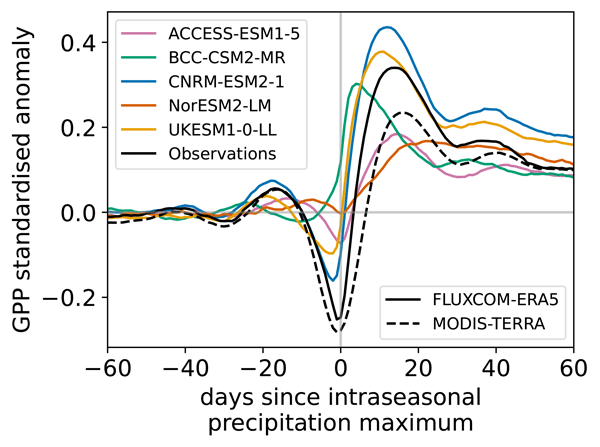
The response of vegetation productivity to rainfall is a crucial process linking the water and carbon cycles and influencing the evolution of the climate system. However, there are many uncertainties in its representation in Earth system models. We show that the vegetation productivity responses to short-term rainfall events are very different between models due to their differing sensitivities to water availability. We also evaluate the models against a range of observational products.
Roberto Colombo, Béatrice Berthelot, Alireza Mahmoodi, Louis Sainte-Marie, Gwennaël Matot, Jorge Vicent Servera, Ornela Nanushi, Brice Mora, Mohamed Salah Djellali, Neus Sabater, Pekka Kolmonen, Timo H. Virtanen, Astrid M. Zimmermann, Pieter De Vis, Micol Rossini, Giulia Tagliabue, Pietro Chierichetti, Sergio Cogliati, Juliane Bendig, Bastian Siegmann, Uwe Rascher, Egor Prikaziuk, Christiaan van der Tol, Darren Ghent, Jasdeep Singh Anand, Tommaso Julitta, Matthias Drusch, Marco Celesti, Dirk Schüttemeyer, and Marin Tudoroiu
Int. Arch. Photogramm. Remote Sens. Spatial Inf. Sci., XLVIII-M-12-2026, 17–24, https://doi.org/10.5194/isprs-archives-XLVIII-M-12-2026-17-2026, https://doi.org/10.5194/isprs-archives-XLVIII-M-12-2026-17-2026, 2026
Diaa Sheishah, Enas Abdelsamei, Viktoria Blanka-Vegi, Károly Barta, Ahmed M. Ali, Khaldoun Abualhin, Djamil Al-Halbouni, Wouter Dorigo, and Gyorgy Sipos
Earth Syst. Sci. Data Discuss., https://doi.org/10.5194/essd-2026-563, https://doi.org/10.5194/essd-2026-563, 2026
Preprint under review for ESSD
Short summary
Short summary
Soil moisture controls drought, crop water supply, and groundwater recharge, but it is difficult to monitor below the surface. We used national monitoring data from 117 stations and six soil depths to build an open database that links soil moisture, soil type, water retention, and expected electromagnetic responses. The results identify a key mid-depth buffering zone and provide a practical reference for future drought monitoring, irrigation planning, and non-invasive soil-water surveys.
Jawairia A. Ahmad, Christopher M. Taylor, Bethan L. Harris, Dávid D. Kovács, Seonaid Anderson, Adrià Amell, Colin Moldenhauer, Steven Wells, and Wouter Dorigo
EGUsphere, https://doi.org/10.5194/egusphere-2026-4687, https://doi.org/10.5194/egusphere-2026-4687, 2026
This preprint is open for discussion and under review for Hydrology and Earth System Sciences (HESS).
Short summary
Short summary
Evaluating the ability of satellite-observed soil moisture products to represent fine-scale land surface information shows that active microwave radar based product from ASCAT captures spatial variability at fine resolution which passive microwave based products miss. Rainfall dataset evaluation using fine-scale soil moisture information highlights the limitations in ERA5 precipitation. Further, fine-scale soil moisture information improves nowcasting of convective storms over dry regions.
Sarah Safieddine, Selviga Sinnathamby, Juliette Hadji-Lazaro, Marie Doutriaux-Boucher, Darren Ghent, Simon Whitburn, Lieven Clarisse, and Cathy Clerbaux
Earth Obs., 1, 59–75, https://doi.org/10.5194/eo-1-59-2026, https://doi.org/10.5194/eo-1-59-2026, 2026
Short summary
Short summary
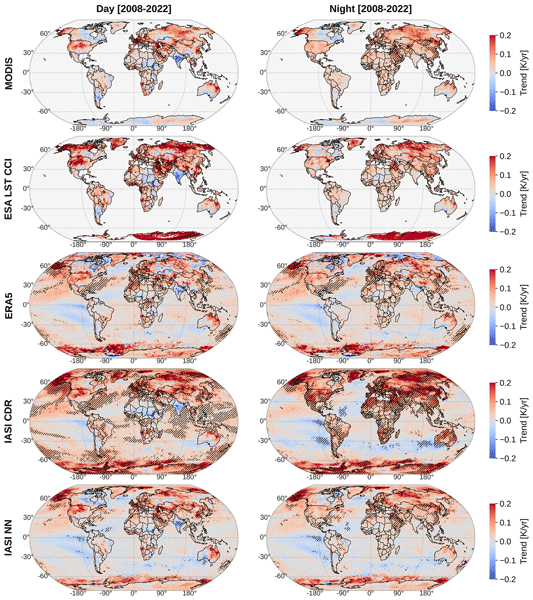
Land and sea surface temperatures, collectively called skin temperature (Tskin), are available from satellite measurements since few decades now and provide a holistic view of the Earth's climate system. Here we review 6 different datasets of Tskin to show that climate change signature is clear from the different datasets with notable exception, such as a significant cooling in India, parts of Africa and the Pacific.
Oscar Rojas-Munoz, Constantin Ardilouze, Bertrand Bonan, Diane Tzanos, Darren Ghent, Céline Lamarche, Thomas Nagler, and Jean-Christophe Calvet
The Cryosphere, 20, 4099–4115, https://doi.org/10.5194/tc-20-4099-2026, https://doi.org/10.5194/tc-20-4099-2026, 2026
Short summary
Short summary
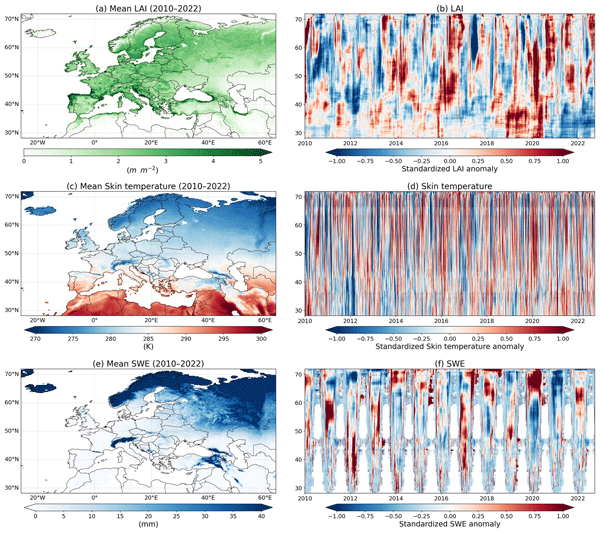
This study evaluated how updating land cover maps, such as forests, grasslands, and croplands, affects simulations of snow and land surface temperatures across Europe from 2010 to 2022. Results using older, less detailed maps were compared with those from newer, high-resolution data. The updated maps improved the accuracy of snow predictions, particularly in areas where grasslands transitioned to forests. However, the improvements were less noticeable for temperature simulations.
Darrell Smith, Darren Ghent, Karen Veal, and Thomas Dowling
EGUsphere, https://doi.org/10.5194/egusphere-2026-1953, https://doi.org/10.5194/egusphere-2026-1953, 2026
This preprint is open for discussion and under review for Earth Observation (EO).
Short summary
Short summary
Traditional satellite drought monitoring becomes computationally prohibitive when scaling to larger areas and high-resolution sensors. We developed a statistical method that approximates temperature-vegetation relationships using daily summaries rather than processing millions of individual measurements. Testing in New Zealand across multiple years proved the approach maintains strong performance while significantly reducing compute, processing time and data storage requirements.
Pierre Laluet, Jacopo Dari, Louise Busschaert, Zdenko Heyvaert, Gabrielle De Lannoy, Pia Langhans, Sara Modanesi, Christian Massari, Luca Brocca, Carla Saltalippi, Renato Morbidelli, Clément Albergel, and Wouter Dorigo
Earth Syst. Sci. Data, 18, 4833–4853, https://doi.org/10.5194/essd-18-4833-2026, https://doi.org/10.5194/essd-18-4833-2026, 2026
Short summary
Short summary
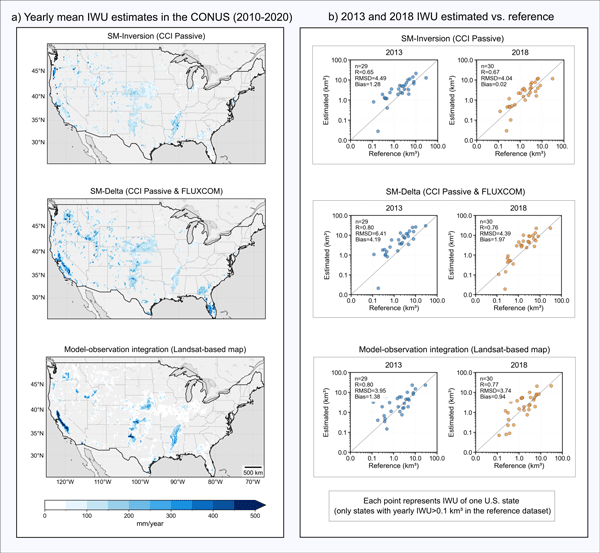
We developed a long-term dataset collection of irrigation water use based on about two decades of satellite observations, three distinct approaches, and many input datasets. The collection provides monthly estimates for major agricultural regions and helps describe how irrigation varies across locations, seasons, and years. It offers a foundation for improving how irrigation is quantified, compared across methods, and integrated into large-scale hydrological and climate studies.
Oscar M. Baez-Villanueva, Alfredo Crespo-Otero, Sara Modanesi, Pierre Laluet, Sergio Vicente-Serrano, Jaap Schellekens, Jacopo Dari, Hylke E. Beck, Wouter Dorigo, Christian Massari, Chiara Corbari, Joppe Massant, Kwint Delbare, Olivier Bonte, Aaron Boone, Diego Fernández-Prieto, and Diego G. Miralles
EGUsphere, https://doi.org/10.5194/egusphere-2026-1856, https://doi.org/10.5194/egusphere-2026-1856, 2026
Short summary
Short summary
We developed a new method to estimate daily land evaporation at high resolution across the Iberian Peninsula, explicitly accounting for irrigation. By combining satellite and meteorological data, we show that irrigation can strongly increase evaporation in agricultural areas. The results better match ground observations and improve understanding of water use. This approach can support farming decisions and water management at the regional scale, and will be extended to global applications.
Andrew F. Feldman, William K. Smith, Alexandra G. Konings, Martin J. Baur, Marvin Browne, David Chaparro, Charles Devine, Jennifer L. Diehl, Arthur Endsley, Thomas Jagdhuber, Kristine M. Larson, Coral del Mar Valle-Rodriguez, Konstantin Schellenberg, Ruxandra-Maria Zotta, and Shawn P. Serbin
EGUsphere, https://doi.org/10.5194/egusphere-2026-1759, https://doi.org/10.5194/egusphere-2026-1759, 2026
Short summary
Short summary
Vegetation water observations from 272 field-based GNSS sensors and satellite-based vegetation optical depth are compared across the western U.S. We find significant positive correlations across the sites and identify common conditions that increase the correlations including less forest cover, more homogeneous vegetation across landscapes, and large seasonal amplitudes. These field-based sensors are thus useful tools to evaluate grass and shrub water stress and validate satellite signals.
Ehsan Modiri, Oldrich Rakovec, Pallav Kumar Shrestha, Almudena García-García, Leandro Avila, Katie Blackford, Elizabeth Cooper, Bram Droppers, Paolo Filippucci, Milan Fischer, Matěj Orság, Pietro Stradiotti, Luca Brocca, Douglas B. Clark, Wouter Dorigo, Stefan Kollet, Jian Peng, Niko Wanders, and Luis Samaniego
EGUsphere, https://doi.org/10.5194/egusphere-2026-1012, https://doi.org/10.5194/egusphere-2026-1012, 2026
Short summary
Short summary
Drought impacts water supply, agriculture, and ecosystems, yet hydrological models often disagree on when and where drought occurs. This study tested whether satellite observations can improve how models represent soil moisture drought in the Rhine River basin. Using several models and major drought events, we show that satellite data improve spatial realism and reveal important differences among models, helping to better understand uncertainty in drought monitoring and early warning.
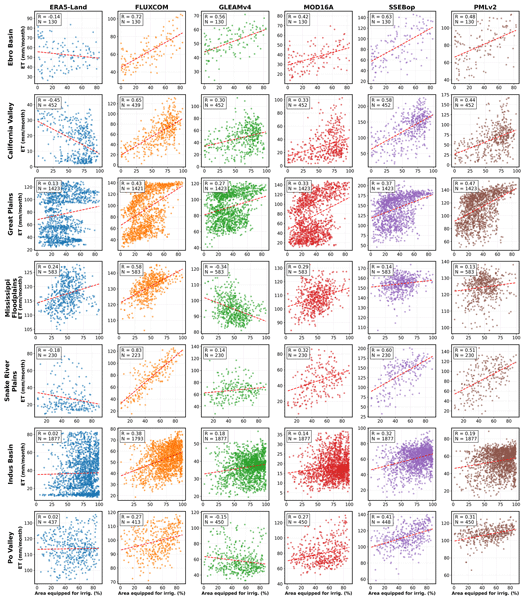
Pierre Laluet, Chiara Corbari, Oscar Baez-Villanueva, Sophia Walther, Yongqiang Zhang, Joaquín Muñoz-Sabater, Clément Albergel, and Wouter Dorigo
Hydrol. Earth Syst. Sci., 30, 1779–1799, https://doi.org/10.5194/hess-30-1779-2026, https://doi.org/10.5194/hess-30-1779-2026, 2026
Short summary
Short summary
We examined how well global datasets estimate evapotranspiration, the water moving from land to the air, in irrigated areas. We compared six widely used products with irrigation maps, satellite estimates, and field measurements across different climate regions. Some datasets better capture irrigation effects, especially those using temperature and vegetation satellite data. This work helps guide dataset selection and supports better inclusion of irrigation in hydrological and climate models.
Roland Hohensinn, Junyang Gou, Ulrich Meyer, Vincent Humphrey, Wouter Dorigo, Eva Boergens, Benedikt Soja, Alexander Gruber, Laura Jensen, Annette Eicker, Michael Rast, and Andreas Güntner
EGUsphere, https://doi.org/10.5194/egusphere-2026-975, https://doi.org/10.5194/egusphere-2026-975, 2026
Short summary
Short summary
This study provides a statistically traceable, uncertainty-aware assessment of global terrestrial and groundwater storage trends based on 21.5 years of GRACE/-FO observations using the Global Gravity-based Groundwater Product (G3P). By accounting for long-range memory and interannual variability, we isolate robust trends from climate variability and noise. The analysis refines continental budgets and identifies emerging groundwater gains alongside widespread persistent decline.
Andreas Güntner, Ehsan Sharifi, Julian Haas, Eva Boergens, Feifei Cao, Christoph Dahle, Neda Darbeheshti, Henryk Dobslaw, Inés Dussaillant, Wouter Dorigo, Frank Flechtner, Adrian Jäggi, Miriam Kosmale, Martin Lasser, Kari Luojus, Ulrich Meyer, Adam Pasik, Wolfgang Preimersberger, Claudia Ruz Vargas, and Michael Zemp
Earth Syst. Sci. Data Discuss., https://doi.org/10.5194/essd-2025-797, https://doi.org/10.5194/essd-2025-797, 2026
Revised manuscript accepted for ESSD
Short summary
Short summary
We provide a data set that illustrates how the amount of water that is stored in the subsurface as groundwater varies in time over the continents of the Earth. A main source of the data are observations with satellites that weigh the changing amount of water by its mass attraction effect. The data allow for assessing how groundwater as the most important freshwater resource for mankind and ecosystems is affected by climate variability, climate change and withdrawal by human activities.
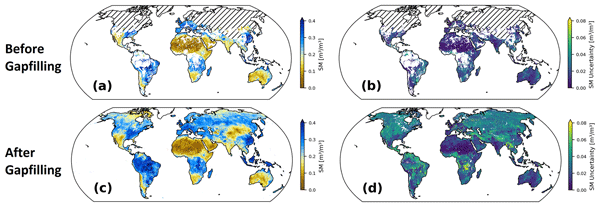
Wolfgang Preimesberger, Pietro Stradiotti, and Wouter Dorigo
Earth Syst. Sci. Data, 17, 4305–4329, https://doi.org/10.5194/essd-17-4305-2025, https://doi.org/10.5194/essd-17-4305-2025, 2025
Short summary
Short summary
We introduce the official ESA CCI Soil Moisture GAPFILLED climate data record. A univariate interpolation algorithm is applied to predict missing data points without relying on ancillary variables. The dataset includes gap-free uncertainty estimates for all predictions and was validated with independent in situ reference measurements. Our data record is recommended for applications which require global long-term gap-free satellite soil moisture data.
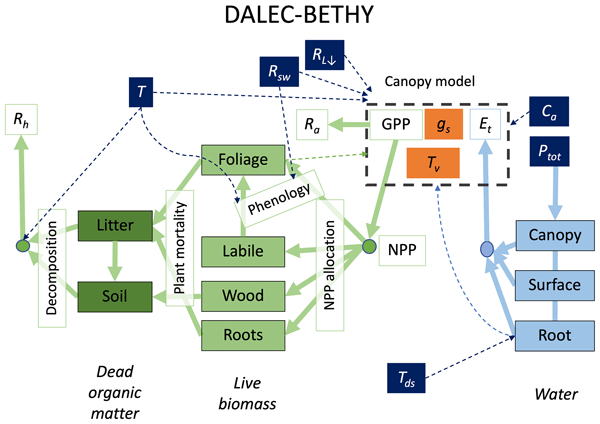
Wolfgang Knorr, Matthew Williams, Tea Thum, Thomas Kaminski, Michael Voßbeck, Marko Scholze, Tristan Quaife, T. Luke Smallman, Susan C. Steele-Dunne, Mariette Vreugdenhil, Tim Green, Sönke Zaehle, Mika Aurela, Alexandre Bouvet, Emanuel Bueechi, Wouter Dorigo, Tarek S. El-Madany, Mirco Migliavacca, Marika Honkanen, Yann H. Kerr, Anna Kontu, Juha Lemmetyinen, Hannakaisa Lindqvist, Arnaud Mialon, Tuuli Miinalainen, Gaétan Pique, Amanda Ojasalo, Shaun Quegan, Peter J. Rayner, Pablo Reyes-Muñoz, Nemesio Rodríguez-Fernández, Mike Schwank, Jochem Verrelst, Songyan Zhu, Dirk Schüttemeyer, and Matthias Drusch
Geosci. Model Dev., 18, 2137–2159, https://doi.org/10.5194/gmd-18-2137-2025, https://doi.org/10.5194/gmd-18-2137-2025, 2025
Short summary
Short summary
When it comes to climate change, the land surface is where the vast majority of impacts happen. The task of monitoring those impacts across the globe is formidable and must necessarily rely on satellites – at a significant cost: the measurements are only indirect and require comprehensive physical understanding. We have created a comprehensive modelling system that we offer to the research community to explore how satellite data can be better exploited to help us capture the changes that happen on our lands.
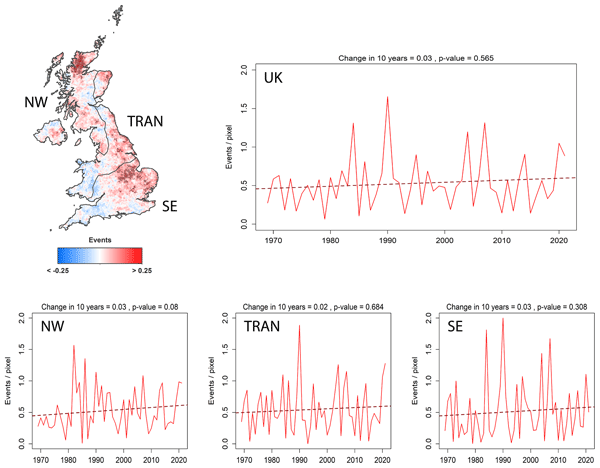
Iván Noguera, Jamie Hannaford, and Maliko Tanguy
Hydrol. Earth Syst. Sci., 29, 1295–1317, https://doi.org/10.5194/hess-29-1295-2025, https://doi.org/10.5194/hess-29-1295-2025, 2025
Short summary
Short summary
The study provides a detailed characterisation of flash drought in the UK for 1969–2021. The spatio-temporal distribution and trends of flash droughts are highly variable, with important regional and seasonal contrasts. In the UK, flash drought development responds primarily to precipitation variability, while the atmospheric evaporative demand plays a secondary role. We also found that the North Atlantic Oscillation is the main circulation pattern controlling flash drought development.
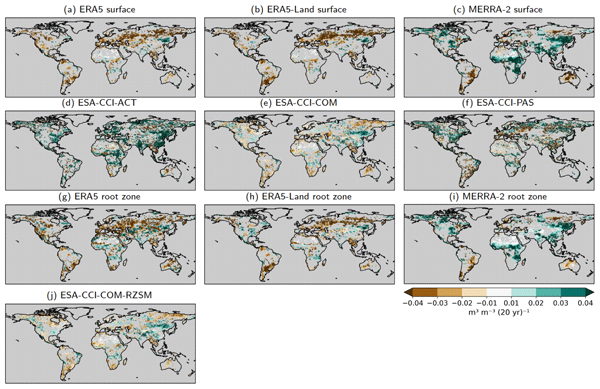
Martin Hirschi, Pietro Stradiotti, Bas Crezee, Wouter Dorigo, and Sonia I. Seneviratne
Hydrol. Earth Syst. Sci., 29, 397–425, https://doi.org/10.5194/hess-29-397-2025, https://doi.org/10.5194/hess-29-397-2025, 2025
Short summary
Short summary
We investigate the potential of long-term satellite and reanalysis products for characterising soil drying by analysing their 2000–2022 soil moisture trends and their representation of agroecological drought events of this period. Soil moisture trends are globally diverse and partly contradictory between products. This also affects the products' drought-detection capacity. Based on the best-estimate products, consistent soil drying is observed over more than 40 % of the land area covered.

Ruxandra-Maria Zotta, Leander Moesinger, Robin van der Schalie, Mariette Vreugdenhil, Wolfgang Preimesberger, Thomas Frederikse, Richard de Jeu, and Wouter Dorigo
Earth Syst. Sci. Data, 16, 4573–4617, https://doi.org/10.5194/essd-16-4573-2024, https://doi.org/10.5194/essd-16-4573-2024, 2024
Short summary
Short summary
VODCA v2 is a dataset providing vegetation indicators for long-term ecosystem monitoring. VODCA v2 comprises two products: VODCA CXKu, spanning 34 years of observations (1987–2021), suitable for monitoring upper canopy dynamics, and VODCA L (2010–2021), for above-ground biomass monitoring. VODCA v2 has lower noise levels than the previous product version and provides valuable insights into plant water dynamics and biomass changes, even in areas where optical data are limited.
Bethan L. Harris, Tristan Quaife, Christopher M. Taylor, and Phil P. Harris
Earth Syst. Dynam., 15, 1019–1035, https://doi.org/10.5194/esd-15-1019-2024, https://doi.org/10.5194/esd-15-1019-2024, 2024
Short summary
Short summary
The response of vegetation productivity to rainfall is a crucial process linking the water and carbon cycles and influencing the evolution of the climate system. However, there are many uncertainties in its representation in Earth system models. We show that the vegetation productivity responses to short-term rainfall events are very different between models due to their differing sensitivities to water availability. We also evaluate the models against a range of observational products.
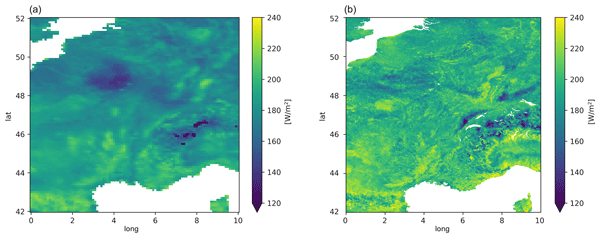
Dominik Rains, Isabel Trigo, Emanuel Dutra, Sofia Ermida, Darren Ghent, Petra Hulsman, Jose Gómez-Dans, and Diego G. Miralles
Earth Syst. Sci. Data, 16, 567–593, https://doi.org/10.5194/essd-16-567-2024, https://doi.org/10.5194/essd-16-567-2024, 2024
Short summary
Short summary
Land surface temperature and surface net radiation are vital inputs for many land surface and hydrological models. However, current remote sensing datasets of these variables come mostly at coarse resolutions, and the few high-resolution datasets available have large gaps due to cloud cover. Here, we present a continuous daily product for both variables across Europe for 2018–2019 obtained by combining observations from geostationary as well as polar-orbiting satellites.
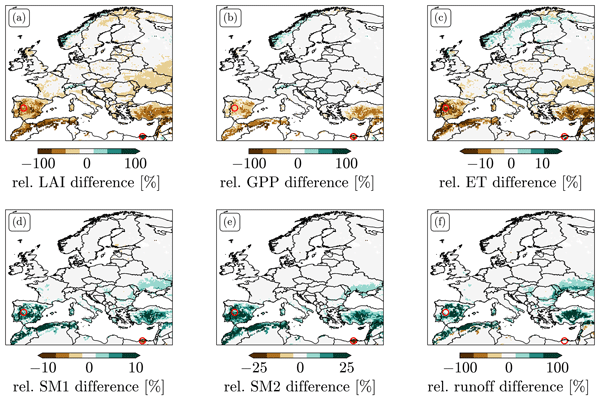
Samuel Scherrer, Gabriëlle De Lannoy, Zdenko Heyvaert, Michel Bechtold, Clement Albergel, Tarek S. El-Madany, and Wouter Dorigo
Hydrol. Earth Syst. Sci., 27, 4087–4114, https://doi.org/10.5194/hess-27-4087-2023, https://doi.org/10.5194/hess-27-4087-2023, 2023
Short summary
Short summary
We explored different options for data assimilation (DA) of the remotely sensed leaf area index (LAI). We found strong biases between LAI predicted by Noah-MP and observations. LAI DA that does not take these biases into account can induce unphysical patterns in the resulting LAI and flux estimates and leads to large changes in the climatology of root zone soil moisture. We tested two bias-correction approaches and explored alternative solutions to treating bias in LAI DA.
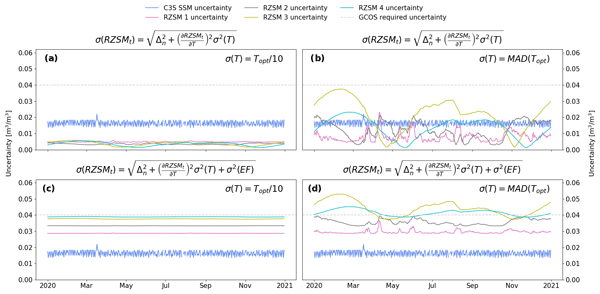
Adam Pasik, Alexander Gruber, Wolfgang Preimesberger, Domenico De Santis, and Wouter Dorigo
Geosci. Model Dev., 16, 4957–4976, https://doi.org/10.5194/gmd-16-4957-2023, https://doi.org/10.5194/gmd-16-4957-2023, 2023
Short summary
Short summary
We apply the exponential filter (EF) method to satellite soil moisture retrievals to estimate the water content in the unobserved root zone globally from 2002–2020. Quality assessment against an independent dataset shows satisfactory results. Error characterization is carried out using the standard uncertainty propagation law and empirically estimated values of EF model structural uncertainty and parameter uncertainty. This is followed by analysis of temporal uncertainty variations.
Julia Crook, Cornelia Klein, Sonja Folwell, Christopher M. Taylor, Douglas J. Parker, Adama Bamba, and Kouakou Kouadio
Weather Clim. Dynam., 4, 229–248, https://doi.org/10.5194/wcd-4-229-2023, https://doi.org/10.5194/wcd-4-229-2023, 2023
Short summary
Short summary
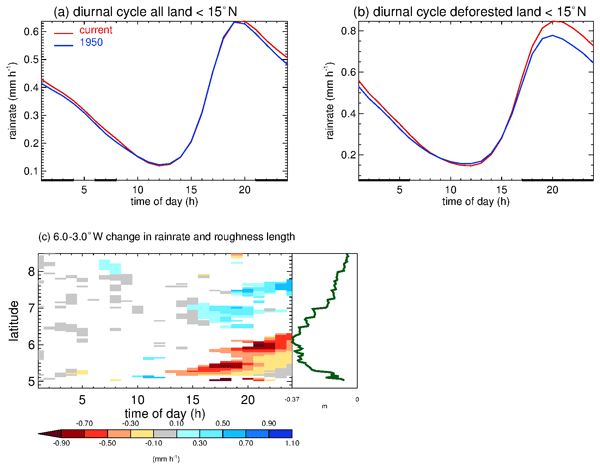
We estimate recent deforestation in West Africa and use a climate model allowing explicit convection to determine impacts on early season rainfall. We find enhanced rainfall over deforestation, in line with recent observational results, due to changes in circulation rather than humidity, showing potential for future studies. Local changes depend on initial soil moisture, deforestation extent, and ocean proximity, with sea breezes shifting inland where surface friction decreased.
Remi Madelon, Nemesio J. Rodríguez-Fernández, Hassan Bazzi, Nicolas Baghdadi, Clement Albergel, Wouter Dorigo, and Mehrez Zribi
Hydrol. Earth Syst. Sci., 27, 1221–1242, https://doi.org/10.5194/hess-27-1221-2023, https://doi.org/10.5194/hess-27-1221-2023, 2023
Short summary
Short summary
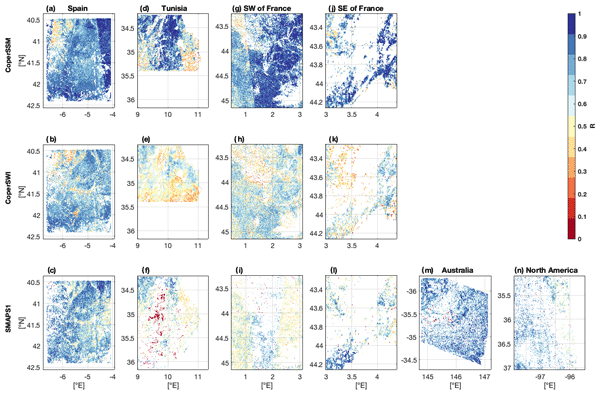
We present an approach to estimate soil moisture (SM) at 1 km resolution using Sentinel-1 and Sentinel-3 satellites. The estimates were compared to other high-resolution (HR) datasets over Europe, northern Africa, Australia, and North America, showing good agreement. However, the discrepancies between the different HR datasets and their lower performances compared with in situ measurements and coarse-resolution datasets show the remaining challenges for large-scale HR SM mapping.
Luisa Schmidt, Matthias Forkel, Ruxandra-Maria Zotta, Samuel Scherrer, Wouter A. Dorigo, Alexander Kuhn-Régnier, Robin van der Schalie, and Marta Yebra
Biogeosciences, 20, 1027–1046, https://doi.org/10.5194/bg-20-1027-2023, https://doi.org/10.5194/bg-20-1027-2023, 2023
Short summary
Short summary
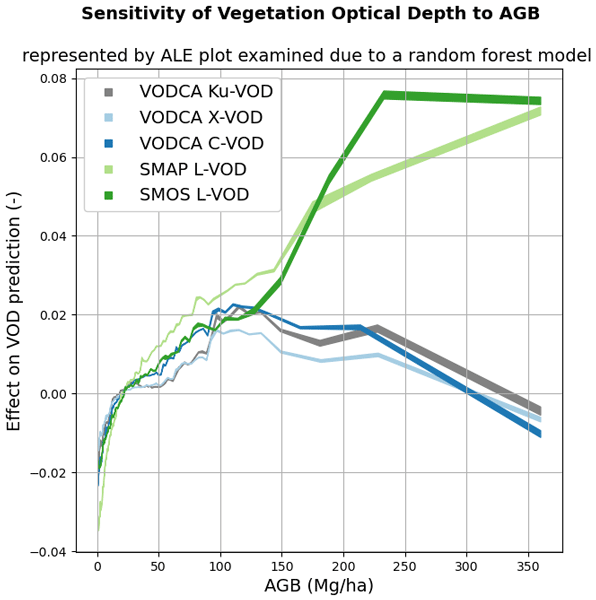
Vegetation attenuates natural microwave emissions from the land surface. The strength of this attenuation is quantified as the vegetation optical depth (VOD) parameter and is influenced by the vegetation mass, structure, water content, and observation wavelength. Here we model the VOD signal as a multi-variate function of several descriptive vegetation variables. The results help in understanding the effects of ecosystem properties on VOD.
Taylor Smith, Ruxandra-Maria Zotta, Chris A. Boulton, Timothy M. Lenton, Wouter Dorigo, and Niklas Boers
Earth Syst. Dynam., 14, 173–183, https://doi.org/10.5194/esd-14-173-2023, https://doi.org/10.5194/esd-14-173-2023, 2023
Short summary
Short summary
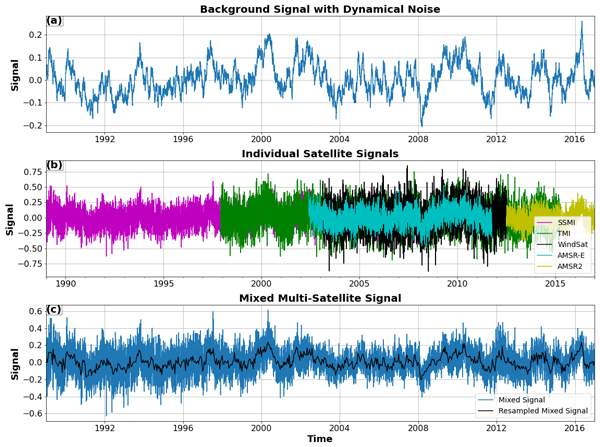
Multi-instrument records with varying signal-to-noise ratios are becoming increasingly common as legacy sensors are upgraded, and data sets are modernized. Induced changes in higher-order statistics such as the autocorrelation and variance are not always well captured by cross-calibration schemes. Here we investigate using synthetic examples how strong resulting biases can be and how they can be avoided in order to make reliable statements about changes in the resilience of a system.
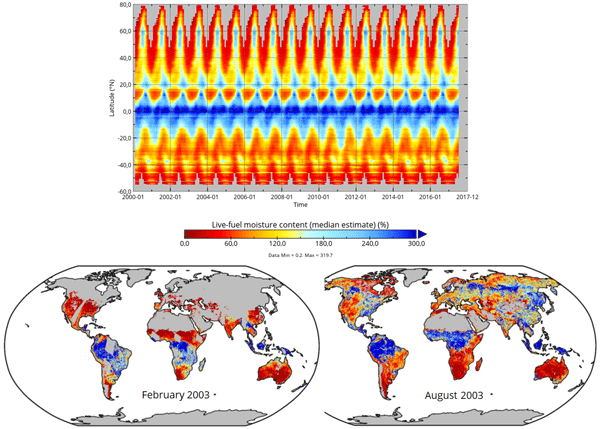
Matthias Forkel, Luisa Schmidt, Ruxandra-Maria Zotta, Wouter Dorigo, and Marta Yebra
Hydrol. Earth Syst. Sci., 27, 39–68, https://doi.org/10.5194/hess-27-39-2023, https://doi.org/10.5194/hess-27-39-2023, 2023
Short summary
Short summary
The live fuel moisture content (LFMC) of vegetation canopies is a driver of wildfires. We investigate the relation between LFMC and passive microwave satellite observations of vegetation optical depth (VOD) and develop a method to estimate LFMC from VOD globally. Our global VOD-based estimates of LFMC can be used to investigate drought effects on vegetation and fire risks.
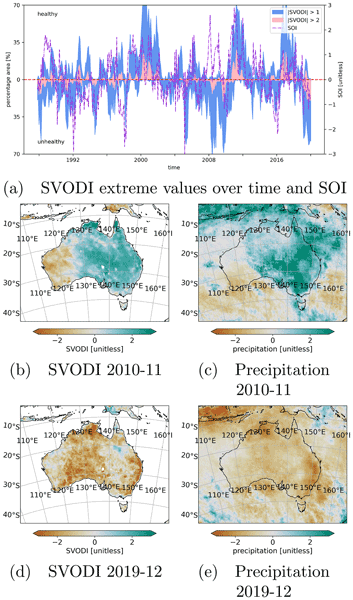
Leander Moesinger, Ruxandra-Maria Zotta, Robin van der Schalie, Tracy Scanlon, Richard de Jeu, and Wouter Dorigo
Biogeosciences, 19, 5107–5123, https://doi.org/10.5194/bg-19-5107-2022, https://doi.org/10.5194/bg-19-5107-2022, 2022
Short summary
Short summary
The standardized vegetation optical depth index (SVODI) can be used to monitor the vegetation condition, such as whether the vegetation is unusually dry or wet. SVODI has global coverage, spans the past 3 decades and is derived from multiple spaceborne passive microwave sensors of that period. SVODI is based on a new probabilistic merging method that allows the merging of normally distributed data even if the data are not gap-free.
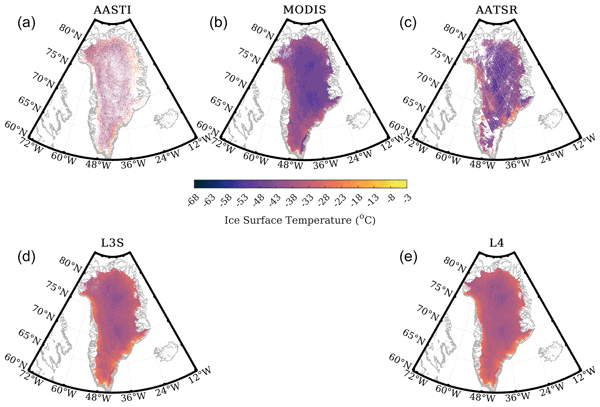
Ioanna Karagali, Magnus Barfod Suhr, Ruth Mottram, Pia Nielsen-Englyst, Gorm Dybkjær, Darren Ghent, and Jacob L. Høyer
The Cryosphere, 16, 3703–3721, https://doi.org/10.5194/tc-16-3703-2022, https://doi.org/10.5194/tc-16-3703-2022, 2022
Short summary
Short summary
Ice surface temperature (IST) products were used to develop the first multi-sensor, gap-free Level 4 (L4) IST product of the Greenland Ice Sheet (GIS) for 2012, when a significant melt event occurred. For the melt season, mean IST was −15 to −1 °C, and almost the entire GIS experienced at least 1 to 5 melt days. Inclusion of the L4 IST to a surface mass budget (SMB) model improved simulated surface temperatures during the key onset of the melt season, where biases are typically large.
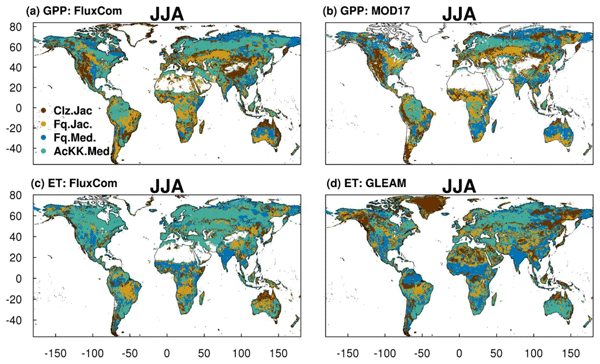
Rebecca J. Oliver, Lina M. Mercado, Doug B. Clark, Chris Huntingford, Christopher M. Taylor, Pier Luigi Vidale, Patrick C. McGuire, Markus Todt, Sonja Folwell, Valiyaveetil Shamsudheen Semeena, and Belinda E. Medlyn
Geosci. Model Dev., 15, 5567–5592, https://doi.org/10.5194/gmd-15-5567-2022, https://doi.org/10.5194/gmd-15-5567-2022, 2022
Short summary
Short summary
We introduce new representations of plant physiological processes into a land surface model. Including new biological understanding improves modelled carbon and water fluxes for the present in tropical and northern-latitude forests. Future climate simulations demonstrate the sensitivity of photosynthesis to temperature is important for modelling carbon cycle dynamics in a warming world. Accurate representation of these processes in models is necessary for robust predictions of climate change.
Robin van der Schalie, Mendy van der Vliet, Clément Albergel, Wouter Dorigo, Piotr Wolski, and Richard de Jeu
Hydrol. Earth Syst. Sci., 26, 3611–3627, https://doi.org/10.5194/hess-26-3611-2022, https://doi.org/10.5194/hess-26-3611-2022, 2022
Short summary
Short summary
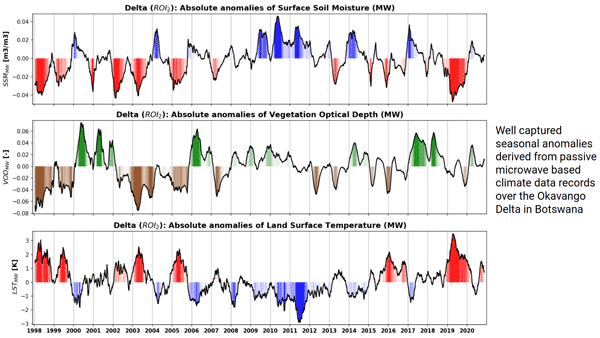
Climate data records of surface soil moisture, vegetation optical depth, and land surface temperature can be derived from passive microwave observations. The ability of these datasets to properly detect anomalies and extremes is very valuable in climate research and can especially help to improve our insight in complex regions where the current climate reanalysis datasets reach their limitations. Here, we present a case study over the Okavango Delta, where we focus on inter-annual variability.
Benjamin Wild, Irene Teubner, Leander Moesinger, Ruxandra-Maria Zotta, Matthias Forkel, Robin van der Schalie, Stephen Sitch, and Wouter Dorigo
Earth Syst. Sci. Data, 14, 1063–1085, https://doi.org/10.5194/essd-14-1063-2022, https://doi.org/10.5194/essd-14-1063-2022, 2022
Short summary
Short summary
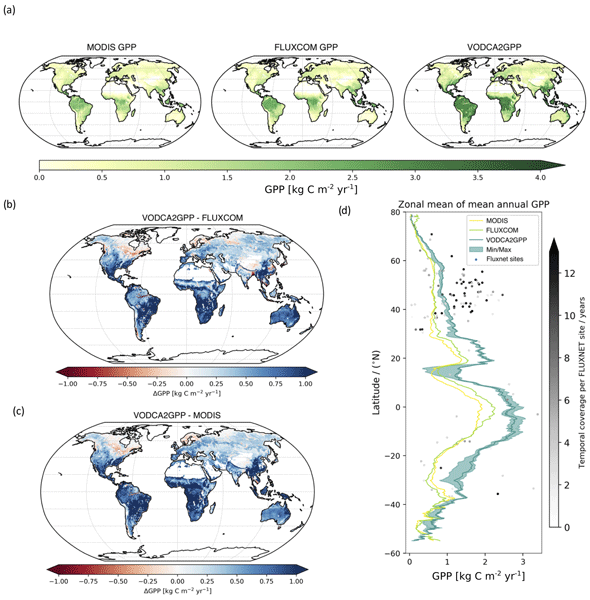
Gross primary production (GPP) describes the conversion of CO2 to carbohydrates and can be seen as a filter for our atmosphere of the primary greenhouse gas CO2. We developed VODCA2GPP, a GPP dataset that is based on vegetation optical depth from microwave remote sensing and temperature. Thus, it is mostly independent from existing GPP datasets and also available in regions with frequent cloud coverage. Analysis showed that VODCA2GPP is able to complement existing state-of-the-art GPP datasets.

Stefan Schlaffer, Marco Chini, Wouter Dorigo, and Simon Plank
Hydrol. Earth Syst. Sci., 26, 841–860, https://doi.org/10.5194/hess-26-841-2022, https://doi.org/10.5194/hess-26-841-2022, 2022
Short summary
Short summary
Prairie wetlands are important for biodiversity and water availability. Knowledge about their variability and spatial distribution is of great use in conservation and water resources management. In this study, we propose a novel approach for the classification of small water bodies from satellite radar images and apply it to our study area over 6 years. The retrieved dynamics show the different responses of small and large wetlands to dry and wet periods.
Wouter Dorigo, Irene Himmelbauer, Daniel Aberer, Lukas Schremmer, Ivana Petrakovic, Luca Zappa, Wolfgang Preimesberger, Angelika Xaver, Frank Annor, Jonas Ardö, Dennis Baldocchi, Marco Bitelli, Günter Blöschl, Heye Bogena, Luca Brocca, Jean-Christophe Calvet, J. Julio Camarero, Giorgio Capello, Minha Choi, Michael C. Cosh, Nick van de Giesen, Istvan Hajdu, Jaakko Ikonen, Karsten H. Jensen, Kasturi Devi Kanniah, Ileen de Kat, Gottfried Kirchengast, Pankaj Kumar Rai, Jenni Kyrouac, Kristine Larson, Suxia Liu, Alexander Loew, Mahta Moghaddam, José Martínez Fernández, Cristian Mattar Bader, Renato Morbidelli, Jan P. Musial, Elise Osenga, Michael A. Palecki, Thierry Pellarin, George P. Petropoulos, Isabella Pfeil, Jarrett Powers, Alan Robock, Christoph Rüdiger, Udo Rummel, Michael Strobel, Zhongbo Su, Ryan Sullivan, Torbern Tagesson, Andrej Varlagin, Mariette Vreugdenhil, Jeffrey Walker, Jun Wen, Fred Wenger, Jean Pierre Wigneron, Mel Woods, Kun Yang, Yijian Zeng, Xiang Zhang, Marek Zreda, Stephan Dietrich, Alexander Gruber, Peter van Oevelen, Wolfgang Wagner, Klaus Scipal, Matthias Drusch, and Roberto Sabia
Hydrol. Earth Syst. Sci., 25, 5749–5804, https://doi.org/10.5194/hess-25-5749-2021, https://doi.org/10.5194/hess-25-5749-2021, 2021
Short summary
Short summary
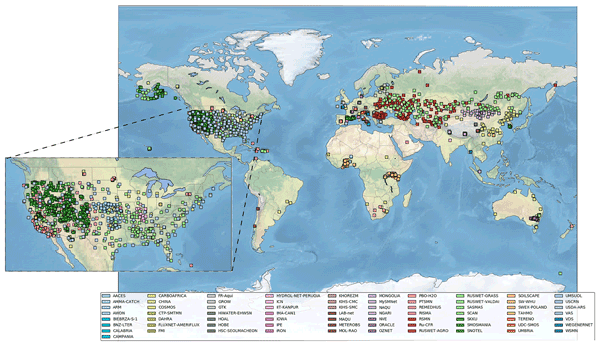
The International Soil Moisture Network (ISMN) is a community-based open-access data portal for soil water measurements taken at the ground and is accessible at https://ismn.earth. Over 1000 scientific publications and thousands of users have made use of the ISMN. The scope of this paper is to inform readers about the data and functionality of the ISMN and to provide a review of the scientific progress facilitated through the ISMN with the scope to shape future research and operations.
Cited articles
Ahmad, S. K., Kumar, S. V., Lahmers, T. M., Wang, S., Liu, P., Wrzesien, M. L., Bindlish, R., Getirana, A., Locke, K. A., Holmes, T. R., and Otkin, J. A.: Flash Drought Onset and Development Mechanisms Captured With Soil Moisture and Vegetation Data Assimilation, Water Resources Research, 58, https://doi.org/10.1029/2022WR032894, 2022. a
Albergel, C., de Rosnay, P., Gruhier, C., Muñoz-Sabater, J., Hasenauer, S., Isaksen, L., Kerr, Y., and Wagner, W.: Evaluation of remotely sensed and modelled soil moisture products using global ground-based in situ observations, Remote Sensing of Environment, 118, 215–226, https://doi.org/10.1016/J.RSE.2011.11.017, 2012. a
Anderson, M. C., Hain, C., Wardlow, B., Pimstein, A., Mecikalski, J. R., and Kustas, W. P.: Evaluation of Drought Indices Based on Thermal Remote Sensing of Evapotranspiration over the Continental United States, Journal of Climate, 24, 2025–2044, https://doi.org/10.1175/2010JCLI3812.1, 2011. a
Anderson, M. C., Hain, C., Otkin, J., Zhan, X., Mo, K., Svoboda, M., Wardlow, B., and Pimstein, A.: An Intercomparison of Drought Indicators Based on Thermal Remote Sensing and NLDAS-2 Simulations with U.S. Drought Monitor Classifications, Journal of Hydrometeorology, 14, 1035–1056, https://doi.org/10.1175/JHM-D-12-0140.1, 2013. a
Anderson, W. B., Zaitchik, B. F., Hain, C. R., Anderson, M. C., Yilmaz, M. T., Mecikalski, J., and Schultz, L.: Towards an integrated soil moisture drought monitor for East Africa, Hydrol. Earth Syst. Sci., 16, 2893–2913, https://doi.org/10.5194/hess-16-2893-2012, 2012. a
Attema, E. P. and Ulaby, F. T.: Vegetation modeled as a water cloud, Radio Science, 13, 357–364, https://doi.org/10.1029/RS013I002P00357, 1978. a
Balsamo, G., Agusti-Panareda, A., Albergel, C., Arduini, G., Beljaars, A., Bidlot, J., Bousserez, N., Boussetta, S., Brown, A., Buizza, R., Buontempo, C., Chevallier, F., Choulga, M., Cloke, H., Cronin, M. F., Dahoui, M., Rosnay, P. D., Dirmeyer, P. A., Drusch, M., Dutra, E., Ek, M. B., Gentine, P., Hewitt, H., Keeley, S. P., Kerr, Y., Kumar, S., Lupu, C., Mahfouf, J. F., McNorton, J., Mecklenburg, S., Mogensen, K., Muñoz-Sabater, J., Orth, R., Rabier, F., Reichle, R., Ruston, B., Pappenberger, F., Sandu, I., Seneviratne, S. I., Tietsche, S., Trigo, I. F., Uijlenhoet, R., Wedi, N., Woolway, R. I., and Zeng, X.: Satellite and In Situ Observations for Advancing Global Earth Surface Modelling: A Review, Remote Sensing, 10, 2038, https://doi.org/10.3390/RS10122038, 2018. a
Benson, D. O. and Dirmeyer, P. A.: The Soil Moisture–Surface Flux Relationship as a Factor for Extreme Heat Predictability in Subseasonal to Seasonal Forecasts, Journal of Climate, 36, 6375–6392, https://doi.org/10.1175/JCLI-D-22-0447.1, 2023. a
bethanharris: bethanharris/SUBDROUGHT: v2.0, Zenodo [code], https://doi.org/10.5281/zenodo.16876864, 2025. a
Black, E.: Global Change in Agricultural Flash Drought over the 21st Century, Advances in Atmospheric Sciences, 41, 209–220, https://doi.org/10.1007/s00376-023-2366-5, 2024. a
Bondur, V. G.: Satellite monitoring of wildfires during the anomalous heat wave of 2010 in Russia, Izvestiya, Atmospheric and Oceanic Physics, 47, 1039–1048, https://doi.org/10.1134/S0001433811090040, 2011. a
C3S: Land cover classification gridded maps from 1992 to present derived from satellite observations, Copernicus Climate Change Service (C3S) Climate Data Store (CDS) [data set], https://doi.org/10.24381/cds.006f2c9a, 2019a. a, b
C3S: ERA5 hourly data on single levels from 1940 to present, Copernicus Climate Change Service (C3S) Climate Data Store (CDS) [data set], https://doi.org/10.24381/cds.adbb2d47, 2019b. a
Cammalleri, C., Vogt, J. V., Bisselink, B., and de Roo, A.: Comparing soil moisture anomalies from multiple independent sources over different regions across the globe, Hydrol. Earth Syst. Sci., 21, 6329–6343, https://doi.org/10.5194/hess-21-6329-2017, 2017. a
Christian, J. I., Basara, J. B., Otkin, J. A., Hunt, E. D., Wakefield, R. A., Flanagan, P. X., and Xiao, X.: A Methodology for Flash Drought Identification: Application of Flash Drought Frequency across the United States, Journal of Hydrometeorology, 20, 833–846, https://doi.org/10.1175/JHM-D-18-0198.1, 2019. a
Christian, J. I., Basara, J. B., Hunt, E. D., Otkin, J. A., and Xiao, X.: Flash drought development and cascading impacts associated with the 2010 Russian heatwave, Environmental Research Letters, 15, 094078, https://doi.org/10.1088/1748-9326/AB9FAF, 2020. a, b, c
Christian, J. I., Basara, J. B., Hunt, E. D., Otkin, J. A., Furtado, J. C., Mishra, V., Xiao, X., and Randall, R. M.: Global distribution, trends, and drivers of flash drought occurrence, Nature Communications, 12, 1–11, https://doi.org/10.1038/s41467-021-26692-z, 2021. a, b, c, d
Christian, J. I., Martin, E. R., Basara, J. B., Furtado, J. C., Otkin, J. A., Lowman, L. E., Hunt, E. D., Mishra, V., and Xiao, X.: Global projections of flash drought show increased risk in a warming climate, Communications Earth & Environment, 4, 1–10, https://doi.org/10.1038/s43247-023-00826-1, 2023. a
Deangelis, A. M., Wang, H., Koster, R. D., Schubert, S. D., Chang, Y., and Marshak, J.: Prediction Skill of the 2012 U.S. Great Plains Flash Drought in Subseasonal Experiment (SubX) Models, Journal of Climate, 33, 6229–6253, https://doi.org/10.1175/JCLI-D-19-0863.1, 2020. a, b
Dezfuli, A. K., Ichoku, C. M., Huffman, G. J., Mohr, K. I., Selker, J. S., van de Giesen, N., Hochreutener, R., and Annor, F. O.: Validation of IMERG precipitation in Africa, Journal of Hydrometeorology, 18, 2817–2825, https://doi.org/10.1175/JHM-D-17-0139.1, 2017. a
Dirmeyer, P. A.: The terrestrial segment of soil moisture–climate coupling, Geophysical Research Letters, 38, https://doi.org/10.1029/2011GL048268, 2011. a
Dirmeyer, P. A., Chen, L., Wu, J., Shin, C. S., Huang, B., Cash, B. A., Bosilovich, M. G., Mahanama, S., Koster, R. D., Santanello, J. A., Ek, M. B., Balsamo, G., Dutra, E., and Lawrence, D. M.: Verification of Land–Atmosphere Coupling in Forecast Models, Reanalyses, and Land Surface Models Using Flux Site Observations, Journal of Hydrometeorology, 19, 375–392, https://doi.org/10.1175/JHM-D-17-0152.1, 2018. a
Dorigo, W., Wagner, W., Albergel, C., Albrecht, F., Balsamo, G., Brocca, L., Chung, D., Ertl, M., Forkel, M., Gruber, A., Haas, E., Hamer, P. D., Hirschi, M., Ikonen, J., de Jeu, R., Kidd, R., Lahoz, W., Liu, Y. Y., Miralles, D., Mistelbauer, T., Nicolai-Shaw, N., Parinussa, R., Pratola, C., Reimer, C., van der Schalie, R., Seneviratne, S. I., Smolander, T., and Lecomte, P.: ESA CCI Soil Moisture for improved Earth system understanding: State-of-the art and future directions, Remote Sensing of Environment, 203, 185–215, https://doi.org/10.1016/J.RSE.2017.07.001, 2017. a
Dorigo, W., Preimesberger, W., Hahn, S., van der Schalie, R., De Jeu, R., Kidd, R., Rodriguez-Fernandez, N., Hirschi, M., Stradiotti, P., Frederikse, T., Gruber, A., and Madelon, R.: ESA Soil Moisture Climate Change Initiative (Soil_Moisture_cci): COMBINED product, Version 08.1 [data set], https://catalogue.ceda.ac.uk/uuid/6f99cdb86a9e4d3da2d47c79612c00a2 (last access: 26 July 2023), 2023. a
Duveiller, G., Frankenberg, C., Filipponi, F., Walther, S., Köhler, P., Guanter, L., and Cescatti, A.: Downscaled GOME2 SIF, European Commission, Joint Research Centre (JRC) [data set], https://doi.org/10.2905/21935FFC-B797-4BEE-94DA-8FEC85B3F9E1, 2019. a
Duveiller, G., Filipponi, F., Walther, S., Köhler, P., Frankenberg, C., Guanter, L., and Cescatti, A.: A spatially downscaled sun-induced fluorescence global product for enhanced monitoring of vegetation productivity, Earth Syst. Sci. Data, 12, 1101–1116, https://doi.org/10.5194/essd-12-1101-2020, 2020. a
Folwell, S. S., Harris, P. P., and Taylor, C. M.: Large-Scale Surface Responses during European Dry Spells Diagnosed from Land Surface Temperature, Journal of Hydrometeorology, 17, 975–993, https://doi.org/10.1175/JHM-D-15-0064.1, 2016. a, b
Ford, T. W. and Labosier, C. F.: Meteorological conditions associated with the onset of flash drought in the Eastern United States, Agricultural and Forest Meteorology, 247, 414–423, https://doi.org/10.1016/J.AGRFORMET.2017.08.031, 2017. a, b
Frankenberg, C., Fisher, J. B., Worden, J., Badgley, G., Saatchi, S. S., Lee, J. E., Toon, G. C., Butz, A., Jung, M., Kuze, A., and Yokota, T.: New global observations of the terrestrial carbon cycle from GOSAT: Patterns of plant fluorescence with gross primary productivity, Geophysical Research Letters, 38, https://doi.org/10.1029/2011GL048738, 2011. a
Fu, K. and Wang, K.: Contributions of Local Land-Atmosphere Coupling and Mesoscale Atmospheric Circulation to the 2013 Extreme Flash Drought and Heatwave Compound Event Over Southwest China, Journal of Geophysical Research: Atmospheres, 128, e2023JD039406, https://doi.org/10.1029/2023JD039406, 2023. a, b
Gallego-Elvira, B., Taylor, C. M., Harris, P. P., Ghent, D., Veal, K. L., and Folwell, S. S.: Global observational diagnosis of soil moisture control on the land surface energy balance, Geophysical Research Letters, 43, 2623–2631, https://doi.org/10.1002/2016GL068178, 2016. a, b, c, d
Ghent, D., Veal, K., Trent, T., Dodd, E., Sembhi, H., and Remedios, J.: A New Approach to Defining Uncertainties for MODIS Land Surface Temperature, Remote Sensing, 11, 1021, https://doi.org/10.3390/rs11091021, 2019. a
Gruber, A., Scanlon, T., van der Schalie, R., Wagner, W., and Dorigo, W.: Evolution of the ESA CCI Soil Moisture climate data records and their underlying merging methodology, Earth Syst. Sci. Data, 11, 717–739, https://doi.org/10.5194/essd-11-717-2019, 2019. a
Guanter, L., Alonso, L., Gómez-Chova, L., Amorós-López, J., Vila, J., and Moreno, J.: Estimation of solar-induced vegetation fluorescence from space measurements, Geophysical Research Letters, 34, https://doi.org/10.1029/2007GL029289, 2007. a
Hersbach, H., Bell, B., Berrisford, P., Hirahara, S., Horányi, A., Muñoz-Sabater, J., Nicolas, J., Peubey, C., Radu, R., Schepers, D., Simmons, A., Soci, C., Abdalla, S., Abellan, X., Balsamo, G., Bechtold, P., Biavati, G., Bidlot, J., Bonavita, M., De Chiara, G., Dahlgren, P., Dee, D., Diamantakis, M., Dragani, R., Flemming, J., Forbes, R., Fuentes, M., Geer, A., Haimberger, L., Healy, S., Hogan, R. J., Hólm, E., Janisková, M., Keeley, S., Laloyaux, P., Lopez, P., Lupu, C., Radnoti, G., de Rosnay, P., Rozum, I., Vamborg, F., Villaume, S., and Thépaut, J. N.: The ERA5 global reanalysis, Quarterly Journal of the Royal Meteorological Society, 146, 1999–2049, https://doi.org/10.1002/QJ.3803, 2020. a, b
Hirschi, M., Stradiotti, P., Crezee, B., Dorigo, W., and Seneviratne, S. I.: Potential of long-term satellite observations and reanalysis products for characterising soil drying: trends and drought events, Hydrol. Earth Syst. Sci., 29, 397–425, https://doi.org/10.5194/hess-29-397-2025, 2025. a
Hoell, A., Parker, B. A., Downey, M., Umphlett, N., Jencso, K., Akyuz, F. A., Peck, D., Hadwen, T., Fuchs, B., Kluck, D., Edwards, L., Perlwitz, J., Eischeid, J., Deheza, V., Pulwarty, R., and Bevington, K.: Lessons Learned from the 2017 Flash Drought across the U.S. Northern Great Plains and Canadian Prairies, Bulletin of the American Meteorological Society, 101, E2171–E2185, https://doi.org/10.1175/BAMS-D-19-0272.1, 2020. a
Huffman, G., Stocker, E., Bolvin, D., Nelkin, E., and Tan, J.: GPM IMERG final precipitation L3 1 day 0.1 degree x 0.1 degree v06, Goddard Earth Sciences Data and Information Services Center (GES DISC) [data set], https://doi.org/10.5067/GPM/IMERGDF/DAY/06, 2019. a, b
Hunt, E., Femia, F., Werrell, C., Christian, J. I., Otkin, J. A., Basara, J., Anderson, M., White, T., Hain, C., Randall, R., and McGaughey, K.: Agricultural and food security impacts from the 2010 Russia flash drought, Weather and Climate Extremes, 34, 100383, https://doi.org/10.1016/J.WACE.2021.100383, 2021. a
Jimenez, C. and Prigent, C.: ESA Land Surface Temperature Climate Change Initiative (LST_cci): All-weather MicroWave Land Surface Temperature (MW-LST) global data record (1996–2020), v2.33, NERC EDS Centre for Environmental Data Analysis [data set], https://doi.org/10.5285/a7e811fe11d34df5abac6f18c920bbeb, 2023. a, b
Joiner, J., Guanter, L., Lindstrot, R., Voigt, M., Vasilkov, A. P., Middleton, E. M., Huemmrich, K. F., Yoshida, Y., and Frankenberg, C.: Global monitoring of terrestrial chlorophyll fluorescence from moderate-spectral-resolution near-infrared satellite measurements: methodology, simulations, and application to GOME-2, Atmos. Meas. Tech., 6, 2803–2823, https://doi.org/10.5194/amt-6-2803-2013, 2013. a
Jones, M. O., Jones, L. A., Kimball, J. S., and McDonald, K. C.: Satellite passive microwave remote sensing for monitoring global land surface phenology, Remote Sensing of Environment, 115, 1102–1114, https://doi.org/10.1016/J.RSE.2010.12.015, 2011. a
Köhler, P., Guanter, L., and Joiner, J.: A linear method for the retrieval of sun-induced chlorophyll fluorescence from GOME-2 and SCIAMACHY data, Atmos. Meas. Tech., 8, 2589–2608, https://doi.org/10.5194/amt-8-2589-2015, 2015. a
Konings, A. G., Holtzman, N. M., Rao, K., Xu, L., and Saatchi, S. S.: Interannual Variations of Vegetation Optical Depth are Due to Both Water Stress and Biomass Changes, Geophysical Research Letters, 48, e2021GL095267, https://doi.org/10.1029/2021GL095267, 2021. a
Lesinger, K., Tian, D., and Wang, H.: Subseasonal Forecast Skill of Evaporative Demand, Soil Moisture, and Flash Drought Onset from Two Dynamic Models over the Contiguous United States, Journal of Hydrometeorology, 25, 965–990, https://doi.org/10.1175/JHM-D-23-0124.1, 2024. a
Lisonbee, J., Woloszyn, M., and Skumanich, M.: Making sense of flash drought: definitions, indicators, and where we go from here, Journal of Applied and Service Climatology, 2021, 1–19, https://doi.org/10.46275/JOASC.2021.02.001, 2022. a
Liu, X., Liu, X., Yang, Y., Yu, M., and Tian, H.: The productivity anomalies and economic losses of different grassland ecosystems caused by flash drought, Agricultural Water Management, 305, 109 139, https://doi.org/10.1016/J.AGWAT.2024.109139, 2024. a
Lovino, M. A., Pierrestegui, M. J., Müller, O. V., Müller, G. V., and Berbery, E. H.: The prevalent life cycle of agricultural flash droughts, npj Climate and Atmospheric Science 2024 7:1, 7, 1–11, https://doi.org/10.1038/s41612-024-00618-0, 2024. a, b, c, d
Ma, R. and Yuan, X.: Subseasonal Ensemble Prediction of Flash Droughts over China, Journal of Hydrometeorology, 24, 897–910, https://doi.org/10.1175/JHM-D-22-0150.1, 2023. a
Mahto, S. S. and Mishra, V.: Flash drought intensification due to enhanced land-atmospheric coupling in India, Journal of Climate, -1, 1–31, https://doi.org/10.1175/JCLI-D-22-0477.1, 2023. a
Mann, H. B. and Whitney, D. R.: On a Test of Whether one of Two Random Variables is Stochastically Larger than the Other, Annals of Mathematical Statistics, 18, 50–60, https://doi.org/10.1214/AOMS/1177730491, 1947. a
Martens, B., Miralles, D. G., Lievens, H., van der Schalie, R., de Jeu, R. A. M., Fernández-Prieto, D., Beck, H. E., Dorigo, W. A., and Verhoest, N. E. C.: GLEAM v3: satellite-based land evaporation and root-zone soil moisture, Geosci. Model Dev., 10, 1903–1925, https://doi.org/10.5194/gmd-10-1903-2017, 2017. a
Martens, B., Schumacher, D. L., Wouters, H., Muñoz-Sabater, J., Verhoest, N. E. C., and Miralles, D. G.: Evaluating the land-surface energy partitioning in ERA5, Geosci. Model Dev., 13, 4159–4181, https://doi.org/10.5194/gmd-13-4159-2020, 2020. a
Miralles, D. G., Holmes, T. R. H., De Jeu, R. A. M., Gash, J. H., Meesters, A. G. C. A., and Dolman, A. J.: Global land-surface evaporation estimated from satellite-based observations, Hydrol. Earth Syst. Sci., 15, 453–469, https://doi.org/10.5194/hess-15-453-2011, 2011. a
Miralles, D. G., Gentine, P., Seneviratne, S. I., and Teuling, A. J.: Land–atmospheric feedbacks during droughts and heatwaves: state of the science and current challenges, Annals of the New York Academy of Sciences, 1436, 19–35, https://doi.org/10.1111/nyas.13912, 2019. a
Miralles, D. G., Bonte, O., Koppa, A., Baez-Villanueva, O. M., Tronquo, E., Zhong, F., Beck, H. E., Hulsman, P., Dorigo, W., Verhoest, N. E. C., and Haghdoost, S.: GLEAM4: global land evaporation and soil moisture dataset at 0.1° resolution from 1980 to near present, Scientific Data, 12, 416, https://doi.org/10.1038/s41597-025-04610-y, 2025. a
Mo, K. C. and Lettenmaier, D. P.: Heat wave flash droughts in decline, Geophysical Research Letters, 42, 2823–2829, https://doi.org/10.1002/2015GL064018, 2015. a
Mo, K. C. and Lettenmaier, D. P.: Precipitation Deficit Flash Droughts over the United States, Journal of Hydrometeorology, 17, 1169–1184, https://doi.org/10.1175/JHM-D-15-0158.1, 2016. a
Mohammadi, K., Jiang, Y., and Wang, G.: Flash drought early warning based on the trajectory of solar-induced chlorophyll fluorescence, Proceedings of the National Academy of Sciences, 119, e2202767119, https://doi.org/10.1073/PNAS.2202767119, 2022. a
Muñoz-Sabater, J., Dutra, E., Agustí-Panareda, A., Albergel, C., Arduini, G., Balsamo, G., Boussetta, S., Choulga, M., Harrigan, S., Hersbach, H., Martens, B., Miralles, D. G., Piles, M., Rodríguez-Fernández, N. J., Zsoter, E., Buontempo, C., and Thépaut, J.-N.: ERA5-Land: a state-of-the-art global reanalysis dataset for land applications, Earth Syst. Sci. Data, 13, 4349–4383, https://doi.org/10.5194/essd-13-4349-2021, 2021. a
NASA/LARC/SD/ASDC: CERES and GEO-Enhanced TOA, Within-Atmosphere and Surface Fluxes, Clouds and Aerosols Daily Terra Edition4A, ASDC [data set], https://doi.org/10.5067/TERRA/CERES/SYN1DEGDAY_L3.004A, 2017a. a
NASA/LARC/SD/ASDC: CERES and GEO-Enhanced TOA, Within-Atmosphere and Surface Fluxes, Clouds and Aerosols Daily Terra-Aqua Edition4A, ASDC [data set], https://doi.org/10.5067/Terra+Aqua/CERES/SYN1degDay_L3.004A, 2017b. a
Neelam, M. and Hain, C.: Global Flash Droughts Characteristics: Onset, Duration, and Extent at Watershed Scales, Geophysical Research Letters, 51, e2024GL109657, https://doi.org/10.1029/2024GL109657, 2024. a, b, c
Nguyen, H., Wheeler, M. C., Otkin, J. A., Cowan, T., Frost, A., and Stone, R.: Using the evaporative stress index to monitor flash drought in Australia, Environmental Research Letters, 14, 064016, https://doi.org/10.1088/1748-9326/AB2103, 2019. a, b, c
Nicolai-Shaw, N., Zscheischler, J., Hirschi, M., Gudmundsson, L., and Seneviratne, S. I.: A drought event composite analysis using satellite remote-sensing based soil moisture, Remote Sensing of Environment, 203, 216–225, https://doi.org/10.1016/J.RSE.2017.06.014, 2017. a, b
Noguera, I., Domínguez-Castro, F., and Vicente-Serrano, S. M.: Characteristics and trends of flash droughts in Spain, 1961–2018, Annals of the New York Academy of Sciences, 1472, 155–172, https://doi.org/10.1111/NYAS.14365, 2020. a
O, S. and Park, S. K.: Global ecosystem responses to flash droughts are modulated by background climate and vegetation conditions, Communications Earth & Environment, 5, 1–7, https://doi.org/10.1038/s43247-024-01247-4, 2024. a
Otkin, J. A., Anderson, M. C., Hain, C., Svoboda, M., Johnson, D., Mueller, R., Tadesse, T., Wardlow, B., and Brown, J.: Assessing the evolution of soil moisture and vegetation conditions during the 2012 United States flash drought, Agricultural and Forest Meteorology, 218-219, 230–242, https://doi.org/10.1016/J.AGRFORMET.2015.12.065, 2016. a, b, c
Otkin, J. A., Svoboda, M., Hunt, E. D., Ford, T. W., Anderson, M. C., Hain, C., and Basara, J. B.: Flash Droughts: A Review and Assessment of the Challenges Imposed by Rapid-Onset Droughts in the United States, Bulletin of the American Meteorological Society, 99, 911–919, https://doi.org/10.1175/BAMS-D-17-0149.1, 2018. a
Otkin, J. A., Zhong, Y., Hunt, E. D., Basara, J., Svoboda, M., Anderson, M. C., and Hain, C.: Assessing the Evolution of Soil Moisture and Vegetation Conditions during a Flash Drought–Flash Recovery Sequence over the South-Central United States, Journal of Hydrometeorology, 20, 549–562, https://doi.org/10.1175/JHM-D-18-0171.1, 2019. a
Parazoo, N., Osman, M., Pascolini-Campbell, M., and Byrne, B.: Antecedent Conditions Mitigate Carbon Loss During Flash Drought Events, Geophysical Research Letters, 51, e2024GL108310, https://doi.org/10.1029/2024GL108310, 2024. a
Pendergrass, A. G., Meehl, G. A., Pulwarty, R., Hobbins, M., Hoell, A., AghaKouchak, A., Bonfils, C. J., Gallant, A. J., Hoerling, M., Hoffmann, D., Kaatz, L., Lehner, F., Llewellyn, D., Mote, P., Neale, R. B., Overpeck, J. T., Sheffield, A., Stahl, K., Svoboda, M., Wheeler, M. C., Wood, A. W., and Woodhouse, C. A.: Flash droughts present a new challenge for subseasonal-to-seasonal prediction, Nature Climate Change, 10, 191–199, https://doi.org/10.1038/s41558-020-0709-0, 2020. a
Porcar-Castell, A., Tyystjärvi, E., Atherton, J., Van Der Tol, C., Flexas, J., Pfündel, E. E., Moreno, J., Frankenberg, C., and Berry, J. A.: Linking chlorophyll a fluorescence to photosynthesis for remote sensing applications: mechanisms and challenges, Journal of Experimental Botany, 65, 4065–4095, https://doi.org/10.1093/JXB/ERU191, 2014. a
Preimesberger, W., Scanlon, T., Su, C. H., Gruber, A., and Dorigo, W.: Homogenization of Structural Breaks in the Global ESA CCI Soil Moisture Multisatellite Climate Data Record, IEEE Transactions on Geoscience and Remote Sensing, 59, 2845–2862, https://doi.org/10.1109/TGRS.2020.3012896, 2021. a
Qing, Y., Wang, S., Ancell, B. C., and Yang, Z. L.: Accelerating flash droughts induced by the joint influence of soil moisture depletion and atmospheric aridity, Nature Communications, 13, 1–10, https://doi.org/10.1038/s41467-022-28752-4, 2022. a, b
Rutan, D. A., Kato, S., Doelling, D. R., Rose, F. G., Nguyen, L. T., Caldwell, T. E., and Loeb, N. G.: CERES Synoptic Product: Methodology and Validation of Surface Radiant Flux, Journal of Atmospheric and Oceanic Technology, 32, 1121–1143, https://doi.org/10.1175/JTECH-D-14-00165.1, 2015. a
Sreeparvathy, V. and Srinivas, V. V.: Meteorological flash droughts risk projections based on CMIP6 climate change scenarios, npj Climate and Atmospheric Science, 5, 1–17, https://doi.org/10.1038/s41612-022-00302-1, 2022. a
van Oorschot, F., van der Ent, R. J., Hrachowitz, M., Di Carlo, E., Catalano, F., Boussetta, S., Balsamo, G., and Alessandri, A.: Interannual land cover and vegetation variability based on remote sensing data in the HTESSEL land surface model: implementation and effects on simulated water dynamics, Earth Syst. Dynam., 14, 1239–1259, https://doi.org/10.5194/esd-14-1239-2023, 2023. a
Vicente-Serrano, S. M., Gouveia, C., Camarero, J. J., Beguería, S., Trigo, R., López-Moreno, J. I., Azorín-Molina, C., Pasho, E., Lorenzo-Lacruz, J., Revuelto, J., Morán-Tejeda, E., and Sanchez-Lorenzo, A.: Response of vegetation to drought time-scales across global land biomes, Proceedings of the National Academy of Sciences, 110, 52–57, https://doi.org/10.1073/PNAS.1207068110, 2013. a
Vitart, F., Ardilouze, C., Bonet, A., Brookshaw, A., Chen, M., Codorean, C., Déqué, M., Ferranti, L., Fucile, E., Fuentes, M., Hendon, H., Hodgson, J., Kang, H.-S., Kumar, A., Lin, H., Liu, G., Liu, X., Malguzzi, P., Mallas, I., Manoussakis, M., Mastrangelo, D., MacLachlan, C., McLean, P., Minami, A., Mladek, R., Nakazawa, T., Najm, S., Nie, Y., Rixen, M., Robertson, A. W., Ruti, P., Sun, C., Takaya, Y., Tolstykh, M., Venuti, F., Waliser, D., Woolnough, S., Wu, T., Won, D.-J., Xiao, H., Zaripov, R., and Zhang, L.: The Subseasonal to Seasonal (S2S) Prediction Project Database, Bulletin of the American Meteorological Society, 98, https://doi.org/10.1175/BAMS-D-16-0017.1, 2017. a
Wang, K. and Dickinson, R. E.: A review of global terrestrial evapotranspiration: Observation, modeling, climatology, and climatic variability, Reviews of Geophysics, 50, 2005, https://doi.org/10.1029/2011RG000373, 2012. a
Wang, Y. and Yuan, X.: Land-atmosphere coupling speeds up flash drought onset, Science of The Total Environment, 851, 158109, https://doi.org/10.1016/J.SCITOTENV.2022.158109, 2022. a, b
Yuan, X., Wang, L., Wu, P., Ji, P., Sheffield, J., and Zhang, M.: Anthropogenic shift towards higher risk of flash drought over China, Nature Communications, 10, 1–8, https://doi.org/10.1038/s41467-019-12692-7, 2019. a
Zhang, M. and Yuan, X.: Rapid reduction in ecosystem productivity caused by flash droughts based on decade-long FLUXNET observations, Hydrol. Earth Syst. Sci., 24, 5579–5593, https://doi.org/10.5194/hess-24-5579-2020, 2020. a
Zotta, R.-M., Moesinger, L., van der Schalie, R., Vreugdenhil, M., Preimesberger, W., Frederikse, T., de Jeu, R., and Dorigo, W.: VODCA v2: multi-sensor, multi-frequency vegetation optical depth data for long-term canopy dynamics and biomass monitoring, Earth Syst. Sci. Data, 16, 4573–4617, https://doi.org/10.5194/essd-16-4573-2024, 2024a. a
Zotta, R.-M., Moesinger, L., van der Schalie, R., Vreugdenhil, M., Preimesberger, W., Frederikse, T., De Jeu, R., and Dorigo, W.: VODCA v2: Multi-sensor, multi-frequency vegetation optical depth data for long-term canopy dynamics and biomass monitoring (Version 1.0.0), TU Wien Research Data [data set], https://doi.org/10.48436/t74ty-tcx62, 2024b. a
Short summary
An improved understanding of land-atmosphere coupling processes during flash (rapid-onset) droughts is needed to aid the development of forecasts for these events. We use satellite observations to investigate the surface energy budget during flash droughts globally. The most intense events show a perturbed surface energy budget months before onset. In some regions, vegetation observations 1–2 months before onset provide information on the likelihood of heat extremes during an event.
An improved understanding of land-atmosphere coupling processes during flash (rapid-onset)...


