
Articles | Volume 30, issue 10
https://doi.org/10.5194/hess-30-3061-2026
© Author(s) 2026. This work is distributed under
the Creative Commons Attribution 4.0 License.
the Creative Commons Attribution 4.0 License.
https://doi.org/10.5194/hess-30-3061-2026
© Author(s) 2026. This work is distributed under
the Creative Commons Attribution 4.0 License.
the Creative Commons Attribution 4.0 License.
Research article
| 
20 May 2026
Research article |
| 20 May 2026
| 20 May 2026
Rock fracture characteristics regulate water storage and seasonal tree water uptake in karst
Xiuqiang Liu
School of Earth System Science, Institute of Surface-Earth System Science, Tianjin University, Tianjin 300072, China
Xi Chen
CORRESPONDING AUTHOR

School of Earth System Science, Institute of Surface-Earth System Science, Tianjin University, Tianjin 300072, China
Tianjin Key Laboratory of Earth Critical Zone Science and Sustainable Development in Bohai Rim, Tianjin University, Tianjin 300072, China
Zhicai Zhang
College of Hydrology and Water Resources, Hohai University, Nanjing 210098, China
Weihan Liu
School of Earth System Science, Institute of Surface-Earth System Science, Tianjin University, Tianjin 300072, China
Tao Peng
State Key Laboratory of Environmental Geochemistry, Institute of Geochemistry, Chinese Academy of Sciences, Guiyang 550081, China
Puding Karst Ecosystem Research Station, Chinese Academy of Sciences, Puding 562100, China
Jeffrey J. McDonnell
Global Institute for Water Security, School of Environment and Sustainability, University of Saskatchewan, Saskatoon, Saskatchewan, Canada
North China University of Water Resources and Electric Power, Zhengzhou, China
School of Geography, Earth and Environmental Sciences, University of Birmingham, Birmingham, UK
Related authors
Xiuqiang Liu, Hongxiu Wang, Xi Chen, Ying Zhao, Magali F. Nehemy, and Jeffrey J. McDonnell
EGUsphere, https://doi.org/10.5194/egusphere-2026-3419, https://doi.org/10.5194/egusphere-2026-3419, 2026
Short summary
Short summary
Understanding where plants obtain water is important for predicting ecosystem responses to environmental change. We developed a new method that extracts water from soils and plants at room temperature, avoiding problems caused by heating in conventional techniques. Tests with rainwater, soil, and xylem samples showed reliable results and fewer measurement biases. The method provides a practical way to study water movement between soils, plants, and the atmosphere.
Xiuqiang Liu, Hongxiu Wang, Xi Chen, Ying Zhao, Magali F. Nehemy, and Jeffrey J. McDonnell
EGUsphere, https://doi.org/10.5194/egusphere-2026-3419, https://doi.org/10.5194/egusphere-2026-3419, 2026
Short summary
Short summary
Understanding where plants obtain water is important for predicting ecosystem responses to environmental change. We developed a new method that extracts water from soils and plants at room temperature, avoiding problems caused by heating in conventional techniques. Tests with rainwater, soil, and xylem samples showed reliable results and fewer measurement biases. The method provides a practical way to study water movement between soils, plants, and the atmosphere.
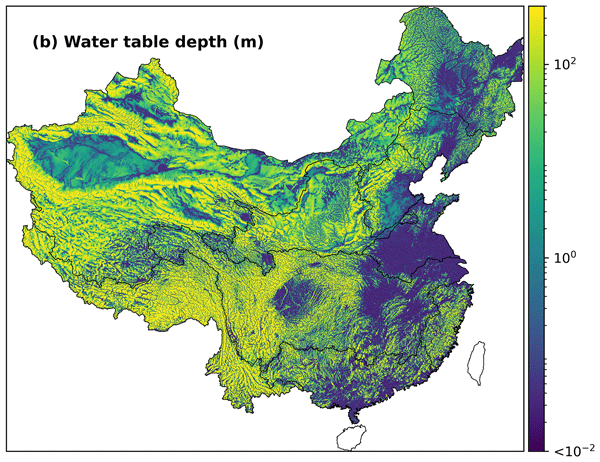
Chen Yang, Zitong Jia, Wenjie Xu, Zhongwang Wei, Xiaolang Zhang, Yiguang Zou, Jeffrey McDonnell, Laura Condon, Yongjiu Dai, and Reed Maxwell
Hydrol. Earth Syst. Sci., 29, 2201–2218, https://doi.org/10.5194/hess-29-2201-2025, https://doi.org/10.5194/hess-29-2201-2025, 2025
Short summary
Short summary
We developed the first high-resolution, integrated surface water–groundwater hydrologic model of the entirety of continental China using ParFlow. The model shows good performance in terms of streamflow and water table depth when compared to global data products and observations. It is essential for water resources management and decision-making in China within a consistent framework in the changing world. It also has significant implications for similar modeling in other places in the world.
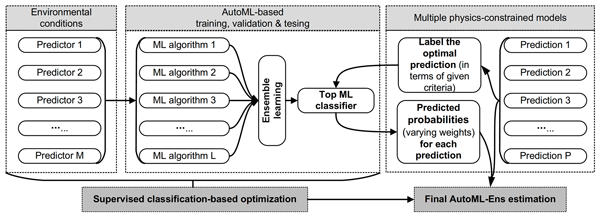
Hao Chen, Tiejun Wang, Yonggen Zhang, Yun Bai, and Xi Chen
Geosci. Model Dev., 16, 5685–5701, https://doi.org/10.5194/gmd-16-5685-2023, https://doi.org/10.5194/gmd-16-5685-2023, 2023
Short summary
Short summary
Effectively assembling multiple models for approaching a benchmark solution remains a long-standing issue for various geoscience domains. We here propose an automated machine learning-assisted ensemble framework (AutoML-Ens) that attempts to resolve this challenge. Results demonstrate the great potential of AutoML-Ens for improving estimations due to its two unique features, i.e., assigning dynamic weights for candidate models and taking full advantage of AutoML-assisted workflow.
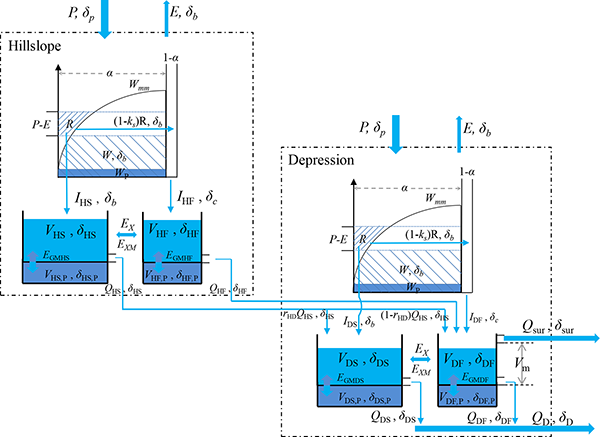
Guangxuan Li, Xi Chen, Zhicai Zhang, Lichun Wang, and Chris Soulsby
Hydrol. Earth Syst. Sci., 26, 5515–5534, https://doi.org/10.5194/hess-26-5515-2022, https://doi.org/10.5194/hess-26-5515-2022, 2022
Short summary
Short summary
We developed a coupled flow–tracer model to understand the effects of passive storage on modeling hydrological function and isotope dynamics in a karst flow system. Models with passive storages show improvement in matching isotope dynamics performance, and the improved performance also strongly depends on the number and location of passive storages. Our results also suggested that the solute transport is primarily controlled by advection and hydrodynamic dispersion in the steep hillslope unit.
Cited articles
Allen, S. T., Kirchner, J. W., and Goldsmith, G. R.: Predicting Spatial Patterns in Precipitation Isotope (δ2H and δ18O) Seasonality Using Sinusoidal Isoscapes, Geophys. Res. Lett., 45, 4859–4868, https://doi.org/10.1029/2018GL077458, 2018.
Asadollahi, M., Stumpp, C., Rinaldo, A., and Benettin, P.: Transport and Water Age Dynamics in Soils: A Comparative Study of Spatially Integrated and Spatially Explicit Models, Water Resour. Res., 56, e2019WR025539, https://doi.org/10.1029/2019WR025539, 2020.
Barbeta, A., Mejía-Chang, M., Ogaya, R., Voltas, J., Dawson, T. E., and Peñuelas, J.: The combined effects of a long-term experimental drought and an extreme drought on the use of plant-water sources in a Mediterranean forest, Glob. Change Biol., 21, 1213–1225, https://doi.org/10.1111/gcb.12785, 2015.
Benettin, P., Soulsby, C., Birkel, C., Tetzlaff, D., Botter, G., and Rinaldo, A.: Using SAS functions and high-resolution isotope data to unravel travel time distributions in headwater catchments, Water Resour. Res., 53, 1864–1878, https://doi.org/10.1002/2016WR020117, 2017.
Bond, B. J., Meinzer, F. C., and Brooks, J. R.: How Trees Influence the Hydrological Cycle in Forest Ecosystems, in: Hydroecology and Ecohydrology, 7–35, https://doi.org/10.1002/9780470010198.ch2, 2008.
Brooks, J. R., Barnard, H. R., Coulombe, R., and McDonnell, J. J.: Ecohydrologic separation of water between trees and streams in a Mediterranean climate, Nat. Geosci., 3, 100–104, https://doi.org/10.1038/ngeo722, 2010.
Cai, L., Xiong, K., Liu, Z., Li, Y., and Fan, B.: Seasonal variations of plant water use in the karst desertification control, Sci. Total Environ., 885, 163778, https://doi.org/10.1016/j.scitotenv.2023.163778, 2023.
Cai, L., Xiong, K., Liu, Z., Li, Y., Zhu, D., Mu, Y., Chen, Y., Zhou, R., and Yan, X.: Water competition among coexisting plants in rock-dominated habitats of subtropical karst desertification, Agr. Ecosyst. Environ., 381, 109419, https://doi.org/10.1016/j.agee.2024.109419, 2025.
Carrière, S., Martin-StPaul, N., Cakpo, C., Patris, N., Gillon, M., Chalikakis, K., Doussan, C., Olioso, A., Babic, M., Jouineau, A., Simioni, G., and Davi, H.: The role of deep vadose zone water in tree transpiration during drought periods in karst settings – Insights from isotopic tracing and leaf water potential, Sci. Total Environ., 699, 134332, https://doi.org/10.1016/j.scitotenv.2019.134332, 2019.
Chen, H. and Wang, S.: Accelerated Transition Between Dry and Wet Periods in a Warming Climate, Geophys. Res. Lett., 49, e2022GL099766, https://doi.org/10.1029/2022GL099766, 2022.
Chen, H., Liu, J., Wang, K., and Zhang, W.: Spatial distribution of rock fragments on steep hillslopes in karst region of northwest Guangxi, China, CATENA, 84, 21–28, https://doi.org/10.1016/j.catena.2010.08.012, 2011.
Chen, L., Brun, P., Buri, P., Fatichi, S., Gessler, A., McCarthy, M., Pellicciotti, F., Stocker, B., and Karger, D. N.: Global increase in the occurrence and impact of multiyear droughts, Science, 387, 278–284, https://doi.org/10.1126/science.ado4245, 2025.
Compilation Committee of the Assessment Report on Climate Change in Southwest China: Summary for policymakers and executive summary of assessment report on climate change in Southwest China 2020, China Meteorological Press, Beijing, China, 2021 (in Chinese).
Darrouzet-Nardi, A., D'Antonio, C. M., and Dawson, T. E.: Depth of water acquisition by invading shrubs and resident herbs in a Sierra Nevada meadow, Plant Soil, 285, 31–43, https://doi.org/10.1007/s11104-005-4453-z, 2006.
Deng, Y., Kuo, Y.-M., Jiang, Z., Qin, X., and Jin, Z.: Using stable isotopes to quantify water uptake by Cyclobalanopsis glauca in typical clusters of karst peaks in China, Environ. Earth Sci., 74, 1039–1046, https://doi.org/10.1007/s12665-014-3780-x, 2015.
Deng, Y., Ke, J., Wu, S., Jiang, G., Jiang, Z., and Zhu, A.: Responses of plant water uptake to groundwater depth in limestone outcrops, J. Hydrol., 590, 125377, https://doi.org/10.1016/j.jhydrol.2020.125377, 2020.
Deng, Z., Guan, H., Hutson, J., Forster, M. A., Wang, Y., and Simmons, C. T.: A vegetation-focused soil-plant-atmospheric continuum model to study hydrodynamic soil-plant water relations, Water Resour. Res., 53, 4965–4983, https://doi.org/10.1002/2017WR020467, 2017.
Ding, Y., Nie, Y., Chen, H., Wang, K., and Querejeta, J. I.: Water uptake depth is coordinated with leaf water potential, water-use efficiency and drought vulnerability in karst vegetation, New Phytol., 229, 1339–1353, https://doi.org/10.1111/nph.16971, 2021.
Ding, Y., Nie, Y., Zhang, W., Wang, K., Wen, L., and Chen, H.: Unveiling plant adaptations: How limestone outperforms dolomite in water supply capacity, Journal of Hydrology: Regional Studies, 61, 102641, https://doi.org/10.1016/j.ejrh.2025.102641, 2025.
Epstein, S. and Mayeda, T.: Variation of O18 content of waters from natural sources, Geochim. Cosmochim. Ac., 4, 213–224, https://doi.org/10.1016/0016-7037(53)90051-9, 1953.
Estrada-Medina, H., Graham, R. C., Allen, M. F., Jiménez-Osornio, J. J., and Robles-Casolco, S.: The importance of limestone bedrock and dissolution karst features on tree root distribution in northern Yucatán, México, Plant Soil, 362, 37–50, https://doi.org/10.1007/s11104-012-1175-x, 2013.
Evaristo, J., Jasechko, S., and McDonnell, J. J.: Global separation of plant transpiration from groundwater and streamflow, Nature, 525, 91–94, https://doi.org/10.1038/nature14983, 2015.
Evaristo, J., McDonnell, J. J., and Clemens, J.: Plant source water apportionment using stable isotopes: A comparison of simple linear, two-mixing model approaches, Hydrol. Process., 31, 3750–3758, https://doi.org/10.1002/hyp.11233, 2017.
Fabiani, G., Klaus, J., and Penna, D.: The influence of hillslope topography on beech water use: a comparative study in two different climates, Hydrol. Earth Syst. Sci., 28, 2683–2703, https://doi.org/10.5194/hess-28-2683-2024, 2024.
Fan, B., Xiong, K., and Liu, Z.: Forest Plant Water Utilization and the Eco-Hydrological Regulation in the Karst Desertification Control Drainage Area, Forests, 14, 747, https://doi.org/10.3390/f14040747, 2023.
Fan, Y. and Miguez-Macho, G.: Infiltration depth, rooting depth, and regolith flushing-A global perspective, PNAS Nexus, 3, pgae514, https://doi.org/10.1093/pnasnexus/pgae514, 2024.
Finkenbiner, C. E., Good, S., Brooks, J., Allen, S., and Sasidharan, S.: The physical basis for ecohydrologic separation: the roles of soil hydraulics and climate, https://doi.org/10.21203/rs.3.rs-1024190/v1, 2021.
Finkenbiner, C. E., Good, S. P., Renée Brooks, J., Allen, S. T., and Sasidharan, S.: The extent to which soil hydraulics can explain ecohydrological separation, Nat. Commun., 13, 6492, https://doi.org/10.1038/s41467-022-34215-7, 2022.
Fu, H., Neil, E. J., Liu, J., and Si, B.: A Continuous Root Water Uptake Isotope Mixing Model, Water Resour. Res., 60, e2023WR036852, https://doi.org/10.1029/2023WR036852, 2024.
Gai, H., Shi, P., and Li, Z.: Untangling the Uncertainties in Plant Water Source Partitioning With Isotopes, Water Resour. Res., 59, e2022WR033849, https://doi.org/10.1029/2022WR033849, 2023.
Geris, J., Tetzlaff, D., McDonnell, J., Anderson, J., Paton, G., and Soulsby, C.: Ecohydrological separation in wet, low energy northern environments? A preliminary assessment using different soil water extraction techniques, Hydrol. Process., 29, 5139–5152, https://doi.org/10.1002/hyp.10603, 2015.
Hahm, W. J., Rempe, D. M., Dralle, D. N., Dawson, T. E., and Dietrich, W. E.: Oak Transpiration Drawn From the Weathered Bedrock Vadose Zone in the Summer Dry Season, Water Resour. Res., 56, e2020WR027419, https://doi.org/10.1029/2020WR027419, 2020.
Hahm, W. J., Dralle, D. N., Sanders, M., Bryk, A. B., Fauria, K. E., Huang, M. H., Hudson-Rasmussen, B., Nelson, M. D., Pedrazas, M. A., Schmidt, L., Whiting, J., Dietrich, W. E., and Rempe, D. M.: Bedrock Vadose Zone Storage Dynamics Under Extreme Drought: Consequences for Plant Water Availability, Recharge, and Runoff, Water Resour. Res., 58, e2021WR031781, https://doi.org/10.1029/2021WR031781, 2022.
Hartmann, A., Goldscheider, N., Wagener, T., Lange, J., and Weiler, M.: Karst water resources in a changing world: Review of hydrological modeling approaches, Rev. Geophys., 52, 218–242, https://doi.org/10.1002/2013RG000443, 2014.
Hasenmueller, E. A., Gu, X., Weitzman, J. N., Adams, T. S., Stinchcomb, G. E., Eissenstat, D. M., Drohan, P. J., Brantley, S. L., and Kaye, J. P.: Weathering of rock to regolith: The activity of deep roots in bedrock fractures, Geoderma, 300, 11–31, https://doi.org/10.1016/j.geoderma.2017.03.020, 2017.
He, K., Chen, X., Zhou, J., Zhao, D., and Yu, X.: Compound successive dry-hot and wet extremes in China with global warming and urbanization, J. Hydrol., 636, 131332, https://doi.org/10.1016/j.jhydrol.2024.131332, 2024.
Hervé-Fernández, P., Oyarzún, C., Brumbt, C., Huygens, D., Bodé, S., Verhoest, N. E. C., and Boeckx, P.: Assessing the “two water worlds” hypothesis and water sources for native and exotic evergreen species in south-central Chile, Hydrol. Process., 30, 4227–4241, https://doi.org/10.1002/hyp.10984, 2016.
Howarth, F. and Bishop, B.: Why the delay in recognizing terrestrial obligate cave species in the tropics?, Int. J. Speleol., 52, https://doi.org/10.5038/1827-806X.52.1.2446, 2023.
Hubbert, K., Beyers, J., and Graham, R.: Roles of weathered bedrock and soil in seasonal water relations of Pinus Jeffreyi and Arctostaphylos patula, Can. J. Forest Res., 31, 1947–1957, https://doi.org/10.1139/x01-136, 2011.
Jiang, Z., Liu, H., Wang, H., Peng, J., Meersmans, J., Green, S. M., Quine, T. A., Wu, X., and Song, Z.: Bedrock geochemistry influences vegetation growth by regulating the regolith water holding capacity, Nat. Commun., 11, 2392, https://doi.org/10.1038/s41467-020-16156-1, 2020.
Jiménez-Rodríguez, C. D., Sulis, M., and Schymanski, S.: Exploring the role of bedrock representation on plant transpiration response during dry periods at four forested sites in Europe, Biogeosciences, 19, 3395–3423, https://doi.org/10.5194/bg-19-3395-2022, 2022.
Kirchner, J. W.: Aggregation in environmental systems – Part 1: Seasonal tracer cycles quantify young water fractions, but not mean transit times, in spatially heterogeneous catchments, Hydrol. Earth Syst. Sci., 20, 279–297, https://doi.org/10.5194/hess-20-279-2016, 2016.
Koeniger, P., Marshall, J. D., Link, T., and Mulch, A.: An inexpensive, fast, and reliable method for vacuum extraction of soil and plant water for stable isotope analyses by mass spectrometry, Rapid Commun. Mass Sp., 25, 3041–3048, https://doi.org/10.1002/rcm.5198, 2011.
Korboulewsky, N., Tétégan, M., Samouelian, A., and Cousin, I.: Plants use water in the pores of rock fragments during drought, Plant Soil, 454, 35–47, https://doi.org/10.1007/s11104-020-04425-3, 2020.
Landwehr, J. M. and Coplen, T. B.: Line-conditioned excess: a new method for characterizing stable hydrogen and oxygen isotope ratios in hydrologic systems (IAEA-CN-118/56), in: Isotopes in Environmental Studies, IAEA, Vienna, 132–135, 2006.
Leite, P. A. M., Rempe, D. M., McInnes, K. J., Schmidt, L. M., Walker, J. W., Olariu, H. G., and Wilcox, B. P.: Trees Enhance Rock Moisture Storage: A Major Pool in Karst Drylands and Crucial During Droughts, Water Resour. Res., 61, e2024WR038692, https://doi.org/10.1029/2024WR038692, 2025.
Li, Y., Wang, S., Peng, T., Zhao, G., and Dai, B.: Hydrological characteristics and available water storage of typical karst soil in SW China under different soil–rock structures, Geoderma, 438, 116633, https://doi.org/10.1016/j.geoderma.2023.116633, 2023.
Lin, W., Wen, C., Wen, Z., and Gang, H.: Drought in Southwest China: A Review, Atmospheric and Oceanic Science Letters, 8, 339–344, https://doi.org/10.3878/AOSL20150043, 2015.
Liu, Q., Wang, T., Liu, C.-q., Mikouendanandi, E. M. R. B., Chen, X., Peng, T., and Zhang, L.: Characterizing the spatiotemporal dynamics of shallow soil water stable isotopic compositions on a karst hillslope in Southwestern China, J. Hydrol., 610, 127964, https://doi.org/10.1016/j.jhydrol.2022.127964, 2022.
Liu, W., M. Behzad, H., Luo, Z., Huang, L., and Nie, Y.-P.: Species-specific leaf iso/anisohydric tendencies and root distribution shape transpiration patterns across karst habitats, https://doi.org/10.22541/au.171474150.06111999/v1, 2024a.
Liu, W., Nie, Y., Behzad, H. M., Luo, Z., Huang, L., Wang, Z., Huang, Y., and Chen, H.: Trade-offs between root water uptake and xylem-leaf water-use traits underpin contrasting plant adaptation strategies in limestone and dolomite habitats, Tree Physiol., 46, https://doi.org/10.1093/treephys/tpag013, 2026.
Liu, X.: Chronic nitrogen legacy in the aquifers of China, Zenodo [code], https://doi.org/10.5281/zenodo.14565556, 2024.
Liu, X.: Guizhou Karst Rock Fracture, Soil Moisture, Sap Flow, and Meteorological Data, Zenodo [data set], https://doi.org/10.5281/zenodo.14827769, 2025a.
Liu, X.: Stable isotope (δ18O, δD) dataset of soil water, rock fracture water, precipitation, and xylem water in a subtropical karst ecosystem, southwest China (2022–2025), Zenodo [data set], https://doi.org/10.5281/zenodo.16810833, 2025b.
Liu, X., Yue, F.-J., Wong, W. W., Guo, T.-L., and Li, S.-L.: Unravelling nitrate transformation mechanisms in karst catchments through the coupling of high-frequency sensor data and machine learning, Water Res., 267, 122507, https://doi.org/10.1016/j.watres.2024.122507, 2024b.
Liu, X., Liu, W., Chen, X., Wang, L., Zhang, Z., and Peng, T.: Estimating fracture characteristics and hydraulic conductivity from slug tests in epikarst of southwest China, Journal of Hydrology: Regional Studies, 53, 101777, https://doi.org/10.1016/j.ejrh.2024.101777, 2024c.
Liu, X., Chen, X., Zhang, Z., Liu, W., Gao, F., Cheng, Q., Chen, J., and Peng, T.: The Role of Rock Fractures as a Water Source for Trees Growing in Karst, Water Resour. Res., 61, e2024WR039588, https://doi.org/10.1029/2024WR039588, 2025.
Liu, Y., Fang, Y., Hu, H., Tian, F., Dong, Z., and Khan, M. Y. A.: Ecohydrological Separation Hypothesis: Review and Prospect, Water, 12, 2077, https://doi.org/10.3390/w12082077, 2020.
Liu, Z., Liu, Z., Jia, G., Liu, Z., and Yu, X.: Employing stable isotopes to reveal temporal trajectories of water travelling through the soil–plant-atmosphere continuum, J. Hydrol., 644, 132058, https://doi.org/10.1016/j.jhydrol.2024.132058, 2024d.
Luo, J., Luo, W., Liu, J., Wang, Y., Li, Z., Tao, J., and Liu, J.: Karst fissures mitigate the negative effects of drought on plant growth and photosynthetic physiology, Oecologia, 205, 69–80, https://doi.org/10.1007/s00442-024-05556-5, 2024a.
Luo, Z., Guan, H., Zhang, X., Xu, X., Dai, J., and Hua, M.: Examination of the ecohydrological separation hypothesis in a humid subtropical area: Comparison of three methods, J. Hydrol., 571, 642–650, https://doi.org/10.1016/j.jhydrol.2019.02.019, 2019.
Luo, Z., Nie, Y., Chen, H., Guan, H., Zhang, X., and Wang, K.: Water Age Dynamics in Plant Transpiration: The Effects of Climate Patterns and Rooting Depth, Water Resour. Res., 59, e2022WR033566, https://doi.org/10.1029/2022WR033566, 2023.
Luo, Z., Fan, J., Shao, M., Yang, Q., and Li, M.: Rock moisture reinforces belowground water storage under different precipitation scenarios and vegetation coverage, J. Hydrol., 636, 131276, https://doi.org/10.1016/j.jhydrol.2024.131276, 2024b.
Małoszewski, P. and Zuber, A.: Determining the turnover time of groundwater systems with the aid of environmental tracers: 1. Models and their applicability, J. Hydrol., 57, 207–231, https://doi.org/10.1016/0022-1694(82)90147-0, 1982.
McCole, A. A. and Stern, L. A.: Seasonal water use patterns of Juniperus ashei on the Edwards Plateau, Texas, based on stable isotopes in water, J. Hydrol., 342, 238–248, https://doi.org/10.1016/j.jhydrol.2007.05.024, 2007.
McCormick, E. L., Dralle, D. N., Hahm, W. J., Tune, A. K., Schmidt, L. M., Chadwick, K. D., and Rempe, D. M.: Widespread woody plant use of water stored in bedrock, Nature, 597, 225–229, https://doi.org/10.1038/s41586-021-03761-3, 2021.
McDonnell, J. J.: The two water worlds hypothesis: ecohydrological separation of water between streams and trees?, WIREs Water, 1, 323–329, https://doi.org/10.1002/wat2.1027, 2014.
McGuire, K. J., DeWalle, D. R., and Gburek, W. J.: Evaluation of mean residence time in subsurface waters using oxygen-18 fluctuations during drought conditions in the mid-Appalachians, J. Hydrol., 261, 132–149, https://doi.org/10.1016/S0022-1694(02)00006-9, 2002.
Midwood, A. J., Boutton, T. W., Archer, S. R., and Watts, S. E.: Water use by woody plants on contrasting soils in a savanna parkland: assessment with δ2H and δ18O, Plant Soil, 205, 13–24, https://doi.org/10.1023/A:1004355423241, 1998.
Moore, J. W. and Semmens, B. X.: Incorporating uncertainty and prior information into stable isotope mixing models, Ecol. Lett., 11, 470–480, https://doi.org/10.1111/j.1461-0248.2008.01163.x, 2008.
Morrison, J., Brockwell, T., Merren, T., Fourel, F., and Phillips, A. M.: On-line high-precision stable hydrogen isotopic analyses on nanoliter water samples, Anal. Chem., 73, 3570–3575, https://doi.org/10.1021/ac001447t, 2001.
Nardini, A., Petruzzellis, F., Marusig, D., Tomasella, M., Natale, S., Altobelli, A., Calligaris, C., Floriddia, G., Cucchi, F., Forte, E., and Zini, L.: Water “on the rocks”: a summer drink for thirsty trees?, New Phytol., 229, 199–212, https://doi.org/10.1111/nph.16859, 2021.
Nardini, A., Tomasella, M., and Di Bert, S.: Bedrock: the hidden water reservoir for trees challenged by drought, Trees, 38, 1–11, https://doi.org/10.1007/s00468-023-02482-6, 2024.
Nie, Y.-P., Chen, H.-S., Wang, K.-L., and Yang, J.: Water source utilization by woody plants growing on dolomite outcrops and nearby soils during dry seasons in karst region of Southwest China, J. Hydrol., 420, 264–274, https://doi.org/10.1016/j.jhydrol.2011.12.011, 2012.
Ning, J., Liu, X., Wu, X., Yang, H., Ma, J., and Cao, J.: The Effect of Bedrock Differences on Plant Water Use Strategies in Typical Karst Areas of Southwest China, Land, 12, https://doi.org/10.3390/land12010012, 2023.
Oshun, J., Dietrich, W. E., Dawson, T. E., and Fung, I.: Dynamic, structured heterogeneity of water isotopes inside hillslopes, Water Resour. Res., 52, 164–189, https://doi.org/10.1002/2015WR017485, 2016.
Parnell, A. C., Phillips, D. L., Bearhop, S., Semmens, B. X., Ward, E. J., Moore, J. W., Jackson, A. L., Grey, J., Kelly, D. J., and Inger, R.: Bayesian stable isotope mixing models, Environmetrics, 24, 387–399, https://doi.org/10.1002/env.2221, 2013.
Parry, J. T.: The limestone pavements of northwestern England, Canadian Geographies, 4, 14–21, https://doi.org/10.1111/j.1541-0064.1960.tb01836.x, 1960.
Pawlik, Ł., Phillips, J. D., and amonil, P.: Roots, rock, and regolith: Biomechanical and biochemical weathering by trees and its impact on hillslopes – A critical literature review, Earth-Sci. Rev., 159, 142–159, https://doi.org/10.1016/j.earscirev.2016.06.002, 2016.
Peng, X., Wang, X., Dai, Q., Ding, G., and Li, C.: Soil structure and nutrient contents in underground fissures in a rock-mantled slope in the karst rocky desertification area, Environ. Earth Sci., 79, https://doi.org/10.1007/s12665-019-8708-z, 2019.
Peng, X., Dai, Q., Ding, G., Shi, D., and Li, C.: Impact of vegetation restoration on soil properties in near-surface fissures located in karst rocky desertification regions, Soil Till. Res., 200, 104620, https://doi.org/10.1016/j.still.2020.104620, 2020.
Philip, J. R.: Plant Water Relations: Some Physical Aspects, Annu. Rev. Plant Phys., 17, 245–268, 1966.
Preisler, Y., Tatarinov, F., Grünzweig, J. M., Bert, D., Ogée, J., Wingate, L., Rotenberg, E., Rohatyn, S., Her, N., Moshe, I., Klein, T., and Yakir, D.: Mortality versus survival in drought-affected Aleppo pine forest depends on the extent of rock cover and soil stoniness, Funct. Ecol., 33, 901–912, https://doi.org/10.1111/1365-2435.13302, 2019.
Putman, A. L. and Bowen, G. J.: Technical Note: A global database of the stable isotopic ratios of meteoric and terrestrial waters, Hydrol. Earth Syst. Sci., 23, 4389–4396, https://doi.org/10.5194/hess-23-4389-2019, 2019.
Querejeta, J. I., Estrada-Medina, H., Allen, M. F., Jiménez-Osornio, J. J., and Ruenes, R.: Utilization of bedrock water by Brosimum alicastrum trees growing on shallow soil atop limestone in a dry tropical climate, Plant Soil, 287, 187–197, https://doi.org/10.1007/s11104-006-9065-8, 2006.
Reddy, M. M., Schuster, P., Kendall, C., and Reddy, M. B.: Characterization of surface and ground water δ18O seasonal variation and its use for estimating groundwater residence times, Hydrol. Process., 20, 1753–1772, https://doi.org/10.1002/hyp.5953, 2006.
Rempe, D. M. and Dietrich, W. E.: Direct observations of rock moisture, a hidden component of the hydrologic cycle, P. Natl. Acad. Sci. USA, 115, 2664–2669, https://doi.org/10.1073/pnas.1800141115, 2018.
Rong, L., Chen, X., Chen, X., Wang, S., and Du, X.: Isotopic analysis of water sources of mountainous plant uptake in a karst plateau of southwest China, Hydrol. Process., 25, 3666–3675, https://doi.org/10.1002/hyp.8093, 2011.
Salomón, R. L., Peters, R. L., Zweifel, R., Sass-Klaassen, U. G. W., Stegehuis, A. I., Smiljanic, M., Poyatos, R., Babst, F., Cienciala, E., Fonti, P., Lerink, B. J. W., Lindner, M., Martinez-Vilalta, J., Mencuccini, M., Nabuurs, G.-J., van der Maaten, E., von Arx, G., Bär, A., Akhmetzyanov, L., Balanzategui, D., Bellan, M., Bendix, J., Berveiller, D., Blaenec, M., Čada, V., Carraro, V., Cecchini, S., Chan, T., Conedera, M., Delpierre, N., Delzon, S., Ditmarová, Ĺ, Dolezal, J., Dufrêne, E., Edvardsson, J., Ehekircher, S., Forner, A., Frouz, J., Ganthaler, A., Gryc, V., Güney, A., Heinrich, I., Hentschel, R., Janda, P., Ježík, M., Kahle, H.-P., Knüsel, S., Krejza, J., Kuberski, Ł., Kučera, J., Lebourgeois, F., Mikolá, M., Matula, R., Mayr, S., Oberhuber, W., Obojes, N., Osborne, B., Paljakka, T., Plichta, R., Rabbel, I., Rathgeber, C. B. K., Salmon, Y., Saunders, M., Scharnweber, T., Sitková, Z., Stangler, D. F., Stereńczak, K., Stojanović, M., Střelcová, K., Světlík, J., Svoboda, M., Tobin, B., Trotsiuk, V., Urban, J., Valladares, F., Vavrčík, H., Vejpustková, M., Walthert, L., Wilmking, M., Zin, E., Zou, J., and Steppe, K.: The 2018 European heatwave led to stem dehydration but not to consistent growth reductions in forests, Nat. Commun., 13, 28, https://doi.org/10.1038/s41467-021-27579-9, 2022.
Salve, R., Rempe, D. M., and Dietrich, W. E.: Rain, rock moisture dynamics, and the rapid response of perched groundwater in weathered, fractured argillite underlying a steep hillslope, Water Resour. Res., 48, https://doi.org/10.1029/2012WR012583, 2012.
Schoeman, J. L., Kruger, M. M., and Loock, A. H.: Water-holding capacity of rock fragments in rehabilitated opencast mine soils, South African Journal of Plant Soil, 14, 98–102, https://doi.org/10.1080/02571862.1997.10635089, 1997.
Schwinning, S.: The ecohydrology of roots in rocks, Ecohydrology, 3, 238–245, https://doi.org/10.1002/eco.134, 2010.
Schwinning, S.: A critical question for the critical zone: how do plants use rock water?, Plant Soil, 454, 49–56, https://doi.org/10.1007/s11104-020-04648-4, 2020.
Snelgrove, J. R., Buttle, J. M., Kohn, M. J., and Tetzlaff, D.: Co-evolution of xylem water and soil water stable isotopic composition in a northern mixed forest biome, Hydrol. Earth Syst. Sci., 25, 2169–2186, https://doi.org/10.5194/hess-25-2169-2021, 2021.
Sprenger, M. and Allen, S. T.: What Ecohydrologic Separation Is and Where We Can Go With It, Water Resour. Res., 56, e2020WR027238, https://doi.org/10.1029/2020WR027238, 2020.
Sprenger, M., Leistert, H., Gimbel, K., and Weiler, M.: Illuminating hydrological processes at the soil-vegetation-atmosphere interface with water stable isotopes, Rev. Geophys., 54, 674–704, https://doi.org/10.1002/2015RG000515, 2016.
Sprenger, M., Tetzlaff, D., Buttle, J., Laudon, H., Leistert, H., Mitchell, C. P. J., Snelgrove, J., Weiler, M., and Soulsby, C.: Measuring and Modeling Stable Isotopes of Mobile and Bulk Soil Water, Vadose Zone J., 17, 170149, https://doi.org/10.2136/vzj2017.08.0149, 2018.
Sprenger, M., Llorens, P., Cayuela, C., Gallart, F., and Latron, J.: Mechanisms of consistently disjunct soil water pools over (pore) space and time, Hydrol. Earth Syst. Sci., 23, 2751–2762, https://doi.org/10.5194/hess-23-2751-2019, 2019.
Stewart, M. K. and McDonnell, J. J.: Modeling Base Flow Soil Water Residence Times From Deuterium Concentrations, Water Resour. Res., 27, 2681–2693, https://doi.org/10.1029/91WR01569, 1991.
Stock, B. C. and Semmens, B. X.: Unifying error structures in commonly used biotracer mixing models, Ecology, 97, 2562–2569, https://doi.org/10.1002/ecy.1517, 2016.
Tang, K. and Feng, X.: The effect of soil hydrology on the oxygen and hydrogen isotopic compositions of plants' source water, Earth Planet. Sc. Lett., 185, 355–367, https://doi.org/10.1016/S0012-821X(00)00385-X, 2001.
Tong, X., Brandt, M., Yue, Y., Horion, S., Wang, K., Keersmaecker, W. D., Tian, F., Schurgers, G., Xiao, X., Luo, Y., Chen, C., Myneni, R., Shi, Z., Chen, H., and Fensholt, R.: Increased vegetation growth and carbon stock in China karst via ecological engineering, Nature Sustainability, 1, 44–50, https://doi.org/10.1038/s41893-017-0004-x, 2018.
Vargas, A. I., Schaffer, B., Yuhong, L., and Sternberg, L. d. S. L.: Testing plant use of mobile vs. immobile soil water sources using stable isotope experiments, New Phytol., 215, 582–594, https://doi.org/10.1111/nph.14616, 2017.
Vrettas, M. D. and Fung, I. Y.: Sensitivity of transpiration to subsurface properties: Exploration with a 1-D model, J. Adv. Model. Earth Sy., 9, 1030–1045, https://doi.org/10.1002/2016MS000901, 2017.
Wang, H., Yu, H., He, D., Li, M., Si, B., McDonnell, J. J., and Nehemy, M. F.: Cryogenic vacuum distillation vs. Cavitron methods in ecohydrology: Extraction protocol effects on plant water isotopic values, J. Hydrol., 642, 131853, https://doi.org/10.1016/j.jhydrol.2024.131853, 2024a.
Wang, J., Lu, N., and Fu, B.: Inter-comparison of stable isotope mixing models for determining plant water source partitioning, Sci. Total Environ., 666, 685–693, https://doi.org/10.1016/j.scitotenv.2019.02.262, 2019a.
Wang, K., Zhang, C., Chen, H., Yue, Y., Zhang, W., Zhang, M., Qi, X., and Fu, Z.: Karst landscapes of China: patterns, ecosystem processes and services, Landscape Ecol., 34, 2743–2763, https://doi.org/10.1007/s10980-019-00912-w, 2019b.
Wang, K., Liu, Z., Zeng, T., Wang, F., Shen, W., and Shao, J.: Performance of enhanced geothermal system with varying injection-production parameters and reservoir properties, Appl. Therm. Eng., 207, 118160, https://doi.org/10.1016/j.applthermaleng.2022.118160, 2022.
Wang, L., Cardenas, M. B., Slottke, D. T., Ketcham, R. A., and Sharp Jr., J. M.: Modification of the Local Cubic Law of fracture flow for weak inertia, tortuosity, and roughness, Water Resour. Res., 51, https://doi.org/10.1002/2014WR015815, 2015.
Wang, P., Song, X., Han, D., Zhang, Y., and Liu, X.: A study of root water uptake of crops indicated by hydrogen and oxygen stable isotopes: A case in Shanxi Province, China, Agr. Water Manage., 97, 475–482, https://doi.org/10.1016/j.agwat.2009.11.008, 2010.
Wang, S., Yan, Y., Zhao, Y., Fu, Z., and Chen, H.: Co-evolution among soil thickness, epikarst weathering degree, and runoff characteristics on a subtropical karst hillslope, J. Hydrol., 628, 130499, https://doi.org/10.1016/j.jhydrol.2023.130499, 2024b.
Wei, S., Chu, X., Sun, B., Yuan, W., Song, W., Zhao, M., Wang, X., Li, P., and Han, G.: Climate warming negatively affects plant water-use efficiency in a seasonal hydroperiod wetland, Water Res., 242, 120246, https://doi.org/10.1016/j.watres.2023.120246, 2023.
Williams, P. W.: The role of the epikarst in karst and cave hydrogeology: a review, Int. J. Speleol., 37, 1–10, https://doi.org/10.5038/1827-806X.37.1.1, 2008.
Wolfsberg, A.: Rock Fractures and Fluid Flow: Contemporary Understanding and Applications, Eos T. Am. Geophys. Un., 78, 569–573, https://doi.org/10.1029/97EO00345, 1997.
Wu, H., Fan, H., Li, J., Yue, F.-J., Lian, E., Fu, C., Lei, R., Ding, M., Liu, J., and Li, X.-Y.: Reproducing surface water isoscapes of δ18O and δ2H across China: A machine learning approach, J. Hydrol., 638, 131565, https://doi.org/10.1016/j.jhydrol.2024.131565, 2024a.
Wu, Z., Behzad, H. M., He, Q., Wu, C., Bai, Y., and Jiang, Y.: Seasonal transpiration dynamics of evergreen Ligustrum lucidum linked with water source and water-use strategy in a limestone karst area, southwest China, J. Hydrol., 597, 126199, https://doi.org/10.1016/j.jhydrol.2021.126199, 2021.
Wu, Z., Lv, T., Zeng, S., Zhang, X., Wu, H., Luo, S., Bai, Y., Zhang, Y., and Jiang, Y.: Differential responses in water-use strategies of evergreen (Ligustrum lucidum) and deciduous (Robinia pseudoacacia) trees to tunnel excavation in a subtropical karst trough valley, J. Hydrol., 636, 131323, https://doi.org/10.1016/j.jhydrol.2024.131323, 2024b.
Xu, W., Xia, X., Piao, S., Wu, D., Li, W., Yang, S., and Yuan, W.: Weakened Increase in Global Near-Surface Water Vapor Pressure During the Last 20 Years, Geophys. Res. Lett., 51, e2023GL107909, https://doi.org/10.1029/2023GL107909, 2024.
Xu, X., Yan, Y., Dai, Q., Yi, X., Hu, Z., and Cen, L.: Spatial and temporal dynamics of rainfall erosivity in the karst region of southwest China: Interannual and seasonal changes, CATENA, 221, 106763, https://doi.org/10.1016/j.catena.2022.106763, 2023.
Xu, X., Zhao, Z., and Skrzypek, G.: Stable isotope disequilibrium between soil bound water and soil bulk water – Implications for estimations of plant water sources, J. Hydrol., 650, 132544, https://doi.org/10.1016/j.jhydrol.2024.132544, 2025.
Yan, Y., Yang, Y., and Dai, Q.: Effects of preferential flow on soil nutrient transport in karst slopes after recultivation, Environ. Res. Lett., 18, 034012, https://doi.org/10.1088/1748-9326/acb8cc, 2023.
Yang, J., Nie, Y., Chen, H., Wang, S., and Wang, K.: Hydraulic properties of karst fractures filled with soils and regolith materials: Implication for their ecohydrological functions, Geoderma, 276, 93–101, https://doi.org/10.1016/j.geoderma.2016.04.024, 2016.
Younger, S. E., Blake, J., Jackson, C. R., and Aubrey, D. P.: δ2H isotopic offsets in xylem water measurements under cryogenic vacuum distillation: Quantifying and correcting wood-water hydrogen exchange influences, Ecohydrology, 17, e2640, https://doi.org/10.1002/eco.2640, 2024.
Zeng, X., Xu, X., Yi, R., Zhong, F., and Zhang, Y.: Sap flow and plant water sources for typical vegetation in a subtropical humid karst area of southwest China, Hydrol. Process., 35, e14090, https://doi.org/10.1002/hyp.14090, 2021.
Zhang, F. and Zhang, C.: Probing water partitioning in unsaturated weathered rock using nuclear magnetic resonance, Geophysics, 86, WB131–WB147, https://doi.org/10.1190/geo2020-0591.1, 2021.
Zhang, J., Wang, J., Chen, J., Song, H., Li, S., Zhao, Y., Tao, J., and Liu, J.: Soil Moisture Determines Horizontal and Vertical Root Extension in the Perennial Grass Lolium perenne L. Growing in Karst Soil, Front. Plant Sci., 10, https://doi.org/10.3389/fpls.2019.00629, 2019a.
Zhang, Y., Zhang, M., Niu, J., Li, H., Xiao, R., Zheng, H., and Bech, J.: Rock fragments and soil hydrological processes: Significance and progress, CATENA, 147, 153–166, https://doi.org/10.1016/j.catena.2016.07.012, 2016.
Zhang, Y., Ge, H., Liu, G., Shen, Y., Chen, H., Wang, J., Liu, D., and Huang, Z.: Experimental Study of Fracturing Fluid Retention in Rough Fractures, Geofluids, 2019, 2603296, https://doi.org/10.1155/2019/2603296, 2019b.
Zhang, Z., Chen, X., Cheng, Q., and Soulsby, C.: Using StorAge Selection (SAS) functions to understand flow paths and age distributions in contrasting karst groundwater systems, J. Hydrol., 602, 126785, https://doi.org/10.1016/j.jhydrol.2021.126785, 2021.
Zhao, Y. and Wang, L.: Insights into the isotopic mismatch between bulk soil water and Salix matsudana Koidz trunk water from root water stable isotope measurements, Hydrol. Earth Syst. Sci., 25, 3975–3989, https://doi.org/10.5194/hess-25-3975-2021, 2021.
Zhao, Z., Deng, J., Zhang, J., and Shen, Y.: Effects of Film-Mulched Rock Outcrops on Rainwater Redistribution and Maize Growth in the Cropland of a Rocky Karst Area, Water, 16, 254, https://doi.org/10.3390/w16020254, 2024.
Zhou, L., Wang, X., Wang, Z., Zhang, X., Chen, C., and Liu, H.: The challenge of soil loss control and vegetation restoration in the karst area of southwestern China, International Soil and Water Conservation Research, 8, 26–34, https://doi.org/10.1016/j.iswcr.2019.12.001, 2020.
Zimmerman, R. W. and Bodvarsson, G. S.: Hydraulic conductivity of rock fractures, Transport Porous Med., 23, 1–30, https://doi.org/10.1007/BF00145263, 1996.
Zwieniecki, M. A. and Newton, M.: Roots growing in rock fissures: Their morphological adaptation, Plant Soil, 172, 181–187, https://doi.org/10.1007/BF00011320, 1995.
Zwieniecki, M. A. and Newton, M.: Water-Holding Characteristics of Metasedimentary Rock in Selected Forest Ecosystems in Southwestern Oregon, Soil Sci. Soc. Am. J., 60, 1578–1582, https://doi.org/10.2136/sssaj1996.03615995006000050042x, 1996.
Short summary
Trees in rocky landscapes often depend on hidden water deep underground, yet the role of bedrock cracks remains unclear. In a karst forest in southwest China, we traced water movement and seasonal use by trees using stable isotopes. We found that large soil-filled fractures can store water for months, providing a crucial supply in the early growing season and helping forests cope with wet–dry changes in rainfall patterns.
Trees in rocky landscapes often depend on hidden water deep underground, yet the role of bedrock...


