
Articles | Volume 30, issue 21
https://doi.org/10.5194/hess-30-7031-2026
© Author(s) 2026. This work is distributed under
the Creative Commons Attribution 4.0 License.
the Creative Commons Attribution 4.0 License.
https://doi.org/10.5194/hess-30-7031-2026
© Author(s) 2026. This work is distributed under
the Creative Commons Attribution 4.0 License.
the Creative Commons Attribution 4.0 License.
Research article
| 
13 Nov 2026
Research article |
| 13 Nov 2026
| 13 Nov 2026
Unravelling groundwater's role in soil-plant-atmosphere continuum: integrated ecohydrological modelling approach using STEMMUS-SCOPE and MODFLOW 6
Mostafa Gomaa Daoud
CORRESPONDING AUTHOR

Faculty of Geo-Information Science and Earth Observation (ITC), University of Twente, P.O. Box 217, 7522 NH Enschede, the Netherlands
Fakhereh Alidoost
Netherlands eScience Center, Amsterdam, 1098XH, the Netherlands
Yijian Zeng
Faculty of Geo-Information Science and Earth Observation (ITC), University of Twente, P.O. Box 217, 7522 NH Enschede, the Netherlands
Bart Schilperoort
Netherlands eScience Center, Amsterdam, 1098XH, the Netherlands
Christiaan Van der Tol
Faculty of Geo-Information Science and Earth Observation (ITC), University of Twente, P.O. Box 217, 7522 NH Enschede, the Netherlands
Maciek W. Lubczynski
Faculty of Geo-Information Science and Earth Observation (ITC), University of Twente, P.O. Box 217, 7522 NH Enschede, the Netherlands
Interdisciplinary Center of Chemistry and Biology (CICA), Civil Engineering School & Department, University of A Coruña, Campus Elviña s/n, 15071 A Coruña, Spain
Mhd Suhyb Salama
Faculty of Geo-Information Science and Earth Observation (ITC), University of Twente, P.O. Box 217, 7522 NH Enschede, the Netherlands
Eric D. Morway
U.S. Geological Survey, Nevada Water Science Center, Carson City, NV, USA
Christian D. Langevin
S.S. Papadopulos & Assoc., Inc., 12 Dove Lane, Saint Paul, MN, USA
Prajwal Khanal
Faculty of Geo-Information Science and Earth Observation (ITC), University of Twente, P.O. Box 217, 7522 NH Enschede, the Netherlands
Zengjing Song
Faculty of Geo-Information Science and Earth Observation (ITC), University of Twente, P.O. Box 217, 7522 NH Enschede, the Netherlands
Lianyu Yu
College of Water Resources and Architectural Engineering, Northwest Agriculture and Forestry University, Yangling, China
Key Laboratory of Agricultural Soil and Water Engineering in Arid Area of Ministry of Education, Northwest Agriculture and Forestry University, Yangling, China
Hong Zhao
Meteorology and Air Quality Section, Wageningen University and Research, Wageningen, the Netherlands
Gualbert Oude Essink
Unit Subsurface and Groundwater Systems, Deltares, P.O. Box 85467, 3508 AL, Utrecht, the Netherlands
Department of Physical Geography, Utrecht University, P.O. Box 80125, 3508 TC Utrecht, the Netherlands
Victor F. Bense
Department of Environmental Sciences, Wageningen University and Research, Wageningen, the Netherlands
Michiel van der Molen
Meteorology and Air Quality Section, Wageningen University and Research, Wageningen, the Netherlands
Javier Samper
Interdisciplinary Center of Chemistry and Biology (CICA), Civil Engineering School & Department, University of A Coruña, Campus Elviña s/n, 15071 A Coruña, Spain
Zhongbo Su
Faculty of Geo-Information Science and Earth Observation (ITC), University of Twente, P.O. Box 217, 7522 NH Enschede, the Netherlands
Related authors
No articles found.
Roberto Colombo, Béatrice Berthelot, Alireza Mahmoodi, Louis Sainte-Marie, Gwennaël Matot, Jorge Vicent Servera, Ornela Nanushi, Brice Mora, Mohamed Salah Djellali, Neus Sabater, Pekka Kolmonen, Timo H. Virtanen, Astrid M. Zimmermann, Pieter De Vis, Micol Rossini, Giulia Tagliabue, Pietro Chierichetti, Sergio Cogliati, Juliane Bendig, Bastian Siegmann, Uwe Rascher, Egor Prikaziuk, Christiaan van der Tol, Darren Ghent, Jasdeep Singh Anand, Tommaso Julitta, Matthias Drusch, Marco Celesti, Dirk Schüttemeyer, and Marin Tudoroiu
Int. Arch. Photogramm. Remote Sens. Spatial Inf. Sci., XLVIII-M-12-2026, 17–24, https://doi.org/10.5194/isprs-archives-XLVIII-M-12-2026-17-2026, https://doi.org/10.5194/isprs-archives-XLVIII-M-12-2026-17-2026, 2026
Roel Dijksma, Adriaan J. Teuling, Lieke A. Melsen, Victor F. Bense, and Martine J. van der Ploeg
Geosci. Commun., 9, 437–450, https://doi.org/10.5194/gc-9-437-2026, https://doi.org/10.5194/gc-9-437-2026, 2026
Short summary
Short summary
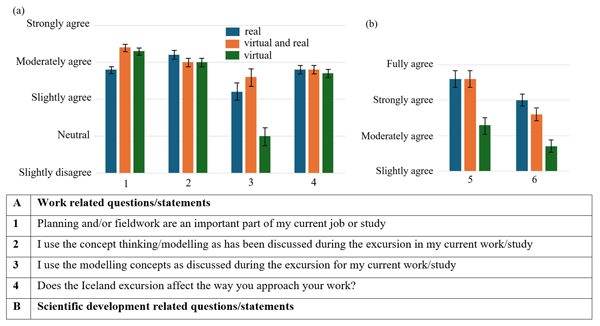
Scientific field work is an expensive and time consuming teaching method is the scientific community. A survey among former participants of a hydrological Master excursion to Iceland, organized by Wageningen University (the Netherlands) showed that real excursions have a long lasting impact on the scientific development of students, in contrast to virtual excursions. As quoted by one of the participants: "You can learn a lot in a classroom, but an excursion makes you remember".
Shijie Jiang, Georgios Blougouras, Tuya Wulan, Yijian Zeng, and Jialiang Zhou
EGUsphere, https://doi.org/10.5194/egusphere-2026-3294, https://doi.org/10.5194/egusphere-2026-3294, 2026
Short summary
Short summary
Land surface models simulate how plants and soils exchange water and carbon with the atmosphere, but they rely on many parameters that are hard to measure. We built a model that combines physics with machine learning so these parameters can be learned from observations, checked for reliability, and mapped from a few measurement sites across whole regions. Over Europe it improved predictions and produced coherent parameter maps, offering a foundation for land models that learn from data.
Matthias Cuntz, Stephan Thober, Anne Verhoef, Yijian Zeng, Aaron Boone, Agnès Ducharne, Sujan Koirala, David M. Lawrence, Philipp de Vrese, Carsten Montzka, Sonia I. Seneviratne, Harry Vereecken, Dani Or, Salma Tafasca, Naoki Mizukami, Rich Ellis, Patrick C. McGuire, and Lukas Gudmundsson
EGUsphere, https://doi.org/10.5194/egusphere-2026-4223, https://doi.org/10.5194/egusphere-2026-4223, 2026
Preprint archived
Short summary
Short summary
Land surface models (LSMs) are essential tools to analyze future climate change. Here we pushed state-of-the-art LSMs out of their comfort zone revealing hidden connections between processes encoded into the models. The LSMs reacted differently due to complex, sometimes counter-intuitive interactions of different water fluxes. We identified surface runoff and soil evaporation as the two main reasons behind model differences, which should be improved by using more mechanistic descriptions.
Laurent Bataille, Bart Kruijt, Alexander Buzacott, Wilma Jans, Wietse Franssen, Jan Biermann, Hanne Berghuis, Quint van Giersbergen, Tom Heuts, Reinder Nouta, Niek Bosma, Ron Lootens, Hong Zhao, Merit van den Berg, Ype van de Velde, Christian Fritz, Gilles Erkens, and Ronald Hutjes
EGUsphere, https://doi.org/10.5194/egusphere-2026-3151, https://doi.org/10.5194/egusphere-2026-3151, 2026
Short summary
Short summary
Drained peatlands release large amounts of carbon dioxide, and raising water levels is widely proposed to reduce these emissions. We measured the yearly carbon balance at twenty sites across Dutch peatlands. Higher water tables were linked to lower emissions, a weak but fairly consistent effect. Site-to-site differences outweighed water level: land use and a clay layer over the peat strongly shaped emissions, so raising water levels works only if each site's intrinsic features are considered.
Michiel K. van der Molen, Henk Snellen, Rupert Holzinger, Johannes G. M. Barten, Hong Zhao, Laurens Ganzeveld, Julie Fry, Wouter Peters, Maarten Krol, Jordi Vila-Guerau de Arrelano, and Bart Kruijt
Earth Syst. Sci. Data Discuss., https://doi.org/10.5194/essd-2026-99, https://doi.org/10.5194/essd-2026-99, 2026
Revised manuscript accepted for ESSD
Short summary
Short summary
In 2021, a second tower was built in Loobos (NL-Loo) to measure carbon dioxide and water fluxes, as an Integrated Carbon Observing System (ICOS) Class 2 Ecosystem station. Instrumentation was installed to measure volatile organic compound and ozone fluxes. This paper describes the site’s geological and cultural history, ecosystem composition, instrumentation and ancillary ecosystem measurements. The paper goes into the quality of the measurements and continuity with respect to the first tower.
Hong Zhao, Han Dolman, Jan Elbers, Wilma Jans, Bart Kruijt, Eddy Moors, Henk Snellen, Jordi Vila-Guerau de Arellano, Wouter Peters, Maarten C. Krol, Ronald Hutjes, and Michiel van der Molen
Earth Syst. Sci. Data, 18, 2023–2045, https://doi.org/10.5194/essd-18-2023-2026, https://doi.org/10.5194/essd-18-2023-2026, 2026
Short summary
Short summary
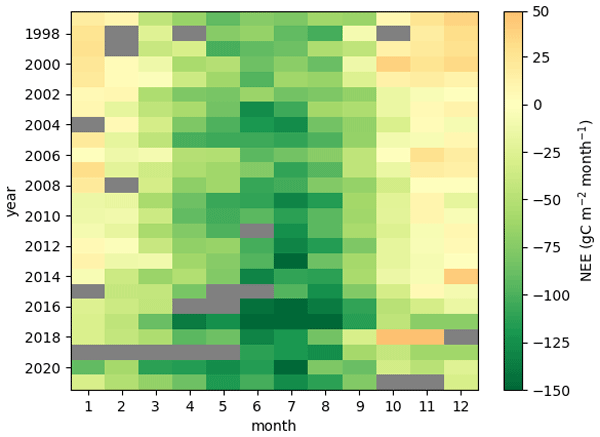
Under the Kyoto Protocol the carbon dioxide (CO2) balance for forest ecosystems was required to be measured. Consequently, CO2 flux measurements have been conducted in Loobos site in the Netherlands since 1996, becoming one of the 17 first FLUXNET sites globally. This paper provides a comprehensive overview of the instrumentation, data processing and the resulting data archive, enabling its further use in data analysis, model development and validation of satellite data retrievals.
Hassane Moutahir, Markus Sulzer, Ralf Kiese, Andreas Christen, Markus Weiler, Lea Dedden, Julian Brzozon, Pia Labenski, Prajwal Khanal, Ladislav Šigut, and Rüdiger Grote
Biogeosciences, 23, 1719–1738, https://doi.org/10.5194/bg-23-1719-2026, https://doi.org/10.5194/bg-23-1719-2026, 2026
Short summary
Short summary
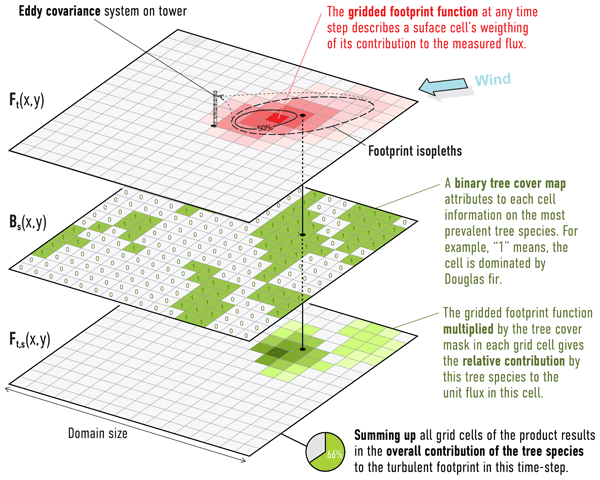
Eddy covariance (EC) data are vital for studying carbon and water fluxes but often mask species-specific responses in mixed forests. At a Black Forest site with beech and Douglas fir, we combined EC data with ecosystem modeling to separate species contributions. Results show EC fluxes reflect species abundance within flux footprints, though responses vary seasonally. Accounting for these differences is key for gap-filling, accurate budgets, and understanding mixed forests’ climate resilience.
Marloes Penning de Vries, Cletah Shoko, Timothy Dube, Kgabo Humphrey Thamaga, and Suhyb Salama
EGUsphere, https://doi.org/10.5194/egusphere-2026-403, https://doi.org/10.5194/egusphere-2026-403, 2026
Preprint archived
Short summary
Short summary
Water hyacinth (WHY) are one of the most costly aquatic invasive species. Regular monitoring of WHY would the management of infested waterboddies. We present an algorithm to derive daily maps of WHY from satellites, featuring an interpolation scheme, which led to 55% more daily WHY maps of Hartbeespoortdam Reservoir. The algorithm is light-weight and can be run on a cloud-computing platform. This allows applications in (sub-)tropical regions with limited access to computing power and/or funding.
Qianqian Han, Yijian Zeng, Yunfei Wang, Fakhereh Alidoost, Francesco Nattino, Yang Liu, and Bob Su
Earth Syst. Sci. Data, 17, 7101–7117, https://doi.org/10.5194/essd-17-7101-2025, https://doi.org/10.5194/essd-17-7101-2025, 2025
Short summary
Short summary
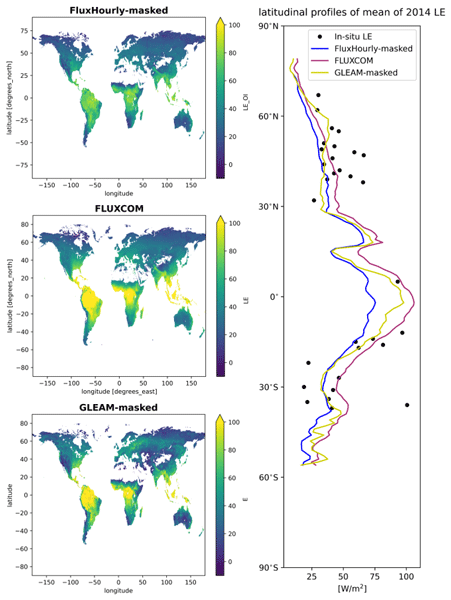
Understanding how land interacts with the atmosphere is crucial for studying climate change, yet global high-resolution data on energy, water, and carbon exchanges remain limited. This study introduces a new dataset FluxHourly that estimates these exchanges hourly from 2000 to 2020 by combining physical process model, field measurements, and machine learning with satellite and meteorological data. Fluxhourly enables analysis of ecosystem responses to climate extremes.
Amanda de Liz Arcari, Juliana Tavora, Daphne van der Wal, and Mhd. Suhyb Salama
EGUsphere, https://doi.org/10.5194/egusphere-2025-4343, https://doi.org/10.5194/egusphere-2025-4343, 2025
Preprint archived
Short summary
Short summary
We developed a new way to evaluate how well remote sensing-based methods estimate water quality. Instead of relying on many separate indicators, which can give conflicting results, we created a single score that combines them into one objective measure. This approach makes it easier to compare methods across different conditions and helps researchers and managers choose the best tools for understanding and monitoring our aquatic environments.
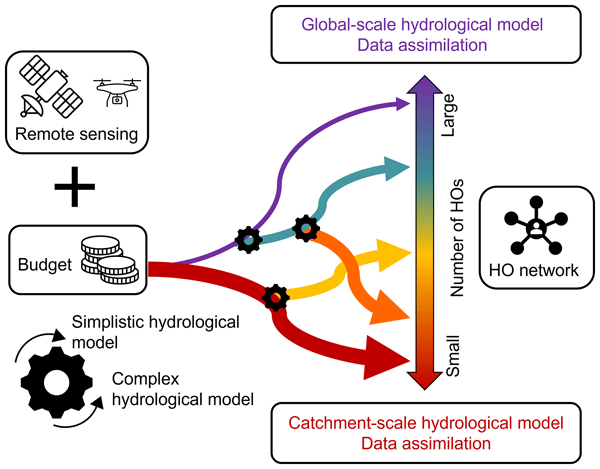
Paolo Nasta, Günter Blöschl, Heye R. Bogena, Steffen Zacharias, Roland Baatz, Gabriëlle De Lannoy, Karsten H. Jensen, Salvatore Manfreda, Laurent Pfister, Ana M. Tarquis, Ilja van Meerveld, Marc Voltz, Yijian Zeng, William Kustas, Xin Li, Harry Vereecken, and Nunzio Romano
Hydrol. Earth Syst. Sci., 29, 465–483, https://doi.org/10.5194/hess-29-465-2025, https://doi.org/10.5194/hess-29-465-2025, 2025
Short summary
Short summary
The Unsolved Problems in Hydrology (UPH) initiative has emphasized the need to establish networks of multi-decadal hydrological observatories to tackle catchment-scale challenges on a global scale. This opinion paper provocatively discusses two endmembers of possible future hydrological observatory (HO) networks for a given hypothesized community budget: a comprehensive set of moderately instrumented observatories or, alternatively, a small number of highly instrumented supersites.
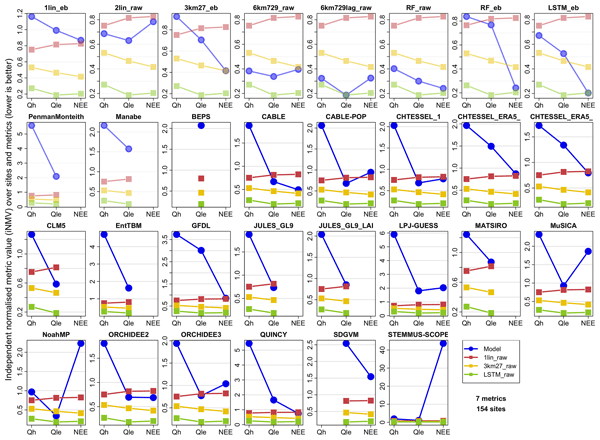
Gab Abramowitz, Anna Ukkola, Sanaa Hobeichi, Jon Cranko Page, Mathew Lipson, Martin G. De Kauwe, Samuel Green, Claire Brenner, Jonathan Frame, Grey Nearing, Martyn Clark, Martin Best, Peter Anthoni, Gabriele Arduini, Souhail Boussetta, Silvia Caldararu, Kyeungwoo Cho, Matthias Cuntz, David Fairbairn, Craig R. Ferguson, Hyungjun Kim, Yeonjoo Kim, Jürgen Knauer, David Lawrence, Xiangzhong Luo, Sergey Malyshev, Tomoko Nitta, Jerome Ogee, Keith Oleson, Catherine Ottlé, Phillipe Peylin, Patricia de Rosnay, Heather Rumbold, Bob Su, Nicolas Vuichard, Anthony P. Walker, Xiaoni Wang-Faivre, Yunfei Wang, and Yijian Zeng
Biogeosciences, 21, 5517–5538, https://doi.org/10.5194/bg-21-5517-2024, https://doi.org/10.5194/bg-21-5517-2024, 2024
Short summary
Short summary
This paper evaluates land models – computer-based models that simulate ecosystem dynamics; land carbon, water, and energy cycles; and the role of land in the climate system. It uses machine learning and AI approaches to show that, despite the complexity of land models, they do not perform nearly as well as they could given the amount of information they are provided with about the prediction problem.
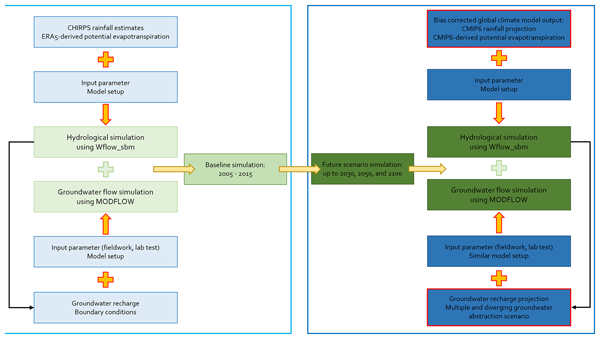
Steven Reinaldo Rusli, Victor F. Bense, Syed M. T. Mustafa, and Albrecht H. Weerts
Hydrol. Earth Syst. Sci., 28, 5107–5131, https://doi.org/10.5194/hess-28-5107-2024, https://doi.org/10.5194/hess-28-5107-2024, 2024
Short summary
Short summary
In this paper, we investigate the impact of climatic and anthropogenic factors on future groundwater availability. The changes are simulated using hydrological and groundwater flow models. We find that future groundwater status is influenced more by anthropogenic factors than climatic factors. The results are beneficial for informing responsible parties in operational water management about achieving future (ground)water governance.
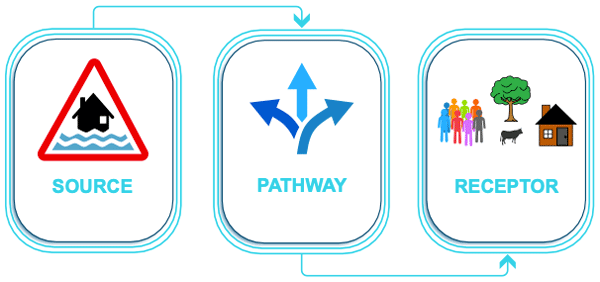
Roderik van de Wal, Angélique Melet, Debora Bellafiore, Paula Camus, Christian Ferrarin, Gualbert Oude Essink, Ivan D. Haigh, Piero Lionello, Arjen Luijendijk, Alexandra Toimil, Joanna Staneva, and Michalis Vousdoukas
State Planet, 3-slre1, 5, https://doi.org/10.5194/sp-3-slre1-5-2024, https://doi.org/10.5194/sp-3-slre1-5-2024, 2024
Short summary
Short summary
Sea level rise has major impacts in Europe, which vary from place to place and in time, depending on the source of the impacts. Flooding, erosion, and saltwater intrusion lead, via different pathways, to various consequences for coastal regions across Europe. This causes damage to assets, the environment, and people for all three categories of impacts discussed in this paper. The paper provides an overview of the various impacts in Europe.
Zengjing Song, Yijian Zeng, Yunfei Wang, Enting Tang, Danyang Yu, Fakhereh Alidoost, Mingguo Ma, Xujun Han, Xuguang Tang, Zhongjing Zhu, Yao Xiao, Debing Kong, and Zhongbo Su
EGUsphere, https://doi.org/10.5194/egusphere-2024-2940, https://doi.org/10.5194/egusphere-2024-2940, 2024
Preprint archived
Short summary
Short summary
The exchange of water and carbon between the plant and the atmosphere is affected under water stress conditions. In this study, a leaf-water-potential-based water stress factor is considered in the STEMMUS-SCOPE (hereafter STEMMUS-SCOPE-PHS), to replace the conventional soil-moisture-based water stress factor. The results show that leaf water potential reflects the plant water stress well, and the STEMMUS-SCOPE-PHS outperforms STEMMUS-SCOPE in the dynamics of the water, energy and carbon fluxes.
Tobias Karl David Weber, Lutz Weihermüller, Attila Nemes, Michel Bechtold, Aurore Degré, Efstathios Diamantopoulos, Simone Fatichi, Vilim Filipović, Surya Gupta, Tobias L. Hohenbrink, Daniel R. Hirmas, Conrad Jackisch, Quirijn de Jong van Lier, John Koestel, Peter Lehmann, Toby R. Marthews, Budiman Minasny, Holger Pagel, Martine van der Ploeg, Shahab Aldin Shojaeezadeh, Simon Fiil Svane, Brigitta Szabó, Harry Vereecken, Anne Verhoef, Michael Young, Yijian Zeng, Yonggen Zhang, and Sara Bonetti
Hydrol. Earth Syst. Sci., 28, 3391–3433, https://doi.org/10.5194/hess-28-3391-2024, https://doi.org/10.5194/hess-28-3391-2024, 2024
Short summary
Short summary
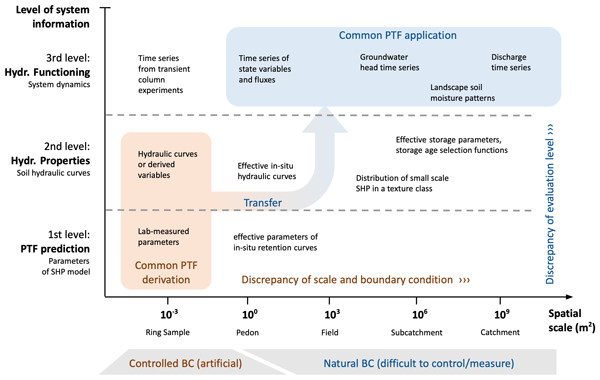
Pedotransfer functions (PTFs) are used to predict parameters of models describing the hydraulic properties of soils. The appropriateness of these predictions critically relies on the nature of the datasets for training the PTFs and the physical comprehensiveness of the models. This roadmap paper is addressed to PTF developers and users and critically reflects the utility and future of PTFs. To this end, we present a manifesto aiming at a paradigm shift in PTF research.
Yunfei Wang, Yijian Zeng, Zengjing Song, Danyang Yu, Qianqian Han, Enting Tang, Henk de Bruin, and Zhongbo Su
EGUsphere, https://doi.org/10.5194/egusphere-2024-1321, https://doi.org/10.5194/egusphere-2024-1321, 2024
Preprint archived
Short summary
Short summary
Various methods were proposed to estimate irrigation water requirements (IWR). However, the simulated IWR exhibits large differences. This study evaluates six potential evapotranspiration (PET) methods and proposes a practical approach to estimate IWR. The radiation-based methods show promise in approximating daily PET accurately, and the STEMMUS-SCOPE model can reliably estimate IWR. This research enhances our understanding of different PET methods and their implications for water management.

Bart Schilperoort, César Jiménez Rodríguez, Bas van de Wiel, and Miriam Coenders-Gerrits
Geosci. Instrum. Method. Data Syst., 13, 85–95, https://doi.org/10.5194/gi-13-85-2024, https://doi.org/10.5194/gi-13-85-2024, 2024
Short summary
Short summary
Heat storage in the soil is difficult to measure due to vertical heterogeneity. To improve measurements, we designed a 3D-printed probe that uses fiber-optic distributed temperature sensing to measure a vertical profile of soil temperature. We validated the temperature measurements against standard instrumentation. With the high-resolution data we were able to determine the thermal diffusivity of the soil at a resolution of 2.5 cm, which is much higher compared to traditional methods.
Prajwal Khanal, Anne J. Hoek Van Dijke, Timo Schaffhauser, Wantong Li, Sinikka J. Paulus, Chunhui Zhan, and René Orth
Biogeosciences, 21, 1533–1547, https://doi.org/10.5194/bg-21-1533-2024, https://doi.org/10.5194/bg-21-1533-2024, 2024
Short summary
Short summary
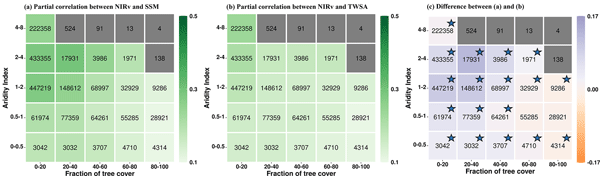
Water availability is essential for vegetation functioning, but the depth of vegetation water uptake is largely unknown due to sparse ground measurements. This study correlates vegetation growth with soil moisture availability globally to infer vegetation water uptake depth using only satellite-based data. We find that the vegetation water uptake depth varies across climate regimes and vegetation types and also changes during dry months at a global scale.
Enting Tang, Yijian Zeng, Yunfei Wang, Zengjing Song, Danyang Yu, Hongyue Wu, Chenglong Qiao, Christiaan van der Tol, Lingtong Du, and Zhongbo Su
Biogeosciences, 21, 893–909, https://doi.org/10.5194/bg-21-893-2024, https://doi.org/10.5194/bg-21-893-2024, 2024
Short summary
Short summary
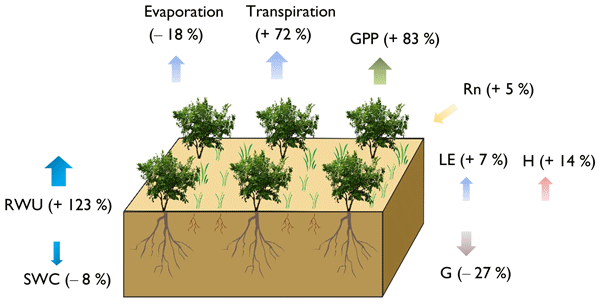
Our study shows that planting shrubs in a semiarid grassland reduced the soil moisture and increased plant water uptake and transpiration. Notably, the water used by the ecosystem exceeded the rainfall received during the growing seasons, indicating an imbalance in the water cycle. The findings demonstrate the effectiveness of the STEMMUS–SCOPE model as a tool to represent ecohydrological processes and highlight the need to consider energy and water budgets for future revegetation projects.
Jarno Verkaik, Edwin H. Sutanudjaja, Gualbert H. P. Oude Essink, Hai Xiang Lin, and Marc F. P. Bierkens
Geosci. Model Dev., 17, 275–300, https://doi.org/10.5194/gmd-17-275-2024, https://doi.org/10.5194/gmd-17-275-2024, 2024
Short summary
Short summary
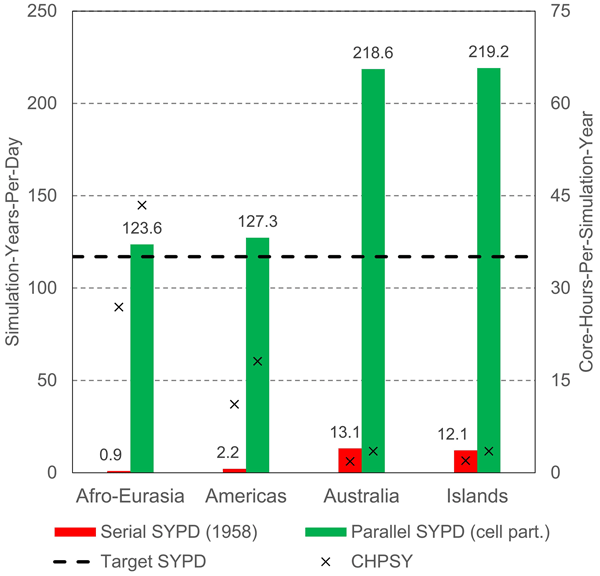
This paper presents the parallel PCR-GLOBWB global-scale groundwater model at 30 arcsec resolution (~1 km at the Equator). Named GLOBGM v1.0, this model is a follow-up of the 5 arcmin (~10 km) model, aiming for a higher-resolution simulation of worldwide fresh groundwater reserves under climate change and excessive pumping. For a long transient simulation using a parallel prototype of MODFLOW 6, we show that our implementation is efficient for a relatively low number of processor cores.
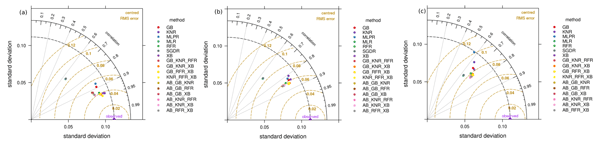
Qianqian Han, Yijian Zeng, Lijie Zhang, Calimanut-Ionut Cira, Egor Prikaziuk, Ting Duan, Chao Wang, Brigitta Szabó, Salvatore Manfreda, Ruodan Zhuang, and Bob Su
Geosci. Model Dev., 16, 5825–5845, https://doi.org/10.5194/gmd-16-5825-2023, https://doi.org/10.5194/gmd-16-5825-2023, 2023
Short summary
Short summary
Using machine learning, we estimated global surface soil moisture (SSM) to aid in understanding water, energy, and carbon exchange. Ensemble models outperformed individual algorithms in predicting SSM under different climates. The best-performing ensemble included K-neighbours Regressor, Random Forest Regressor, and Extreme Gradient Boosting. This is important for hydrological and climatological applications such as water cycle monitoring, irrigation management, and crop yield prediction.
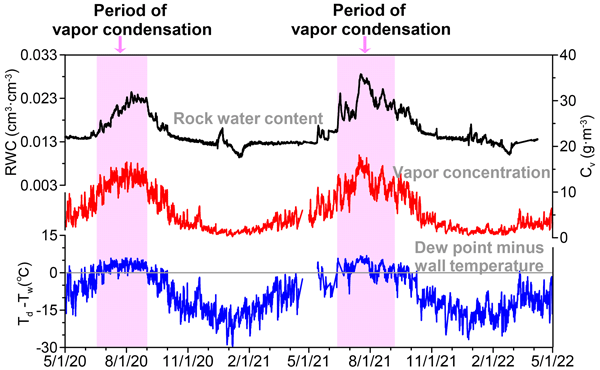
Kai-Gao Ouyang, Xiao-Wei Jiang, Gang Mei, Hong-Bin Yan, Ran Niu, Li Wan, and Yijian Zeng
Hydrol. Earth Syst. Sci., 27, 2579–2590, https://doi.org/10.5194/hess-27-2579-2023, https://doi.org/10.5194/hess-27-2579-2023, 2023
Short summary
Short summary
Our knowledge on sources and dynamics of rock moisture is limited. By using frequency domain reflectometry (FDR), we monitored rock moisture in a cave. The results of an explainable deep learning model reveal that the direct source of rock moisture responsible for weathering in the studied cave is vapour, not infiltrating precipitation. A physics-informed deep learning model, which uses variables controlling vapor condensation as model inputs, leads to accurate rock water content predictions.
Lianyu Yu, Yijian Zeng, Huanjie Cai, Mengna Li, Yuanyuan Zha, Jicai Zeng, Hui Qian, and Zhongbo Su
Geosci. Model Dev. Discuss., https://doi.org/10.5194/gmd-2022-221, https://doi.org/10.5194/gmd-2022-221, 2023
Revised manuscript not accepted
Short summary
Short summary
We developed a coupled soil water-groundwater (SW-GW) model, which is verified as physically accurate and applicable in large-scale groundwater problems. The role of vadose zone processes, coupling approach, and spatiotemporal heterogeneity of SW-GW interactions were highlighted as essential to represent the SW-GW system. Given the relevant dataset, the developed SW-GW modeling framework has the potential to portray the processes "from bedrock to atmosphere" in a physically consistent manner.

Rogier van der Velde, Harm-Jan F. Benninga, Bas Retsios, Paul C. Vermunt, and M. Suhyb Salama
Earth Syst. Sci. Data, 15, 1889–1910, https://doi.org/10.5194/essd-15-1889-2023, https://doi.org/10.5194/essd-15-1889-2023, 2023
Short summary
Short summary
From 2009, a network of 20 profile soil moisture and temperature monitoring stations has been operational in the Twente region, east of the Netherlands. In addition, field campaigns have been conducted covering four growing seasons during which soil moisture was measured near 12 monitoring stations. We describe the monitoring network and field campaigns, and we provide an overview of open third-party datasets that may support the use of the Twente datasets.
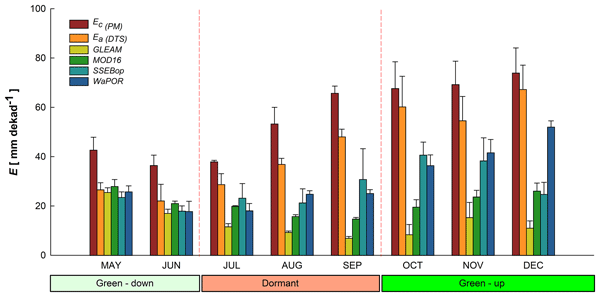
Henry Zimba, Miriam Coenders-Gerrits, Kawawa Banda, Bart Schilperoort, Nick van de Giesen, Imasiku Nyambe, and Hubert H. G. Savenije
Hydrol. Earth Syst. Sci., 27, 1695–1722, https://doi.org/10.5194/hess-27-1695-2023, https://doi.org/10.5194/hess-27-1695-2023, 2023
Short summary
Short summary
Miombo woodland plants continue to lose water even during the driest part of the year. This appears to be facilitated by the adapted features such as deep rooting (beyond 5 m) with access to deep soil moisture, potentially even ground water. It appears the trend and amount of water that the plants lose is correlated more to the available energy. This loss of water in the dry season by miombo woodland plants appears to be incorrectly captured by satellite-based evaporation estimates.
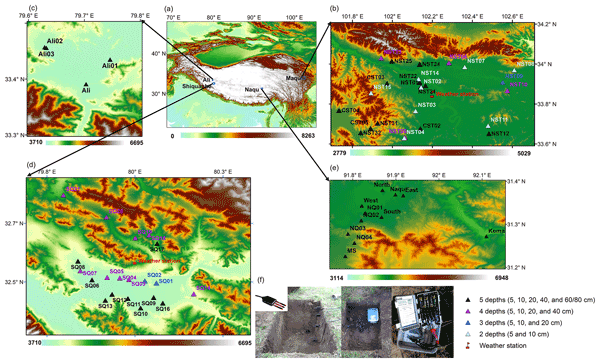
Pei Zhang, Donghai Zheng, Rogier van der Velde, Jun Wen, Yaoming Ma, Yijian Zeng, Xin Wang, Zuoliang Wang, Jiali Chen, and Zhongbo Su
Earth Syst. Sci. Data, 14, 5513–5542, https://doi.org/10.5194/essd-14-5513-2022, https://doi.org/10.5194/essd-14-5513-2022, 2022
Short summary
Short summary
Soil moisture and soil temperature (SMST) are important state variables for quantifying the heat–water exchange between land and atmosphere. Yet, long-term, regional-scale in situ SMST measurements at multiple depths are scarce on the Tibetan Plateau (TP). The presented dataset would be valuable for the evaluation and improvement of long-term satellite- and model-based SMST products on the TP, enhancing the understanding of TP hydrometeorological processes and their response to climate change.
Hong Zhao, Yijian Zeng, Jan G. Hofste, Ting Duan, Jun Wen, and Zhongbo Su
Hydrol. Earth Syst. Sci. Discuss., https://doi.org/10.5194/hess-2022-333, https://doi.org/10.5194/hess-2022-333, 2022
Revised manuscript not accepted
Short summary
Short summary
This paper demonstrated the capability of our developed platform for simulating microwave emission and backscatter signals at multi-frequency. The results of associated investigations on impacts of vegetation water (VW) and temperature (T) imply the need to first disentangle the impact of T for the use of high-frequency signals as its variation is more due to dynamic T. Estimated vegetation optical depth is frequency-dependent, while its diurnal variation depends on that of VW despite frequency.
Rolf Hut, Niels Drost, Nick van de Giesen, Ben van Werkhoven, Banafsheh Abdollahi, Jerom Aerts, Thomas Albers, Fakhereh Alidoost, Bouwe Andela, Jaro Camphuijsen, Yifat Dzigan, Ronald van Haren, Eric Hutton, Peter Kalverla, Maarten van Meersbergen, Gijs van den Oord, Inti Pelupessy, Stef Smeets, Stefan Verhoeven, Martine de Vos, and Berend Weel
Geosci. Model Dev., 15, 5371–5390, https://doi.org/10.5194/gmd-15-5371-2022, https://doi.org/10.5194/gmd-15-5371-2022, 2022
Short summary
Short summary
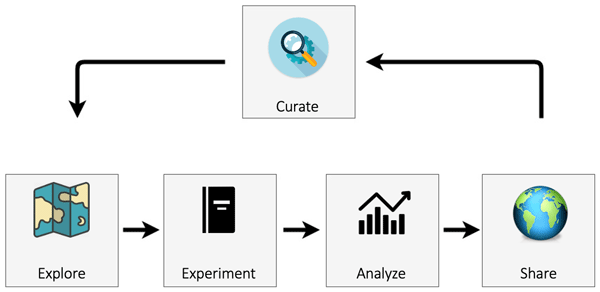
With the eWaterCycle platform, we are providing the hydrological community with a platform to conduct their research that is fully compatible with the principles of both open science and FAIR science. The eWatercyle platform gives easy access to well-known hydrological models, big datasets and example experiments. Using eWaterCycle hydrologists can easily compare the results from different models, couple models and do more complex hydrological computational research.

Alessandro Montemagno, Christophe Hissler, Victor Bense, Adriaan J. Teuling, Johanna Ziebel, and Laurent Pfister
Biogeosciences, 19, 3111–3129, https://doi.org/10.5194/bg-19-3111-2022, https://doi.org/10.5194/bg-19-3111-2022, 2022
Short summary
Short summary
We investigated the biogeochemical processes that dominate the release and retention of elements (nutrients and potentially toxic elements) during litter degradation. Our results show that toxic elements are retained in the litter, while nutrients are released in solution during the first stages of degradation. This seems linked to the capability of trees to distribute the elements between degradation-resistant and non-degradation-resistant compounds of leaves according to their chemical nature.

Alby Duarte Rocha, Stenka Vulova, Christiaan van der Tol, Michael Förster, and Birgit Kleinschmit
Hydrol. Earth Syst. Sci., 26, 1111–1129, https://doi.org/10.5194/hess-26-1111-2022, https://doi.org/10.5194/hess-26-1111-2022, 2022
Short summary
Short summary
Evapotranspiration (ET) is a sum of soil evaporation and plant transpiration. ET produces a cooling effect to mitigate heat waves in urban areas. Our method uses a physical model with remote sensing and meteorological data to predict hourly ET. Designed for uniform vegetation, it overestimated urban ET. To correct it, we create a factor using vegetation fraction that proved efficient for reducing bias and improving accuracy. This approach was tested on two Berlin sites and can be used to map ET.
P. E. K. Campbell, K. F. Huemmrich, E. M. Middleton, J. Alfieri, C. van der Tol, and C. S. R. Neigh
Int. Arch. Photogramm. Remote Sens. Spatial Inf. Sci., XLVI-1-W1-2021, 1–8, https://doi.org/10.5194/isprs-archives-XLVI-1-W1-2021-1-2022, https://doi.org/10.5194/isprs-archives-XLVI-1-W1-2021-1-2022, 2022
Shaoning Lv, Clemens Simmer, Yijian Zeng, Jun Wen, Yuanyuan Guo, and Zhongbo Su
The Cryosphere Discuss., https://doi.org/10.5194/tc-2021-369, https://doi.org/10.5194/tc-2021-369, 2022
Preprint withdrawn
Short summary
Short summary
The freeze-thaw of the ground is an interesting topic to climatology, hydrology, and other earth sciences. The global freeze-thaw distribution is available by passive microwave remote sensing technique. However, the remote sensing technique indirectly detects freeze-thaw states by measuring the brightness temperature difference between frozen and unfrozen soil. Thus, we present different interprets of the brightness signals to the FT-state by using its sub-daily character.
Lianyu Yu, Yijian Zeng, and Zhongbo Su
Geosci. Model Dev., 14, 7345–7376, https://doi.org/10.5194/gmd-14-7345-2021, https://doi.org/10.5194/gmd-14-7345-2021, 2021
Short summary
Short summary
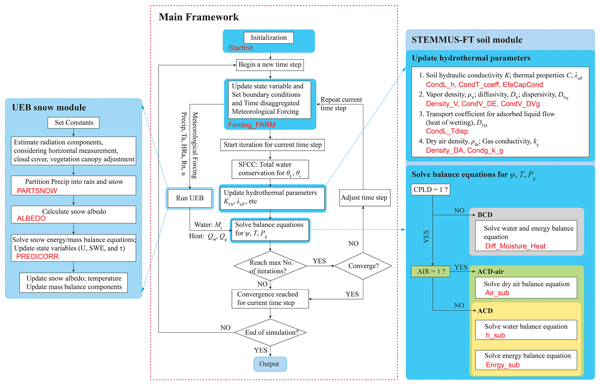
We developed an integrated soil–snow–atmosphere model (STEMMUS-UEB) dedicated to the physical description of snow and soil processes with various complexities. With STEMMUS-UEB, we demonstrated that the snowpack affects not only the soil surface moisture conditions (in the liquid and ice phase) and energy-related states (albedo, LE) but also the subsurface soil water and vapor transfer, which contributes to a better understanding of the hydrothermal implications of the snowpack in cold regions.
Cited articles
Agbotui, P. Y., Firouzbehi, F., and Medici, G.: Review of Effective Porosity in Sandstone Aquifers: Insights for Representation of Contaminant Transport, Sustainability, 17, 6469, https://doi.org/10.3390/su17146469, 2025.
Akaike, H.: Information Theory and an Extension of the Maximum Likelihood Principle, in: Selected Papers of Hirotugu Akaike, Springer Science and Business Media Deutschland GmbH, vol. 1998, 199–213, https://doi.org/10.1007/978-1-4612-1694-0_15, 1973.
Akhter, T., Pokhrel, Y., Felfelani, F., Ducharne, A., Lo, M. H., and Reinecke, R.: Implications of Lateral Groundwater Flow Across Varying Spatial Resolutions in Global Land Surface Modeling, Water Resour. Res., 61, e2024WR038523, https://doi.org/10.1029/2024WR038523, 2025.
Alkhaier, F., Flerchinger, G. N., and Su, Z.: Shallow groundwater effect on land surface temperature and surface energy balance under bare soil conditions: modeling and description, Hydrol. Earth Syst. Sci., 16, 1817–1831, https://doi.org/10.5194/hess-16-1817-2012, 2012.
Atkins, J. W., Bohrer, G., Fahey, R. T., Hardiman, B. S., Morin, T. H., Stovall, A. E. L., Zimmerman, N., and Gough, C. M.: Quantifying vegetation and canopy structural complexity from terrestrial LiDAR data using the forestr r package, Methods Ecol. Evol., 9, 2057–2066, https://doi.org/10.1111/2041-210X.13061, 2018.
Balugani, E., Lubczynski, M. W., Reyes-Acosta, L., van der Tol, C., Francés, A. P., and Metselaar, K.: Groundwater and unsaturated zone evaporation and transpiration in a semi-arid open woodland, J. Hydrol., 547, 54–66, https://doi.org/10.1016/j.jhydrol.2017.01.042, 2017.
Balugani, E., Lubczynski, M. W., and Metselaar, K.: Evaporation Through a Dry Soil Layer: Column Experiments, Water Resour. Res., 57, e2020WR028286, https://doi.org/10.1029/2020WR028286, 2021.
Balugani, E., Lubczynski, M. W., and Metselaar, K.: Lysimeter and In-situ Field Experiments to Study Soil Evaporation through a Dry Soil Layer under Semi-Arid Climate, Water Resour. Res., e2022WR033878, https://doi.org/10.1029/2022WR033878, 2023.
Bense, V. F. and Kurylyk, B. L.: Tracking the Subsurface Signal of Decadal Climate Warming to Quantify Vertical Groundwater Flow Rates, Geophys. Res. Lett., 44, 12244–12253, https://doi.org/10.1002/2017GL076015, 2017.
Benz, S. A., Irvine, D. J., Rau, G. C., Bayer, P., Menberg, K., Blum, P., Jamieson, R. C., Griebler, C., and Kurylyk, B. L.: Global groundwater warming due to climate change, Nat. Geosci., 17, 545–551, https://doi.org/10.1038/s41561-024-01453-x, 2024.
Bieri, C. A., Dominguez, F., Miguez-Macho, G., and Fan, Y.: Implementing deep soil and dynamic root uptake in Noah-MP (v4.5): impact on Amazon dry-season transpiration, Geosci. Model Dev., 18, 3755–3779, https://doi.org/10.5194/gmd-18-3755-2025, 2025.
Bojinski, S., Verstraete, M., Peterson, T. C., Richter, C., Simmons, A., and Zemp, M.: The Concept of Essential Climate Variables in Support of Climate Research, Applications, and Policy, Bull. Am. Meteorol. Soc., 95, 1431–1443, https://doi.org/10.1175/BAMS-D-13-00047.1, 2014.
Bosveld, F. C.: The Cabauw In-situ Observational Program 2000–Present: Instruments, Calibrations and Set-up, KNMI, TR-384, 79 pp., https://www.knmi.nl/research/publications/the-cabauw-in-situ-observational-program-2000-present-instruments-calibrations-and-set-up (last access: 10 March 2024), 2020.
Brakkee, E., van Huijgevoort, M. H. J., and Bartholomeus, R. P.: Improved understanding of regional groundwater drought development through time series modelling: the 2018–2019 drought in the Netherlands, Hydrol. Earth Syst. Sci., 26, 551–569, https://doi.org/10.5194/hess-26-551-2022, 2022.
Brunner, P. and Simmons, C. T.: HydroGeoSphere: A Fully Integrated, Physically Based Hydrological Model, Ground Water, 50, 170–176, https://doi.org/10.1111/j.1745-6584.2011.00882.x, 2012.
Buishand, A., Jilderda, R., and Wijngaard, J.: Regional differences in the extreme rainfall climatology in the Netherlands, KNMI, https://www.knmi.nl/kennis-en-datacentrum/achtergrond/regional-differences-in-the-extreme-rainfall-climatology-in-the-netherlands (last access: 15 May 2025), 2010.
Camporese, M., Paniconi, C., Putti, M., and Orlandini, S.: Surface-subsurface flow modeling with path-based runoff routing, boundary condition-based coupling, and assimilation of multisource observation data, Water Resour. Res., 46, 2512, https://doi.org/10.1029/2008WR007536, 2010.
Chen, M., Xue, Y., Xue, Y., Peng, J., Guo, J., and Liang, H.: Assessing the effects of climate and human activity on vegetation change in Northern China, Environ. Res., 247, 118233, https://doi.org/10.1016/J.ENVRES.2024.118233, 2024.
Colombo, R., Julitta, T., Pacheco, J., Cogliati, S., Sabater, N., and van der Tol, C.: Technical Assistance for the Development of Ground based Systems for Long term measurements of Red and Far red Sun Induced chlorophyll Fluorescence (DEFLOX) CCN4, https://www.jb-hyperspectral.com/research-field/ (last access: 1 February 2024), 2024.
Dai, T., Dai, X., Lu, H., He, T., Li, W., Li, C., Huang, S., Huang, Y., Tong, C., Qu, G., Shan, Y., Liang, S., and Liu, D.: The impact of climate change and human activities on the change in the net primary productivity of vegetation – taking Sichuan Province as an example, Environ. Sci. Pollut. Res., 31, 7514–7532, https://doi.org/10.1007/S11356-023-31520-6, 2024.
Daoud, M. G.: Replication Data for: Unravelling groundwater's role in soil-plant-atmosphere continuum: Integrated ecohydrological modelling approach using STEMMUS-SCOPE and MODFLOW 6, V1, DANS Data Station Physical and Technical Sciences [data set], https://doi.org/10.17026/PT/MI7YVQ, 2026.
Daoud, M. G., Lubczynski, M. W., Zoltan, V., and Francés, A. P.: Application of a novel cascade-routing and reinfiltration concept with a Voronoi unstructured grid in MODFLOW 6, for an assessment of surface-water/groundwater interactions in a hard-rock catchment (Sardon, Spain), Hydrogeol. J., 1–27, https://doi.org/10.1007/S10040-021-02430-Z, 2022.
Daoud, M. G., White, J. T., Morway, E. D., van der Tol, C., and Lubczynski, M. W.: Remote sensing evapotranspiration in ensemble-based framework to enhance cascade routing and re-infiltration concept in integrated hydrological model applied to support decision making, J. Hydrol., 637, 131411, https://doi.org/10.1016/J.JHYDROL.2024.131411, 2024.
de Conto, T., Armston, J., and Dubayah, R.: Characterizing the structural complexity of the Earth's forests with spaceborne lidar, Nat. Commun., 15, 1–15, https://doi.org/10.1038/s41467-024-52468-2, 2024.
de Wit, A., Boogaard, H., Fumagalli, D., Janssen, S., Knapen, R., van Kraalingen, D., Supit, I., van der Wijngaart, R., and van Diepen, K.: 25 years of the WOFOST cropping systems model, Agric. Syst., 168, 154–167, https://doi.org/10.1016/J.AGSY.2018.06.018, 2019.
Dronova, I. and Taddeo, S.: Remote sensing of phenology: Towards the comprehensive indicators of plant community dynamics from species to regional scales, J. Ecol., 110, 1460–1484, https://doi.org/10.1111/1365-2745.13897, 2022.
Du, S., Jiang, S., Ren, L., Cui, H., Zhu, Y., He, M., and Xu, C. Y.: Incorporating plant access to groundwater in global root zone storage capacity estimate, Agric. For. Meteorol., 374, 110807, https://doi.org/10.1016/j.agrformet.2025.110807, 2025.
Egidio, E., De Luca, D. A., and Lasagna, M.: How groundwater temperature is affected by climate change: A systematic review, Heliyon, 10, https://doi.org/10.1016/j.heliyon.2024.e27762, 2024.
Elrashidy, M. T., Ireson, A. M., and Razavi, S.: On the optimal level of complexity for the representation of groundwater-dependent wetland systems in land surface models, Hydrol. Earth Syst. Sci., 27, 4595–4608, https://doi.org/10.5194/hess-27-4595-2023, 2023.
Fatichi, S., Ivanov, V. Y., and Caporali, E.: A mechanistic ecohydrological model to investigate complex interactions in cold and warm water-controlled environments: 1. Theoretical framework and plot-scale analysis, J. Adv. Model. Earth Syst., 4, 5002, https://doi.org/10.1029/2011MS000086, 2012.
Gao, X., Bai, Y., Huo, Z., Xu, X., Huang, G., Xia, Y., and Steenhuis, T. S.: Deficit irrigation enhances contribution of shallow groundwater to crop water consumption in arid area, Agric. Water Manag., 185, 116–125, https://doi.org/10.1016/j.agwat.2017.02.012, 2017.
Gasper, F., Goergen, K., Shrestha, P., Sulis, M., Rihani, J., Geimer, M., and Kollet, S.: Implementation and scaling of the fully coupled Terrestrial Systems Modeling Platform (TerrSysMP v1.0) in a massively parallel supercomputing environment – a case study on JUQUEEN (IBM Blue Gene/Q), Geosci. Model Dev., 7, 2531–2543, https://doi.org/10.5194/gmd-7-2531-2014, 2014.
GCOS: Essential Climate Variables, https://gcos.wmo.int/site/global-climate-observing-system-gcos/essential-climate-variables (last access: 15 May 2025), 2025.
GDN: DINOloket – Data and Information of the Dutch Subsurface, https://www.dinoloket.nl/en (last access: 10 March 2024), 2024.
Glanville, K., Sheldon, F., Butler, D., and Capon, S.: Effects and significance of groundwater for vegetation: A systematic review, Sci. Total Environ., 875, 162577, https://doi.org/10.1016/j.scitotenv.2023.162577, 2023.
Golaz, J. C., Van Roekel, L. P., Zheng, X., Roberts, A. F., Wolfe, J. D., Lin, W., Bradley, A. M., Tang, Q., Maltrud, M. E., Forsyth, R. M., Zhang, C., Zhou, T., Zhang, K., Zender, C. S., Wu, M., Wang, H., Turner, A. K., Singh, B., Richter, J. H., Qin, Y., Petersen, M. R., Mametjanov, A., Ma, P. L., Larson, V. E., Krishna, J., Keen, N. D., Jeffery, N., Hunke, E. C., Hannah, W. M., Guba, O., Griffin, B. M., Feng, Y., Engwirda, D., Di Vittorio, A. V., Dang, C., Conlon, L. A. M., Chen, C. C. J., Brunke, M. A., Bisht, G., Benedict, J. J., Asay-Davis, X. S., Zhang, Y., Zhang, M., Zeng, X., Xie, S., Wolfram, P. J., Vo, T., Veneziani, M., Tesfa, T. K., Sreepathi, S., Salinger, A. G., Reeves Eyre, J. E. J., Prather, M. J., Mahajan, S., Li, Q., Jones, P. W., Jacob, R. L., Huebler, G. W., Huang, X., Hillman, B. R., Harrop, B. E., Foucar, J. G., Fang, Y., Comeau, D. S., Caldwell, P. M., Bartoletti, T., Balaguru, K., Taylor, M. A., McCoy, R. B., Leung, L. R., and Bader, D. C.: The DOE E3SM Model Version 2: Overview of the Physical Model and Initial Model Evaluation, J. Adv. Model. Earth Syst., 14, e2022MS003156, https://doi.org/10.1029/2022MS003156, 2022.
Graham, D. N. and Butts, M. B.: Flexible Integrated Watershed Modeling with MIKE SHE, in: Watershed models, edited by: Singh, V. P. and Frevert, D. K., 269–296, https://doi.org/10.1201/9781420037432-20, 2010.
Guo, Y.: Simulation of water transport in the soil-plant-atmosphere system, dissertation, Iowa State University, https://doi.org/10.31274/RTD-180813-9473, 1992.
Gupta, H. V., Kling, H., Yilmaz, K. K., and Martinez, G. F.: Decomposition of the mean squared error and NSE performance criteria: Implications for improving hydrological modelling, J. Hydrol., 377, 80–91, https://doi.org/10.1016/J.JHYDROL.2009.08.003, 2009.
Heinen, M., Brouwer, F., Teuling, C., and Walvoort, D. J. J.: BOFEK2020 – Bodemfysische schematisatie van Nederland: update bodemfysische eenhedenkaart, Wageningen Environmental Research, https://doi.org/10.18174/541544, 2021.
Heusinkveld, B. G., Barten, J. G. M., Fry, J. L., van der Molen, M., Nursanto, R. M., Ronda, R. J., and Snellen, H.: MAQ-Observations v1.0: Veenkampen, https://maq-observations.nl/ (last access: 20 March 2024), 2024.
Hird, R. and Bolton, M. D.: Clarification of capillary rise in dry sand, Eng. Geol., 230, 77–83, https://doi.org/10.1016/j.enggeo.2017.09.023, 2017.
Huang, C. W., Domec, J. C., Ward, E. J., Duman, T., Manoli, G., Parolari, A. J., and Katul, G. G.: The effect of plant water storage on water fluxes within the coupled soil-plant system, New Phytol., 213, 1093–1106, https://doi.org/10.1111/nph.14273, 2017.
Hughes, J. D., Langevin, C. D., and Banta, E. R.: Documentation for the MODFLOW 6 framework, U.S. Geological Survey Techniques and Methods 6-A57, https://doi.org/10.3133/tm6a57, 2017.
Hughes, J. D., Russcher, M. J., Langevin, C. D., Morway, E. D., and McDonald, R. R.: The MODFLOW Application Programming Interface for simulation control and software interoperability, Environ. Model. Softw., 148, 105257, https://doi.org/10.1016/j.envsoft.2021.105257, 2022.
Huo, S., Jin, M., Liang, X., Li, X., and Hao, H.: Estimating impacts of water-table depth on groundwater evaporation and recharge using lysimeter measurement data and bromide tracer, Hydrogeol. J., 28, 955–971, https://doi.org/10.1007/s10040-019-02098-6, 2020.
Hutton, E. W. H., Piper, M. D., and Tucker, G. E.: The Basic Model Interface 2.0: A standard interface for coupling numerical models in the geosciences, J. Open Source Softw., 5, 2317, https://doi.org/10.21105/JOSS.02317, 2020.
Ireson, A. M., van der Kamp, G., Nachshon, U., and Butler, A. P.: Modeling Groundwater-Soil-Plant-Atmosphere Exchanges in Fractured Porous Media, Procedia Environ. Sci., 19, 321–330, https://doi.org/10.1016/J.PROENV.2013.06.037, 2013.
Jansen, F. A., Jongen, H. J., Jacobs, C. M. J., Bosveld, F. C., Buzacott, A. J. V., Heusinkveld, B. G., Kruijt, B., van der Molen, M., Moors, E., Steeneveld, G. J., van der Tol, C., van der Velde, Y., Voortman, B., Uijlenhoet, R., and Teuling, A. J.: Land Cover Control on the Drivers of Evaporation and Sensible Heat Fluxes: An Observation-Based Synthesis for the Netherlands, Water Resour. Res., 59, e2022WR034361, https://doi.org/10.1029/2022WR034361, 2023.
Klaus, M.: Decadal increase in groundwater inorganic carbon concentrations across Sweden, Commun. Earth Environ., 4, 221, https://doi.org/10.1038/s43247-023-00885-4, 2023.
Kløve, B., Ala-Aho, P., Bertrand, G., Gurdak, J. J., Kupfersberger, H., Kværner, J., Muotka, T., Mykrä, H., Preda, E., Rossi, P., Uvo, C. B., Velasco, E., and Pulido-Velazquez, M.: Climate change impacts on groundwater and dependent ecosystems, J. Hydrol., 518, 250–266, https://doi.org/10.1016/J.JHYDROL.2013.06.037, 2014.
KNMI: KNMI Data Platform, https://dataplatform.knmi.nl/dataset/?tags=CESAR (last access: 1 April 2024), 2024.
Knoben, W. J. M., Freer, J. E., and Woods, R. A.: Technical note: Inherent benchmark or not? Comparing Nash–Sutcliffe and Kling–Gupta efficiency scores, Hydrol. Earth Syst. Sci., 23, 4323–4331, https://doi.org/10.5194/hess-23-4323-2019, 2019.
Koirala, S., Jung, M., Reichstein, M., de Graaf, I. E. M., Camps-Valls, G., Ichii, K., Papale, D., Ráduly, B., Schwalm, C. R., Tramontana, G., and Carvalhais, N.: Global distribution of groundwater-vegetation spatial covariation, Geophys. Res. Lett., 44, 4134–4142, https://doi.org/10.1002/2017GL072885, 2017.
Langevin, C. D., Hughes, J. D., Banta, E. R., Niswonger, R. G., Panday, S., and Provost, A. M.: Documentation for the MODFLOW 6 Groundwater Flow Model, U.S. Geological Survey Techniques and Methods 6-A55, https://doi.org/10.3133/tm6a55, 2017.
Langevin, C. D., Provost, A. M., Panday, S., and Hughes, J. D.: Documentation for the MODFLOW 6 Groundwater Transport Model, U.S. Geological Survey Techniques and Methods 6-A61, https://doi.org/10.3133/TM6A61, 2022.
Langevin, C. D., Hughes, J. D., Provost, A. M., Russcher, M. J., and Panday, S.: MODFLOW as a Configurable Multi-Model Hydrologic Simulator, Groundwater, 62, 111–123, https://doi.org/10.1111/GWAT.13351, 2023.
Langevin, C. D., Hughes, J. D., Provost, A. M., Russcher, M. J., Niswonger, R. G., Panday, S., Merrick, D., Morway, E. D., Reno, M. J., Bonelli, W. P., Boyce, S. E., and Banta, E. R.: MODFLOW 6 Modular Hydrologic Model version 6.6.3: U.S. Geological Survey Software Release, USGS [code], https://doi.org/10.5066/P1DXFBUR, 2025.
Lawrence, D. M., Fisher, R. A., Koven, C. D., Oleson, K. W., Swenson, S. C., Bonan, G., Collier, N., Ghimire, B., van Kampenhout, L., Kennedy, D., Kluzek, E., Lawrence, P. J., Li, F., Li, H., Lombardozzi, D., Riley, W. J., Sacks, W. J., Shi, M., Vertenstein, M., Wieder, W. R., Xu, C., Ali, A. A., Badger, A. M., Bisht, G., van den Broeke, M., Brunke, M. A., Burns, S. P., Buzan, J., Clark, M., Craig, A., Dahlin, K., Drewniak, B., Fisher, J. B., Flanner, M., Fox, A. M., Gentine, P., Hoffman, F., Keppel-Aleks, G., Knox, R., Kumar, S., Lenaerts, J., Leung, L. R., Lipscomb, W. H., Lu, Y., Pandey, A., Pelletier, J. D., Perket, J., Randerson, J. T., Ricciuto, D. M., Sanderson, B. M., Slater, A., Subin, Z. M., Tang, J., Thomas, R. Q., Val Martin, M., and Zeng, X.: The Community Land Model Version 5: Description of New Features, Benchmarking, and Impact of Forcing Uncertainty, J. Adv. Model. Earth Syst., 11, 4245–4287, https://doi.org/10.1029/2018MS001583, 2019.
Lekula, M. and Lubczynski, M. W.: Use of remote sensing and long-term in-situ time-series data in an integrated hydrological model of the Central Kalahari Basin, Southern Africa, Hydrogeol. J., 27, 1541–1562, https://doi.org/10.1007/s10040-019-01954-9, 2019.
Li, X., Zhao, Y., Xiao, W., Yang, M., Shen, Y., and Min, L.: Soil moisture dynamics and implications for irrigation of farmland with a deep groundwater table, Agric. Water Manag., 192, 138–148, https://doi.org/10.1016/j.agwat.2017.07.003, 2017.
Liao, C., Leung, L. R., Fang, Y., Tesfa, T., and Negron-Juarez, R.: Representing lateral groundwater flow from land to river in Earth system models, Geosci. Model Dev., 18, 4601–4624, https://doi.org/10.5194/gmd-18-4601-2025, 2025.
Lubczynski, M. W.: The hydrogeological role of trees in water-limited environments, Hydrogeol. J., 17, 247–259, https://doi.org/10.1007/s10040-008-0357-3, 2009.
Malik, M. S., Shukla, J. P., and Mishra, S.: Effect of Groundwater Level on Soil Moisture, Soil Temperature and Surface Temperature, J. Indian Soc. Remote Sens., 49, 2143–2161, https://doi.org/10.1007/s12524-021-01379-6, 2021.
Mandal, D. and Roy, T.: Climate Change Impacts on Soil Erosion and Land Degradation, in: Advances in Global Change Research, Springer Science and Business Media B.V., vol. 78, 139–161, https://doi.org/10.1007/978-981-99-7935-6_5, 2024.
Marchionni, V., Daly, E., Manoli, G., Tapper, N. J., Walker, J. P., and Fatichi, S.: Groundwater Buffers Drought Effects and Climate Variability in Urban Reserves, Water Resour. Res., 56, e2019WR026192, https://doi.org/10.1029/2019WR026192, 2020.
Martínez-de la Torre, A. and Miguez-Macho, G.: Groundwater influence on soil moisture memory and land–atmosphere fluxes in the Iberian Peninsula, Hydrol. Earth Syst. Sci., 23, 4909–4932, https://doi.org/10.5194/hess-23-4909-2019, 2019.
Maxwell, R. M., Lundquist, J. K., Mirocha, J. D., Smith, S. G., Woodward, C. S., and Tompson, A. F. B.: Development of a Coupled Groundwater–Atmosphere Model, Mon. Weather Rev., 139, 96–116, https://doi.org/10.1175/2010MWR3392.1, 2011.
McCormick, E. L., Dralle, D. N., Hahm, W. J., Tune, A. K., Schmidt, L. M., Chadwick, K. D., and Rempe, D. M.: Widespread woody plant use of water stored in bedrock, Nature, 597, 225–229, https://doi.org/10.1038/s41586-021-03761-3, 2021.
McMillan, H. K. and Srinivasan, M. S.: Characteristics and controls of variability in soil moisture and groundwater in a headwater catchment, Hydrol. Earth Syst. Sci., 19, 1767–1786, https://doi.org/10.5194/hess-19-1767-2015, 2015.
Milly, P. C. D.: Moisture and heat transport in hysteretic, inhomogeneous porous media: A matric head-based formulation and a numerical model, Water Resour. Res., 18, 489–498, https://doi.org/10.1029/WR018I003P00489, 1982.
Morway, E. D., Provost, A. M., Langevin, C. D., Hughes, J. D., Russcher, M. J., Chen, C. Y., and Lin, Y. F. F.: A New Groundwater Energy Transport Model for the MODFLOW Hydrologic Simulator, Groundwater, https://doi.org/10.1111/GWAT.13470, 2025.
Myneni, R., Knyazikhin, Y., and Park, T.: MODIS/Terra+Aqua Leaf Area Index/FPAR 4-Day L4 Global 500m SIN Grid V061, NASA Land Processes Distributed Active Archive Center [data set], https://doi.org/10.5067/MODIS/MCD15A3H.061, 2021.
Niu, G. Y., Yang, Z. L., Mitchell, K. E., Chen, F., Ek, M. B., Barlage, M., Kumar, A., Manning, K., Niyogi, D., Rosero, E., Tewari, M., and Xia, Y.: The community Noah land surface model with multiparameterization options (Noah-MP): 1. Model description and evaluation with local-scale measurements, J. Geophys. Res.-Atmos., 116, https://doi.org/10.1029/2010JD015139, 2011.
Oishy, M. N., Shemonty, N. A., Fatema, S. I., Mahbub, S., Mim, E. L., Hasan Raisa, M. B., and Anik, A. H.: Unravelling the effects of climate change on the soil-plant-atmosphere interactions: A critical review, Soil Environ. Heal., 3, 100130, https://doi.org/10.1016/j.seh.2025.100130, 2025.
Otoo, N. G., Sutanudjaja, E. H., van Vliet, M. T. H., Schipper, A. M., and Bierkens, M. F. P.: Mapping groundwater-dependent ecosystems using a high-resolution global groundwater model, Hydrol. Earth Syst. Sci., 29, 2153–2165, https://doi.org/10.5194/hess-29-2153-2025, 2025.
Pacheco-Labrador, J., Perez-Priego, O., El-Madany, T. S., Julitta, T., Rossini, M., Guan, J., Moreno, G., Carvalhais, N., Martín, M. P., Gonzalez-Cascon, R., Kolle, O., Reischtein, M., van der Tol, C., Carrara, A., Martini, D., Hammer, T. W., Moossen, H., and Migliavacca, M.: Multiple-constraint inversion of SCOPE. Evaluating the potential of GPP and SIF for the retrieval of plant functional traits, Remote Sens. Environ., 234, 111362, https://doi.org/10.1016/j.rse.2019.111362, 2019.
Parrales, L. G., Martínez-León, J., Beltrán, J. J., Sariago Curi, R. A., Morales Pascual, J., Merino-Martínez, E., and García Gil, A.: Vertical Heat Transfer Through the Unsaturated Zone in an Urban Alluvial Aquifer and Its Influence on Shallow Geothermal Plumes, Sustainability, 18, 1551, https://doi.org/10.3390/su18031551, 2026.
Peckham, S. D., Hutton, E. W. H., and Norris, B.: A component-based approach to integrated modeling in the geosciences: The design of CSDMS, Comput. Geosci., 53, 3–12, https://doi.org/10.1016/j.cageo.2012.04.002, 2013.
Qian, L., Yu, X., Zhang, Z., Wu, L., Fan, J., Xiang, Y., Chen, J., and Liu, X.: Assessing and improving the high uncertainty of global gross primary productivity products based on deep learning under extreme climatic conditions, Sci. Total Environ., 957, 177344, https://doi.org/10.1016/j.scitotenv.2024.177344, 2024.
Rammler, M. and Bertermann, D.: Groundwater temperatures downstream from a large-scale geothermal collector system (LSC) in Bad Nauheim, Germany, Grundwasser, 30, 37–48, https://doi.org/10.1007/s00767-024-00580-x, 2025.
Ruehr, S., Girotto, M., Verfaillie, J. G., Baldocchi, D., Cabon, A., and Keenan, T. F.: Ecosystem groundwater use enhances carbon assimilation and tree growth in a semi-arid Oak Savanna, Agric. For. Meteorol., 342, 109725, https://doi.org/10.1016/j.agrformet.2023.109725, 2023.
Saccò, M., Mammola, S., Altermatt, F., Alther, R., Bolpagni, R., Brancelj, A., Brankovits, D., Fišer, C., Gerovasileiou, V., Griebler, C., Guareschi, S., Hose, G. C., Korbel, K., Lictevout, E., Malard, F., Martínez, A., Niemiller, M. L., Robertson, A., Tanalgo, K. C., Bichuette, M. E., Borko, Š., Brad, T., Campbell, M. A., Cardoso, P., Celico, F., Cooper, S. J. B., Culver, D., Di Lorenzo, T., Galassi, D. M. P., Guzik, M. T., Hartland, A., Humphreys, W. F., Ferreira, R. L., Lunghi, E., Nizzoli, D., Perina, G., Raghavan, R., Richards, Z., Reboleira, A. S. P. S., Rohde, M. M., Fernández, D. S., Schmidt, S. I., van der Heyde, M., Weaver, L., White, N. E., Zagmajster, M., Hogg, I., Ruhi, A., Gagnon, M. M., Allentoft, M. E., and Reinecke, R.: Groundwater is a hidden global keystone ecosystem, Glob. Chang. Biol., 30, e17066, https://doi.org/10.1111/GCB.17066, 2024.
Samper, J., Lubczynski, M. W., Pisani, B., Lado, M., Francés, A. P., Daoud, M. G., and Paz-González, A.: Groundwater-Dependent Ponds As A Nature-Based Solution For Enhancing Climate Resilience In Mediterranean Agroecosystems, in: Studies in the unsaturated zone of the soil – Vol. XVII – ZNS'25, 209–215, https://doi.org/10.48035/978-84-9769-422-3, 2025.
Samuel, J. B. and Chakraborty, A.: Integration of a Groundwater Model to the Noah Land Surface Model for Aquifer-Soil Interaction, J. Adv. Model. Earth Syst., 15, e2022MS003153, https://doi.org/10.1029/2022MS003153, 2023.
Schilperoort, B.: Sharing MATLAB models with everyone, https://blog.esciencecenter.nl/posts/2025-03-12---sharing-matlab-models-with-everyone/ (last access: 10 August 2025), 2025.
Senf, C.: Seeing the System from Above: The Use and Potential of Remote Sensing for Studying Ecosystem Dynamics, Ecosystems, 25, 1719–1737, https://doi.org/10.1007/S10021-022-00777-2, 2022.
Shi, S., Yang, P., and van der Tol, C.: Spatial-temporal dynamics of land surface phenology over Africa for the period of 1982–2015, Heliyon, 9, 16413, https://doi.org/10.1016/J.HELIYON.2023.E16413, 2023.
Shrestha, P., Sulis, M., Masbou, M., Kollet, S., and Simmer, C.: A Scale-Consistent Terrestrial Systems Modeling Platform Based on COSMO, CLM, and ParFlow, Mon. Weather Rev., 142, 3466–3483, https://doi.org/10.1175/MWR-D-14-00029.1, 2014.
Sulis, M., Williams, J. L., Shrestha, P., Diederich, M., Simmer, C., Kollet, S. J., and Maxwell, R. M.: Coupling Groundwater, Vegetation, and Atmospheric Processes: A Comparison of Two Integrated Models, J. Hydrometeorol., 18, 1489–1511, https://doi.org/10.1175/JHM-D-16-0159.1, 2017.
Sun, S., Che, T., Gentine, P., Chen, Q., Wang, L., Yan, Z., Chen, B., and Song, Z.: Shallow groundwater inhibits soil respiration and favors carbon uptake in a wet alpine meadow ecosystem, Agric. For. Meteorol., 297, 108254, https://doi.org/10.1016/j.agrformet.2020.108254, 2021.
Sun, Y., Gu, L., Wen, J., van der Tol, C., Porcar-Castell, A., Joiner, J., Chang, C. Y., Magney, T., Wang, L., Hu, L., Rascher, U., Zarco-Tejada, P., Barrett, C. B., Lai, J., Han, J., and Luo, Z.: From remotely sensed solar-induced chlorophyll fluorescence to ecosystem structure, function, and service: Part I – Harnessing theory, Glob. Chang. Biol., 29, 2926–2952, https://doi.org/10.1111/GCB.16634, 2023.
Tak, D. B. Y., Vroom, R. J. E., Lexmond, R., Lamers, L. P. M., Robroek, B. J. M., and Temmink, R. J. M.: Water level and vegetation type control carbon fluxes in a newly-constructed soft-sediment wetland, Wetl. Ecol. Manag., 31, 583–594, https://doi.org/10.1007/s11273-023-09936-1, 2023.
Tang, E., Zeng, Y., Wang, Y., Song, Z., Yu, D., Wu, H., Qiao, C., van der Tol, C., Du, L., and Su, Z.: Understanding the effects of revegetated shrubs on fluxes of energy, water, and gross primary productivity in a desert steppe ecosystem using the STEMMUS–SCOPE model, Biogeosciences, 21, 893–909, https://doi.org/10.5194/bg-21-893-2024, 2024.
Thum, T., Caldararu, S., Engel, J., Kern, M., Pallandt, M., Schnur, R., Yu, L., and Zaehle, S.: A new model of the coupled carbon, nitrogen, and phosphorus cycles in the terrestrial biosphere (QUINCY v1.0; revision 1996), Geosci. Model Dev., 12, 4781–4802, https://doi.org/10.5194/gmd-12-4781-2019, 2019.
TNO – GDN: BRO GeoTOP v1.6.1., https://www.dinoloket.nl/en/subsurface-models/map (last access: 10 March 2025), 2025a.
TNO – GDN: BRO REGIS II v2.2.3., https://www.dinoloket.nl/en/subsurface-models/map (last access: 10 March 2025), 2025b.
Van Cleemput, E., Adler, P. B., Suding, K. N., Rebelo, A. J., Poulter, B., and Dee, L. E.: Scaling-up ecological understanding with remote sensing and causal inference, Trends Ecol. Evol., 40, 122–135, https://doi.org/10.1016/J.TREE.2024.09.006, 2025.
van Dam, J. C., Groenendijk, P., Hendriks, R. F. A., and Kroes, J. G.: Advances of Modeling Water Flow in Variably Saturated Soils with SWAP, Vadose Zone J., 7, 640–653, https://doi.org/10.2136/VZJ2007.0060, 2008.
van der Molen, M., Barten, J. G. M., Snellen, H., Peters, W., and Vilà-Guerau de Arellano, J.: MAQ-Observations v1.0: Loobos, https://maq-observations.nl/ (last access: 10 March 2024), 2024.
van der Tol, C., Verhoef, W., Timmermans, J., Verhoef, A., and Su, Z.: An integrated model of soil-canopy spectral radiances, photosynthesis, fluorescence, temperature and energy balance, Biogeosciences, 6, 3109–3129, https://doi.org/10.5194/bg-6-3109-2009, 2009.
van der Velde, R., Benninga, H.-J. F., Retsios, B., Vermunt, P. C., and Salama, M. S.: Twelve years of profile soil moisture and temperature measurements in Twente, the Netherlands, Earth Syst. Sci. Data, 15, 1889–1910, https://doi.org/10.5194/essd-15-1889-2023, 2023.
van Walsum, P. E. V. and Supit, I.: Influence of ecohydrologic feedbacks from simulated crop growth on integrated regional hydrologic simulations under climate scenarios, Hydrol. Earth Syst. Sci., 16, 1577–1593, https://doi.org/10.5194/hess-16-1577-2012, 2012.
Wang, T., Wu, Z., Wang, P., Wu, T., Zhang, Y., Yin, J., Yu, J., Wang, H., Guan, X., Xu, H., Yan, D., and Yan, D.: Plant-groundwater interactions in drylands: A review of current research and future perspectives, Agric. For. Meteorol., 341, 109636, https://doi.org/10.1016/j.agrformet.2023.109636, 2023.
Wang, X., He, L., Li, P., Ma, J., Shi, Y., Tian, Q., Zhao, G., He, J., Feng, H., Shi, H., and Yu, Q.: Spatially adaptive estimation of multi-layer soil temperature at a daily time-step across China during 2010–2020, Earth Syst. Sci. Data, 18, 97–116, https://doi.org/10.5194/essd-18-97-2026, 2026.
Wang, Y., Zeng, Y., Yu, L., Yang, P., Van der Tol, C., Su, Z., and Cai, H.: Integrated Modeling of Photosynthesis and Transfer of Energy, Mass and Momentum (SCOPE_STEMMUS v1.0) (Version 1.0), Zenodo [code], https://doi.org/10.5281/zenodo.3839092, 2020.
Wang, Y., Zeng, Y., Yu, L., Yang, P., Van der Tol, C., Yu, Q., Lü, X., Cai, H., and Su, Z.: Integrated modeling of canopy photosynthesis, fluorescence, and the transfer of energy, mass, and momentum in the soil–plant–atmosphere continuum (STEMMUS–SCOPE v1.0.0), Geosci. Model Dev., 14, 1379–1407, https://doi.org/10.5194/gmd-14-1379-2021, 2021.
Williams, M., Rastetter, E. B., Fernandes, D. N., Goulden, M. L., Wofsy, S. C., Shaver, G. R., Melillo, J. M., Munger, J. W., Fan, S. M., and Nadelhoffer, K. J.: Modelling the soil-plant-atmosphere continuum in a Quercus–Acer stand at Harvard Forest: the regulation of stomatal conductance by light, nitrogen and soil/plant hydraulic properties, Plant. Cell Environ., 19, 911–927, https://doi.org/10.1111/J.1365-3040.1996.TB00456.X, 1996.
Williams, M., Law, B. E., Anthoni, P. M., and Unsworth, M. H.: Use of a simulation model and ecosystem flux data to examine carbon-water interactions in ponderosa pine, Tree Physiol., 21, 287–298, https://doi.org/10.1093/TREEPHYS/21.5.287, 2001.
Xin, P., Yu, X., Zhan, L., Cheng, H., and Yuan, S.: Surface water-groundwater interaction affects soil temperature distributions and variations in salt marshes, Adv. Water Resour., 172, 104366, https://doi.org/10.1016/J.ADVWATRES.2023.104366, 2023.
Yang, C. and Lei, H.: Evaluation of data assimilation strategies on improving the performance of crop modeling based on a novel evapotranspiration assimilation framework, Agric. For. Meteorol., 346, 109882, https://doi.org/10.1016/j.agrformet.2023.109882, 2024.
Yang, P., Prikaziuk, E., Verhoef, W., and van der Tol, C.: SCOPE 2.0: a model to simulate vegetated land surface fluxes and satellite signals, Geosci. Model Dev., 14, 4697–4712, https://doi.org/10.5194/gmd-14-4697-2021, 2021a.
Yang, T., Ala, M., Guan, D., and Wang, A.: The Effects of Groundwater Depth on the Soil Evaporation in Horqin Sandy Land, China, Chinese Geogr. Sci., 31, 727–734, https://doi.org/10.1007/s11769-021-1220-x, 2021b.
Yu, L., Zeng, Y., Wen, J., and Su, Z.: Liquid-Vapor-Air Flow in the Frozen Soil, J. Geophys. Res.-Atmos., 123, 7393–7415, https://doi.org/10.1029/2018JD028502, 2018.
Zeng, J., Yang, J., Zha, Y., and Shi, L.: Capturing soil-water and groundwater interactions with an iterative feedback coupling scheme: new HYDRUS package for MODFLOW, Hydrol. Earth Syst. Sci., 23, 637–655, https://doi.org/10.5194/hess-23-637-2019, 2019a.
Zeng, Y. and Su, Z.: STEMMUS : Simultaneous Transfer of Energy, Mass and Momentum in Unsaturated Soil, University of Twente, Faculty of Geo-Information Science and Earth Observation (ITC), https://research.utwente.nl/en/publications/stemmus-simultaneous-transfer-of-engery-mass-and-momentum-in-unsa/ (last access: 1 June 2025), 2013.
Zeng, Y., Su, Z., Wan, L., and Wen, J.: A simulation analysis of the advective effect on evaporation using a two-phase heat and mass flow model, Water Resour. Res., 47, https://doi.org/10.1029/2011WR010701, 2011a.
Zeng, Y., Su, Z., Wan, L., and Wen, J.: Numerical analysis of air-water-heat flow in unsaturated soil: Is it necessary to consider airflow in land surface models?, J. Geophys. Res.-Atmos., 116, 20107, https://doi.org/10.1029/2011JD015835, 2011b.
Zeng, Y., Su, Z., Barmpadimos, I., Perrels, A., Poli, P., Boersma, K. F., Frey, A., Ma, X., de Bruin, K., Goosen, H., John, V. O., Roebeling, R., Schulz, J., and Timmermans, W.: Towards a Traceable Climate Service: Assessment of Quality and Usability of Essential Climate Variables, Remote Sens., 11, 1186, https://doi.org/10.3390/RS11101186, 2019b.
Zeng, Y., Alidoost, F., Schilperoort, B., Liu, Y., Verhoeven, S., Grootes, M. W., Wang, Y., Song, Z., Yu, D., Tang, E., Han, Q., Yu, L., Daoud, M. G., Khanal, P., Chen, Y., van der Tol, C., Zurita-Milla, R., Girgin, S., Retsios, B., Drost, N., Dzigan, Y., and Su, Z.: Towards an open soil-plant digital twin based on STEMMUS-SCOPE model following open science, Comput. Geosci., 205, 106013, https://doi.org/10.1016/J.CAGEO.2025.106013, 2025.
Zhang, H., Xu, Y., and Kanyerere, T.: A review of the managed aquifer recharge: Historical development, current situation and perspectives, Phys. Chem. Earth A/B/C, 118–119, https://doi.org/10.1016/j.pce.2020.102887, 2020.
Zhao, H., Dolman, H., Elbers, J., Jans, W., Kruijt, B., Moors, E., Snellen, H., Vila-Guerau de Arellano, J., Peters, W., Krol, M. C., Hutjes, R., and van der Molen, M.: The Loobos ecosystem first tower dataset: meteorology, turbulent fluxes and net ecosystem exchange (1996 to 2021), Earth Syst. Sci. Data, 18, 2023–2045, https://doi.org/10.5194/essd-18-2023-2026, 2026.
Zhao, S., Zhao, X., Li, Y., Chen, X., Li, C., Fang, H., Li, W., and Guo, W.: Impact of deeper groundwater depth on vegetation and soil in semi-arid region of eastern China, Front. Plant Sci., 14, 1186406, https://doi.org/10.3389/fpls.2023.1186406, 2023.
Zhu, Y., Ren, L., Skaggs, T. H., Lü, H., Yu, Z., Wu, Y., and Fang, X.: Simulation of Populus euphratica root uptake of groundwater in an arid woodland of the Ejina Basin, China, Hydrol. Process., 23, 2460–2469, https://doi.org/10.1002/hyp.7353, 2009.
Short summary
Groundwater is ignored in soil-plant-atmosphere continuum (SPAC) models, potentially underestimating its impact on soil and vegetation simulation. To address this, an integrated ecohydrological model is developed by coupling a SPAC model to a hydrological model. The coupled model improved simulation of soil moisture, temperature, evapotranspiration, carbon fluxes and fluorescence. The findings highlight groundwater role in ecosystem dynamics and advance water, energy and carbon cycle modelling.
Groundwater is ignored in soil-plant-atmosphere continuum (SPAC) models, potentially...


Altmetrics
Final-revised paper
Preprint