
Articles | Volume 30, issue 18
https://doi.org/10.5194/hess-30-6095-2026
© Author(s) 2026. This work is distributed under
the Creative Commons Attribution 4.0 License.
the Creative Commons Attribution 4.0 License.
https://doi.org/10.5194/hess-30-6095-2026
© Author(s) 2026. This work is distributed under
the Creative Commons Attribution 4.0 License.
the Creative Commons Attribution 4.0 License.
Research article
| 
29 Sep 2026
Research article |
| 29 Sep 2026
| 29 Sep 2026
Online xylem water isotope monitoring and soil water content profiling reveal spatial root water uptake dynamics in sunflower

Institute of Bio- and Geosciences, Agrosphere (IBG-3), Forschungszentrum Jülich GmbH, Jülich, Germany
Samuel Le Gall
Institute of Bio- and Geosciences, Agrosphere (IBG-3), Forschungszentrum Jülich GmbH, Jülich, Germany
Nicolas Brüggemann
Institute of Bio- and Geosciences, Agrosphere (IBG-3), Forschungszentrum Jülich GmbH, Jülich, Germany
Sharmin Jahan
Institute of Bio- and Geosciences, Agrosphere (IBG-3), Forschungszentrum Jülich GmbH, Jülich, Germany
Mathieu Javaux
Earth and Life Institute, Environmental Sciences (ELIE), Université catholique de Louvain, Louvain-la-Neuve, Belgium
Julian Klaus
Department of Geography, University of Bonn, Bonn, Germany
Harry Vereecken
Institute of Bio- and Geosciences, Agrosphere (IBG-3), Forschungszentrum Jülich GmbH, Jülich, Germany
Dagmar van Dusschoten
Institute of Plant Sciences (IBG-2), Forschungszentrum Jülich GmbH, Jülich, Germany
Related authors
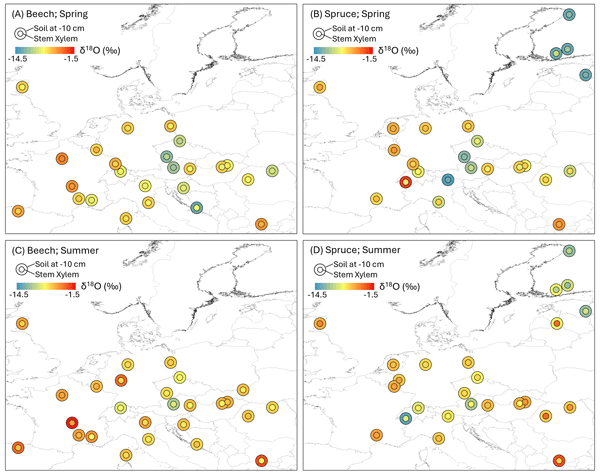
Marco M. Lehmann, Josie Geris, Ilja van Meerveld, Daniele Penna, Youri Rothfuss, Matteo Verdone, Pertti Ala-Aho, Matyas Arvai, Alise Babre, Philippe Balandier, Fabian Bernhard, Lukrecija Butorac, Simon D. Carrière, Natalie C. Ceperley, Zuosinan Chen, Alicia Correa, Haoyu Diao, David Dubbert, Maren Dubbert, Fabio Ercoli, Marius G. Floriancic, Alligin Ghazoul, Teresa E. Gimeno, Damien Gounelle, Frank Hagedorn, Christophe Hissler, Frédéric Huneau, Alberto Iraheta, Tamara Jakovljević, Nerantzis Kazakis, Zoltan Kern, Laura Kinzinger, Karl Knaebel, Johannes Kobler, Jiri Kocum, Charlotte Koeber, Gerbrand Koren, Angelika Kübert, Dawid Kupka, Samuel Le Gall, Aleksi Lehtonen, Thomas Leydier, Philippe Malagoli, Francesca Sofia Manca di Villahermosa, Chiara Marchina, Núria Martínez-Carreras, Nicolas Martin-StPaul, Hannu Marttila, Aline Meyer Oliveira, Gael Monvoisin, Natalie Orlowski, Kadi Palmik-Das, Aurel Persoiu, Andrei Popa, Egor Prikaziuk, Cécile Quantin, Katja T. Rinne-Garmston, Clara Rohde, Martin Sanda, Matthias Saurer, Daniel Schulz, Michael P. Stockinger, Christine Stumpp, Jean-Stéphane Vénisse, Lukas Vlcek, Stylianos Voudouris, Björn Weeser, Mark E. Wilkinson, Giulia Zuecco, and Katrin Meusburger
Earth Syst. Sci. Data, 17, 6129–6147, https://doi.org/10.5194/essd-17-6129-2025, https://doi.org/10.5194/essd-17-6129-2025, 2025
Short summary
Short summary
This study describes a unique large-scale isotope dataset to study water dynamics in European forests. Researchers collected data from 40 beech and spruce forest sites in spring and summer 2023, using a standardized method to ensure consistency. The results show that water sources for trees change between seasons and vary by tree species. This large dataset offers valuable information for understanding plant water use, improving ecohydrological models, and mapping water cycles across Europe.
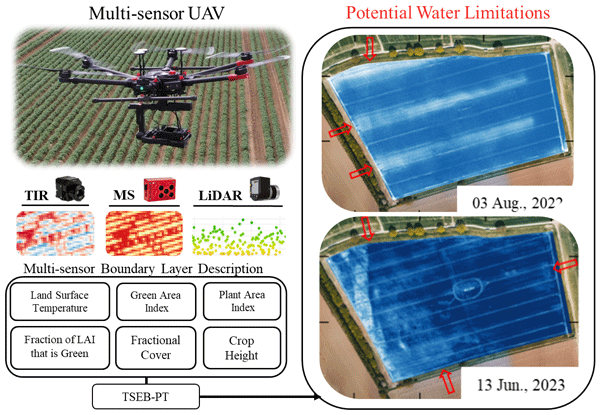
Jordan Steven Bates, Carsten Montzka, Harry Vereecken, and François Jonard
Biogeosciences, 23, 7253–7288, https://doi.org/10.5194/bg-23-7253-2026, https://doi.org/10.5194/bg-23-7253-2026, 2026
Short summary
Short summary
We used drones with thermal, multispectral, and laser sensors to measure crop water use across three growing seasons. Combining temperature with information on both green and structural plant growth improved estimates of crop water use, particularly as crops aged or experienced stress. The approach revealed detailed patterns of reduced water use across fields, supporting earlier identification of crop stress.
Valery Bessely Stanislas Kouassi, Kwok Pan Chun, Blé Anouma Fhorest Yao, Albert Elikplim Agbenorhevi, Gneneyougo Emile Soro, Albert Bi Tié Goula, Nelly Carine Kelome-Ahouangnivo, and Julian Klaus
EGUsphere, https://doi.org/10.5194/egusphere-2026-4670, https://doi.org/10.5194/egusphere-2026-4670, 2026
This preprint is open for discussion and under review for Hydrology and Earth System Sciences (HESS).
Short summary
Short summary
We assessed the influence of ten major large-scale climate indices on reservoir surface extent across West Africa from 1985 to 2022, using machine learning approaches. The results show that most reservoirs with significant trends exhibit declining surface extent. Western Mediterranean index has the strongest influence, followed by Atlantic indices. Reservoirs respond to combined climate signals and these responses vary widely across the region.
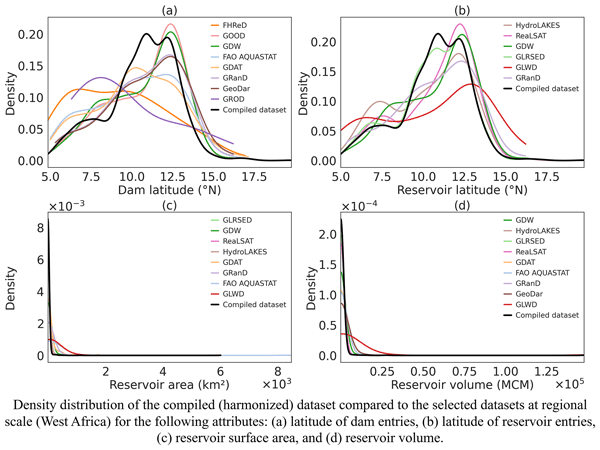
Valery Bessely Stanislas Kouassi, Blé Anouma Fhorest Yao, Gneneyougo Emile Soro, Bi Tié Albert Goula, Nelly Carine Kelome, and Julian Klaus
Earth Syst. Sci. Data, 18, 7227–7252, https://doi.org/10.5194/essd-18-7227-2026, https://doi.org/10.5194/essd-18-7227-2026, 2026
Short summary
Short summary
Dams and reservoirs are crucial for water supply, energy, and farming in West Africa, but information about them is often inaccessible, incomplete, or inconsistent. We combined existing records with field observations to create the a harmonized dataset to date, with quality verified at the watershed scale. This work improves access to dam and reservoir information in West Africa, supporting research and investment planning for water, food and energy security across the region.
Nunzio Romano, Harry Vereecken, Heye R. Bogena, Giorgio Cassiani, Matteo Censini, Giovanna Armiento, Marco Proposito, Lorenzo De Silvestri, Eyal Ben Dor, Nicolas Francos, Christian Massari, János Mészáros, Tünde Takáts, Caterina Mazzitelli, Benedetto Sica, Ugo Lazzaro, and Paolo Nasta
Earth Syst. Sci. Data Discuss., https://doi.org/10.5194/essd-2026-725, https://doi.org/10.5194/essd-2026-725, 2026
Preprint under review for ESSD
Short summary
Short summary
Understanding how climate and land-use change affect water resources requires observations that connect processes from soils and vegetation to groundwater and streams. The Alento dataset is presented that integrates environmental monitoring with targeted field observations across multiple Critical Zone components and scales. The dataset offers a distinctive resource for studying water storage and movement, evaluating environmental models, and improving understanding of water-limited regions.
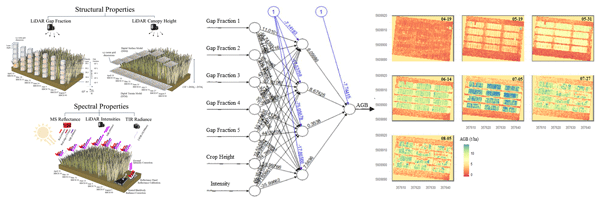
Jordan Steven Bates, Carsten Montzka, Rajina Bajracharya, Harry Vereecken, and François Jonard
Biogeosciences, 23, 6179–6210, https://doi.org/10.5194/bg-23-6179-2026, https://doi.org/10.5194/bg-23-6179-2026, 2026
Short summary
Short summary
This study compared drone-based laser, multispectral, and thermal sensors for estimating winter wheat biomass. Combining laser-derived crop structure and signal intensity improved predictions compared with crop height or multispectral data alone, while combining multispectral and thermal data with laser-derived features provided additional information during particular growth stages. The results highlight the potential of underutilized laser-derived features for crop biomass monitoring.
Matthias Cuntz, Stephan Thober, Anne Verhoef, Yijian Zeng, Aaron Boone, Agnès Ducharne, Sujan Koirala, David M. Lawrence, Philipp de Vrese, Carsten Montzka, Sonia I. Seneviratne, Harry Vereecken, Dani Or, Salma Tafasca, Naoki Mizukami, Rich Ellis, Patrick C. McGuire, and Lukas Gudmundsson
EGUsphere, https://doi.org/10.5194/egusphere-2026-4223, https://doi.org/10.5194/egusphere-2026-4223, 2026
Preprint archived
Short summary
Short summary
Land surface models (LSMs) are essential tools to analyze future climate change. Here we pushed state-of-the-art LSMs out of their comfort zone revealing hidden connections between processes encoded into the models. The LSMs reacted differently due to complex, sometimes counter-intuitive interactions of different water fluxes. We identified surface runoff and soil evaporation as the two main reasons behind model differences, which should be improved by using more mechanistic descriptions.
Francois Rineau, Alexander H. Frank, Jannis Groh, Kristof Grosjean, Arnaud Legout, Daniil I. Kolokolov, Michel Mench, Maria Moreno-Druet, Benoît Pollier, Virmantas Povilaitis, Johanna Pausch, Thomas Puetz, Tjalling Rooks, Peter Schröder, Wieslaw Szulc, Beata Rutkowska, Xander Swinnen, Sofie Thijs, Harry Vereecken, Janna V. Veselovskaya, Mwahija Zubery, Renaldas Žydelis, and Evelin Loit
Biogeosciences, 23, 2261–2276, https://doi.org/10.5194/bg-23-2261-2026, https://doi.org/10.5194/bg-23-2261-2026, 2026
Short summary
Short summary
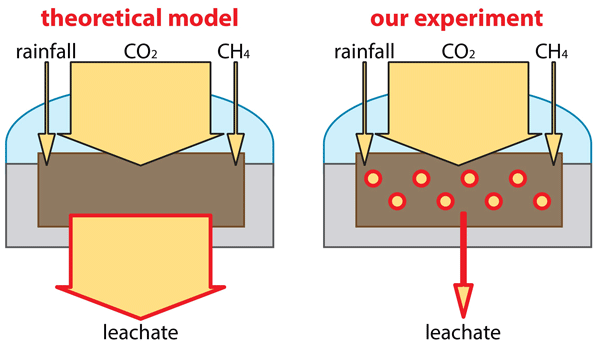
Enhanced weathering can significantly slow climate change by capturing CO2 and converting it into stable bicarbonate. In study, this method removed up to 1.5 tons of carbon per hectare in a single growing season. We had however very little evidence of bicarbonate formation. Our findings show that enhanced weathering facilitated instead carbon accrual via not only carbonate precipitation but also enhanced biogeochemical activities promoting additional carbon storage.
Johanna Bacher, Julian Klaus, Adam S. Ward, Jasmine Krause, Catalina Segura, and Clarissa Glaser
Hydrol. Earth Syst. Sci., 30, 1523–1541, https://doi.org/10.5194/hess-30-1523-2026, https://doi.org/10.5194/hess-30-1523-2026, 2026
Short summary
Short summary
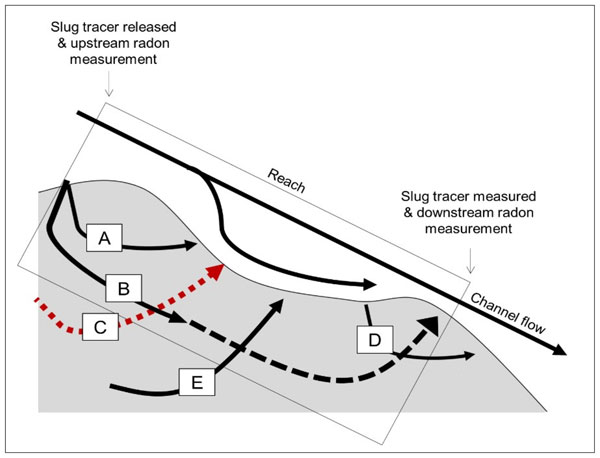
Understanding solute transport often relies on slug tracer experiments. These experiments are biassed toward capturing faster flow paths and miss longer timescales. We explore integrating a slug-injected tracer with naturally occurring radon to quantify flow paths across different timescales at the reach scale. We show that jointly calibrating a transient storage model with both tracers strengthens parameter constraints and improves solute transport estimates in future studies.
Wenhong Wang, Shiao Feng, Yonggen Zhang, Zhongwang Wei, Jianzhi Dong, Lutz Weihermüller, Cong-Qiang Liu, and Harry Vereecken
Earth Syst. Sci. Data, 18, 1061–1088, https://doi.org/10.5194/essd-18-1061-2026, https://doi.org/10.5194/essd-18-1061-2026, 2026
Short summary
Short summary
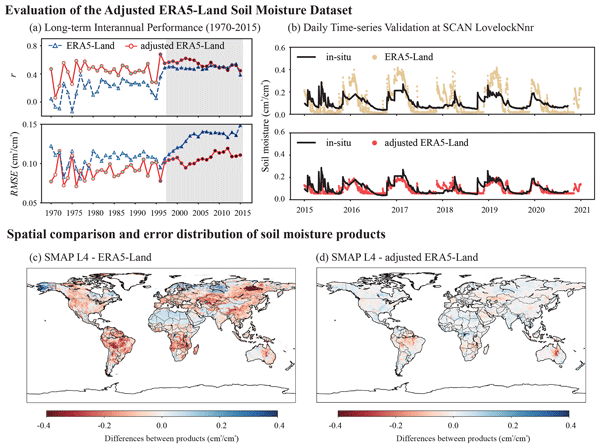
Current soil moisture data often suffers from gaps or errors. We combined the long-term coverage of ERA5-Land with the high accuracy of SMAP (Soil Moisture Active Passive) satellites to create a corrected global moisture dataset spanning 1950–2025. Validated against 3.8 million ground measurements, our product reduces errors by ~ 25 % in the modern period (2015–2020) and maintains ~ 20 % improvement historically (1960–2015). This reliable, daily 75-year record is essential for monitoring long-term climate trends and droughts.
Heye R. Bogena, Frank Herrmann, Andreas Lücke, Thomas Pütz, and Harry Vereecken
Earth Syst. Sci. Data, 17, 6965–6992, https://doi.org/10.5194/essd-17-6965-2025, https://doi.org/10.5194/essd-17-6965-2025, 2025
Short summary
Short summary
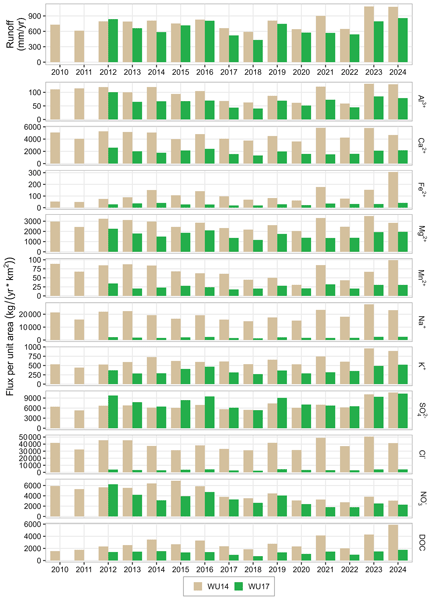
The Wüstebach catchment, which is part of the German TERENO (Terrestrial Environmental Observatories) network, was partially deforested in 2013 to promote natural forest regrowth. This data paper provides 16 years of hourly concentrations and fluxes of 11 solutes and runoff rates (2010–2024) from two runoff gauging stations, one affected by deforestation and one not, illustrating forest-management effects on solute transport processes at the catchment scale.
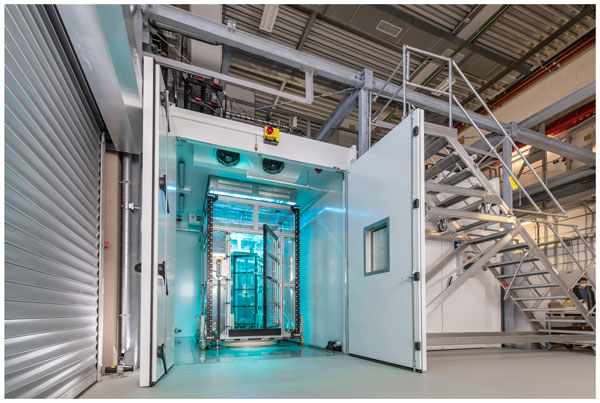
Joschka Neumann, Nicolas Brüggemann, Patrick Chaumet, Normen Hermes, Jan Huwer, Peter Kirchner, Werner Lesmeister, Wilhelm August Mertens, Thomas Pütz, Jörg Wolters, Harry Vereecken, and Ghaleb Natour
Geosci. Instrum. Method. Data Syst., 14, 353–377, https://doi.org/10.5194/gi-14-353-2025, https://doi.org/10.5194/gi-14-353-2025, 2025
Short summary
Short summary
Climate change in combination with a steadily growing world population and a simultaneous decrease in agricultural land is one of the greatest global challenges facing mankind. In this context, Forschungszentrum Jülich established an "agricultural simulator" (AgraSim), which enables research into the effects of climate change on agricultural ecosystems and the optimization of agricultural cultivation and management strategies with the aid of combined experimental and numerical simulation.
Marco M. Lehmann, Josie Geris, Ilja van Meerveld, Daniele Penna, Youri Rothfuss, Matteo Verdone, Pertti Ala-Aho, Matyas Arvai, Alise Babre, Philippe Balandier, Fabian Bernhard, Lukrecija Butorac, Simon D. Carrière, Natalie C. Ceperley, Zuosinan Chen, Alicia Correa, Haoyu Diao, David Dubbert, Maren Dubbert, Fabio Ercoli, Marius G. Floriancic, Alligin Ghazoul, Teresa E. Gimeno, Damien Gounelle, Frank Hagedorn, Christophe Hissler, Frédéric Huneau, Alberto Iraheta, Tamara Jakovljević, Nerantzis Kazakis, Zoltan Kern, Laura Kinzinger, Karl Knaebel, Johannes Kobler, Jiri Kocum, Charlotte Koeber, Gerbrand Koren, Angelika Kübert, Dawid Kupka, Samuel Le Gall, Aleksi Lehtonen, Thomas Leydier, Philippe Malagoli, Francesca Sofia Manca di Villahermosa, Chiara Marchina, Núria Martínez-Carreras, Nicolas Martin-StPaul, Hannu Marttila, Aline Meyer Oliveira, Gael Monvoisin, Natalie Orlowski, Kadi Palmik-Das, Aurel Persoiu, Andrei Popa, Egor Prikaziuk, Cécile Quantin, Katja T. Rinne-Garmston, Clara Rohde, Martin Sanda, Matthias Saurer, Daniel Schulz, Michael P. Stockinger, Christine Stumpp, Jean-Stéphane Vénisse, Lukas Vlcek, Stylianos Voudouris, Björn Weeser, Mark E. Wilkinson, Giulia Zuecco, and Katrin Meusburger
Earth Syst. Sci. Data, 17, 6129–6147, https://doi.org/10.5194/essd-17-6129-2025, https://doi.org/10.5194/essd-17-6129-2025, 2025
Short summary
Short summary
This study describes a unique large-scale isotope dataset to study water dynamics in European forests. Researchers collected data from 40 beech and spruce forest sites in spring and summer 2023, using a standardized method to ensure consistency. The results show that water sources for trees change between seasons and vary by tree species. This large dataset offers valuable information for understanding plant water use, improving ecohydrological models, and mapping water cycles across Europe.
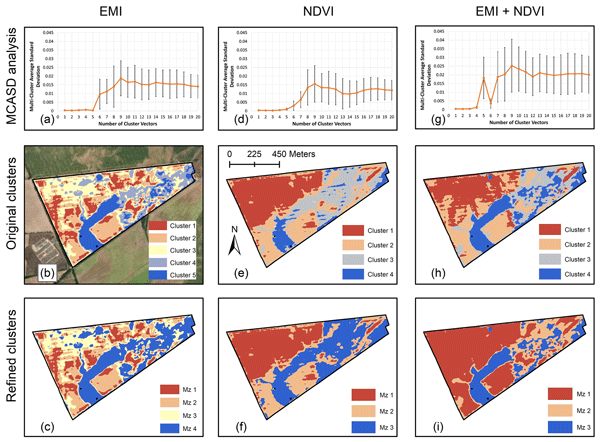
Salar Saeed Dogar, Cosimo Brogi, Dave O'Leary, Ixchel M. Hernández-Ochoa, Marco Donat, Harry Vereecken, and Johan Alexander Huisman
SOIL, 11, 655–679, https://doi.org/10.5194/soil-11-655-2025, https://doi.org/10.5194/soil-11-655-2025, 2025
Short summary
Short summary
Farmers need precise information about their fields to use water, fertilizers, and other resources efficiently. This study combines underground soil data and satellite images to create detailed field maps using advanced machine learning. By testing different ways of processing data, we ensured a balanced and accurate approach. The results help farmers manage their land more effectively, leading to better harvests and more sustainable farming practices.
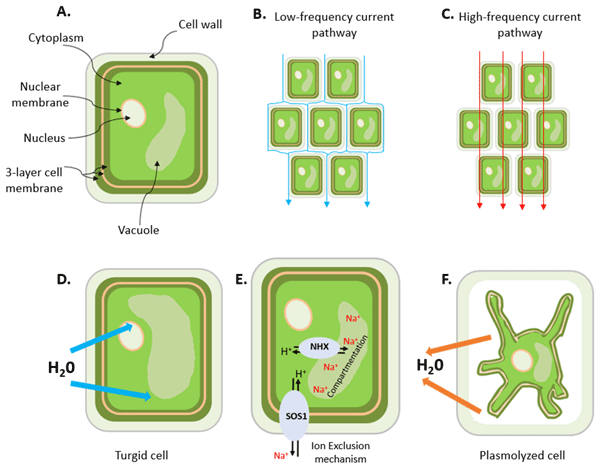
Solomon Ehosioke, Sarah Garré, Johan Alexander Huisman, Egon Zimmermann, Mathieu Javaux, and Frédéric Nguyen
Biogeosciences, 22, 2853–2869, https://doi.org/10.5194/bg-22-2853-2025, https://doi.org/10.5194/bg-22-2853-2025, 2025
Short summary
Short summary
Understanding the electromagnetic properties of plant roots is useful to quantify plant properties and monitor plant physiological responses to changing environmental factors. We investigated the electrical properties of the primary roots of Brachypodium and maize plants during the uptake of fresh and saline water using spectral induced polarization. Our results indicate that salinity tolerance varies with the species and that Maize is more tolerant to salinity than Brachypodium.
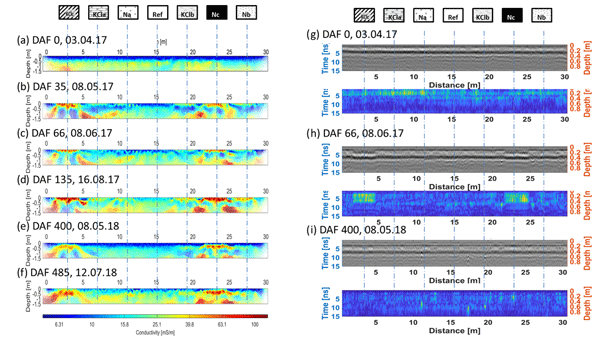
Manuela S. Kaufmann, Anja Klotzsche, Jan van der Kruk, Anke Langen, Harry Vereecken, and Lutz Weihermüller
SOIL, 11, 267–285, https://doi.org/10.5194/soil-11-267-2025, https://doi.org/10.5194/soil-11-267-2025, 2025
Short summary
Short summary
To use fertilizers more effectively, non-invasive geophysical methods can be used to understand nutrient distributions in the soil. We utilize, in a long-term field study, geophysical techniques to study soil properties and conditions under different fertilizer treatments. We compared the geophysical response with soil samples and soil sensor data. In particular, electromagnetic induction and electrical resistivity tomography were effective in monitoring changes in nitrate levels over time.
Alexander Kelsch, Matthias Claß, and Nicolas Brüggemann
Atmos. Meas. Tech., 18, 1519–1535, https://doi.org/10.5194/amt-18-1519-2025, https://doi.org/10.5194/amt-18-1519-2025, 2025
Short summary
Short summary
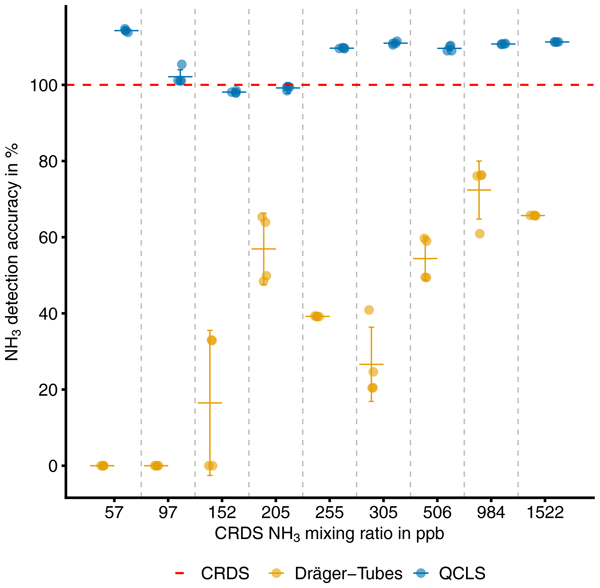
We wanted to know how well the Dräger Tube method (DTM) is able to measure ammonia in agricultural experiments on small plots. We therefore compared the accuracy and sensitivity of Dräger Tubes in laboratory tests with more advanced analyzers. Dräger Tubes had a detection limit 3 to 4 times higher than expected. Since there are areas where the use of advanced analyzers is not feasible, the DTM should be improved, or simple and cost-effective measuring methods should be developed.
Bamidele Oloruntoba, Stefan Kollet, Carsten Montzka, Harry Vereecken, and Harrie-Jan Hendricks Franssen
Hydrol. Earth Syst. Sci., 29, 1659–1683, https://doi.org/10.5194/hess-29-1659-2025, https://doi.org/10.5194/hess-29-1659-2025, 2025
Short summary
Short summary
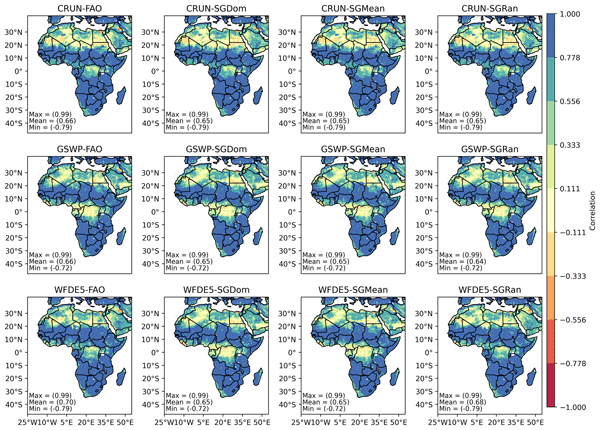
We studied how soil and weather data affect land model simulations over Africa. By combining soil data processed in different ways with weather data of varying time intervals, we found that weather inputs had a greater impact on water processes than soil data type. However, the way soil data were processed became crucial when paired with high-frequency weather inputs, showing that detailed weather data can improve local and regional predictions of how water moves and interacts with the land.
Samuele Ceolin, Stanislaus J. Schymanski, Dagmar van Dusschoten, Robert Koller, and Julian Klaus
Biogeosciences, 22, 691–703, https://doi.org/10.5194/bg-22-691-2025, https://doi.org/10.5194/bg-22-691-2025, 2025
Short summary
Short summary
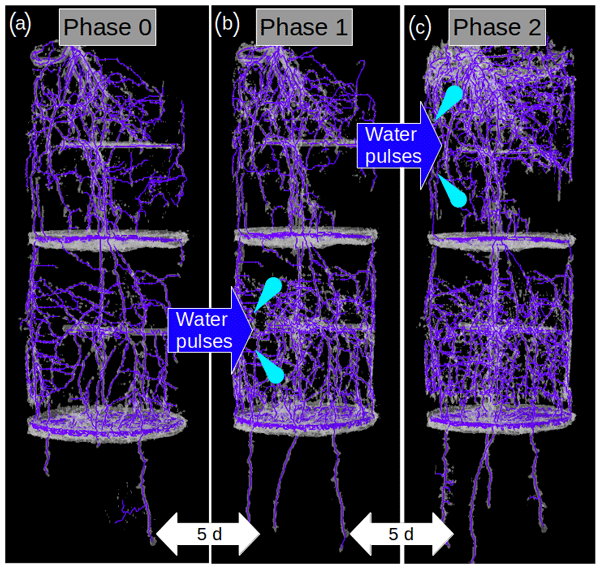
We investigated if and how roots of maize plants respond to multiple abrupt changes in soil moisture. We measured root lengths using a magnetic resonance imaging technique and calculated changes in growth rates after applying water pulses. The root growth rates increased in wetted soil layers within 48 hours and decreased in non-wetted layers, indicating fast adaptation of the root systems to moisture changes. Our findings could improve irrigation management and vegetation models.
Louis Delval, Jordan Bates, François Jonard, and Mathieu Javaux
Biogeosciences, 22, 513–534, https://doi.org/10.5194/bg-22-513-2025, https://doi.org/10.5194/bg-22-513-2025, 2025
Short summary
Short summary
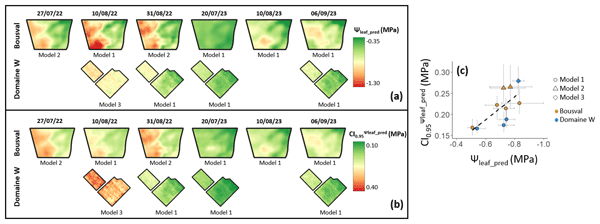
The accurate quantification of grapevine water status is crucial for winemakers as it significantly impacts wine quality. It is acknowledged that within a single vineyard, the variability of grapevine water status can be significant. The within-field spatial distribution of soil hydraulic conductance and weather conditions are the primary factors governing the leaf water potential spatial heterogeneity and extent observed in non-irrigated vineyards, and their effects are concomitant.
Paolo Nasta, Günter Blöschl, Heye R. Bogena, Steffen Zacharias, Roland Baatz, Gabriëlle De Lannoy, Karsten H. Jensen, Salvatore Manfreda, Laurent Pfister, Ana M. Tarquis, Ilja van Meerveld, Marc Voltz, Yijian Zeng, William Kustas, Xin Li, Harry Vereecken, and Nunzio Romano
Hydrol. Earth Syst. Sci., 29, 465–483, https://doi.org/10.5194/hess-29-465-2025, https://doi.org/10.5194/hess-29-465-2025, 2025
Short summary
Short summary
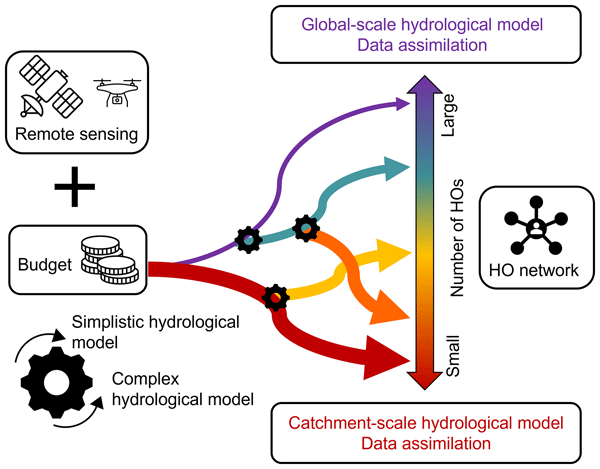
The Unsolved Problems in Hydrology (UPH) initiative has emphasized the need to establish networks of multi-decadal hydrological observatories to tackle catchment-scale challenges on a global scale. This opinion paper provocatively discusses two endmembers of possible future hydrological observatory (HO) networks for a given hypothesized community budget: a comprehensive set of moderately instrumented observatories or, alternatively, a small number of highly instrumented supersites.
Christian Poppe Terán, Bibi S. Naz, Harry Vereecken, Roland Baatz, Rosie A. Fisher, and Harrie-Jan Hendricks Franssen
Geosci. Model Dev., 18, 287–317, https://doi.org/10.5194/gmd-18-287-2025, https://doi.org/10.5194/gmd-18-287-2025, 2025
Short summary
Short summary
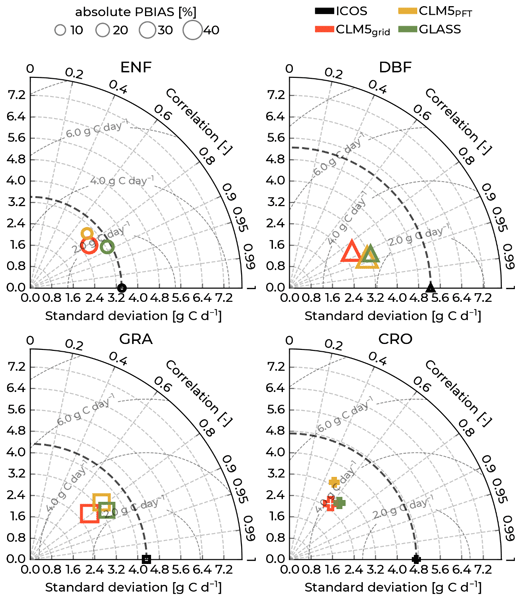
Carbon and water exchanges between the atmosphere and the land surface contribute to water resource availability and climate change mitigation. Land surface models, like the Community Land Model version 5 (CLM5), simulate these. This study finds that CLM5 and other data sets underestimate the magnitudes of and variability in carbon and water exchanges for the most abundant plant functional types compared to observations. It provides essential insights for further research into these processes.
Junwei Song, Georgios I. Gkatzelis, Ralf Tillmann, Nicolas Brüggemann, Thomas Leisner, and Harald Saathoff
Atmos. Chem. Phys., 24, 13199–13217, https://doi.org/10.5194/acp-24-13199-2024, https://doi.org/10.5194/acp-24-13199-2024, 2024
Short summary
Short summary
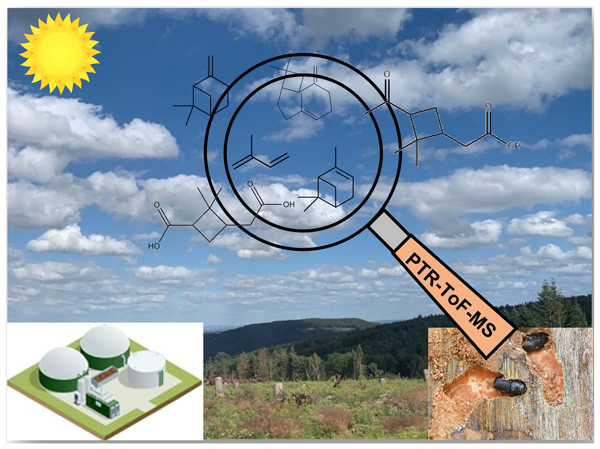
Biogenic volatile organic compounds (BVOCs) and organic aerosol (OA) particles were measured online in a stressed spruce-dominated forest. OA was mainly attributed to the monoterpene oxidation products. The mixing ratios of BVOCs were higher than the values previously measured in other temperate forests. The results demonstrate that BVOCs are influenced not only by meteorology and biogenic emissions but also by local anthropogenic emissions and subsequent chemical transformation processes.
Ying Zhao, Mehdi Rahmati, Harry Vereecken, and Dani Or
Hydrol. Earth Syst. Sci., 28, 4059–4063, https://doi.org/10.5194/hess-28-4059-2024, https://doi.org/10.5194/hess-28-4059-2024, 2024
Short summary
Short summary
Gao et al. (2023) question the importance of soil in hydrology, sparking debate. We acknowledge some valid points but critique their broad, unsubstantiated views on soil's role. Our response highlights three key areas: (1) the false divide between ecosystem-centric and soil-centric approaches, (2) the vital yet varied impact of soil properties, and (3) the call for a scale-aware framework. We aim to unify these perspectives, enhancing hydrology's comprehensive understanding.
Ingeborg Bussmann, Eric P. Achterberg, Holger Brix, Nicolas Brüggemann, Götz Flöser, Claudia Schütze, and Philipp Fischer
Biogeosciences, 21, 3819–3838, https://doi.org/10.5194/bg-21-3819-2024, https://doi.org/10.5194/bg-21-3819-2024, 2024
Short summary
Short summary
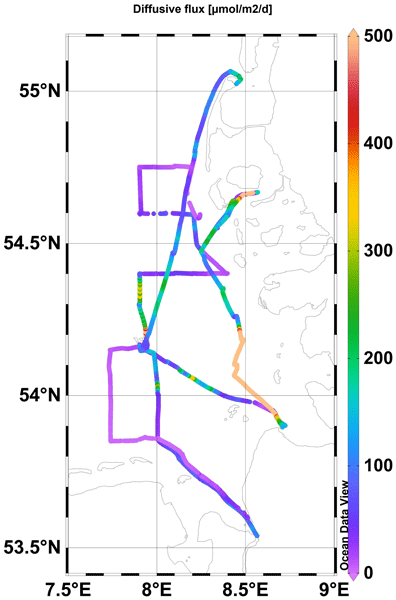
Methane (CH4) is an important greenhouse gas and contributes to climate warming. However, the input of CH4 from coastal areas to the atmosphere is not well defined. Dissolved and atmospheric CH4 was determined at high spatial resolution in or above the North Sea. The atmospheric CH4 concentration was mainly influenced by wind direction. With our detailed study on the spatial distribution of CH4 fluxes we were able to provide a detailed and more realistic estimation of coastal CH4 fluxes.
Tobias Karl David Weber, Lutz Weihermüller, Attila Nemes, Michel Bechtold, Aurore Degré, Efstathios Diamantopoulos, Simone Fatichi, Vilim Filipović, Surya Gupta, Tobias L. Hohenbrink, Daniel R. Hirmas, Conrad Jackisch, Quirijn de Jong van Lier, John Koestel, Peter Lehmann, Toby R. Marthews, Budiman Minasny, Holger Pagel, Martine van der Ploeg, Shahab Aldin Shojaeezadeh, Simon Fiil Svane, Brigitta Szabó, Harry Vereecken, Anne Verhoef, Michael Young, Yijian Zeng, Yonggen Zhang, and Sara Bonetti
Hydrol. Earth Syst. Sci., 28, 3391–3433, https://doi.org/10.5194/hess-28-3391-2024, https://doi.org/10.5194/hess-28-3391-2024, 2024
Short summary
Short summary
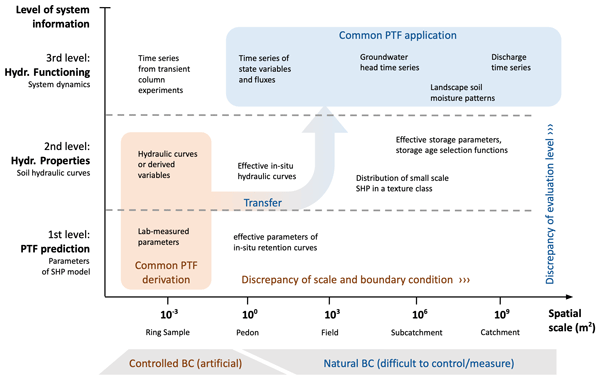
Pedotransfer functions (PTFs) are used to predict parameters of models describing the hydraulic properties of soils. The appropriateness of these predictions critically relies on the nature of the datasets for training the PTFs and the physical comprehensiveness of the models. This roadmap paper is addressed to PTF developers and users and critically reflects the utility and future of PTFs. To this end, we present a manifesto aiming at a paradigm shift in PTF research.
Ginevra Fabiani, Julian Klaus, and Daniele Penna
Hydrol. Earth Syst. Sci., 28, 2683–2703, https://doi.org/10.5194/hess-28-2683-2024, https://doi.org/10.5194/hess-28-2683-2024, 2024
Short summary
Short summary
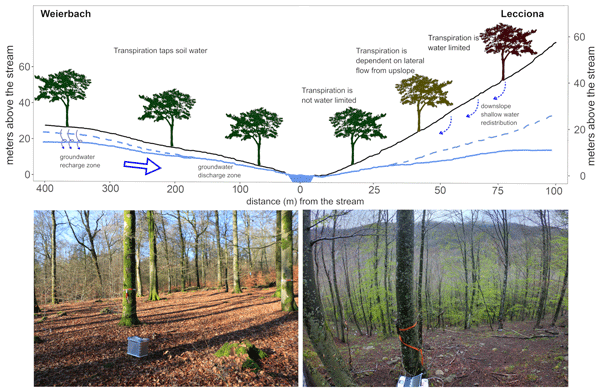
There is a limited understanding of the role that topography and climate play in tree water use. Through a cross-site comparison in Luxembourg and Italy, we investigated beech water use along slopes in different climates. Our findings indicate that in landscapes characterized by stronger hydraulic and climatic gradients there is greater spatial variation in tree physiological responses. This highlights how differing growing conditions across landscapes can lead to contrasting tree performances.
Lukas Strebel, Heye Bogena, Harry Vereecken, Mie Andreasen, Sergio Aranda-Barranco, and Harrie-Jan Hendricks Franssen
Hydrol. Earth Syst. Sci., 28, 1001–1026, https://doi.org/10.5194/hess-28-1001-2024, https://doi.org/10.5194/hess-28-1001-2024, 2024
Short summary
Short summary
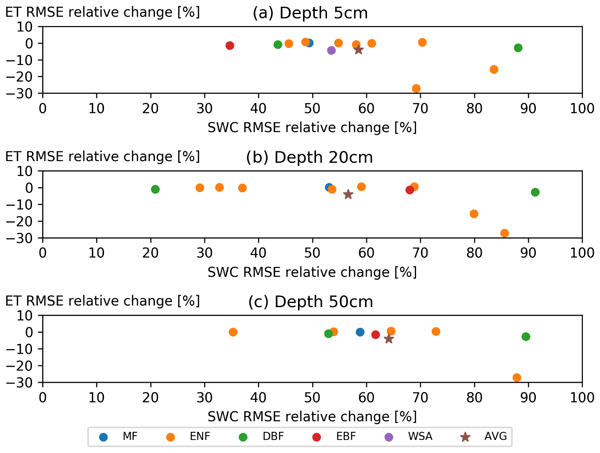
We present results from using soil water content measurements from 13 European forest sites in a state-of-the-art land surface model. We use data assimilation to perform a combination of observed and modeled soil water content and show the improvements in the representation of soil water content. However, we also look at the impact on evapotranspiration and see no corresponding improvements.
Denise Degen, Daniel Caviedes Voullième, Susanne Buiter, Harrie-Jan Hendricks Franssen, Harry Vereecken, Ana González-Nicolás, and Florian Wellmann
Geosci. Model Dev., 16, 7375–7409, https://doi.org/10.5194/gmd-16-7375-2023, https://doi.org/10.5194/gmd-16-7375-2023, 2023
Short summary
Short summary
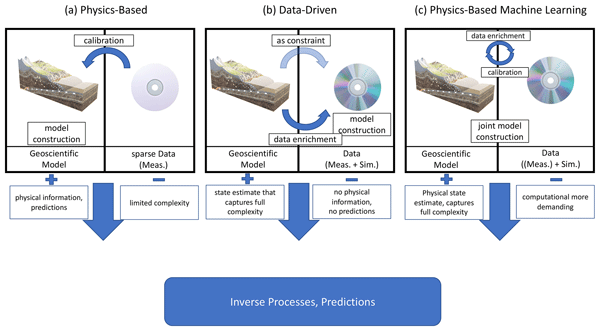
In geosciences, we often use simulations based on physical laws. These simulations can be computationally expensive, which is a problem if simulations must be performed many times (e.g., to add error bounds). We show how a novel machine learning method helps to reduce simulation time. In comparison to other approaches, which typically only look at the output of a simulation, the method considers physical laws in the simulation itself. The method provides reliable results faster than standard.
Theresa Boas, Heye Reemt Bogena, Dongryeol Ryu, Harry Vereecken, Andrew Western, and Harrie-Jan Hendricks Franssen
Hydrol. Earth Syst. Sci., 27, 3143–3167, https://doi.org/10.5194/hess-27-3143-2023, https://doi.org/10.5194/hess-27-3143-2023, 2023
Short summary
Short summary
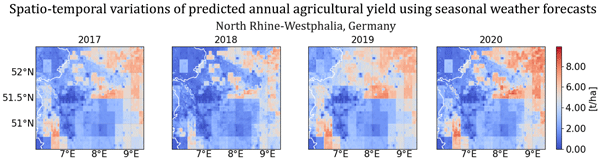
In our study, we tested the utility and skill of a state-of-the-art forecasting product for the prediction of regional crop productivity using a land surface model. Our results illustrate the potential value and skill of combining seasonal forecasts with modelling applications to generate variables of interest for stakeholders, such as annual crop yield for specific cash crops and regions. In addition, this study provides useful insights for future technical model evaluations and improvements.
Benjamin Guillaume, Hanane Aroui Boukbida, Gerben Bakker, Andrzej Bieganowski, Yves Brostaux, Wim Cornelis, Wolfgang Durner, Christian Hartmann, Bo V. Iversen, Mathieu Javaux, Joachim Ingwersen, Krzysztof Lamorski, Axel Lamparter, András Makó, Ana María Mingot Soriano, Ingmar Messing, Attila Nemes, Alexandre Pomes-Bordedebat, Martine van der Ploeg, Tobias Karl David Weber, Lutz Weihermüller, Joost Wellens, and Aurore Degré
SOIL, 9, 365–379, https://doi.org/10.5194/soil-9-365-2023, https://doi.org/10.5194/soil-9-365-2023, 2023
Short summary
Short summary
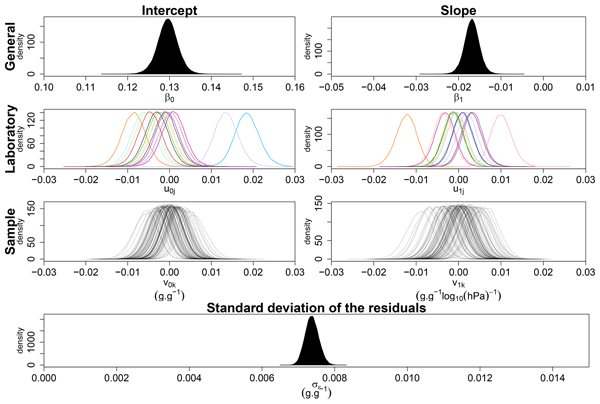
Measurements of soil water retention properties play an important role in a variety of societal issues that depend on soil water conditions. However, there is little concern about the consistency of these measurements between laboratories. We conducted an interlaboratory comparison to assess the reproducibility of the measurement of the soil water retention curve. Results highlight the need to harmonize and standardize procedures to improve the description of unsaturated processes in soils.
Enrico Bonanno, Günter Blöschl, and Julian Klaus
Hydrol. Earth Syst. Sci., 26, 6003–6028, https://doi.org/10.5194/hess-26-6003-2022, https://doi.org/10.5194/hess-26-6003-2022, 2022
Short summary
Short summary
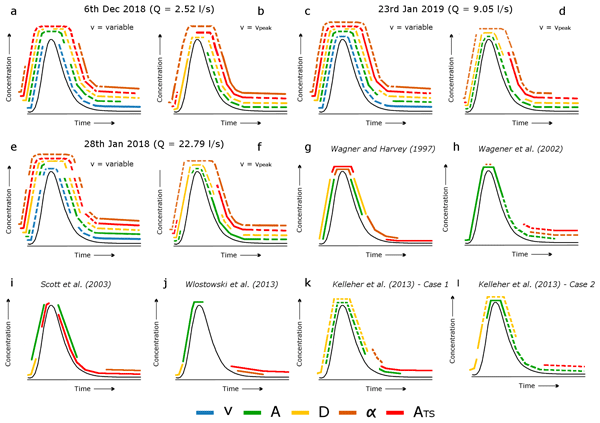
There is an unclear understanding of which processes regulate the transport of water, solutes, and pollutants in streams. This is crucial since these processes control water quality in river networks. Compared to other approaches, we obtained clearer insights into the processes controlling solute transport in the investigated reach. This work highlights the risks of using uncertain results for interpreting the processes controlling water movement in streams.
Jordan Bates, Francois Jonard, Rajina Bajracharya, Harry Vereecken, and Carsten Montzka
AGILE GIScience Ser., 3, 23, https://doi.org/10.5194/agile-giss-3-23-2022, https://doi.org/10.5194/agile-giss-3-23-2022, 2022
Wei Qu, Heye Bogena, Christoph Schüth, Harry Vereecken, Zongmei Li, and Stephan Schulz
Geosci. Model Dev. Discuss., https://doi.org/10.5194/gmd-2022-131, https://doi.org/10.5194/gmd-2022-131, 2022
Publication in GMD not foreseen
Short summary
Short summary
We applied the global sensitivity analysis LH-OAT to the integrated hydrology model ParFlow-CLM to investigate the sensitivity of the 12 parameters for different scenarios. And we found that the general patterns of the parameter sensitivities were consistent, however, for some parameters a significantly larger span of the sensitivities was observed, especially for the higher slope and in subarctic climatic scenarios.
Nicholas Jarvis, Jannis Groh, Elisabet Lewan, Katharina H. E. Meurer, Walter Durka, Cornelia Baessler, Thomas Pütz, Elvin Rufullayev, and Harry Vereecken
Hydrol. Earth Syst. Sci., 26, 2277–2299, https://doi.org/10.5194/hess-26-2277-2022, https://doi.org/10.5194/hess-26-2277-2022, 2022
Short summary
Short summary
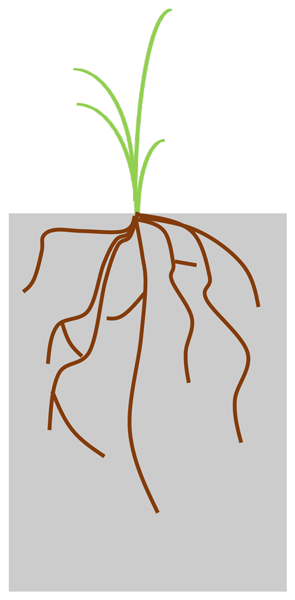
We apply an eco-hydrological model to data on soil water balance and grassland growth obtained at two sites with contrasting climates. Our results show that the grassland in the drier climate had adapted by developing deeper roots, which maintained water supply to the plants in the face of severe drought. Our study emphasizes the importance of considering such plastic responses of plant traits to environmental stress in the modelling of soil water balance and plant growth under climate change.
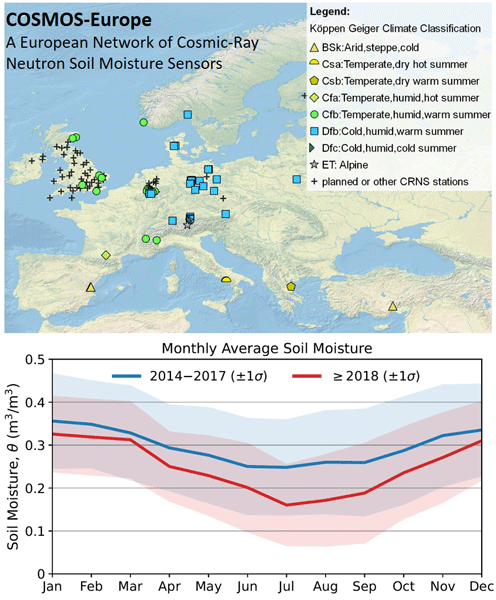
Heye Reemt Bogena, Martin Schrön, Jannis Jakobi, Patrizia Ney, Steffen Zacharias, Mie Andreasen, Roland Baatz, David Boorman, Mustafa Berk Duygu, Miguel Angel Eguibar-Galán, Benjamin Fersch, Till Franke, Josie Geris, María González Sanchis, Yann Kerr, Tobias Korf, Zalalem Mengistu, Arnaud Mialon, Paolo Nasta, Jerzy Nitychoruk, Vassilios Pisinaras, Daniel Rasche, Rafael Rosolem, Hami Said, Paul Schattan, Marek Zreda, Stefan Achleitner, Eduardo Albentosa-Hernández, Zuhal Akyürek, Theresa Blume, Antonio del Campo, Davide Canone, Katya Dimitrova-Petrova, John G. Evans, Stefano Ferraris, Félix Frances, Davide Gisolo, Andreas Güntner, Frank Herrmann, Joost Iwema, Karsten H. Jensen, Harald Kunstmann, Antonio Lidón, Majken Caroline Looms, Sascha Oswald, Andreas Panagopoulos, Amol Patil, Daniel Power, Corinna Rebmann, Nunzio Romano, Lena Scheiffele, Sonia Seneviratne, Georg Weltin, and Harry Vereecken
Earth Syst. Sci. Data, 14, 1125–1151, https://doi.org/10.5194/essd-14-1125-2022, https://doi.org/10.5194/essd-14-1125-2022, 2022
Short summary
Short summary
Monitoring of increasingly frequent droughts is a prerequisite for climate adaptation strategies. This data paper presents long-term soil moisture measurements recorded by 66 cosmic-ray neutron sensors (CRNS) operated by 24 institutions and distributed across major climate zones in Europe. Data processing followed harmonized protocols and state-of-the-art methods to generate consistent and comparable soil moisture products and to facilitate continental-scale analysis of hydrological extremes.
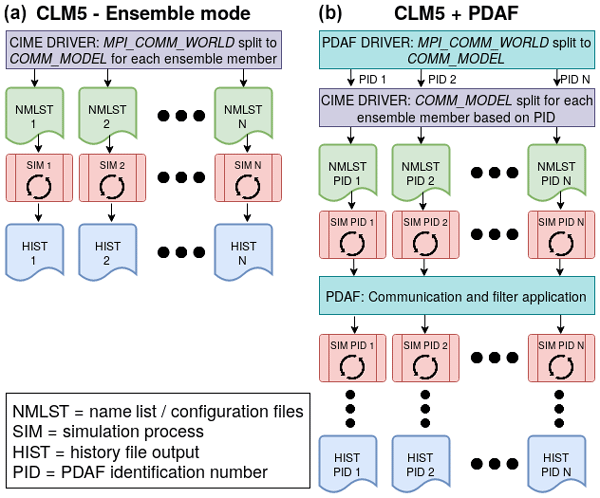
Lukas Strebel, Heye R. Bogena, Harry Vereecken, and Harrie-Jan Hendricks Franssen
Geosci. Model Dev., 15, 395–411, https://doi.org/10.5194/gmd-15-395-2022, https://doi.org/10.5194/gmd-15-395-2022, 2022
Short summary
Short summary
We present the technical coupling between a land surface model (CLM5) and the Parallel Data Assimilation Framework (PDAF). This coupling enables measurement data to update simulated model states and parameters in a statistically optimal way. We demonstrate the viability of the model framework using an application in a forested catchment where the inclusion of soil water measurements significantly improved the simulation quality.
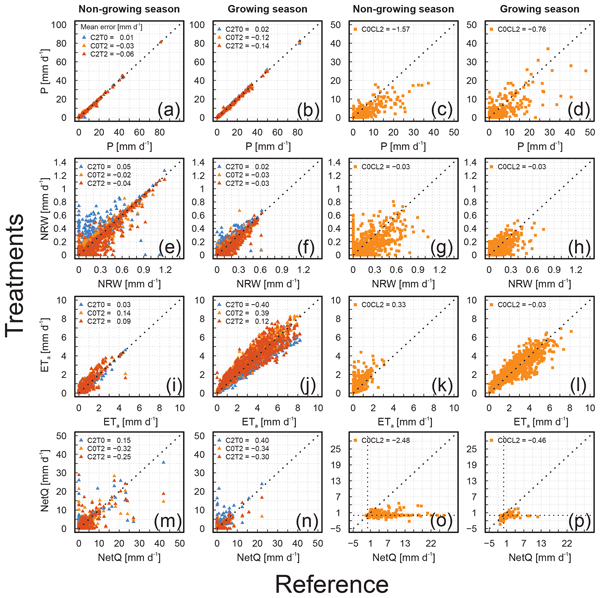
Veronika Forstner, Jannis Groh, Matevz Vremec, Markus Herndl, Harry Vereecken, Horst H. Gerke, Steffen Birk, and Thomas Pütz
Hydrol. Earth Syst. Sci., 25, 6087–6106, https://doi.org/10.5194/hess-25-6087-2021, https://doi.org/10.5194/hess-25-6087-2021, 2021
Short summary
Short summary
Lysimeter-based manipulative and observational experiments were used to identify responses of water fluxes and aboveground biomass (AGB) to climatic change in permanent grassland. Under energy-limited conditions, elevated temperature actual evapotranspiration (ETa) increased, while seepage, dew, and AGB decreased. Elevated CO2 mitigated the effect on ETa. Under water limitation, elevated temperature resulted in reduced ETa, and AGB was negatively correlated with an increasing aridity.
Yafei Huang, Jonas Weis, Harry Vereecken, and Harrie-Jan Hendricks Franssen
Hydrol. Earth Syst. Sci. Discuss., https://doi.org/10.5194/hess-2021-569, https://doi.org/10.5194/hess-2021-569, 2021
Manuscript not accepted for further review
Short summary
Short summary
Trends in agricultural droughts cannot be easily deduced from measurements. Here trends in agricultural droughts over 31 German and Dutch sites were calculated with model simulations and long-term observed meteorological data as input. We found that agricultural droughts are increasing although precipitation hardly decreases. The increase is driven by increase in evapotranspiration. The year 2018 was for half of the sites the year with the most extreme agricultural drought in the last 55 years.
Cited articles
Barbeta, A., Burlett, R., Martín-Gómez, P., Fréjaville, B., Devert, N., Wingate, L., Domec, J. C., and Ogée, J.: Evidence for distinct isotopic compositions of sap and tissue water in tree stems: consequences for plant water source identification, New Phytol., 233, 1121–1132, https://doi.org/10.1111/nph.17857, 2022.
Barnard, R. L., de Bello, F., Gilgen, A. K., and Buchmann, N.: The δ18O of root crown water best reflects source water δ18O in different types of herbaceous species, Rapid Commun. Mass Spectrom., 20, 3799–3802, https://doi.org/10.1002/rcm.2778, 2006.
Bartlett, M. K., Scoffoni, C., and Sack, L.: The determinants of leaf turgor loss point and prediction of drought tolerance of species and biomes: a global meta-analysis, Ecol. Lett., 15, 393–405, https://doi.org/10.1111/j.1461-0248.2012.01751.x, 2012.
Benettin, P., Rodriguez, N. B., Sprenger, M., Kim, M., Klaus, J., Harman, C. J., van der Velde, Y., Hrachowitz, M., Botter, G., McGuire, K. J., Kirchner, J. W., Rinaldo, A., and McDonnell, J. J.: Transit Time Estimation in Catchments: Recent Developments and Future Directions, Water Resour. Res., 58, e2022WR033096, https://doi.org/10.1029/2022WR033096, 2022.
Beyer, M., Kühnhammer, K., and Dubbert, M.: In situ measurements of soil and plant water isotopes: a review of approaches, practical considerations and a vision for the future, Hydrol. Earth Syst. Sc., 24, 4413–4440, https://doi.org/10.5194/hess-24-4413-2020, 2020.
Campbell, G. S., Papendick, R. I., Rabie, E., and Shayongowi, A. J.: Comparison of Osmotic Potential, Elastic-Modulus, and Apoplastic Water in Leaves of Dryland Winter-Wheat, Agron. J., 71, 31–36, https://doi.org/10.2134/agronj1979.00021962007100010008x, 1979.
Ceperley, N., Gimeno, T. E., Jacobs, S. R., Beyer, M., Dubbert, M., Fischer, B., Geris, J., Holko, L., Kuebert, A., Le Gall, S., Lehmann, M. M., Llorens, P., Millar, C., Penna, D., Prieto, I., Radolinski, J., Scandellari, F., Stockinger, M., Stumpp, C., Tetzlaff, D., van Meerveld, I., Werner, C., Yildiz, O., Zuecco, G., Barbeta, A., Orlowski, N., and Rothfuss, Y.: Toward a common methodological framework for the sampling, extraction, and isotopic analysis of water in the Critical Zone to study vegetation water use, Wiley Interdisciplinary Reviews-Water, 11, e1727, https://doi.org/10.1002/wat2.1727, 2024.
Couvreur, V., Vanderborght, J., and Javaux, M.: A simple three-dimensional macroscopic root water uptake model based on the hydraulic architecture approach, Hydrol. Earth Syst. Sc., 16, 2957–2971, https://doi.org/10.5194/hess-16-2957-2012, 2012.
De Deurwaerder, H. P. T., Visser, M. D., Detto, M., Boeckx, P., Meunier, F., Kuehnhammer, K., Magh, R. K., Marshall, J. D., Wang, L. X., Zhao, L. J., and Verbeeck, H.: Causes and consequences of pronounced variation in the isotope composition of plant xylem water, Biogeosciences, 17(19), 4853-4870, https://doi.org/10.5194/bg-17-4853-2020, 2020.
De la Casa, J., Barbeta, A., Rodríguez-Uña, A., Wingate, L., Ogée, J., and Gimeno, T. E.: Isotopic offsets between bulk plant water and its sources are larger in cool and wet environments, Hydrol. Earth Syst. Sc., 26, 4125–4146, https://doi.org/10.5194/hess-26-4125-2022, 2022.
Diaz, P. A. D., van Dusschoten, D., Kübert, A., Brüggemann, N., Javaux, M., Merz, S., Vanderborght, J., Vereecken, H., Dubbert, M., and Rothfuss, Y.: Response of a grassland species to dry environmental conditions from water stable isotopic monitoring: no evident shift in root water uptake to wetter soil layers, Plant Soil, 482, 491–512, https://doi.org/10.1007/s11104-022-05703-y, 2023.
Fabiani, G., Penna, D., Barbeta, A., and Klaus, J.: Sapwood and heartwood are not isolated compartments: Consequences for isotope ecohydrology, Ecohydrology, 15, e2478, https://doi.org/10.1002/eco.2478, 2022.
Fricke, W.: Night-Time Transpiration – Favouring Growth? Trends Plant Sci., 24, 311–317, https://doi.org/10.1016/j.tplants.2019.01.007, 2019.
Fuchs, M.: Revealing the Hidden Role of Capacitance in the Water Flow Through Plants to the Atmosphere, Plant Cell Environ., 48, 3217–3224, https://doi.org/10.1111/pce.15343, 2025.
Horita, J. and Wesolowski, D. J.: Liquid-Vapor Fractionation of Oxygen and Hydrogen Isotopes of Water from the Freezing to the Critical-Temperature, Geochim. Cosmochim. Acta, 58, 3425–3437, https://doi.org/10.1016/0016-7037(94)90096-5, 1994.
Hübner, G.: Zum Wassertransport in Vicia faba, Flora oder Allgemeine Botanische Zeitung, 148, 549–594, https://doi.org/10.1016/S0367-1615(17)33175-0, 1960.
Janott, M., Gayler, S., Gessler, A., Javaux, M., Klier, C., and Priesack, E.: A one-dimensional model of water flow in soil-plant systems based on plant architecture, Plant Soil, 341, 233–256, https://doi.org/10.1007/s11104-010-0639-0, 2011.
Javaux, M., Couvreur, V., Vanderborght, J., and Vereecken, H.: Root Water Uptake: From Three-Dimensional Biophysical Processes to Macroscopic Modeling Approaches, Vadose Zone J., 12, https://doi.org/10.2136/vzj2013.02.0042, 2013.
Kinzinger, L., Haberstroh, S., Mach, J., Weiler, M., Orlowski, N., and Werner, C.: Continuous In-Situ Water Stable Isotopes Reveal Rapid Changes in Root Water Uptake by Fagus sylavatica During Severe Drought, Plant Cell Environ., 48, 7627–7639, https://doi.org/10.1111/pce.70055, 2025.
Knighton, J., Singh, K., and Evaristo, J.: Understanding Catchment-Scale Forest Root Water Uptake Strategies Across the Continental United States Through Inverse Ecohydrological Modeling, Geophys. Res. Lett., 47, e2019GL085937, https://doi.org/10.1029/2019GL085937, 2020a.
Knighton, J., Kuppel, S., Smith, A., Soulsby, C., Sprenger, M., and Tetzlaff, D.: Using isotopes to incorporate tree water storage and mixing dynamics into a distributed ecohydrologic modelling framework, Ecohydrology, 13, e2201, https://doi.org/10.1002/eco.2201, 2020b.
Kübert, A., Dubbert, M., Bamberger, I., Kühnhammer, K., Beyer, M., van Haren, J., Bailey, K., Hu, J., Meredith, L. K., Ladd, S. N., and Werner, C.: Tracing plant source water dynamics during drought by continuous transpiration measurements: An in-situ stable isotope approach, Plant Cell Environ, 46, 133–149, https://doi.org/10.1111/pce.14475, 2023.
Kühnhammer, K., Kübert, A., Brüggemann, N., Diaz, P. D., van Dusschoten, D., Javaux, M., Merz, S., Vereecken, H., Dubbert, M., and Rothfuss, Y.: Investigating the root plasticity response of Centaurea Jacea to soil water availability changes from isotopic analysis, New Phytol., 226, 98–110, https://doi.org/10.1111/nph.16352, 2020.
Kutschera, U. and Khanna, R.: Stomatal development and epiphytic bacteria in sunflower hypocotyls, Plant Signaling & Behavior, 20, 2548312, https://doi.org/10.1080/15592324.2025.2548312, 2025.
Li, Y., Fuchs, M., Cohen, S., Cohen, Y., and Wallach, R.: Water uptake profile response of corn to soil moisture depletion, Plant Cell Environ, 25, 491–500, https://doi.org/10.1046/j.1365-3040.2002.00825.x, 2002.
Mantova, M., Cochard, H., Burlett, R., Delzon, S., King, A., Rodriguez-Dominguez, C. M., Ahmed, M. A., Trueba, S., and Torres-Ruiz, J. M.: On the path from xylem hydraulic failure to downstream cell death, New Phytol., 237, 793–806, https://doi.org/10.1111/nph.18578, 2023.
Marshall, J. D., Cuntz, M., Beyer, M., Dubbert, M., and Kuehnhammer, K.: Borehole Equilibration: Testing a New Method to Monitor the Isotopic Composition of Tree Xylem Water, Front. Plant Sci., 11, 358, https://doi.org/10.3389/fpls.2020.00358, 2020.
Meinzer, F. C.: Stomatal Control of Transpiration, Trends Ecol. Evol., 8, 289–294, https://doi.org/10.1016/0169-5347(93)90257-P, 1993.
Meinzer, F. C., Johnson, D. M., Lachenbruch, B., McCulloh, K. A., and Woodruff, D. R.: Xylem hydraulic safety margins in woody plants: coordination of stomatal control of xylem tension with hydraulic capacitance, Funct. Ecol., 23, 922–930, https://doi.org/10.1111/j.1365-2435.2009.01577.x, 2009.
Millar, C., Pratt, D., Schneider, D. J., and McDonnell, J. J.: A comparison of extraction systems for plant water stable isotope analysis, Rapid Commun. Mass Spectrom., 32, 1031–1044, https://doi.org/10.1002/rcm.8136, 2018.
Millar, C., Janzen, K., Nehemy, M. F., Koehler, G., Hervé-Fernández, P., Wang, H. X., Orlowski, N., Barbeta, A., and McDonnell, J. J.: On the urgent need for standardization in isotope-based ecohydrological investigations, Hydrol. Process., 36, e14698, https://doi.org/10.1002/hyp.14698, 2022.
Müllers, Y., Postma, J. A., Poorter, H., Kochs, J., Pflugfelder, D., Schurr, U., and van Dusschoten, D.: Shallow roots of different crops have greater water uptake rates per unit length than deep roots in well-watered soil, Plant Soil, 481, 475–493, https://doi.org/10.1007/s11104-022-05650-8, 2022.
Orlowski, N., Breuer, L., Angeli, N., Boeckx, P., Brumbt, C., Cook, C. S., Dubbert, M., Dyckmans, J., Gallagher, B., Gralher, B., Herbstritt, B., Hervé-Fernández, P., Hissler, C., Koeniger, P., Legout, A., Macdonald, C. J., Oyarzún, C., Redelstein, R., Seidler, C., Siegwolf, R., Stumpp, C., Thomsen, S., Weiler, M., Werner, C., and McDonnell, J. J.: Inter-laboratory comparison of cryogenic water extraction systems for stable isotope analysis of soil water, Hydrol. Earth Syst. Sc., 22, 3619–3637, https://doi.org/10.5194/hess-22-3619-2018, 2018.
Penna, D., Geris, J., Hopp, L., and Scandellari, F.: Water sources for root water uptake: Using stable isotopes of hydrogen and oxygen as a research tool in agricultural and agroforestry systems, Agr. Ecosyst. Environ., 291, 106790, https://doi.org/10.1016/j.agee.2019.106790, 2020.
Preisler, Y., Hölttä, T., Grünzweig, J. M., Oz, I., Tatarinov, F., Ruehr, N. K., Rotenberg, E., and Yakir, D.: The importance of tree internal water storage under drought conditions, Tree Physiol., 42, 771–783, https://doi.org/10.1093/treephys/tpab144, 2022.
Rothfuss, Y.: Replication Data for: Sunflower_SWaP-Water_stable_isotope_project, V1, Jülich DATA [data set], https://doi.org/10.26165/JUELICH-DATA/3GFM7N, 2026.
Rothfuss, Y. and Javaux, M.: Reviews and syntheses: Isotopic approaches to quantify root water uptake: a review and comparison of methods, Biogeosciences, 14, 2199–2224, https://doi.org/10.5194/bg-14-2199-2017, 2017.
Rothfuss, Y., Vereecken, H., and Brüggemann, N.: Monitoring water stable isotopic composition in soils using gas-permeable tubing and infrared laser absorption spectroscopy, Water Resour. Res., 49, 3747–3755, https://doi.org/10.1002/wrcr.20311, 2013.
Rothfuss, Y., Merz, S., Vanderborght, J., Hermes, N., Weuthen, A., Pohlmeier, A., Vereecken, H., and Brüggemann, N.: Long-term and high-frequency non-destructive monitoring of water stable isotope profiles in an evaporating soil column, Hydrol. Earth Syst. Sc., 19, 4067–4080, https://doi.org/10.5194/hess-19-4067-2015, 2015.
Schmidt, M., Maseyk, K., Lett, C., Biron, P., Richard, P., Bariac, T., and Seibt, U.: Concentration effects on laser-based δ18O and δ2H measurements and implications for the calibration of vapour measurements with liquid standards, Rapid Commun. Mass Spectrom., 24, 3553–3561, https://doi.org/10.1002/rcm.4813, 2010.
Seeger, S. and Weiler, M.: Dye-tracer-aided investigation of xylem water transport velocity distributions, Hydrol. Earth Syst. Sc., 27, 3393–3404, https://doi.org/10.5194/hess-27-3393-2023, 2023.
Sifton, H. B.: Air-Space Tissue in Plants 2, Bot. Rev., 23, 303–312, https://doi.org/10.1007/Bf02872447, 1957.
Sperry, J. S. and Love, D. M.: What plant hydraulics can tell us about responses to climate-change droughts, New Phytol., 207, 14–27, https://doi.org/10.1111/nph.13354, 2015.
van Dusschoten, D., Kochs, J., Kuppe, C. W., Sydoruk, V. A., Couvreur, V., Pflugfelder, D., and Postma, J. A.: Spatially Resolved Root Water Uptake Determination Using a Precise Soil Water Sensor, Plant Physiol., 184, 1221–1235, https://doi.org/10.1104/pp.20.00488, 2020.
van Dusschoten, D., Pflugfelder, D., and Kochs, J.: Root water uptake in relation to plant transpiration, EGU General Assembly 2023, Vienna, Austria, 24–28 Apr 2023, EGU23-12018, https://doi.org/10.5194/egusphere-egu23-12018, 2023.
Volkmann, T. H. M. and Weiler, M.: Continual in situ monitoring of pore water stable isotopes in the subsurface, Hydrol. Earth Syst. Sc., 18, 1819–1833, https://doi.org/10.5194/hess-18-1819-2014, 2014.
Volkmann, T. H. M., Kühnhammer, K., Herbstritt, B., Gessler, A., and Weiler, M.: A method for in situ monitoring of the isotope composition of tree xylem water using laser spectroscopy, Plant Cell Environ., 39, 2055–2063, https://doi.org/10.1111/pce.12725, 2016.
von Freyberg, J., Allen, S. T., Grossiord, C., and Dawson, T. E.: Plant and root-zone water isotopes are difficult to measure, explain, and predict: Some practical recommendations for determining plant water sources, Methods Ecol. Evol., 11, 1352–1367, https://doi.org/10.1111/2041-210x.13461, 2020.
Wassenaar, L. I., Hendry, M. J., Chostner, V. L., and Lis, G. P.: High Resolution Pore Water δ2H and δ18O Measurements by H2O(liquid)-H2O(vapor) Equilibration Laser Spectroscopy, Environ. Sci. Technol., 42, 9262–9267, https://doi.org/10.1021/es802065s, 2008.
Wei, C., Steudle, E., Tyree, M. T., and Lintilhac, P. M.: The essentials of direct xylem pressure measurement, Plant Cell Environ., 24, 549–555, https://doi.org/10.1046/j.1365-3040.2001.00697.x, 2001.
West, A. G., Patrickson, S. J., and Ehleringer, J. R.: Water extraction times for plant and soil materials used in stable isotope analysis, Rapid Commun. Mass Spectrom., 20, 1317–1321, https://doi.org/10.1002/rcm.2456, 2006.
Zhao, L. J., Xiao, H. L., Zhou, J., Wang, L. X., Cheng, G. D., Zhou, M. X., Yin, L., and McCabe, M. F.: Detailed assessment of isotope ratio infrared spectroscopy and isotope ratio mass spectrometry for the stable isotope analysis of plant and soil waters, Rapid Commun. Mass Spectrom., 25, 3071–3082, https://doi.org/10.1002/rcm.5204, 2011.
Short summary
How plants cope with water stress is relevant when studying plant water sources in soil. We associated two techniques for measuring the content in water stable isotopes in the stem of sunflower plants and for locating where they take up water in a non-destructive manner. We highlight the role of stem water as a source of water to transpiration flux.
How plants cope with water stress is relevant when studying plant water sources in soil. We...


