
Articles | Volume 30, issue 12
https://doi.org/10.5194/hess-30-3763-2026
© Author(s) 2026. This work is distributed under
the Creative Commons Attribution 4.0 License.
the Creative Commons Attribution 4.0 License.
https://doi.org/10.5194/hess-30-3763-2026
© Author(s) 2026. This work is distributed under
the Creative Commons Attribution 4.0 License.
the Creative Commons Attribution 4.0 License.
Research article
| 
23 Jun 2026
Research article |
| 23 Jun 2026
| 23 Jun 2026
Quantification of delayed recharge by soil surface and riverbed infiltration in a deep groundwater depression zone in the North China Plain
Shenghao Xu
State Key Laboratory of Hydraulic Engineering Intelligent Construction and Operation, Tianjin University, Tianjin 300350, China
Institute of Surface-Earth System Science, School of Earth System Science, Tianjin University, Tianjin 300072, China
Xinwang Li
Hebei Institute of Water Science (Hebei province dam safety technology center, Hebei province levee sluice technology center), Shijiazhuang 050051, China
Jianzhu Li
State Key Laboratory of Hydraulic Engineering Intelligent Construction and Operation, Tianjin University, Tianjin 300350, China
Wenhao Shi
Institute of Surface-Earth System Science, School of Earth System Science, Tianjin University, Tianjin 300072, China
Shaowei Lian
Hebei Provincial Hydrologic Survey and Research Center, Shijiazhuang 050051, China
Lei Li
Ninth Geological Brigade of Hebei Bureau of Geology and Mineral Resources, Xingtai 054000, China
Lutz Weihermüller
Agrosphere Institute IBG-3, Forschungszentrum Jülich GmbH, Jülich 52428, Germany
Marcel Schaap
Department of Environmental Science, University of Arizona, Tucson 85721, USA
Related authors
No articles found.
Leijing Li, Liutianjiao Hong, Jianzhu Li, Peng Shi, Shuaihang Wang, and Jiyang Tian
EGUsphere, https://doi.org/10.5194/egusphere-2026-3781, https://doi.org/10.5194/egusphere-2026-3781, 2026
Short summary
Short summary
1. PINAS used a physically constrained searchable routing structure to more flexibly represent basin-scale differences and flood-wave propagation characteristics. 2. The size of the training sample had a significant impact on the performance of PINAS. However, the improvement was not entirely a monotonic trend. 3. SHAP interpretability analysis revealed significant differences in the main sources of information among different basins.
Nedal Aqel, Jannis Groh, Lutz Weihermüller, Ralf Gründling, Andrea Carminati, and Peter Lehmann
Hydrol. Earth Syst. Sci., 30, 2523–2542, https://doi.org/10.5194/hess-30-2523-2026, https://doi.org/10.5194/hess-30-2523-2026, 2026
Short summary
Short summary
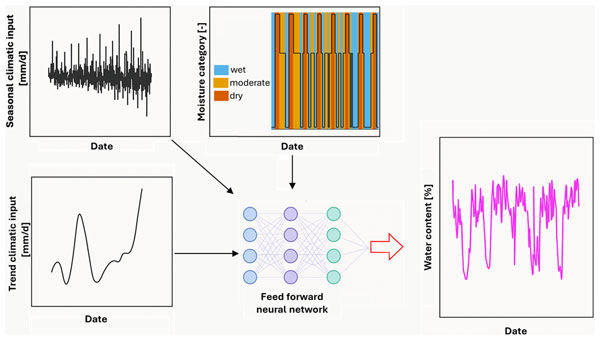
This study investigates how soils respond to major climatic disturbances, such as the extreme drought in Germany in 2018. Using long-term lysimeter observations and an artificial intelligence model, we show that persistent shifts in soil water dynamics indicate changes in hydraulic properties that may affect soil health, emphasizing the need for continuous monitoring under a changing climate.
Wenhong Wang, Shiao Feng, Yonggen Zhang, Zhongwang Wei, Jianzhi Dong, Lutz Weihermüller, Cong-Qiang Liu, and Harry Vereecken
Earth Syst. Sci. Data, 18, 1061–1088, https://doi.org/10.5194/essd-18-1061-2026, https://doi.org/10.5194/essd-18-1061-2026, 2026
Short summary
Short summary
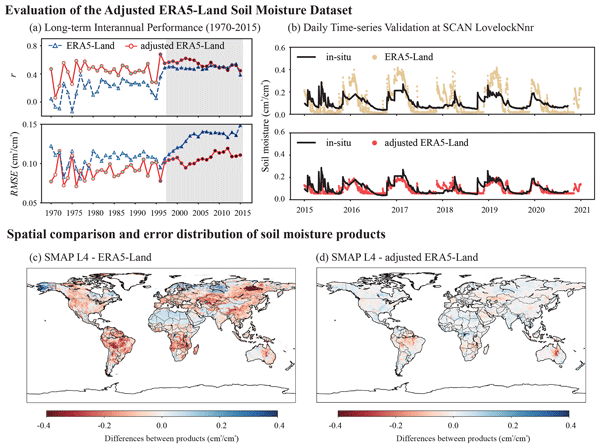
Current soil moisture data often suffers from gaps or errors. We combined the long-term coverage of ERA5-Land with the high accuracy of SMAP (Soil Moisture Active Passive) satellites to create a corrected global moisture dataset spanning 1950–2025. Validated against 3.8 million ground measurements, our product reduces errors by ~ 25 % in the modern period (2015–2020) and maintains ~ 20 % improvement historically (1960–2015). This reliable, daily 75-year record is essential for monitoring long-term climate trends and droughts.
Ting Zhang, Ran Zhang, Jianzhu Li, and Ping Feng
Hydrol. Earth Syst. Sci., 29, 5955–5974, https://doi.org/10.5194/hess-29-5955-2025, https://doi.org/10.5194/hess-29-5955-2025, 2025
Short summary
Short summary
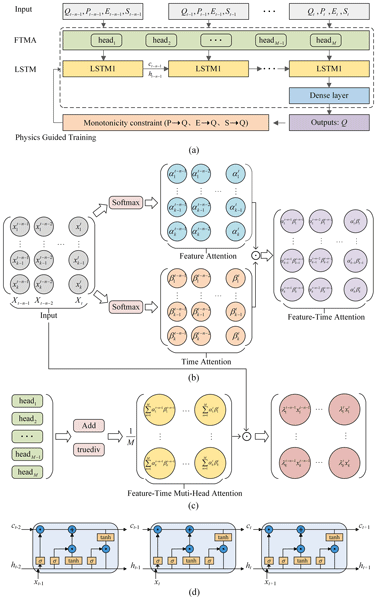
This study presents a model integrating attention mechanisms and physical constraints to improve flood prediction. It forecasts floods up to 6 h in advance. The model enhances accuracy by focusing on critical input features and historical patterns. Results demonstrate its superior performance compared to other models, offering improved flood prediction with greater interpretability and alignment with physical laws.
Manuela S. Kaufmann, Anja Klotzsche, Jan van der Kruk, Anke Langen, Harry Vereecken, and Lutz Weihermüller
SOIL, 11, 267–285, https://doi.org/10.5194/soil-11-267-2025, https://doi.org/10.5194/soil-11-267-2025, 2025
Short summary
Short summary
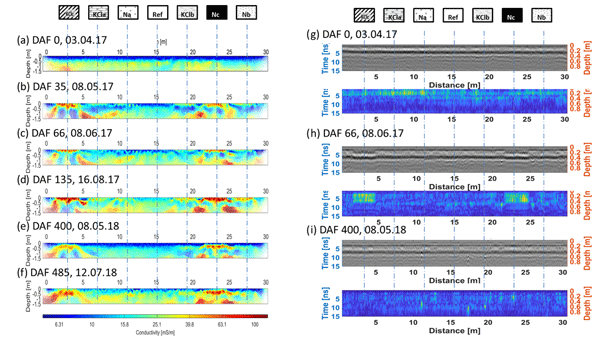
To use fertilizers more effectively, non-invasive geophysical methods can be used to understand nutrient distributions in the soil. We utilize, in a long-term field study, geophysical techniques to study soil properties and conditions under different fertilizer treatments. We compared the geophysical response with soil samples and soil sensor data. In particular, electromagnetic induction and electrical resistivity tomography were effective in monitoring changes in nitrate levels over time.
Yan Liu, Ting Zhang, Yi Ding, Aiqing Kang, Xiaohui Lei, and Jianzhu Li
Hydrol. Earth Syst. Sci., 28, 5541–5555, https://doi.org/10.5194/hess-28-5541-2024, https://doi.org/10.5194/hess-28-5541-2024, 2024
Short summary
Short summary
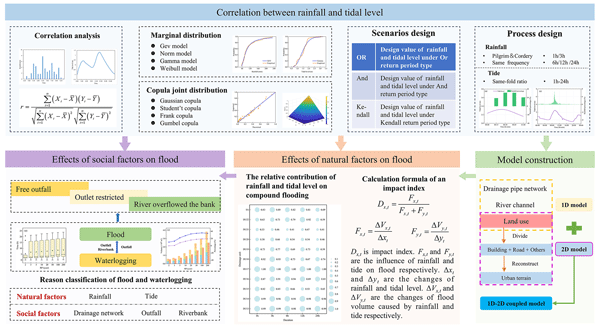
In coastal cities, rainfall and tides contribute to compound flooding. This study quantifies the impacts of rainfall and tides on compound flooding and analyzes interactions between different flood types. Findings show that rainfall generally has a greater effect on flooding than tide levels. The interaction between fluvial and pluvial flooding amplifies the flood disaster, with tide levels having the most significant impact during the interaction phase.
Tobias Karl David Weber, Lutz Weihermüller, Attila Nemes, Michel Bechtold, Aurore Degré, Efstathios Diamantopoulos, Simone Fatichi, Vilim Filipović, Surya Gupta, Tobias L. Hohenbrink, Daniel R. Hirmas, Conrad Jackisch, Quirijn de Jong van Lier, John Koestel, Peter Lehmann, Toby R. Marthews, Budiman Minasny, Holger Pagel, Martine van der Ploeg, Shahab Aldin Shojaeezadeh, Simon Fiil Svane, Brigitta Szabó, Harry Vereecken, Anne Verhoef, Michael Young, Yijian Zeng, Yonggen Zhang, and Sara Bonetti
Hydrol. Earth Syst. Sci., 28, 3391–3433, https://doi.org/10.5194/hess-28-3391-2024, https://doi.org/10.5194/hess-28-3391-2024, 2024
Short summary
Short summary
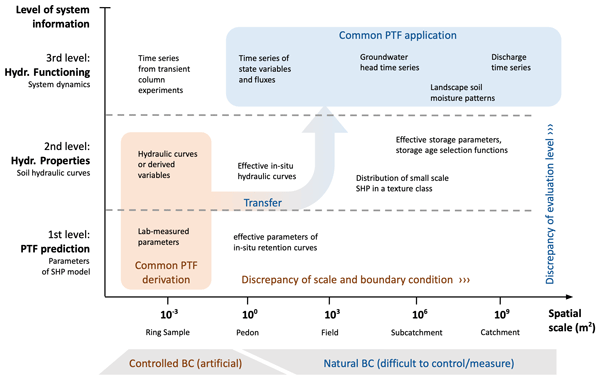
Pedotransfer functions (PTFs) are used to predict parameters of models describing the hydraulic properties of soils. The appropriateness of these predictions critically relies on the nature of the datasets for training the PTFs and the physical comprehensiveness of the models. This roadmap paper is addressed to PTF developers and users and critically reflects the utility and future of PTFs. To this end, we present a manifesto aiming at a paradigm shift in PTF research.
Siyao Zhang, Jianzhu Li, Ting Zhang, and Ping Feng
Hydrol. Earth Syst. Sci. Discuss., https://doi.org/10.5194/hess-2024-185, https://doi.org/10.5194/hess-2024-185, 2024
Manuscript not accepted for further review
Short summary
Short summary
Flash drought (FD) in the North China Plain (NCP) from 1981 to 2022 was identified by three methods. It occurs more frequently in central and northern NCP than southern, with longer duration in southern and eastern NCP. FD shows seasonal variations. NCP is prone to severe FDs. There is a decreasing trend in FD, with three hotspots in northwestern, eastern and southwestern NCP. The FD frequency is affected by thresholds in the identification methods. This study may be valuable for FD mitigation.
Yanchen Zheng, Gemma Coxon, Ross Woods, Daniel Power, Miguel Angel Rico-Ramirez, David McJannet, Rafael Rosolem, Jianzhu Li, and Ping Feng
Hydrol. Earth Syst. Sci., 28, 1999–2022, https://doi.org/10.5194/hess-28-1999-2024, https://doi.org/10.5194/hess-28-1999-2024, 2024
Short summary
Short summary
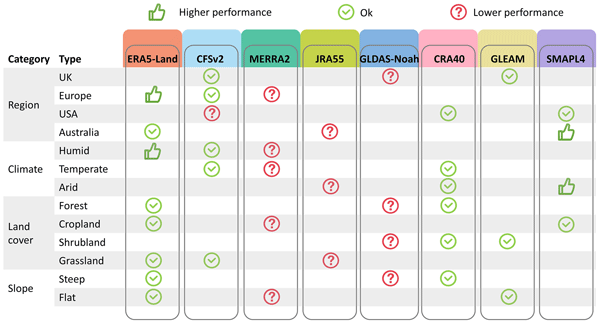
Reanalysis soil moisture products are a vital basis for hydrological and environmental research. Previous product evaluation is limited by the scale difference (point and grid scale). This paper adopts cosmic ray neutron sensor observations, a novel technique that provides root-zone soil moisture at field scale. In this paper, global harmonized CRNS observations were used to assess products. ERA5-Land, SMAPL4, CFSv2, CRA40 and GLEAM show better performance than MERRA2, GLDAS-Noah and JRA55.
Hao Chen, Tiejun Wang, Yonggen Zhang, Yun Bai, and Xi Chen
Geosci. Model Dev., 16, 5685–5701, https://doi.org/10.5194/gmd-16-5685-2023, https://doi.org/10.5194/gmd-16-5685-2023, 2023
Short summary
Short summary
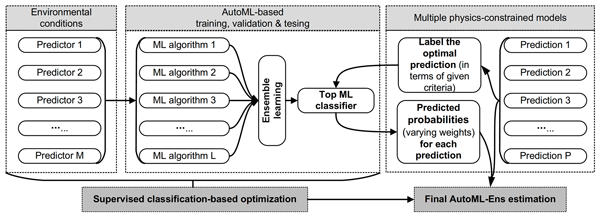
Effectively assembling multiple models for approaching a benchmark solution remains a long-standing issue for various geoscience domains. We here propose an automated machine learning-assisted ensemble framework (AutoML-Ens) that attempts to resolve this challenge. Results demonstrate the great potential of AutoML-Ens for improving estimations due to its two unique features, i.e., assigning dynamic weights for candidate models and taking full advantage of AutoML-assisted workflow.
Benjamin Guillaume, Hanane Aroui Boukbida, Gerben Bakker, Andrzej Bieganowski, Yves Brostaux, Wim Cornelis, Wolfgang Durner, Christian Hartmann, Bo V. Iversen, Mathieu Javaux, Joachim Ingwersen, Krzysztof Lamorski, Axel Lamparter, András Makó, Ana María Mingot Soriano, Ingmar Messing, Attila Nemes, Alexandre Pomes-Bordedebat, Martine van der Ploeg, Tobias Karl David Weber, Lutz Weihermüller, Joost Wellens, and Aurore Degré
SOIL, 9, 365–379, https://doi.org/10.5194/soil-9-365-2023, https://doi.org/10.5194/soil-9-365-2023, 2023
Short summary
Short summary
Measurements of soil water retention properties play an important role in a variety of societal issues that depend on soil water conditions. However, there is little concern about the consistency of these measurements between laboratories. We conducted an interlaboratory comparison to assess the reproducibility of the measurement of the soil water retention curve. Results highlight the need to harmonize and standardize procedures to improve the description of unsaturated processes in soils.
Cited articles
Arnold, J. G., Moriasi, D. N., Gassman, P. W., Abbaspour, K. C., White, M. J., Srinivasan, R., Santhi, C., Harmel, R. D., Van Griensven, A., an Liew, M. W. V., Kannan, N., and Jha, M. K.: SWAT: model use, calibration, and validation, Trans. ASABE, 55, 1491–1508, https://doi.org/10.13031/2013.42256, 2012.
Assefa, K. A. and Woodbury, A. D.: Transient, spatially varied groundwater recharge modeling, Water Resour. Res., 49, 4593–4606, https://doi.org/10.1002/wrcr.20332, 2013.
Assouline, S.: Infiltration into soils: conceptual approaches and solutions, Water Resour. Res., 49, 1755–1772, https://doi.org/10.1002/wrcr.20155, 2013.
Bierkens, M. F. P., Sutanudjaja, E. H., and Wanders, N.: Large-scale sensitivities of groundwater and surface water to groundwater withdrawal, Hydrol. Earth Syst. Sci., 25, 5859–5878, https://doi.org/10.5194/hess-25-5859-2021, 2021.
Brooks, R. H. and Corey, A. T.: Hydraulic properties of porous media, Hydrology Papers, Colorado State University, Fort Collins, CO, USA, 1964.
Cao, G. L., Scanlon, B. R., Han, D. M., and Zheng, C. M.: Impacts of thickening unsaturated zone on groundwater recharge in the North China Plain, J. Hydrol., 537, 260–270, https://doi.org/10.1016/j.jhydrol.2016.03.049, 2016.
Chen, L., Šimůnek, J., Bradford, S. A., Ajami, H., and Meles, M. B.: A computationally efficient hydrologic modeling framework to simulate surface–subsurface hydrological processes at the hillslope scale, J. Hydrol., 614, 128539, https://doi.org/10.1016/j.jhydrol.2022.128539, 2022.
Chen, X. Z., Wang, P. X., Muhammad, T., Xu, Z. C., and Li, Y. K.: Subsystem-level groundwater footprint assessment in North China Plain – the world's largest groundwater depression cone, Ecol. Indic., 117, 106662, https://doi.org/10.1016/j.ecolind.2020.106662, 2020.
Dadgar, M. A., Nakhaei, M., Porhemmat, J., Biswas, A., and Rostami, M.: Transient potential groundwater recharge under surface irrigation in a semiarid environment: an experimental and numerical study, Hydrol. Process., 32, 3771–3783, https://doi.org/10.1002/hyp.13287, 2018.
Dafny, E. and Šimůnek, J.: Infiltration in layered loessial deposits: revised numerical simulations and recharge assessment, J. Hydrol., 538, 339–354, https://doi.org/10.1016/j.jhydrol.2016.04.029, 2016.
Di Ciacca, A., Wilson, S., Durney, P., Stecca, G., and Wöhling, T.: Model simplification to simulate groundwater recharge from a perched gravel-bed river, J. Hydrol., 643, 132016, https://doi.org/10.1016/j.jhydrol.2024.132016, 2024.
Dillon, P., Stuyfzand, P., Grischek, T., Lluria, M., Pyne, R. D. G., Jain, R. C., Bear, J., Schwarz, J., Wang, W., Fernandez, E., Stefan, C., Pettenati, M., Van der Gun, J., Sprenger, C., Massmann, G., Scanlon, B. R., Xanke, J., Jokela, P., Zheng, Y., Rossetto, R., Shamrukh, M., Pavelic, P., Murray, E., Ross, A., Bonilla Valverde, J. P., Palma Nava, A., Ansems, N., Posavec, K., Ha, K., Martin, R., and Sapiano, M.: Sixty years of global progress in managed aquifer recharge, Hydrogeol. J., 27, 1–30, https://doi.org/10.1007/s10040-018-1841-z, 2019.
Fan, Y., Clark, M., Lawrence, D. M., Swenson, S., Band, L. E., Brantley, S. L., Brooks, P. D., Dietrich, W. E., Flores, A., Grant, G., Kirchner, J. W., Mackay, D. S., McDonnell, J. J., Milly, P. C. D., Sullivan, P. L., Tague, C., Ajami, H., Chaney, N., Hartmann, A., Hazenberg, P., McNamara, J., Pelletier, J., Perket, J., Rouholahnejad-Freund, E., Wagener, T., Zeng, X., Beighley, E., Buzan, J., Huang, M., Livneh, B., Mohanty, B. P., Nijssen, B., Safeeq, M., Shen, C., Van Verseveld, W., Volk, J., and Yamazaki, D.: Hillslope hydrology in global change research and Earth system modeling, Water Resour. Res., 55, 1737–1772, https://doi.org/10.1029/2018WR023903, 2019.
Ganot, Y., Holtzman, R., Weisbrod, N., Nitzan, I., Katz, Y., and Kurtzman, D.: Monitoring and modeling infiltration–recharge dynamics of managed aquifer recharge with desalinated seawater, Hydrol. Earth Syst. Sci., 21, 4479–4493, https://doi.org/10.5194/hess-21-4479-2017, 2017.
Gao, Y., Fu, Y. C., Chen, J. J., and Sun, D. A.: A novel equation for simulating the bimodal soil–water retention curve of unsaturated soils, Acta Geotech., 19, 5347–5362, https://doi.org/10.1007/s11440-024-02233-y, 2024.
Huo, S. Y., Jin, M. G., Liang, X., and Lin, D.: Changes of vertical groundwater recharge with increase in thickness of vadose zone simulated by one-dimensional variably saturated flow model, J. Earth Sci., 25, 1043–1050, https://doi.org/10.1007/s12583-014-0486-7, 2014.
Isch, A., Coquet, Y., Abbar, B., Aldana, C., Abbas, M., Bruand, A., and Azaroual, M.: A comprehensive experimental and numerical analysis of water flow and travel time in a highly heterogeneous vadose zone, J. Hydrol., 610, 127875, https://doi.org/10.1016/j.jhydrol.2022.127875, 2022.
Jasechko, S. and Perrone, D.: Global groundwater wells at risk of running dry, Science, 372, 418–421, https://doi.org/10.1126/science.abc2755, 2021.
Jie, F., Fei, L., Li, S., Hao, K., Liu, L., Li, J., and Liu, N.: Quantitative effects of vadose zone thickness on delayed recharge of groundwater for an irrigation district in an arid area of Northwest China, J. Hydrol.: Reg. Stud., 40, 101022, https://doi.org/10.1016/j.ejrh.2022.101022, 2022.
Karandish, F., Liu, S. D., and De Graaf, I.: Global groundwater sustainability: a critical review of strategies and future pathways, J. Hydrol., 657, 133060, https://doi.org/10.1016/j.jhydrol.2025.133060, 2025.
Kroes, J. G. and Supit, I.: Impact analysis of drought, water excess, and salinity on grass production in The Netherlands using historical and future climate data, Agric. Ecosyst. Environ., 144, 370–381, https://doi.org/10.1016/j.agee.2011.09.008, 2011.
Kuang, X. X., Liu, J. G., Scanlon, B. R., Jiao, J. J., Jasechko, S., Lancia, M., Biskaborn, B. K., Wada, Y., Li, H. L., Zeng, Z. Z., Guo, Z. L., Yao, Y. Y., Gleeson, T., Nicot, J. P., Luo, X., Zou, Y. G., and Zheng, C. M.: The changing nature of groundwater in the global water cycle, Science, 383, https://doi.org/10.1126/science.adf0630, 2024.
Li, B. A., Sprenger, M., Wyatt, B. M., Giménez, D., Hirmas, D. R., Ajami, H., Wiekenkamp, I., Groh, J., Nimmo, J. R., Amato, M. T., Singh, N. K., Crompton, O., Araki, R., Xu, T. F., and Sullivan, P. L.: Ubiquity and causes of soil water preferential flow across 17 ecoregions. Geophys. Res. Lett., 52, e2025GL118045, https://doi.org/10.1029/2025GL118045, 2025.
Li, Y. B., Liu, Y., Fan, H. Y., Xing, X. G., Wu, L., and Ma, X. Y.: Characteristics and simplified model of film slit irrigation, Arch. Agron. Soil Sci., 65, 16–30, https://doi.org/10.1080/03650340.2018.1477254, 2019.
Liu, R. L., Zhong, B., Li, X. P., Zheng, K. Y., Liang, H., Cao, J. M., Yan, X., and Lyu, H. X.: Analysis of groundwater changes (2003–2020) in the North China Plain using geodetic measurements, J. Hydrol.: Reg. Stud., 41, 101085, https://doi.org/10.1016/j.ejrh.2022.101085, 2022.
Long, D., Xu, Y. C., Cui, Y. J., Cui, Y. H., Butler, J. J., Dong, L., Wang, L. F., Liu, D. Y., Wada, Y., Hu, L. T., Bai, G. Y., Li, B. H., Wang, S. F., Nong, X. Z., Cai, Y., Cheng, C. S., Mu, Y. H., Qiao, Y., Wang, J. H., Wang, H., and Scanlon, B. R.: Unprecedented large-scale aquifer recovery through human intervention, Nat. Commun., 16, 7296, https://doi.org/10.1038/s41467-025-62719-5, 2025.
Min, L. L., Shen, Y. J., and Pei, H. W.: Estimating groundwater recharge using deep vadose zone data under typical irrigated cropland in the piedmont region of the North China Plain, J. Hydrol., 527, 305–315, https://doi.org/10.1016/j.jhydrol.2015.04.064, 2015.
Min, L. L., Qi, Y. Q., Shen, Y. J., Wang, P., Wang, S. Q., and Liu, M. Y.: Groundwater recharge under irrigated agro-ecosystems in the North China Plain: from a critical zone perspective, J. Geogr. Sci., 29, 877–890, https://doi.org/10.1007/s11442-019-1634-x, 2019.
Moeck, C., Collenteur, R. A., Berghuijs, W. R., Luijendijk, E., and Gurdak, J. J.: A global assessment of groundwater recharge response to infiltration variability at monthly to decadal timescales, Water Resour. Res., 60, https://doi.org/10.1029/2023WR035828, 2024.
Nan, T., Cao, W. G., Ren, Y. G., Sun, L., and Gao, Y. Y.: Evolution and influence factors of shallow groundwater depression cone in the Beijing–Tianjin–Hebei Plain, South-to-North Water Transfers and Water Sci. Technol., 22, 110–121, https://doi.org/10.13476/j.cnki.nsbdqk.2024.0013, 2024 (in Chinese).
Niswonger, R. G., Prudic, D. E., Pohll, G., and Constantz, J.: Incorporating seepage losses into the unsteady streamflow equations for simulating intermittent flow along mountain front streams, Water Resour. Res., 41, https://doi.org/10.1029/2004WR003677, 2005.
O'brien, R. M.: A Caution regarding rules of thumb for variance inflation factors, Qual. Quant., 41, 673–690, https://doi.org/10.1007/s11135-006-9018-6, 2007.
Oliver, M. A. and Webster, R.: A tutorial guide to geostatistics: Computing and modelling variograms and kriging, Catena, 113, 56–69, https://doi.org/10.1016/j.catena.2013.09.006, 2014.
Pereira, L. S., Allen, R. G., Smith, M., and Raes, D.: Crop evapotranspiration estimation with FAO56: past and future, Agric. Water Manag., 147, 4–20, https://doi.org/10.1016/j.agwat.2014.07.031, 2015.
Racz, A. J., Fisher, A. T., Schmidt, C. M., Lockwood, B. S., and Los Huertos, M.: Spatial and temporal infiltration dynamics during managed aquifer recharge, Ground Water, 50, 562–570, https://doi.org/10.1111/j.1745-6584.2011.00875.x, 2012.
Ruehl, C., Fisher, A. T., Hatch, C., Los Huertos, M., Stemler, G., and Shennan, C.: Differential gauging and tracer tests resolve seepage fluxes in a strongly losing stream, J. Hydrol., 330, 235–248, https://doi.org/10.1016/j.jhydrol.2006.03.025, 2006.
Schübl, M., Brunetti, G., Fuchs, G., and Stumpp, C.: Estimating vadose zone water fluxes from soil water monitoring data: a comprehensive field study in Austria, Hydrol. Earth Syst. Sci., 27, 1431–1455, https://doi.org/10.5194/hess-27-1431-2023, 2023.
Scanlon, B. R., Fakhreddine, S., Rateb, A., De Graaf, I., Famiglietti, J., Gleeson, T., Grafton, R. Q., Jobbágy, E., Kebede, S., Kolusu, S., Konikow, L. F., Long, D., Mekonnen, M., Schmied, H. M., Mukherjee, A., MacDonald, A., Reedy, R. C., Shamsudduha, M., Simmons, C. T., Sun, A. L., Taylor, R. G., Villholth, K. G., Vörösmarty, C., and Zheng, C. M.: Global water resources and the role of groundwater in a resilient water future, Nat. Rev. Earth Environ., 4, 87–101, https://doi.org/10.1038/s43017-022-00378-6, 2023.
Shanafield, M., Gutiérrez-Jurado, K., White, N., Hatch, M., and Keane, R.: Catchment-scale characterization of intermittent stream infiltration: a geophysics approach, J. Geophys. Res.-Earth, 125, e2019JF005330, https://doi.org/10.1029/2019JF005330, 2020.
Shirzaei, M., Freymueller, J., Törnqvist, T. E., Galloway, D. L., Dura, T., and Minderhoud, P. S. J.: Measuring, modelling, and projecting coastal land subsidence, Nat. Rev. Earth Environ., 2, 40–58, https://doi.org/10.1038/s43017-020-00115-x, 2021.
Šimůnek, J., Van Genuchten, M. T., and Sejna, M.: Hydrus: model use, calibration, and validation, Trans. ASABE, 55, 1261–1274, https://doi.org/10.13031/2013.42239, 2012.
Šimůnek, J., Van Genuchten, M. T., and Sejna, M.: Recent developments and applications of the HYDRUS computer software packages, Vadose Zone J., 15, 1–25, https://doi.org/10.2136/vzj2016.04.0033, 2016.
Šimůnek, J., Brunetti, G., Jacques, D., Van Genuchten, M. T., and Sejna, M.: Developments and applications of the HYDRUS computer software packages since 2016, Vadose Zone J., 23, https://doi.org/10.1002/vzj2.20310, 2024.
Stafford, M. J., Holländer, H. M., and Dow, K.: Estimating groundwater recharge in the Assiniboine Delta Aquifer using HYDRUS-1D, Agric. Water Manag., 267, 107514, https://doi.org/10.1016/j.agwat.2022.107514, 2022.
Stumpp, C. and Kammerer, G.: The vadose zone – a semi-aquatic ecosystem, in: Encyclopedia of Inland Waters, 2nd edn., edited by: Mehner, T. and Tockner, K., Elsevier, 331–338, ISBN 978-0-12-822041-2, 2022.
Szabó, B., Szatmári, G., Takács, K., Laborczi, A., Makó, A., Rajkai, K., and Pásztor, L.: Mapping soil hydraulic properties using random-forest-based pedotransfer functions and geostatistics, Hydrol. Earth Syst. Sci., 23, 2615–2635, https://doi.org/10.5194/hess-23-2615-2019, 2019.
van Dam, J. C., Groenendijk, P., Hendriks, R. F. A., and Kroes, J. G.: Advances of modeling water flow in variably saturated soils with SWAP, Vadose Zone J., 7, 640–653, https://doi.org/10.2136/vzj2007.0060, 2008.
van Genuchten, M. T.: A closed-form equation for predicting the hydraulic conductivity of unsaturated soils, Soil Sci. Soc. Am. J., 44, 892–898, https://doi.org/10.2136/sssaj1980.03615995004400050002x, 1980.
Vereecken, H., Weihermüller, L., Assouline, S., Šimůnek, J., Verhoef, A., Herbst, M., Archer, N., Mohanty, B., Montzka, C., Vanderborght, J., Balsamo, G., Bechtold, M., Boone, A., Chadburn, S., Cuntz, M., Decharme, B., Ducharne, A., Ek, M., Garrigues, S., Goergen, K., Ingwersen, J., Kollet, S., Lawrence, D. M., Li, Q., Or, D., Swenson, S., De Vrese, P., Walko, R., Wu, Y. H., and Xue, Y. K.: Infiltration from the pedon to global grid scales: an overview and outlook for land surface modeling, Vadose Zone J., 18, 1–53, https://doi.org/10.2136/vzj2018.10.0191, 2019.
Vogel, T., Van Genuchten, M. T., and Cislerova, M.: Effect of the shape of the soil hydraulic functions near saturation on variably saturated flow predictions, Adv. Water Resour., 24, 133–144, https://doi.org/10.1016/S0309-1708(00)00037-3, 2001.
Wang, W. Z., Xia, Y., Sun, J. N., Liu, Y. Z., Li, P. Y., Han, F. P., and Li, Z.: Uncertainties in physical and tracer methods in actual groundwater recharge estimation in the thick loess deposits of China, J. Hydrol., 634, 131127, https://doi.org/10.1016/j.jhydrol.2024.131127, 2024.
Wang, X.-S., Ma, M.-G., Li, X., Zhao, J., Dong, P., and Zhou, J.: Groundwater response to leakage of surface water through a thick vadose zone in the middle reaches area of Heihe River Basin, in China, Hydrol. Earth Syst. Sci., 14, 639–650, https://doi.org/10.5194/hess-14-639-2010, 2010.
Weihermüller, L., Lehmann, P., Herbst, M., Rahmati, M., Verhoef, A., Or, D., Jacques, D., and Vereecken, H.: Choice of pedotransfer functions matters when simulating soil water balance fluxes, J. Adv. Model. Earth Syst., 13, https://doi.org/10.1029/2020MS002404, 2021.
Wesseling, J. G.: Meerjarige simulaties van grondwaterontrekking voor verschillende bodemprofielen, grondwatertrappen en gewassen met het model SWATRE, Report 152, Winand Staring Centre, Wageningen, the Netherlands, 1991 (in Dutch).
Wesseling, J. G. and Feddes, R. A.: Assessing crop water productivity from field to regional scale, Agric. Water Manag., 86, 30–39, https://doi.org/10.1016/j.agwat.2006.06.011, 2006.
Wolf, C., Gurdak, J. J., Lauffenburger, Z., Nanus, L., and Maurer, E.: Controls on recharge in thick vadose zones under climate variability and change, Hydrogeol. J., 30, 1637–1655, https://doi.org/10.1007/s10040-022-02504-6, 2022.
Wu, L., Min, L. L., Liu, M. Y., Zhang, Y. C., Pei, H. W., Li, H. J., Zhang, G. L., Wang, S. Q., and Shen, Y. J.: Monitoring of thick vadose zone water dynamics under irrigation using a 48 m deep caisson at the Luancheng Critical Zone Observatory, Water Resour. Res., 59, https://doi.org/10.1029/2022WR032965, 2023.
Xi, H. Y., Zhang, L., Feng, Q., Si, J. H., Chang, Z. Q., and Yu, T.: The spatial heterogeneity of riverbed saturated permeability coefficient in the lower reaches of the Heihe River Basin, Northwest China, Hydrol. Process., 29, 4891–4907, https://doi.org/10.1002/hyp.10544, 2015.
Yin, X. R., Shu, L. C., Wang, Z., Li, Y. X., Zhou, L., Lv, C., Li, S., Liu, B., and Lu, C. P.: Quantifying the time-varying period and time lag features of groundwater response: dynamic impacts of precipitation-fed groundwater recharge, Ecol. Indic., 176, 113648, https://doi.org/10.1016/j.ecolind.2025.113648, 2025.
Zafarmomen, N., Alizadeh, H., Bayat, M., Ehtiat, M., and Moradkhani, H.: Assimilation of Sentinel-based leaf area index for modeling surface–ground water interactions in irrigation districts, Water Resour. Res., 60, e2023WR036080, https://doi.org/10.1029/2023WR036080, 2024.
Zhang, Y. G. and Schaap, M. G.: Weighted recalibration of the Rosetta pedotransfer model with improved estimates of hydraulic parameter distributions and summary statistics (Rosetta3), J. Hydrol., 547, 39–53, https://doi.org/10.1016/j.jhydrol.2017.01.004, 2017.
Zhang, Y. J., Yuan, J. G., and Zhang, S.: Spatial–temporal change of leaf area index (LAI) of vegetation in Hebei Province from 2002 to 2011, J. Nanjing For. Univ. (Nat. Sci. Ed.), 39, 86–92, https://doi.org/10.3969/j.issn.1000-2006.2015.01.016, 2015 (in Chinese).
Zhao, W., Jia, X. Y., Wu, L. S., Liu, P., and Zhang, H.: Analysis of influencing factors of groundwater level change in Ningbailong groundwater funnel, Water Resour. Plan. Des., 11, 48–52, https://slgh.cbpt.cnki.net/portal/journal/portal/client/paper/b3b7b38636c393e7add096030380fbcd (last access: 21 June 2026), 2020 (in Chinese).
Zhou, H., Dai, M., Wei, M., and Luo, Z. C.: Quantitative assessment of shallow groundwater sustainability in North China Plain, Remote Sens., 15, 474, https://doi.org/10.3390/rs15020474, 2023.
Short summary
The North China Plain, home to over 300 million people, faces groundwater decline from irrigation, creating 80-meter-deep zones threatening supplies. We modeled rain and river infiltration using borehole and weather records to study restoration. Rain recharge averages 446 days, varying nearly 140 times: 10 days in sandy western foothills to 1395 days in clayey central/eastern plains. River recharge is faster at 91 days, suggesting flood basins could accelerate recovery for sustainable farming.
The North China Plain, home to over 300 million people, faces groundwater decline from...


