
Articles | Volume 30, issue 8
https://doi.org/10.5194/hess-30-2523-2026
© Author(s) 2026. This work is distributed under
the Creative Commons Attribution 4.0 License.
the Creative Commons Attribution 4.0 License.
https://doi.org/10.5194/hess-30-2523-2026
© Author(s) 2026. This work is distributed under
the Creative Commons Attribution 4.0 License.
the Creative Commons Attribution 4.0 License.
Research article
| 
29 Apr 2026
Research article |
| 29 Apr 2026
| 29 Apr 2026
Detecting the resilience of soil moisture dynamics to drought periods as a function of soil type and climatic region
Nedal Aqel
CORRESPONDING AUTHOR

Physics of Soils and Terrestrial Ecosystems, ETH Zurich, Zurich, Switzerland
Jannis Groh
Institute of Bio- and Geoscience IBG-3: Agrosphere, Forschungszentrum Jülich GmbH, Jülich, Germany
Biogeochemistry and Gas Fluxes, Leibniz Institute for Agricultural and Landscape Research (ZALF), Müncheberg, Germany
Lutz Weihermüller
Institute of Bio- and Geoscience IBG-3: Agrosphere, Forschungszentrum Jülich GmbH, Jülich, Germany
Ralf Gründling
Department of Soil System Science, Helmholtz-Zentrum für Umweltforschung GmbH – UFZ, Halle, Germany
Andrea Carminati
Physics of Soils and Terrestrial Ecosystems, ETH Zurich, Zurich, Switzerland
Peter Lehmann
Physics of Soils and Terrestrial Ecosystems, ETH Zurich, Zurich, Switzerland
Related authors
Nedal Aqel, Lea Reusser, Stephan Margreth, Andrea Carminati, and Peter Lehmann
Geosci. Model Dev., 17, 6949–6966, https://doi.org/10.5194/gmd-17-6949-2024, https://doi.org/10.5194/gmd-17-6949-2024, 2024
Short summary
Short summary
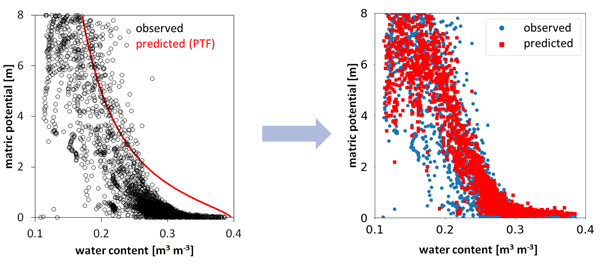
The soil water potential (SWP) determines various soil water processes. Since remote sensing techniques cannot measure it directly, it is often deduced from volumetric water content (VWC) information. However, under dynamic field conditions, the relationship between SWP and VWC is highly ambiguous due to different factors that cannot be modeled with the classical approach. Applying a deep neural network with an autoencoder enables the prediction of the dynamic SWP.
Niklas Schmücker, Madlene Nussbaum, Alice Johannes, Claudia Guidi, and Peter Lehmann
EGUsphere, https://doi.org/10.5194/egusphere-2026-4629, https://doi.org/10.5194/egusphere-2026-4629, 2026
This preprint is open for discussion and under review for SOIL (SOIL).
Short summary
Short summary
Healthy soil is essential for forests, but assessing its condition usually requires expensive and time-consuming measurements. We tested whether a simple field method originally developed for farmland can also be used in temperate forests. We found that it provides reliable information about soil condition and water movement when interpreted together with soil acidity and texture. This makes it a practical tool for monitoring and protecting forest soils.
Eileen Lucia Waeber, Fabian J. P. Wankmüller, Sara Di Bert, and Andrea Carminati
EGUsphere, https://doi.org/10.5194/egusphere-2026-5107, https://doi.org/10.5194/egusphere-2026-5107, 2026
This preprint is open for discussion and under review for Hydrology and Earth System Sciences (HESS).
Short summary
Short summary
Water flow models are often based on hydraulic variables, which are solely dependent on internal plant traits. We found that this approach is valid in fine soils, but fails in sandy soils, where it is crucial to explicitly include soil hydraulic properties for an accurate description. Our paper also shows that soil properties have a larger impact on plant transpiration in coarser-grained soils. Knowing this, we can make better predictions of plant water use and drought responses in the future.
Shenghao Xu, Yonggen Zhang, Xinwang Li, Jianzhu Li, Wenhao Shi, Shaowei Lian, Lei Li, Lutz Weihermüller, and Marcel Schaap
Hydrol. Earth Syst. Sci., 30, 3763–3787, https://doi.org/10.5194/hess-30-3763-2026, https://doi.org/10.5194/hess-30-3763-2026, 2026
Short summary
Short summary
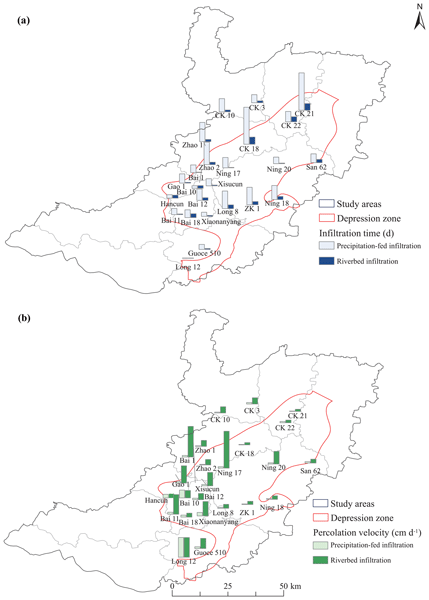
The North China Plain, home to over 300 million people, faces groundwater decline from irrigation, creating 80-meter-deep zones threatening supplies. We modeled rain and river infiltration using borehole and weather records to study restoration. Rain recharge averages 446 days, varying nearly 140 times: 10 days in sandy western foothills to 1395 days in clayey central/eastern plains. River recharge is faster at 91 days, suggesting flood basins could accelerate recovery for sustainable farming.
Tobias Halter, Manfred Stähli, Alexander Bast, Peter Lehmann, and Jordan Aaron
EGUsphere, https://doi.org/10.5194/egusphere-2026-2858, https://doi.org/10.5194/egusphere-2026-2858, 2026
Short summary
Short summary
Despite substantial progress in predicting landslide susceptibility, landslides still occur at unexpected locations. In this article, we investigated the root causes of these mispredictions by analysing surface and subsurface field observations. Our findings highlight the inherent limitations of state-of-the-art machine learning models. The articles advocates for a shift toward process-based understanding and the integration and advancement of high-resolution in-situ and remote sensing data.
Francois Rineau, Alexander H. Frank, Jannis Groh, Kristof Grosjean, Arnaud Legout, Daniil I. Kolokolov, Michel Mench, Maria Moreno-Druet, Benoît Pollier, Virmantas Povilaitis, Johanna Pausch, Thomas Puetz, Tjalling Rooks, Peter Schröder, Wieslaw Szulc, Beata Rutkowska, Xander Swinnen, Sofie Thijs, Harry Vereecken, Janna V. Veselovskaya, Mwahija Zubery, Renaldas Žydelis, and Evelin Loit
Biogeosciences, 23, 2261–2276, https://doi.org/10.5194/bg-23-2261-2026, https://doi.org/10.5194/bg-23-2261-2026, 2026
Short summary
Short summary
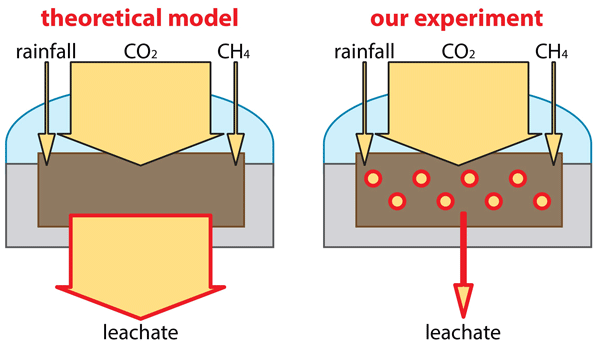
Enhanced weathering can significantly slow climate change by capturing CO2 and converting it into stable bicarbonate. In study, this method removed up to 1.5 tons of carbon per hectare in a single growing season. We had however very little evidence of bicarbonate formation. Our findings show that enhanced weathering facilitated instead carbon accrual via not only carbonate precipitation but also enhanced biogeochemical activities promoting additional carbon storage.

Belén Martí, Jannis Groh, Guylaine Canut, and Aaron Boone
Geosci. Model Dev., 19, 1991–2021, https://doi.org/10.5194/gmd-19-1991-2026, https://doi.org/10.5194/gmd-19-1991-2026, 2026
Short summary
Short summary
The characterization of vegetation at two sites proved insufficient to adequately simulate the evapotranspiration. A dry surface layer was implemented in the land surface model SURFEX-ISBA (Externalized Surface-Interactions Soil-Biosphere-Atmosphere) v9.0. It is compared to simulations without a soil resistance. The application to an alfalfa site and a natural grass site in semiarid conditions results in an improvement in the estimation of the latent heat flux. The surface energy budget and the soil and vegetation characteristics are explored in detail.
Wenhong Wang, Shiao Feng, Yonggen Zhang, Zhongwang Wei, Jianzhi Dong, Lutz Weihermüller, Cong-Qiang Liu, and Harry Vereecken
Earth Syst. Sci. Data, 18, 1061–1088, https://doi.org/10.5194/essd-18-1061-2026, https://doi.org/10.5194/essd-18-1061-2026, 2026
Short summary
Short summary
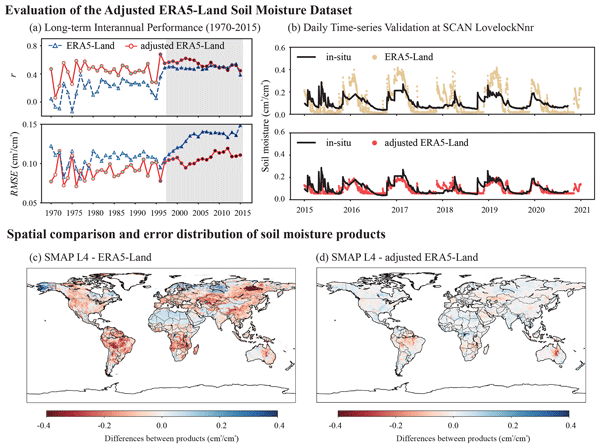
Current soil moisture data often suffers from gaps or errors. We combined the long-term coverage of ERA5-Land with the high accuracy of SMAP (Soil Moisture Active Passive) satellites to create a corrected global moisture dataset spanning 1950–2025. Validated against 3.8 million ground measurements, our product reduces errors by ~ 25 % in the modern period (2015–2020) and maintains ~ 20 % improvement historically (1960–2015). This reliable, daily 75-year record is essential for monitoring long-term climate trends and droughts.
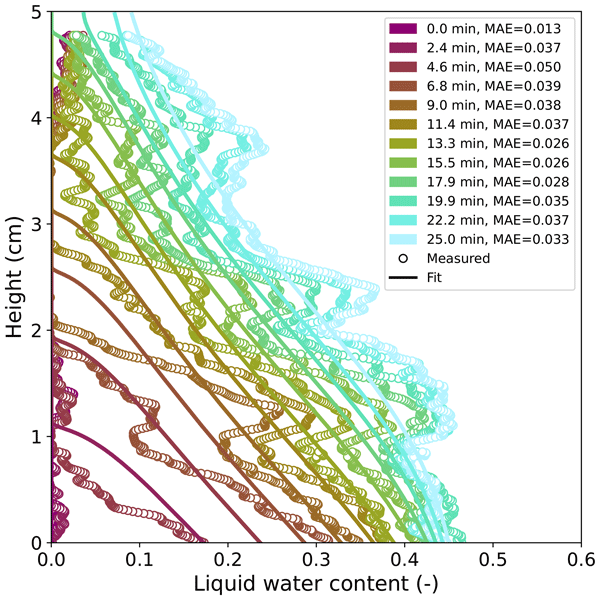
Michael Lombardo, Amelie Fees, Anders Kaestner, Alec van Herwijnen, Jürg Schweizer, and Peter Lehmann
The Cryosphere, 19, 4437–4458, https://doi.org/10.5194/tc-19-4437-2025, https://doi.org/10.5194/tc-19-4437-2025, 2025
Short summary
Short summary
Water flow in snow is important for many applications including snow hydrology and avalanche forecasting. This work investigated the role of capillary forces at the soil-snow interface during capillary rise experiments using neutron radiography. The results showed that the properties of both the snow and the transitional layer below the snow affected the water flow. This work will allow for better representations of water flow across the soil–snow interface in snowpack models.
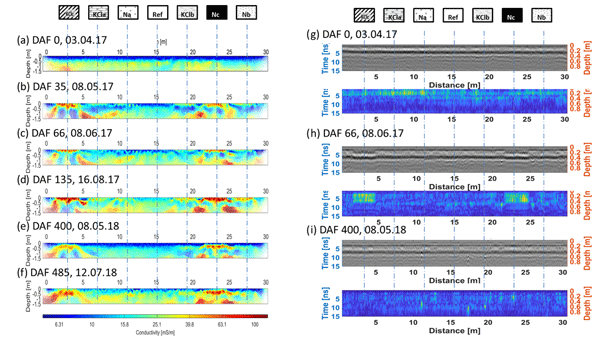
Manuela S. Kaufmann, Anja Klotzsche, Jan van der Kruk, Anke Langen, Harry Vereecken, and Lutz Weihermüller
SOIL, 11, 267–285, https://doi.org/10.5194/soil-11-267-2025, https://doi.org/10.5194/soil-11-267-2025, 2025
Short summary
Short summary
To use fertilizers more effectively, non-invasive geophysical methods can be used to understand nutrient distributions in the soil. We utilize, in a long-term field study, geophysical techniques to study soil properties and conditions under different fertilizer treatments. We compared the geophysical response with soil samples and soil sensor data. In particular, electromagnetic induction and electrical resistivity tomography were effective in monitoring changes in nitrate levels over time.
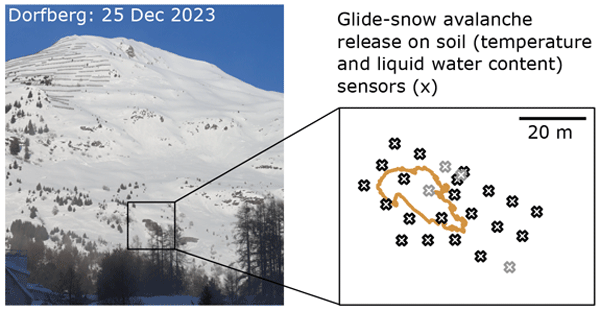
Amelie Fees, Michael Lombardo, Alec van Herwijnen, Peter Lehmann, and Jürg Schweizer
The Cryosphere, 19, 1453–1468, https://doi.org/10.5194/tc-19-1453-2025, https://doi.org/10.5194/tc-19-1453-2025, 2025
Short summary
Short summary
Glide-snow avalanches release at the soil–snow interface due to a loss of friction, which is suspected to be linked to interfacial water. The importance of the interfacial water was investigated with a spatio-temporal monitoring setup for soil and local snow on an avalanche-prone slope. Seven glide-snow avalanches were released on the monitoring grid (winter seasons 2021/22 to 2023/24) and provided insights into the source, quantity, and spatial distribution of interfacial water before avalanche release.
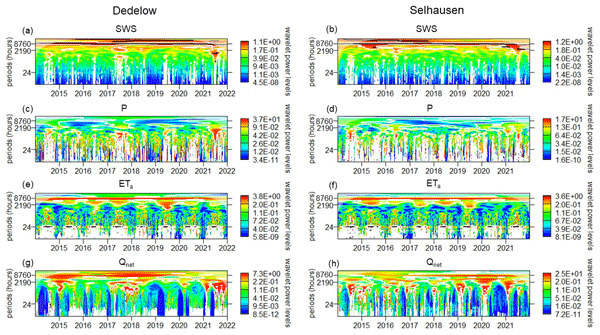
Annelie Ehrhardt, Jannis Groh, and Horst H. Gerke
Hydrol. Earth Syst. Sci., 29, 313–334, https://doi.org/10.5194/hess-29-313-2025, https://doi.org/10.5194/hess-29-313-2025, 2025
Short summary
Short summary
Soil water storage (SWS) describes the amount of water in the root zone of plants accessible for crop growth. SWS underlies annual cycles with maximum values in winter and minimum values in summer. For a soil that was transferred from a drier to a more humid climate we found that the maximum peak of SWS occurs earlier every year. This can be explained by an earlier start of the vegetation period. It is a first indication that the ability of soils to store water is affected by different climate.
Amelie Fees, Alec van Herwijnen, Michael Lombardo, Jürg Schweizer, and Peter Lehmann
Nat. Hazards Earth Syst. Sci., 24, 3387–3400, https://doi.org/10.5194/nhess-24-3387-2024, https://doi.org/10.5194/nhess-24-3387-2024, 2024
Short summary
Short summary
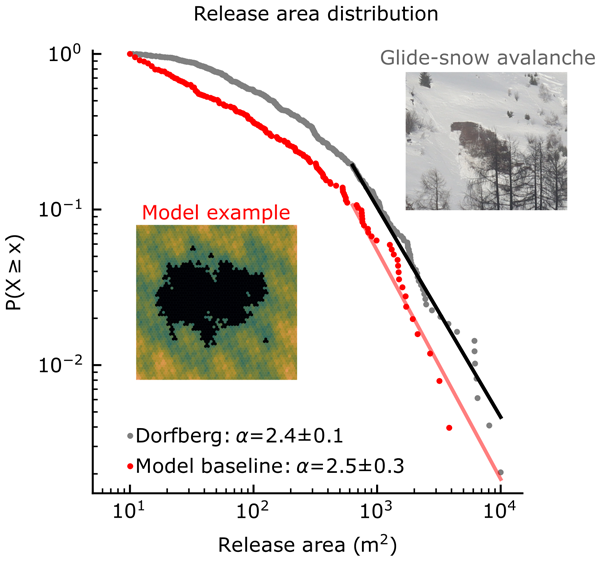
Glide-snow avalanches release at the ground–snow interface, and their release process is poorly understood. To investigate the influence of spatial variability (snowpack and basal friction) on avalanche release, we developed a 3D, mechanical, threshold-based model that reproduces an observed release area distribution. A sensitivity analysis showed that the distribution was mostly influenced by the basal friction uniformity, while the variations in snowpack properties had little influence.
Nedal Aqel, Lea Reusser, Stephan Margreth, Andrea Carminati, and Peter Lehmann
Geosci. Model Dev., 17, 6949–6966, https://doi.org/10.5194/gmd-17-6949-2024, https://doi.org/10.5194/gmd-17-6949-2024, 2024
Short summary
Short summary
The soil water potential (SWP) determines various soil water processes. Since remote sensing techniques cannot measure it directly, it is often deduced from volumetric water content (VWC) information. However, under dynamic field conditions, the relationship between SWP and VWC is highly ambiguous due to different factors that cannot be modeled with the classical approach. Applying a deep neural network with an autoencoder enables the prediction of the dynamic SWP.
Tobias Karl David Weber, Lutz Weihermüller, Attila Nemes, Michel Bechtold, Aurore Degré, Efstathios Diamantopoulos, Simone Fatichi, Vilim Filipović, Surya Gupta, Tobias L. Hohenbrink, Daniel R. Hirmas, Conrad Jackisch, Quirijn de Jong van Lier, John Koestel, Peter Lehmann, Toby R. Marthews, Budiman Minasny, Holger Pagel, Martine van der Ploeg, Shahab Aldin Shojaeezadeh, Simon Fiil Svane, Brigitta Szabó, Harry Vereecken, Anne Verhoef, Michael Young, Yijian Zeng, Yonggen Zhang, and Sara Bonetti
Hydrol. Earth Syst. Sci., 28, 3391–3433, https://doi.org/10.5194/hess-28-3391-2024, https://doi.org/10.5194/hess-28-3391-2024, 2024
Short summary
Short summary
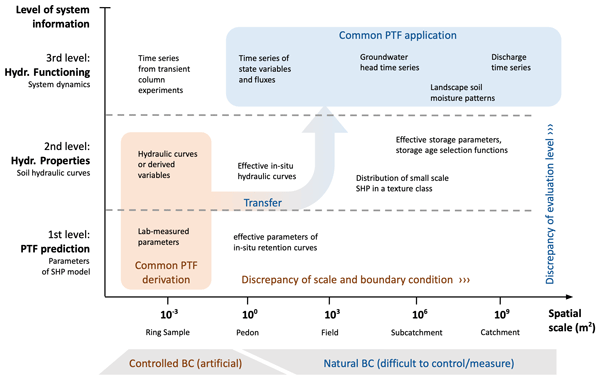
Pedotransfer functions (PTFs) are used to predict parameters of models describing the hydraulic properties of soils. The appropriateness of these predictions critically relies on the nature of the datasets for training the PTFs and the physical comprehensiveness of the models. This roadmap paper is addressed to PTF developers and users and critically reflects the utility and future of PTFs. To this end, we present a manifesto aiming at a paradigm shift in PTF research.
Sinikka J. Paulus, Rene Orth, Sung-Ching Lee, Anke Hildebrandt, Martin Jung, Jacob A. Nelson, Tarek Sebastian El-Madany, Arnaud Carrara, Gerardo Moreno, Matthias Mauder, Jannis Groh, Alexander Graf, Markus Reichstein, and Mirco Migliavacca
Biogeosciences, 21, 2051–2085, https://doi.org/10.5194/bg-21-2051-2024, https://doi.org/10.5194/bg-21-2051-2024, 2024
Short summary
Short summary
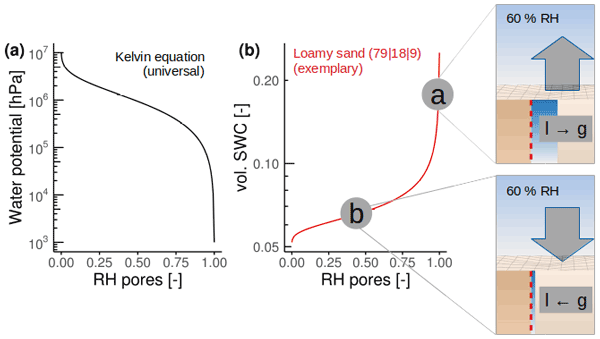
Porous materials are known to reversibly trap water from the air, even at low humidity. However, this behavior is poorly understood for soils. In this analysis, we test whether eddy covariance is able to measure the so-called adsorption of atmospheric water vapor by soils. We find that this flux occurs frequently during dry nights in a Mediterranean ecosystem, while EC detects downwardly directed vapor fluxes. These results can help to map moisture uptake globally.
Tobias Schnepper, Jannis Groh, Horst H. Gerke, Barbara Reichert, and Thomas Pütz
Hydrol. Earth Syst. Sci., 27, 3265–3292, https://doi.org/10.5194/hess-27-3265-2023, https://doi.org/10.5194/hess-27-3265-2023, 2023
Short summary
Short summary
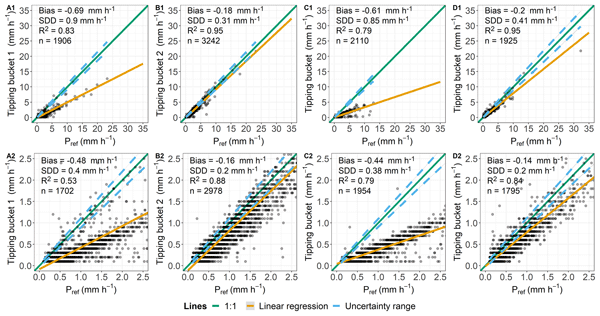
We compared hourly data from precipitation gauges with lysimeter reference data at three sites under different climatic conditions. Our results show that precipitation gauges recorded 33–96 % of the reference precipitation data for the period under consideration (2015–2018). Correction algorithms increased the registered precipitation by 9–14 %. It follows that when using point precipitation data, regardless of the precipitation measurement method used, relevant uncertainties must be considered.
Benjamin Guillaume, Hanane Aroui Boukbida, Gerben Bakker, Andrzej Bieganowski, Yves Brostaux, Wim Cornelis, Wolfgang Durner, Christian Hartmann, Bo V. Iversen, Mathieu Javaux, Joachim Ingwersen, Krzysztof Lamorski, Axel Lamparter, András Makó, Ana María Mingot Soriano, Ingmar Messing, Attila Nemes, Alexandre Pomes-Bordedebat, Martine van der Ploeg, Tobias Karl David Weber, Lutz Weihermüller, Joost Wellens, and Aurore Degré
SOIL, 9, 365–379, https://doi.org/10.5194/soil-9-365-2023, https://doi.org/10.5194/soil-9-365-2023, 2023
Short summary
Short summary
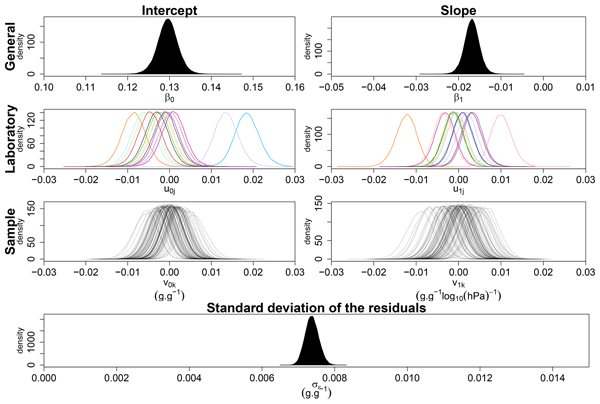
Measurements of soil water retention properties play an important role in a variety of societal issues that depend on soil water conditions. However, there is little concern about the consistency of these measurements between laboratories. We conducted an interlaboratory comparison to assess the reproducibility of the measurement of the soil water retention curve. Results highlight the need to harmonize and standardize procedures to improve the description of unsaturated processes in soils.
Adrian Wicki, Peter Lehmann, Christian Hauck, and Manfred Stähli
Nat. Hazards Earth Syst. Sci., 23, 1059–1077, https://doi.org/10.5194/nhess-23-1059-2023, https://doi.org/10.5194/nhess-23-1059-2023, 2023
Short summary
Short summary
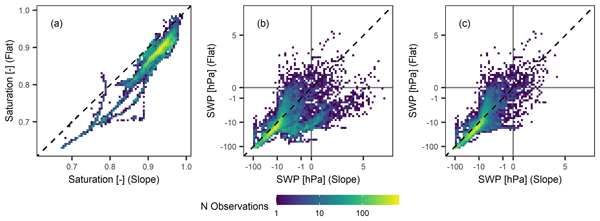
Soil wetness measurements are used for shallow landslide prediction; however, existing sites are often located in flat terrain. Here, we assessed the ability of monitoring sites at flat locations to detect critically saturated conditions compared to if they were situated at a landslide-prone location. We found that differences exist but that both sites could equally well distinguish critical from non-critical conditions for shallow landslide triggering if relative changes are considered.
Maik Heistermann, Heye Bogena, Till Francke, Andreas Güntner, Jannis Jakobi, Daniel Rasche, Martin Schrön, Veronika Döpper, Benjamin Fersch, Jannis Groh, Amol Patil, Thomas Pütz, Marvin Reich, Steffen Zacharias, Carmen Zengerle, and Sascha Oswald
Earth Syst. Sci. Data, 14, 2501–2519, https://doi.org/10.5194/essd-14-2501-2022, https://doi.org/10.5194/essd-14-2501-2022, 2022
Short summary
Short summary
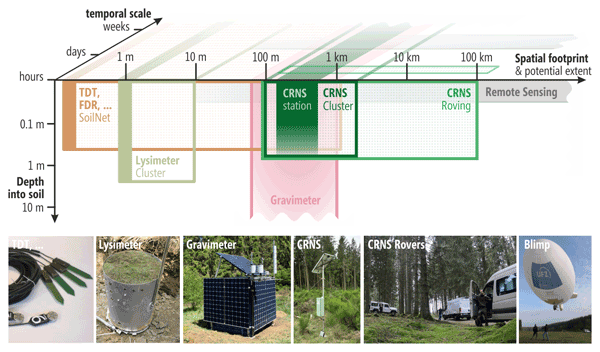
This paper presents a dense network of cosmic-ray neutron sensing (CRNS) to measure spatio-temporal soil moisture patterns during a 2-month campaign in the Wüstebach headwater catchment in Germany. Stationary, mobile, and airborne CRNS technology monitored the root-zone water dynamics as well as spatial heterogeneity in the 0.4 km2 area. The 15 CRNS stations were supported by a hydrogravimeter, biomass sampling, and a wireless soil sensor network to facilitate holistic hydrological analysis.

Nicholas Jarvis, Jannis Groh, Elisabet Lewan, Katharina H. E. Meurer, Walter Durka, Cornelia Baessler, Thomas Pütz, Elvin Rufullayev, and Harry Vereecken
Hydrol. Earth Syst. Sci., 26, 2277–2299, https://doi.org/10.5194/hess-26-2277-2022, https://doi.org/10.5194/hess-26-2277-2022, 2022
Short summary
Short summary
We apply an eco-hydrological model to data on soil water balance and grassland growth obtained at two sites with contrasting climates. Our results show that the grassland in the drier climate had adapted by developing deeper roots, which maintained water supply to the plants in the face of severe drought. Our study emphasizes the importance of considering such plastic responses of plant traits to environmental stress in the modelling of soil water balance and plant growth under climate change.
Veronika Forstner, Jannis Groh, Matevz Vremec, Markus Herndl, Harry Vereecken, Horst H. Gerke, Steffen Birk, and Thomas Pütz
Hydrol. Earth Syst. Sci., 25, 6087–6106, https://doi.org/10.5194/hess-25-6087-2021, https://doi.org/10.5194/hess-25-6087-2021, 2021
Short summary
Short summary
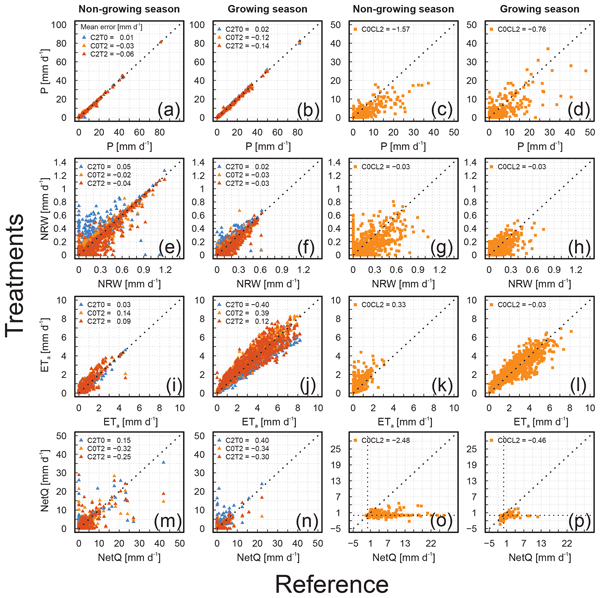
Lysimeter-based manipulative and observational experiments were used to identify responses of water fluxes and aboveground biomass (AGB) to climatic change in permanent grassland. Under energy-limited conditions, elevated temperature actual evapotranspiration (ETa) increased, while seepage, dew, and AGB decreased. Elevated CO2 mitigated the effect on ETa. Under water limitation, elevated temperature resulted in reduced ETa, and AGB was negatively correlated with an increasing aridity.
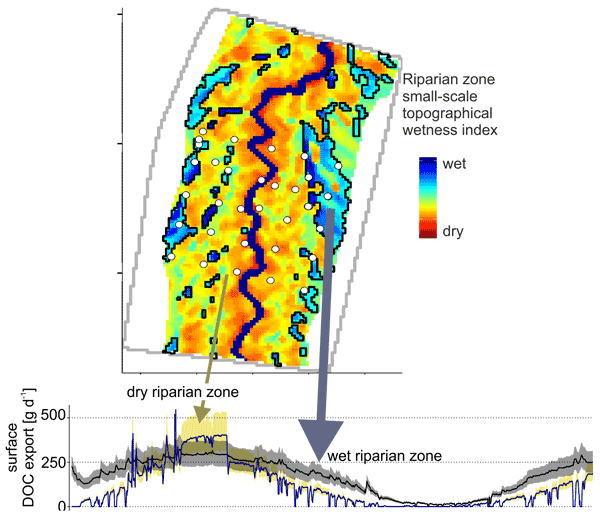
Benedikt J. Werner, Oliver J. Lechtenfeld, Andreas Musolff, Gerrit H. de Rooij, Jie Yang, Ralf Gründling, Ulrike Werban, and Jan H. Fleckenstein
Hydrol. Earth Syst. Sci., 25, 6067–6086, https://doi.org/10.5194/hess-25-6067-2021, https://doi.org/10.5194/hess-25-6067-2021, 2021
Short summary
Short summary
Export of dissolved organic carbon (DOC) from riparian zones (RZs) is an important yet poorly understood component of the catchment carbon budget. This study chemically and spatially classifies DOC source zones within a RZ of a small catchment to assess DOC export patterns. Results highlight that DOC export from only a small fraction of the RZ with distinct DOC composition dominates overall DOC export. The application of a spatial, topographic proxy can be used to improve DOC export models.
Cited articles
Allen, R. G., Pereira, L. S., Raes, D., and Smith, M.: Crop evapotranspiration – Guidelines for computing crop water requirements, FAO Irrigation and Drainage Paper 56, Food and Agriculture Organization of the United Nations, Rome, 300 pp., ISBN 92-5-104219-5, 2006.
Aqel, N., Reusser, L., Margreth, S., Carminati, A., and Lehmann, P.: Prediction of hysteretic matric potential dynamics using artificial intelligence: application of autoencoder neural networks, Geosci. Model Dev., 17, 6949–6966, https://doi.org/10.5194/gmd-17-6949-2024, 2024.
Blöschl, G., Bierkens, M. F. P., Chambel, A., Cudennec, C., Destouni, G., Fiori, A., Kirchner, J. W., McDonnell, J. J., Savenije, H. H. G., Sivapalan, M., Stumpp, C., Toth, E., Volpi, E., Carr, G., Lupton, C., Salinas, J., Széles, B., Viglione, A., Aksoy, H., and Zhang, Y.: Twenty-three unsolved problems in hydrology (UPH) – a community perspective, Hydrol. Sci. J., 64, 1141–1158, https://doi.org/10.1080/02626667.2019.1620507, 2019.
Boergens, E., Güntner, A., Sips, M., Schwatke, C., and Dobslaw, H.: Interannual variations of terrestrial water storage in the East African Rift region, Hydrol. Earth Syst. Sci., 28, 4733–4754, https://doi.org/10.5194/hess-28-4733-2024, 2024.
Bogena, H. R., Huisman, J. A., Güntner, A., Hübner, C., Kusche, J., Jonard, F., Vey, S., and Vereecken, H.: Emerging methods for noninvasive sensing of soil moisture dynamics from field to catchment scale: a review, WIREs Water, 2, 635–647, https://doi.org/10.1002/wat2.1097, 2015.
Brocca, L., Melone, F., Moramarco, T., Wagner, W., Naeimi, V., Bartalis, Z., and Hasenauer, S.: Improving runoff prediction through the assimilation of the ASCAT soil moisture product, Hydrol. Earth Syst. Sci., 14, 1881–1893, https://doi.org/10.5194/hess-14-1881-2010, 2010.
Cleveland, R. B., Cleveland, W. S., McRae, J. E., and Terpenning, I.: STL: A seasonal-trend decomposition procedure based on LOESS, J. Off. Stat., 6, 3–73, 1990.
Deutscher Wetterdienst (DWD) Climate Data Center (CDC): Historical daily precipitation data, station Leipzig/Halle (ID 2932), available at: https://www.dwd.de/cdc, last access: 28 August 2025.
Ehrhardt, A., Groh, J., and Gerke, H. H.: Effects of different climatic conditions on soil water storage patterns, Hydrol. Earth Syst. Sci., 29, 313–334, https://doi.org/10.5194/hess-29-313-2025, 2025.
Fatichi, S., Or, D., Walko, R., Vereecken, H., Young, M. H., Ghezzehei, T. A., Hengl, T., Kollet, S., Agam, N., and Avissar, R.: Soil structure is an important omission in Earth system models, Nat. Commun., 11, 522, https://doi.org/10.1038/s41467-020-14411-z, 2020.
Fu, Z., Hu, W., Beare, M., Thomas, S., Carrick, S., Dando, J., Langer, S., Müller, K., Baird, D., and Lilburne, L.: Land use effects on soil hydraulic properties and the contribution of soil organic carbon, J. Hydrol., 602, 126741, https://doi.org/10.1016/j.jhydrol.2021.126741, 2021.
Groh, J., Diamantopoulos, E., Duan, X., Ewert, F., Heinlein, F., Herbst, M., Holbak, M., Kamali, B., Kersebaum, K.-C., Kuhnert, M., Nendel, C., Priesack, E., Steidl, J., Sommer, M., Pütz, T., Vanderborght, J., Vereecken, H., Wallor, E., Weber, T. K. D., and Gerke, H. H.: Same soil, different climate: crop model intercomparison on translocated lysimeters, Vadose Zone J., 21, e20202, https://doi.org/10.1002/vzj2.20202, 2022.
Groh, J., Vanderborght, J., Pütz, T., Vogel, H.-J., Gründling, R., Rupp, H., Rahmati, M., Sommer, M., Vereecken, H., and Gerke, H. H.: Responses of soil water storage and crop water use efficiency to changing climatic conditions: a lysimeter-based space-for-time approach, Hydrol. Earth Syst. Sci., 24, 1211–1225, https://doi.org/10.5194/hess-24-1211-2020, 2020.
Hannes, M., Wollschläger, U., Wöhling, T., and Vogel, H.-J.: Revisiting hydraulic hysteresis based on long-term monitoring of hydraulic states in lysimeters, Water Resour. Res., 52, 3847–3865, https://doi.org/10.1002/2015WR018319, 2016.
Herbrich, M. and Gerke, H. H.: Scales of water retention dynamics observed in eroded Luvisols from an arable postglacial soil landscape, Vadose Zone J., 16, 1–12, https://doi.org/10.2136/vzj2017.01.0003, 2017.
Hirmas, D. R., Giménez, D., Nemes, A., Kerry, R., Brunsell, N. A., and Wilson, C. J.: Climate-induced changes in continental-scale soil macroporosity may intensify water cycle, Nature, 561, 100–103, https://doi.org/10.1038/s41586-018-0463-x, 2018.
Holling, C. S.: Resilience and stability of ecological systems, IIASA Research Report RR-73-003 (Reprint), IIASA, Laxenburg, Austria, reprinted from “Annu. Rev. Ecol. Syst.”, 4, 1–23, https://pure.iiasa.ac.at/id/eprint/26/1/RP-73-003.pdf, 1973.
Hrachowitz, M., Savenije, H. H. G., Blöschl, G., McDonnell, J. J., Sivapalan, M., Pomeroy, J. W., Arheimer, B., Blume, T., Clark, M. P., Ehret, U., Fenicia, F., Freer, J. E., Gelfan, A., Gupta, H. V., Hughes, D. A., Hut, R. W., Montanari, A., Pande, S., Tetzlaff, D., and Cudennec, C.: A decade of Predictions in Ungauged Basins (PUB) – a review, Hydrol. Sci. J., 58, 1198–1255, https://doi.org/10.1080/02626667.2013.803183, 2013.
Jarvis, N. J., Coucheney, E., Lewan, E., Klöffel, T., Meurer, K. H. E., Keller, T., and Larsbo, M.: Interactions between soil structure dynamics, hydrological processes and organic matter cycling: a new soil-crop model, Eur. J. Soil Sci., 75, e13455, https://doi.org/10.1111/ejss.13455, 2024.
Kingma, D. P. and Ba, J.: Adam: A method for stochastic optimization, in: Proceedings of the 3rd International Conference on Learning Representations (ICLR), San Diego, CA, USA, 7–9 May 2015, arXiv [preprint], https://doi.org/10.48550/arXiv.1412.6980, 2015.
Klöffel, T., Barron, J., Nemes, A., Giménez, D., and Jarvis, N. J.: Soil, climate, time and site factors as drivers of soil structure evolution in agricultural soils from a temperate-boreal region, Geoderma, 442, 116772, https://doi.org/10.1016/j.geoderma.2024.116772, 2024.
Kratzert, F., Klotz, D., Shalev, G., Klambauer, G., Hochreiter, S., and Nearing, G.: Towards learning universal, regional, and local hydrological behaviors via machine learning applied to large-sample datasets, Hydrol. Earth Syst. Sci., 23, 5089–5110, https://doi.org/10.5194/hess-23-5089-2019, 2019.
Kuzyakov, Y. and Zamanian, K.: Reviews and syntheses: Agropedogenesis – humankind as the sixth soil-forming factor and attractors of agricultural soil degradation, Biogeosciences, 16, 4783–4803, https://doi.org/10.5194/bg-16-4783-2019, 2019.
Lehmann, P., Bickel, S., Wei, Z., and Or, D.: Physical constraints for improved soil hydraulic parameter estimation by pedotransfer functions, Water Resour. Res., 56, e2019WR025963, https://doi.org/10.1029/2019WR025963, 2020.
Liu, J., Rahmani, F., Lawson, K., and Shen, C.: A multiscale deep learning model for soil moisture integrating satellite and in situ data, Geophys. Res. Lett., 49, e2021GL096847, https://doi.org/10.1029/2021GL096847, 2022.
Liu, J., Hughes, D., Rahmani, F., Lawson, K., and Shen, C.: Evaluating a global soil moisture dataset from a multitask model (GSM3 v1.0) with potential applications for crop threats, Geosci. Model Dev., 16, 1553–1567, https://doi.org/10.5194/gmd-16-1553-2023, 2023.
Liu, Y. Y., Parinussa, R. M., Dorigo, W. A., De Jeu, R. A. M., Wagner, W., van Dijk, A. I. J. M., McCabe, M. F., and Evans, J. P.: Developing an improved soil moisture dataset by blending passive and active microwave satellite-based retrievals, Hydrol. Earth Syst. Sci., 15, 425–436, https://doi.org/10.5194/hess-15-425-2011, 2011.
Lu, L., Shin, Y., Su, Y., and Karniadakis, G. E.: Dying ReLU and initialization: theory and numerical examples, Commun. Comput. Phys., 28, 1671–1706, https://doi.org/10.4208/cicp.OA-2020-0165, 2020.
Melsen, L. A. and Guse, B.: Climate change impacts model parameter sensitivity – implications for calibration strategy and model diagnostic evaluation, Hydrol. Earth Syst. Sci., 25, 1307–1332, https://doi.org/10.5194/hess-25-1307-2021, 2021.
Milly, P. C. D., Betancourt, J., Falkenmark, M., Hirsch, R. M., Kundzewicz, Z. W., Lettenmaier, D. P., and Stouffer, R. J.: Stationarity is dead: Whither water management?, Science, 319, 573–574, https://doi.org/10.1126/science.1151915, 2008.
Montanari, A., Young, G., Savenije, H. H. G., Hughes, D., Wagener, T., Ren, L.-L., Koutsoyiannis, D., Cudennec, C., Toth, E., Grimaldi, S., Blöschl, G., Sivapalan, M., Beven, K., Gupta, H., Hipsey, B., Schaefli, B., Arheimer, B., Boegh, E., Schymanski, S. J., and Belyaev, V.: “Panta Rhei – Everything Flows”: change in hydrology and society – The IAHS Scientific Decade 2013–2022, Hydrol. Sci. J., 58, 1256–1275, https://doi.org/10.1080/02626667.2013.809088, 2013.
Montesinos López, O. A., Montesinos López, A., and Crossa, J.: Fundamentals of artificial neural networks and deep learning, in: Multivariate Statistical Machine Learning Methods for Genomic Prediction, Springer International Publishing, Cham, 379–425, https://doi.org/10.1007/978-3-030-89010-0_10, 2022.
Moriasi, D. N., Arnold, J. G., Van Liew, M. W., Bingner, R. L., Harmel, R. D., and Veith, T. L.: Model evaluation guidelines for systematic quantification of accuracy in watershed simulations, T. ASABE, 50, 885–900, https://doi.org/10.13031/2013.23153, 2007.
Moriasi, D. N., Gitau, M. W., Pai, N., and Daggupati, P.: Hydrologic and water quality models: Performance measures and evaluation criteria, T. ASABE, 58, 1763–1785, https://web.ics.purdue.edu/~mgitau/pdf/Moriasi%20et%20al%202015.pdf, 2015.
Mosavi, A., Ozturk, P., and Chau, K.-W.: Flood prediction using machine learning models: literature review, Water, 10, 1536, https://doi.org/10.3390/w10111536, 2018.
Nash, J. E. and Sutcliffe, J. V.: River flow forecasting through conceptual models part I – A discussion of principles, J. Hydrol., 10, 282–290, https://doi.org/10.1016/0022-1694(70)90255-6, 1970.
O, S. and Orth, R.: Global soil moisture data derived through machine learning trained with in-situ measurements, Sci. Data, 8, 170, https://doi.org/10.1038/s41597-021-00964-1, 2021.
Pütz, T., Kiese, R., Wollschläger, U., Groh, J., Rupp, H., Zacharias, S., Priesack, E., Gerke, H. H., Gasche, R., Bens, O., Borg, E., Baessler, C., Kaiser, K., Herbrich, M., Munch, J.-C., Sommer, M., Vogel, H.-J., Vanderborght, J., and Vereecken, H.: TERENO-SOILCan: a lysimeter-network in Germany observing soil processes and plant diversity influenced by climate change, Environ. Earth Sci., 75, 1242, https://doi.org/10.1007/s12665-016-6031-5, 2016.
Quintana, J. R., Martín-Sanz, J. P., Valverde-Asenjo, I., and Molina, J. A.: Drought differently destabilizes soil structure in a chronosequence of abandoned agricultural lands, Catena, 222, 106871, https://doi.org/10.1016/j.catena.2022.106871, 2023.
Reichstein, M., Camps-Valls, G., Stevens, B., Jung, M., Denzler, J., Carvalhais, N., and Prabhat: Deep learning and process understanding for data-driven Earth system science, Nature, 566, 195–204, https://doi.org/10.1038/s41586-019-0912-1, 2019.
Robinson, D. A., Jones, S. B., Lebron, I., Reinsch, S., Domínguez, M. T., Smith, A. R., Jones, D. L., Marshall, M. R., and Emmett, B. A.: Experimental evidence for drought induced alternative stable states of soil moisture, Sci. Rep.-UK, 6, 20018, https://doi.org/10.1038/srep20018, 2016.
Robinson, D. A., Hopmans, J. W., Filipović, V., van der Ploeg, M., Lebron, I., Jones, S. B., Reinsch, S., Jarvis, N., and Tuller, M.: Global environmental changes impact soil hydraulic functions through biophysical feedbacks, Glob. Change Biol., 25, 1895–1904, https://doi.org/10.1111/gcb.14626, 2019.
Robinson, D. A., Nemes, A., Reinsch, S., Radbourne, A., Bentley, L., and Keith, A. M.: Global meta-analysis of soil hydraulic properties on the same soils with differing land use, Sci. Total Environ., 852, 158506, https://doi.org/10.1016/j.scitotenv.2022.158506, 2022.
Sainju, U. M., Liptzin, D., and Jabro, J. D.: Relating soil physical properties to other soil properties and crop yields, Sci. Rep.-UK, 12, 22025, https://doi.org/10.1038/s41598-022-26619-8, 2022.
Scheffer, M., Bascompte, J., Brock, W. A., Brovkin, V., Carpenter, S. R., Dakos, V., Held, H., van Nes, E. H., Rietkerk, M., and Sugihara, G.: Early-warning signals for critical transitions, Nature, 461, 53–59, https://doi.org/10.1038/nature08227, 2009.
Seneviratne, S. I., Corti, T., Davin, E. L., Hirschi, M., Jaeger, E. B., Lehner, I., Orlowsky, B., and Teuling, A. J.: Investigating soil moisture–climate interactions in a changing climate: a review, Earth-Sci. Rev., 99, 125–161, https://doi.org/10.1016/j.earscirev.2010.02.004, 2010.
Shen, C., Laloy, E., Elshorbagy, A., Albert, A., Bales, J., Chang, F.-J., Ganguly, S., Hsu, K.-L., Kifer, D., Fang, Z., Fang, K., Li, D., Li, X., and Tsai, W.-P.: HESS Opinions: Incubating deep-learning-powered hydrologic science advances as a community, Hydrol. Earth Syst. Sci., 22, 5639–5656, https://doi.org/10.5194/hess-22-5639-2018, 2018.
Sun, W., Zhou, S., Yu, B., Zhang, Y., Keenan, T., and Fu, B.: Soil moisture–atmosphere interactions drive terrestrial carbon–water trade-offs, Commun. Earth Environ., 6, 169, https://doi.org/10.1038/s43247-025-02145-z, 2025.
Tromp-van Meerveld, H. J. and McDonnell, J. J.: Threshold relations in subsurface stormflow: 1. A 147-storm analysis of the Panola hillslope, Water Resour. Res., 42, W02410, https://doi.org/10.1029/2004WR003778, 2006.
Uber, M., Vandervaere, J.-P., Zin, I., Braud, I., Heistermann, M., Legoût, C., Molinié, G., and Nord, G.: How does initial soil moisture influence the hydrological response? A case study from southern France, Hydrol. Earth Syst. Sci., 22, 6127–6146, https://doi.org/10.5194/hess-22-6127-2018, 2018.
Vaze, J., Post, D. A., Chiew, F. H. S., Perraud, J.-M., Viney, N. R., and Teng, J.: Climate non-stationarity – validity of calibrated rainfall–runoff models for use in climate change studies, J. Hydrol., 394, 447–457, https://doi.org/10.1016/j.jhydrol.2010.09.018, 2010.
Vereecken, H., Amelung, W., Bauke, S. L., Bogena, H., Brüggemann, N., Montzka, C., Vanderborght, J., Bechtold, M., Blöschl, G., Carminati, A., Javaux, M., Konings, A. G., Kusche, J., Neuweiler, I., Or, D., Steele-Dunne, S., Verhoef, A., Young, M., and Zhang, Y.: Soil hydrology in the Earth system, Nat. Rev. Earth Environ., 3, 573–587, https://doi.org/10.1038/s43017-022-00324-6, 2022.
Wankmüller, F. J. P., Delval, L., Lehmann, P., Baur, M. J., Cecere, A., Wolf, S., Or, D., Javaux, M., and Carminati, A.: Global influence of soil texture on ecosystem water limitation, Nature, 635, 631–638, https://doi.org/10.1038/s41586-024-08089-2, 2024.
Western, A. W. and Grayson, R. B.: The Tarrawarra data set: soil moisture patterns, soil characteristics, and hydrological flux measurements, Water Resour. Res., 34, 2765–2768, https://doi.org/10.1029/98WR01833, 1998.
Xoplaki, E., Ellsäßer, F., Grieger, J., Nissen, K. M., Pinto, J. G., Augenstein, M., Chen, T.-C., Feldmann, H., Friederichs, P., Gliksman, D., Goulier, L., Haustein, K., Heinke, J., Jach, L., Knutzen, F., Kollet, S., Luterbacher, J., Luther, N., Mohr, S., Mudersbach, C., Müller, C., Rousi, E., Simon, F., Suarez-Gutierrez, L., Szemkus, S., Vallejo-Bernal, S. M., Vlachopoulos, O., and Wolf, F.: Compound events in Germany in 2018: drivers and case studies, Nat. Hazards Earth Syst. Sci., 25, 541–564, https://doi.org/10.5194/nhess-25-541-2025, 2025.
Zehe, E. and Blöschl, G.: Predictability of hydrologic response at the plot and catchment scales: role of initial conditions, Water Resour. Res., 40, W10240, https://doi.org/10.1029/2003WR002869, 2004.
Šimůnek, J., van Genuchten, M. T., and Šejna, M.: Recent developments and applications of the HYDRUS computer software packages, Vadose Zone J., 15, 1–25, https://doi.org/10.2136/vzj2016.04.0033, 2016.
Short summary
This study investigates how soils respond to major climatic disturbances, such as the extreme drought in Germany in 2018. Using long-term lysimeter observations and an artificial intelligence model, we show that persistent shifts in soil water dynamics indicate changes in hydraulic properties that may affect soil health, emphasizing the need for continuous monitoring under a changing climate.
This study investigates how soils respond to major climatic disturbances, such as the extreme...


