
Articles | Volume 30, issue 7
https://doi.org/10.5194/hess-30-2093-2026
© Author(s) 2026. This work is distributed under
the Creative Commons Attribution 4.0 License.
the Creative Commons Attribution 4.0 License.
https://doi.org/10.5194/hess-30-2093-2026
© Author(s) 2026. This work is distributed under
the Creative Commons Attribution 4.0 License.
the Creative Commons Attribution 4.0 License.
Research article
| 
15 Apr 2026
Research article |
| 15 Apr 2026
| 15 Apr 2026
On the relevance of molecular diffusion for travel time distributions inferred from different water isotopes

Institute of Water and Environment, Karlsruhe Institute of Technology (KIT), 76131 Karlsruhe, Germany
Laurent Pfister
Luxembourg Institute of Science and Technology, Environmental Sensing & Modelling Unit, 41 rue du Brill, 4422 Belvaux, Luxembourg
Faculty of Science, Technology and Medicine, University of Luxembourg, 2 place de l'Université, 4365 Esch-sur-Alzette, Luxembourg
Dan Elhanati
Department of Earth and Planetary Sciences, Weizmann Institute of Science, Rehovot 7610001, Israel
Brian Berkowitz
Department of Earth and Planetary Sciences, Weizmann Institute of Science, Rehovot 7610001, Israel
Related authors
Doğa Yahşi, Samuel Schroers, Ulrike Scherer, Núria Martínez-Carreras, and Erwin Zehe
EGUsphere, https://doi.org/10.5194/egusphere-2026-4957, https://doi.org/10.5194/egusphere-2026-4957, 2026
This preprint is open for discussion and under review for Hydrology and Earth System Sciences (HESS).
Short summary
Short summary
Heavy storms and soil erosion threaten ecosystems and water quality. To understand what drives these events, we analyzed and simulated rainfall-runoff experiments and their energy dynamics. We found that initial soil wetness and ground texture control runoff more than slope or rain intensity. We showed that ground texture limits flow speed and rougher surfaces channel water into pathways that efficiently transport water and soil, which helps us improve land management and soil conservation.
Svenja Hoffmeister, Sibylle Kathrin Hassler, Rebekka Maier, Friederike Lang, Betserai Isaac Nyoka, and Erwin Zehe
Biogeosciences, 23, 1545–1567, https://doi.org/10.5194/bg-23-1545-2026, https://doi.org/10.5194/bg-23-1545-2026, 2026
Short summary
Short summary
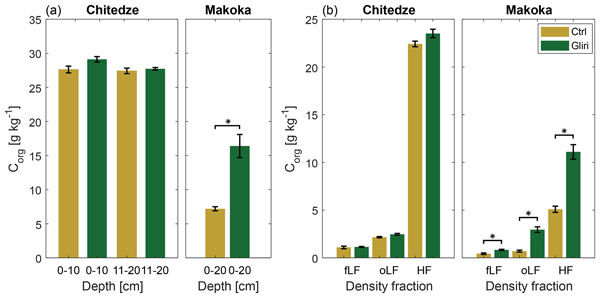
Combining trees and crops in agroforestry systems can potentially be a sustainable option for agriculture facing climate change impacts. We used methods from soil science and hydrology to assess the effect of adding gliricidia trees to maize fields, on carbon content, soil properties and water availability. Our results show a clear increase in carbon contents and effects on physical soil characteristics and water uptake and retention as a consequence of the agroforestry treatment.
Dan Elhanati, Erwin Zehe, Ishai Dror, and Brian Berkowitz
Hydrol. Earth Syst. Sci., 29, 6577–6587, https://doi.org/10.5194/hess-29-6577-2025, https://doi.org/10.5194/hess-29-6577-2025, 2025
Short summary
Short summary
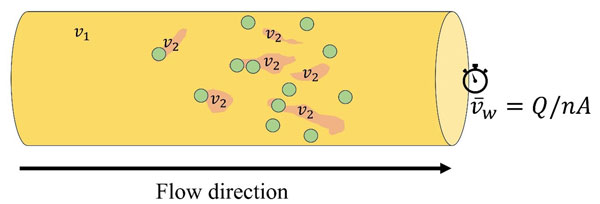
Measurements of water isotopes are often used to estimate water transit time distributions and aquifer storage thickness in catchments. However, laboratory-scale measurements show that water isotopes exhibit transport behavior identical to that of inert chemical tracers rather than of pure water. The measured mean tracer and apparent mean water velocities are not necessarily equal; recognition of this inequality is critical when estimating catchment properties such as aquifer storage thickness.
Ashish Manoj J, Ralf Loritz, Hoshin Gupta, and Erwin Zehe
Hydrol. Earth Syst. Sci., 29, 6115–6135, https://doi.org/10.5194/hess-29-6115-2025, https://doi.org/10.5194/hess-29-6115-2025, 2025
Short summary
Short summary
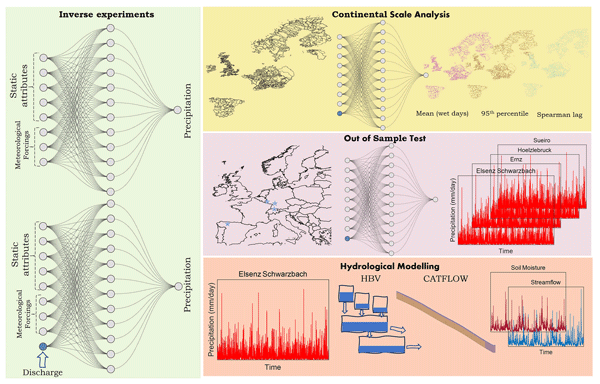
Traditional hydrological models typically operate in a forward mode, simulating streamflow and other catchment fluxes based on precipitation input. In this study, we explored the possibility of reversing this process, inferring precipitation from streamflow data, to improve flood event modelling. We then used the generated precipitation series to run hydrological models, resulting in more accurate estimates of streamflow and soil moisture.
Evgeny Shavelzon, Erwin Zehe, and Yaniv Edery
Hydrol. Earth Syst. Sci., 29, 5625–5644, https://doi.org/10.5194/hess-29-5625-2025, https://doi.org/10.5194/hess-29-5625-2025, 2025
Short summary
Short summary
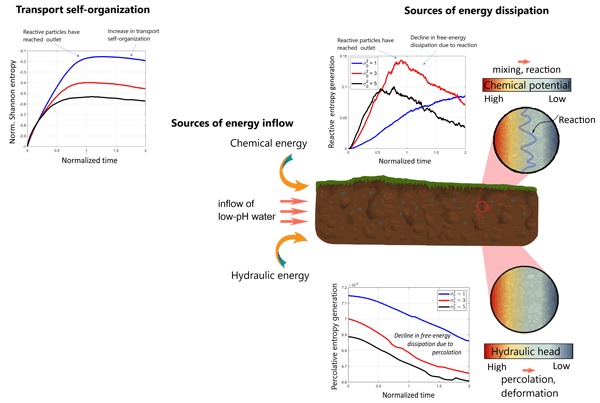
We analyze how chemical reactions and fluid movement in porous materials interact, focusing on how water channels form in underground environments. Using a thermodynamic approach, we track energy dissipation due to fluid friction and chemical reaction, and correlate it with the intensity of the emerged water channels to understand this process. Over time, water channels become more defined, reducing energy dissipation due to mixing, reaction and fluid friction.
Karl Nicolaus van Zweel, Laurent Gourdol, Jean François Iffly, Loïc Léonard, François Barnich, Laurent Pfister, Erwin Zehe, and Christophe Hissler
Earth Syst. Sci. Data, 17, 2217–2229, https://doi.org/10.5194/essd-17-2217-2025, https://doi.org/10.5194/essd-17-2217-2025, 2025
Short summary
Short summary
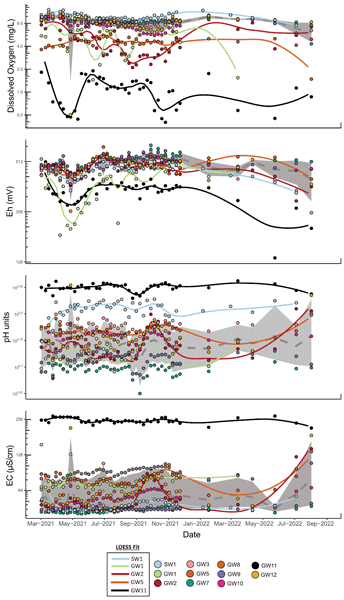
Our study monitored groundwater in a Luxembourg forest over a year to understand water and chemical changes. We found seasonal variations in water chemistry, influenced by rainfall and soil interactions. These data help predict environmental responses and manage water resources better. By measuring key parameters like pH and dissolved oxygen, our research provides valuable insights into groundwater behaviour and serves as a resource for future environmental studies.
Svenja Hoffmeister, Rafael Bohn Reckziegel, Ben du Toit, Sibylle K. Hassler, Florian Kestel, Rebekka Maier, Jonathan P. Sheppard, and Erwin Zehe
Hydrol. Earth Syst. Sci., 28, 3963–3982, https://doi.org/10.5194/hess-28-3963-2024, https://doi.org/10.5194/hess-28-3963-2024, 2024
Short summary
Short summary
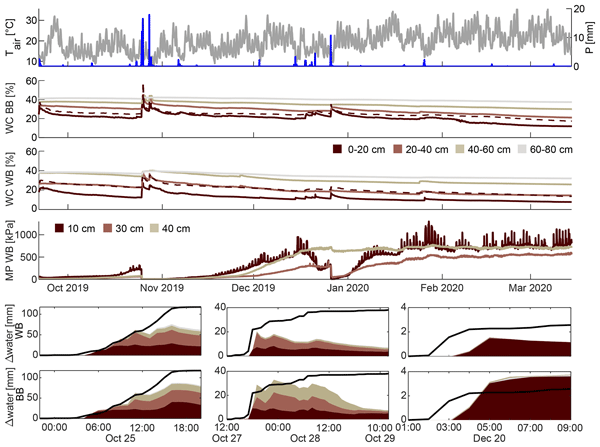
We studied a tree–crop ecosystem consisting of a blackberry field and an alder windbreak. In the water-scarce region, irrigation provides sufficient water for plant growth. The windbreak lowers the irrigation amount by reducing wind speed and therefore water transport into the atmosphere. These ecosystems could provide sustainable use of water-scarce landscapes, and we studied the complex interactions by observing several aspects (e.g. soil, nutrients, carbon assimilation, water).
Samuel Schroers, Ulrike Scherer, and Erwin Zehe
Hydrol. Earth Syst. Sci., 27, 2535–2557, https://doi.org/10.5194/hess-27-2535-2023, https://doi.org/10.5194/hess-27-2535-2023, 2023
Short summary
Short summary
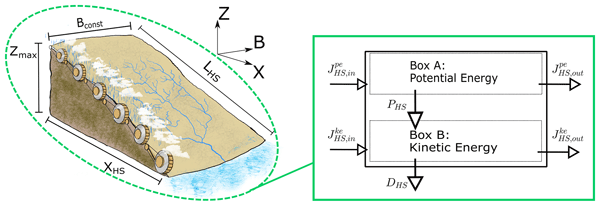
The hydrological cycle shapes our landscape. With an accelerating change of the world's climate and hydrological dynamics, concepts of evolution of natural systems become more important. In this study, we elaborated a thermodynamic framework for runoff and sediment transport and show from model results as well as from measurements during extreme events that the developed concept is useful for understanding the evolution of the system's mass, energy, and entropy fluxes.
Judith Meyer, Malte Neuper, Luca Mathias, Erwin Zehe, and Laurent Pfister
Hydrol. Earth Syst. Sci., 26, 6163–6183, https://doi.org/10.5194/hess-26-6163-2022, https://doi.org/10.5194/hess-26-6163-2022, 2022
Short summary
Short summary
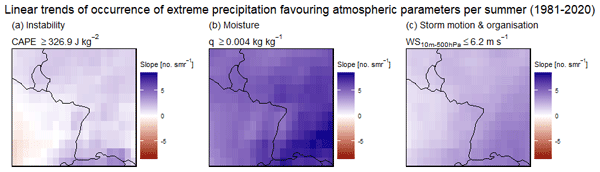
We identified and analysed the major atmospheric components of rain-intense thunderstorms that can eventually lead to flash floods: high atmospheric moisture, sufficient latent instability, and weak thunderstorm cell motion. Between 1981 and 2020, atmospheric conditions became likelier to support strong thunderstorms. However, the occurrence of extreme rainfall events as well as their rainfall intensity remained mostly unchanged.
Ralf Loritz, Maoya Bassiouni, Anke Hildebrandt, Sibylle K. Hassler, and Erwin Zehe
Hydrol. Earth Syst. Sci., 26, 4757–4771, https://doi.org/10.5194/hess-26-4757-2022, https://doi.org/10.5194/hess-26-4757-2022, 2022
Short summary
Short summary
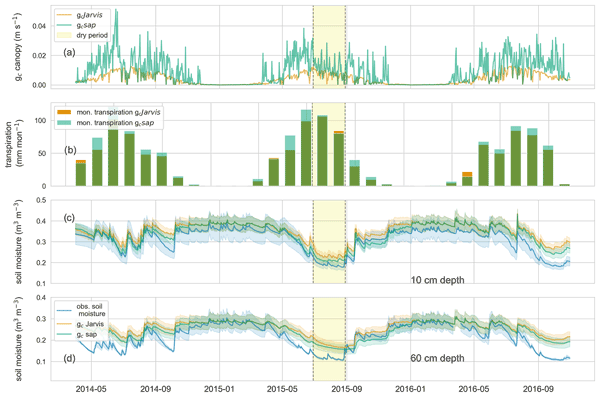
In this study, we combine a deep-learning approach that predicts sap flow with a hydrological model to improve soil moisture and transpiration estimates at the catchment scale. Our results highlight that hybrid-model approaches, combining machine learning with physically based models, are a promising way to improve our ability to make hydrological predictions.
Samuel Schroers, Olivier Eiff, Axel Kleidon, Ulrike Scherer, Jan Wienhöfer, and Erwin Zehe
Hydrol. Earth Syst. Sci., 26, 3125–3150, https://doi.org/10.5194/hess-26-3125-2022, https://doi.org/10.5194/hess-26-3125-2022, 2022
Short summary
Short summary
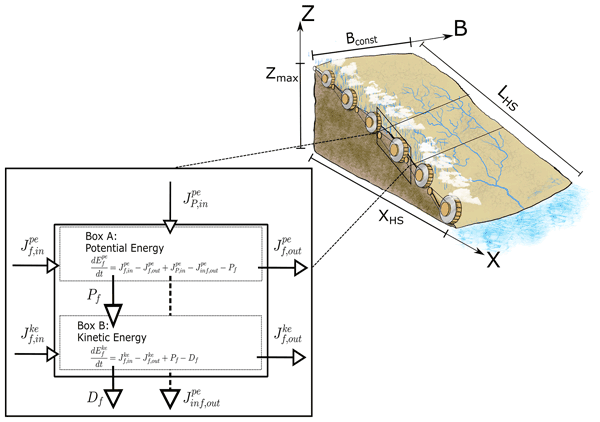
In hydrology the formation of landform patterns is of special interest as changing forcings of the natural systems, such as climate or land use, will change these structures. In our study we developed a thermodynamic framework for surface runoff on hillslopes and highlight the differences of energy conversion patterns on two related spatial and temporal scales. The results indicate that surface runoff on hillslopes approaches a maximum power state.

Alexander Sternagel, Ralf Loritz, Brian Berkowitz, and Erwin Zehe
Hydrol. Earth Syst. Sci., 26, 1615–1629, https://doi.org/10.5194/hess-26-1615-2022, https://doi.org/10.5194/hess-26-1615-2022, 2022
Short summary
Short summary
We present a (physically based) Lagrangian approach to simulate diffusive mixing processes on the pore scale beyond perfectly mixed conditions. Results show the feasibility of the approach for reproducing measured mixing times and concentrations of isotopes over pore sizes and that typical shapes of breakthrough curves (normally associated with non-uniform transport in heterogeneous soils) may also occur as a result of imperfect subscale mixing in a macroscopically homogeneous soil matrix.
Erwin Zehe, Ralf Loritz, Yaniv Edery, and Brian Berkowitz
Hydrol. Earth Syst. Sci., 25, 5337–5353, https://doi.org/10.5194/hess-25-5337-2021, https://doi.org/10.5194/hess-25-5337-2021, 2021
Short summary
Short summary
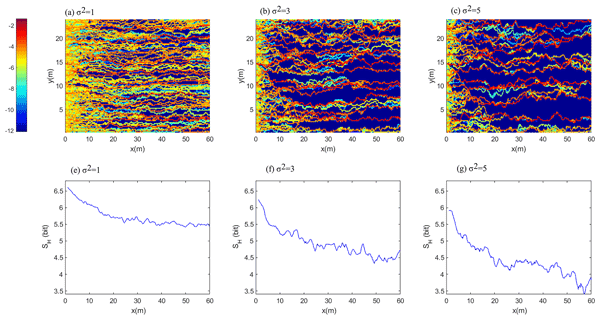
This study uses the concepts of entropy and work to quantify and explain the emergence of preferential flow and transport in heterogeneous saturated porous media. We found that the downstream concentration of solutes in preferential pathways implies a downstream declining entropy in the transverse distribution of solute transport pathways. Preferential flow patterns with lower entropies emerged within media of higher heterogeneity – a stronger self-organization despite a higher randomness.
Doğa Yahşi, Samuel Schroers, Ulrike Scherer, Núria Martínez-Carreras, and Erwin Zehe
EGUsphere, https://doi.org/10.5194/egusphere-2026-4957, https://doi.org/10.5194/egusphere-2026-4957, 2026
This preprint is open for discussion and under review for Hydrology and Earth System Sciences (HESS).
Short summary
Short summary
Heavy storms and soil erosion threaten ecosystems and water quality. To understand what drives these events, we analyzed and simulated rainfall-runoff experiments and their energy dynamics. We found that initial soil wetness and ground texture control runoff more than slope or rain intensity. We showed that ground texture limits flow speed and rougher surfaces channel water into pathways that efficiently transport water and soil, which helps us improve land management and soil conservation.
Guilhem Türk, Christoph J. Gey, Bernd R. Schöne, and Laurent Pfister
Hydrol. Earth Syst. Sci., 30, 2859–2878, https://doi.org/10.5194/hess-30-2859-2026, https://doi.org/10.5194/hess-30-2859-2026, 2026
Short summary
Short summary
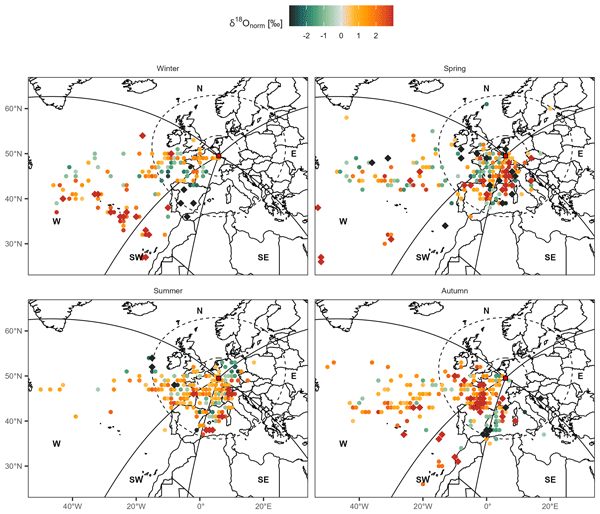
Stable isotopes of oxygen (O16/O18) are powerful tools in eco-hydrology. Yet, a limitation is that the influence of atmospheric circulation on precipitation isotope signals is not well known. Here, we mapped isotope signals from different moisture origins with an air mass trajectory model, revealing contrasted contributions to precipitation isotope signals in Western Europe. These insights are key for interpreting isotope signals to assess changes in the water cycle.
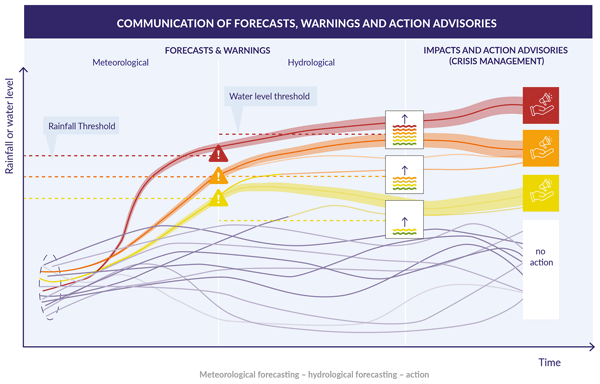
Tim Busker, Daniela Rodriguez Castro, Sergiy Vorogushyn, Jaap Kwadijk, Davide Zoccatelli, Rafaella G. L. Oliveira, Heather J. Murdock, Laurent Pfister, Benjamin Dewals, Kymo Slager, Annegret H. Thieken, Jan Verkade, Patrick Willems, and Jeroen C. J. H. Aerts
Nat. Hazards Earth Syst. Sci., 26, 1457–1478, https://doi.org/10.5194/nhess-26-1457-2026, https://doi.org/10.5194/nhess-26-1457-2026, 2026
Short summary
Short summary
In July 2021, the Netherlands, Luxembourg, Germany, and Belgium were hit by an extreme flood event with over 200 fatalities. Our study provides, for the first time, critical insights into the operational flood early-warning systems in this entire region. Based on 14 expert interviews, we conclude that the systems strongly improved in all countries. Interviewees stressed the need for operational impact-based forecasts, but emphasized that its operational implementation is challenging.
Svenja Hoffmeister, Sibylle Kathrin Hassler, Rebekka Maier, Friederike Lang, Betserai Isaac Nyoka, and Erwin Zehe
Biogeosciences, 23, 1545–1567, https://doi.org/10.5194/bg-23-1545-2026, https://doi.org/10.5194/bg-23-1545-2026, 2026
Short summary
Short summary
Combining trees and crops in agroforestry systems can potentially be a sustainable option for agriculture facing climate change impacts. We used methods from soil science and hydrology to assess the effect of adding gliricidia trees to maize fields, on carbon content, soil properties and water availability. Our results show a clear increase in carbon contents and effects on physical soil characteristics and water uptake and retention as a consequence of the agroforestry treatment.
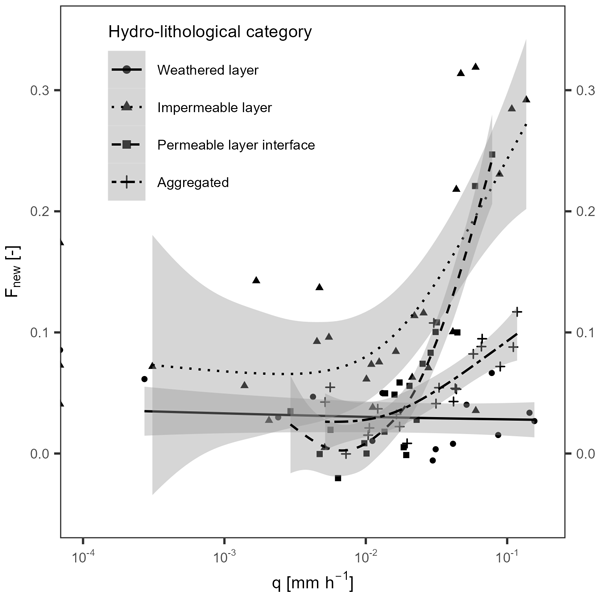
Guilhem Türk, Christoph J. Gey, Bernd R. Schöne, Marius G. Floriancic, James W. Kirchner, Loic Leonard, Laurent Gourdol, Richard F. Keim, and Laurent Pfister
Hydrol. Earth Syst. Sci., 30, 343–369, https://doi.org/10.5194/hess-30-343-2026, https://doi.org/10.5194/hess-30-343-2026, 2026
Short summary
Short summary
How landscape features affect water storage and release in catchments remains poorly understood. Here we used water stable isotopes in 12 streams to assess the fraction of precipitation reaching streamflow in less than 2 weeks. More recent precipitation was found when streamflow was high and the fraction was linked to the geology (i.e. high when impermeable, low when permeable). Such information is key for better anticipating streamflow responses to a changing climate.
Dan Elhanati, Erwin Zehe, Ishai Dror, and Brian Berkowitz
Hydrol. Earth Syst. Sci., 29, 6577–6587, https://doi.org/10.5194/hess-29-6577-2025, https://doi.org/10.5194/hess-29-6577-2025, 2025
Short summary
Short summary
Measurements of water isotopes are often used to estimate water transit time distributions and aquifer storage thickness in catchments. However, laboratory-scale measurements show that water isotopes exhibit transport behavior identical to that of inert chemical tracers rather than of pure water. The measured mean tracer and apparent mean water velocities are not necessarily equal; recognition of this inequality is critical when estimating catchment properties such as aquifer storage thickness.
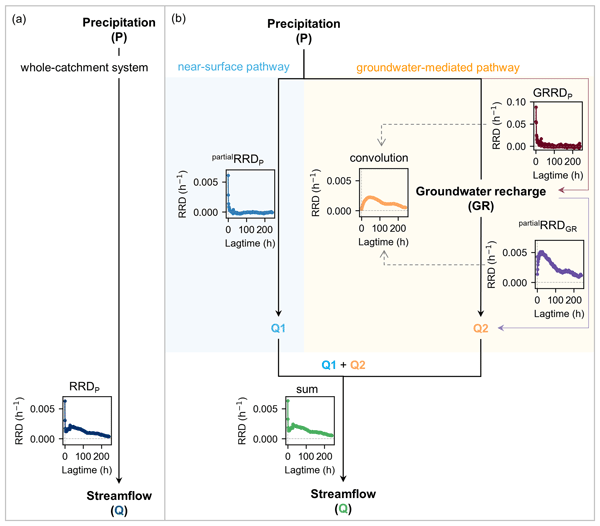
Huibin Gao, Laurent Pfister, and James W. Kirchner
Hydrol. Earth Syst. Sci., 29, 6529–6547, https://doi.org/10.5194/hess-29-6529-2025, https://doi.org/10.5194/hess-29-6529-2025, 2025
Short summary
Short summary
Some streams respond to rainfall with flow that peaks twice: a sharp first peak followed by a broad second peak. We analyzed data from a catchment in Luxembourg to better understand the processes behind this phenomenon. Our results show that the first peak is mostly driven directly by rainfall, and the second peak is mostly driven by rain that infiltrates to groundwater. We also show that the relative importance of these two processes depends on how wet the landscape is before the rain falls.
Ashish Manoj J, Ralf Loritz, Hoshin Gupta, and Erwin Zehe
Hydrol. Earth Syst. Sci., 29, 6115–6135, https://doi.org/10.5194/hess-29-6115-2025, https://doi.org/10.5194/hess-29-6115-2025, 2025
Short summary
Short summary
Traditional hydrological models typically operate in a forward mode, simulating streamflow and other catchment fluxes based on precipitation input. In this study, we explored the possibility of reversing this process, inferring precipitation from streamflow data, to improve flood event modelling. We then used the generated precipitation series to run hydrological models, resulting in more accurate estimates of streamflow and soil moisture.
Evgeny Shavelzon, Erwin Zehe, and Yaniv Edery
Hydrol. Earth Syst. Sci., 29, 5625–5644, https://doi.org/10.5194/hess-29-5625-2025, https://doi.org/10.5194/hess-29-5625-2025, 2025
Short summary
Short summary
We analyze how chemical reactions and fluid movement in porous materials interact, focusing on how water channels form in underground environments. Using a thermodynamic approach, we track energy dissipation due to fluid friction and chemical reaction, and correlate it with the intensity of the emerged water channels to understand this process. Over time, water channels become more defined, reducing energy dissipation due to mixing, reaction and fluid friction.
Karl Nicolaus van Zweel, Laurent Gourdol, Jean François Iffly, Loïc Léonard, François Barnich, Laurent Pfister, Erwin Zehe, and Christophe Hissler
Earth Syst. Sci. Data, 17, 2217–2229, https://doi.org/10.5194/essd-17-2217-2025, https://doi.org/10.5194/essd-17-2217-2025, 2025
Short summary
Short summary
Our study monitored groundwater in a Luxembourg forest over a year to understand water and chemical changes. We found seasonal variations in water chemistry, influenced by rainfall and soil interactions. These data help predict environmental responses and manage water resources better. By measuring key parameters like pH and dissolved oxygen, our research provides valuable insights into groundwater behaviour and serves as a resource for future environmental studies.
Judith Nijzink, Ralf Loritz, Laurent Gourdol, Davide Zoccatelli, Jean François Iffly, and Laurent Pfister
Earth Syst. Sci. Data Discuss., https://doi.org/10.5194/essd-2024-482, https://doi.org/10.5194/essd-2024-482, 2025
Revised manuscript under review for ESSD
Short summary
Short summary
The CAMELS-LUX dataset (Catchment Attributes and MEteorology for Large-sample Studies – LUXembourg) contains hydrologic, meteorologic and thunderstorm formation relevant atmospheric time series of 56 Luxembourgish catchments (2004–2021). These catchments are characterized by a large physiographic variety on a relatively small scale in a homogeneous climate. The dataset can be applied for (regional) hydrological analyses.
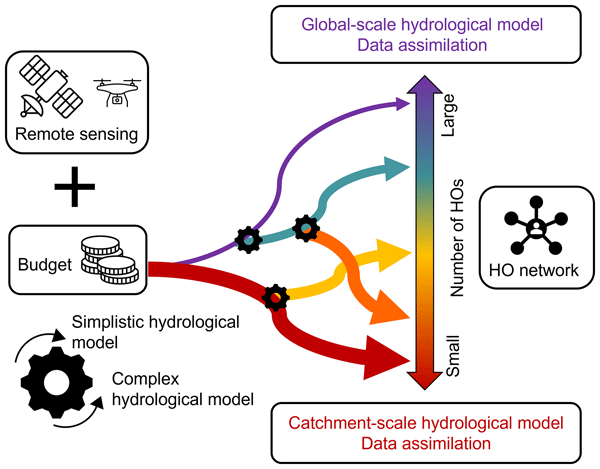
Paolo Nasta, Günter Blöschl, Heye R. Bogena, Steffen Zacharias, Roland Baatz, Gabriëlle De Lannoy, Karsten H. Jensen, Salvatore Manfreda, Laurent Pfister, Ana M. Tarquis, Ilja van Meerveld, Marc Voltz, Yijian Zeng, William Kustas, Xin Li, Harry Vereecken, and Nunzio Romano
Hydrol. Earth Syst. Sci., 29, 465–483, https://doi.org/10.5194/hess-29-465-2025, https://doi.org/10.5194/hess-29-465-2025, 2025
Short summary
Short summary
The Unsolved Problems in Hydrology (UPH) initiative has emphasized the need to establish networks of multi-decadal hydrological observatories to tackle catchment-scale challenges on a global scale. This opinion paper provocatively discusses two endmembers of possible future hydrological observatory (HO) networks for a given hypothesized community budget: a comprehensive set of moderately instrumented observatories or, alternatively, a small number of highly instrumented supersites.
Dan Elhanati, Nadine Goeppert, and Brian Berkowitz
Hydrol. Earth Syst. Sci., 28, 4239–4249, https://doi.org/10.5194/hess-28-4239-2024, https://doi.org/10.5194/hess-28-4239-2024, 2024
Short summary
Short summary
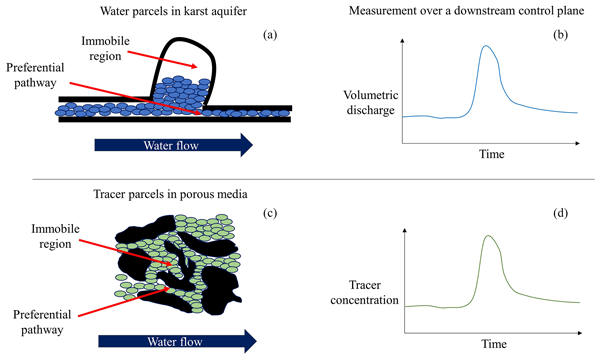
A continuous time random walk framework was developed to allow modeling of a karst aquifer discharge response to measured rainfall. The application of the numerical model yielded robust fits between modeled and measured discharge values, especially for the distinctive long tails found during recession times. The findings shed light on the interplay of slow and fast flow in the karst system and establish the application of the model for simulating flow and transport in such systems.
Svenja Hoffmeister, Rafael Bohn Reckziegel, Ben du Toit, Sibylle K. Hassler, Florian Kestel, Rebekka Maier, Jonathan P. Sheppard, and Erwin Zehe
Hydrol. Earth Syst. Sci., 28, 3963–3982, https://doi.org/10.5194/hess-28-3963-2024, https://doi.org/10.5194/hess-28-3963-2024, 2024
Short summary
Short summary
We studied a tree–crop ecosystem consisting of a blackberry field and an alder windbreak. In the water-scarce region, irrigation provides sufficient water for plant growth. The windbreak lowers the irrigation amount by reducing wind speed and therefore water transport into the atmosphere. These ecosystems could provide sustainable use of water-scarce landscapes, and we studied the complex interactions by observing several aspects (e.g. soil, nutrients, carbon assimilation, water).
Laurent Gourdol, Michael K. Stewart, Uwe Morgenstern, and Laurent Pfister
Hydrol. Earth Syst. Sci., 28, 3519–3547, https://doi.org/10.5194/hess-28-3519-2024, https://doi.org/10.5194/hess-28-3519-2024, 2024
Short summary
Short summary
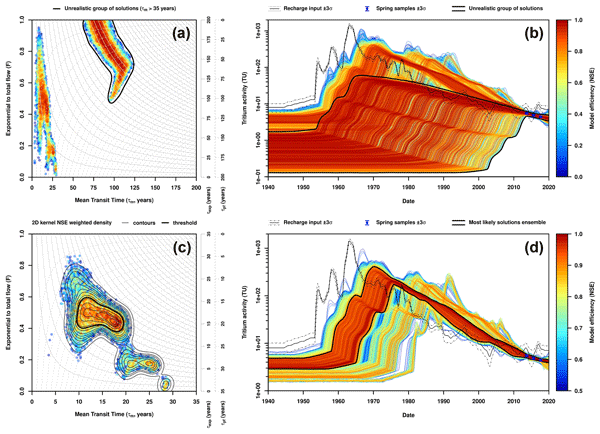
Determining water transit times in aquifers is key to a better understanding of groundwater resources and their sustainable management. For our research, we used high-accuracy tritium data from 35 springs draining the Luxembourg Sandstone aquifer. We assessed the mean transit times of groundwater and found that water moves on average more than 10 times more slowly vertically in the vadose zone of the aquifer (~12 m yr-1) than horizontally in its saturated zone (~170 m yr-1).
Samuel Schroers, Ulrike Scherer, and Erwin Zehe
Hydrol. Earth Syst. Sci., 27, 2535–2557, https://doi.org/10.5194/hess-27-2535-2023, https://doi.org/10.5194/hess-27-2535-2023, 2023
Short summary
Short summary
The hydrological cycle shapes our landscape. With an accelerating change of the world's climate and hydrological dynamics, concepts of evolution of natural systems become more important. In this study, we elaborated a thermodynamic framework for runoff and sediment transport and show from model results as well as from measurements during extreme events that the developed concept is useful for understanding the evolution of the system's mass, energy, and entropy fluxes.
Judith Meyer, Malte Neuper, Luca Mathias, Erwin Zehe, and Laurent Pfister
Hydrol. Earth Syst. Sci., 26, 6163–6183, https://doi.org/10.5194/hess-26-6163-2022, https://doi.org/10.5194/hess-26-6163-2022, 2022
Short summary
Short summary
We identified and analysed the major atmospheric components of rain-intense thunderstorms that can eventually lead to flash floods: high atmospheric moisture, sufficient latent instability, and weak thunderstorm cell motion. Between 1981 and 2020, atmospheric conditions became likelier to support strong thunderstorms. However, the occurrence of extreme rainfall events as well as their rainfall intensity remained mostly unchanged.

Audrey Douinot, Jean François Iffly, Cyrille Tailliez, Claude Meisch, and Laurent Pfister
Hydrol. Earth Syst. Sci., 26, 5185–5206, https://doi.org/10.5194/hess-26-5185-2022, https://doi.org/10.5194/hess-26-5185-2022, 2022
Short summary
Short summary
The objective of the paper is to highlight the seasonal and singular shift of the transfer time distributions of two catchments (≅10 km2).
Based on 2 years of rainfall and discharge observations, we compare variations in the properties of TTDs with the physiographic characteristics of catchment areas and the eco-hydrological cycle. The paper eventually aims to deduce several factors conducive to particularly rapid and concentrated water transfers, which leads to flash floods.
Ralf Loritz, Maoya Bassiouni, Anke Hildebrandt, Sibylle K. Hassler, and Erwin Zehe
Hydrol. Earth Syst. Sci., 26, 4757–4771, https://doi.org/10.5194/hess-26-4757-2022, https://doi.org/10.5194/hess-26-4757-2022, 2022
Short summary
Short summary
In this study, we combine a deep-learning approach that predicts sap flow with a hydrological model to improve soil moisture and transpiration estimates at the catchment scale. Our results highlight that hybrid-model approaches, combining machine learning with physically based models, are a promising way to improve our ability to make hydrological predictions.

Alessandro Montemagno, Christophe Hissler, Victor Bense, Adriaan J. Teuling, Johanna Ziebel, and Laurent Pfister
Biogeosciences, 19, 3111–3129, https://doi.org/10.5194/bg-19-3111-2022, https://doi.org/10.5194/bg-19-3111-2022, 2022
Short summary
Short summary
We investigated the biogeochemical processes that dominate the release and retention of elements (nutrients and potentially toxic elements) during litter degradation. Our results show that toxic elements are retained in the litter, while nutrients are released in solution during the first stages of degradation. This seems linked to the capability of trees to distribute the elements between degradation-resistant and non-degradation-resistant compounds of leaves according to their chemical nature.
Samuel Schroers, Olivier Eiff, Axel Kleidon, Ulrike Scherer, Jan Wienhöfer, and Erwin Zehe
Hydrol. Earth Syst. Sci., 26, 3125–3150, https://doi.org/10.5194/hess-26-3125-2022, https://doi.org/10.5194/hess-26-3125-2022, 2022
Short summary
Short summary
In hydrology the formation of landform patterns is of special interest as changing forcings of the natural systems, such as climate or land use, will change these structures. In our study we developed a thermodynamic framework for surface runoff on hillslopes and highlight the differences of energy conversion patterns on two related spatial and temporal scales. The results indicate that surface runoff on hillslopes approaches a maximum power state.
Brian Berkowitz
Hydrol. Earth Syst. Sci., 26, 2161–2180, https://doi.org/10.5194/hess-26-2161-2022, https://doi.org/10.5194/hess-26-2161-2022, 2022
Short summary
Short summary
Extensive efforts have focused on quantifying conservative chemical transport in geological formations. We assert that an explicit accounting of temporal information, under uncertainty, in addition to spatial information, is fundamental to an effective modeling formulation. We further assert that efforts to apply chemical transport equations at large length scales, based on measurements and model parameter values relevant to significantly smaller length scales, are an unattainable
holy grail.
Alexander Sternagel, Ralf Loritz, Brian Berkowitz, and Erwin Zehe
Hydrol. Earth Syst. Sci., 26, 1615–1629, https://doi.org/10.5194/hess-26-1615-2022, https://doi.org/10.5194/hess-26-1615-2022, 2022
Short summary
Short summary
We present a (physically based) Lagrangian approach to simulate diffusive mixing processes on the pore scale beyond perfectly mixed conditions. Results show the feasibility of the approach for reproducing measured mixing times and concentrations of isotopes over pore sizes and that typical shapes of breakthrough curves (normally associated with non-uniform transport in heterogeneous soils) may also occur as a result of imperfect subscale mixing in a macroscopically homogeneous soil matrix.
Erwin Zehe, Ralf Loritz, Yaniv Edery, and Brian Berkowitz
Hydrol. Earth Syst. Sci., 25, 5337–5353, https://doi.org/10.5194/hess-25-5337-2021, https://doi.org/10.5194/hess-25-5337-2021, 2021
Short summary
Short summary
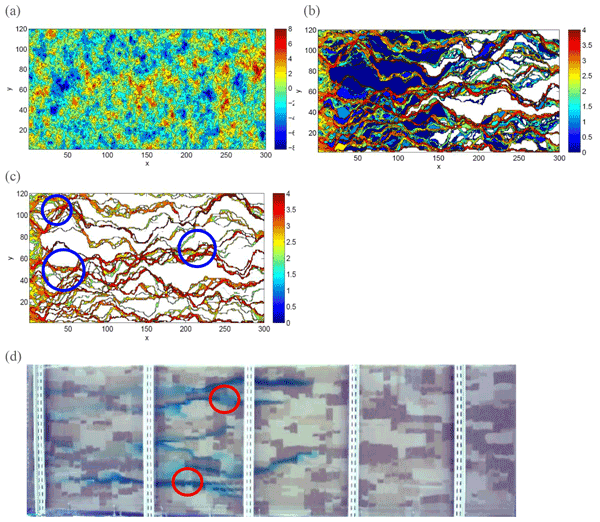
This study uses the concepts of entropy and work to quantify and explain the emergence of preferential flow and transport in heterogeneous saturated porous media. We found that the downstream concentration of solutes in preferential pathways implies a downstream declining entropy in the transverse distribution of solute transport pathways. Preferential flow patterns with lower entropies emerged within media of higher heterogeneity – a stronger self-organization despite a higher randomness.
Cited articles
Barnes, C. and Bonell, M.: Application of unit hydrograph techniques to solute transport in catchments, Hydrol. Process., 10, 793–802, 1996.
Benettin, P., Rinaldo, A., and Botter, G.: Tracking residence times in hydrological systems: forward and backward formulations, Hydrol. Process., 29, 5203–5213, https://doi.org/10.1002/hyp.10513, 2015.
Benettin, P., Volkmann, T. H. M., von Freyberg, J., Frentress, J., Penna, D., Dawson, T. E., and Kirchner, J. W.: Effects of climatic seasonality on the isotopic composition of evaporating soil waters, Hydrol. Earth Syst. Sci., 22, 2881–2890, https://doi.org/10.5194/hess-22-2881-2018, 2018.
Berkowitz, B. and Scher, H.: On characterization of anomalous dispersion in porous and fractured media, Water Resour. Res., 31, 1461–1466, https://doi.org/10.1029/95WR00483, 1995.
Berkowitz, B. and Zehe, E.: Surface water and groundwater: unifying conceptualization and quantification of the two “water worlds”, Hydrol. Earth Syst. Sci., 24, 1831–1858, https://doi.org/10.5194/hess-24-1831-2020, 2020.
Berkowitz, B., Cortis, A., Dentz, M., and and Scher, H.: Modeling non-Fickian transport in geological formations as a continuous time random walk, Rev. Geophys., 44, RG2003, https://doi.org/10.1029/2005RG000178, 2006.
Bloschl, G. and Zehe, E.: Invited commentary – On hydrological predictability, Hydrol. Process., 19, 3923–3929, 2005.
Bolin, B. and Rodhe, H.: A note on the concepts of age distribution and transit time in natural reservoirs, Tellus, 25, 58–62, 1973.
Celia, M. A., Bouloutas, E. T., and Zarba, R. L.: A General Mass-Conservative Numerical-Solution For The Unsaturated Flow Equation, Water Resour. Res., 26, 1483–1496, 1990.
Dentz, M., Kirchner, J. W., Zehe, E., and Berkowitz, B.: The Role of Anomalous Transport in Long-Term, Stream Water Chemistry Variability, Geophys. Res. Lett., 50, https://doi.org/10.1029/2023gl104207, 2023.
Devel, L.: Measurement of self diffusion in pure water H2O-D2O mixtures and solutions of electrolytes, Acta Chem. Scand., 9, 2177–2188, 1962.
Edery, Y., Guadagnini, A., Scher, H., and Berkowitz, B.: Origins of anomalous transport in heterogeneous media: Structural and dynamic controls, Water Resour. Res., 50, 1490–1505, https://doi.org/10.1002/2013wr015111, 2014.
Edery, Y., Dror, I., Scher, H., and Berkowitz, B.: Anomalous reactive transport in porous media: Experiments and modeling, Phys. Rev. E, 91, https://doi.org/10.1103/PhysRevE.91.052130, 2015.
Einstein, A.: Über die von der molekularkinetischen Theorie der Wärme geforderte Bewegung von in ruhenden Flüssigkeiten suspendierten Teilchen, Ann. Phys., 17, 549–560, 1905.
Elhanati, D., Zehe, E., Dror, I., and Berkowitz, B.: Transport behavior displayed by water isotopes and potential implications for assessment of catchment properties, Hydrol. Earth Syst. Sci., 29, 6577–6587, https://doi.org/10.5194/hess-29-6577-2025, 2025.
Eriksson, E.: The possible use of tritium for estimating groundwater storage, Tellus, 10, 472–478, 1958.
Harman, C. J.: Time-variable transit time distributions and transport: Theory and application to storage-dependent transport of chloride in a watershed, Water Resour. Res., 51, 1–30, https://doi.org/10.1002/2014WR015707, 2015.
Hrachowitz, M., Soulsby, C., Tetzlaff, D., Dawson, J. J. C., and Malcolm, I. A.: Regionalization of transit time estimates in montane catchments by integrating landscape controls, Water Resour. Res., 45, W05421, https://doi.org/10.1029/2008wr007496, 2009.
Hrachowitz, M., Soulsby, C., Tetzlaff, D., and Malcolm, I. A.: Sensitivity of mean transit time estimates to model conditioning and data availability, Hydrol. Process., 25, 980–990, https://doi.org/10.1002/hyp.7922, 2011.
Hrachowitz, M., Savenije, H., Bogaard, T. A., Tetzlaff, D., and Soulsby, C.: What can flux tracking teach us about water age distribution patterns and their temporal dynamics?, Hydrol. Earth Syst. Sci., 17, 533–564, https://doi.org/10.5194/hess-17-533-2013, 2013.
Hrachowitz, M., Benettin, P., van Breukelen, B. M., Fovet, O., Howden, N. J. K., Ruiz, L., van der Velde, Y., and Wade, A. J.: Transit times the link between hydrology and water quality at the catchment scale, Wiley Interdisciplinary Reviews-Water, 3, 629–657, https://doi.org/10.1002/wat2.1155, 2016.
Jury, W. A.: Simulation of solute transport using a transfer function model, Water Resour. Res., 18, 363–368, 1982.
Klaus, J., Zehe, E., Elsner, M., Külls, C., and McDonnell, J. J.: Macropore flow of old water revisited: experimental insights from a tile-drained hillslope, Hydrol. Earth Syst. Sci., 17, 103–118, https://doi.org/10.5194/hess-17-103-2013, 2013.
Klaus, J., Zehe, E., Elsner, M., Palm, J., Schneider, D., Schroder, B., Steinbeiss, S., van Schaik, L., and West, S.: Controls of event-based pesticide leaching in natural soils: A systematic study based on replicated field scale irrigation experiments, J. Hydrol., 512, 528–539, https://doi.org/10.1016/j.jhydrol.2014.03.020, 2014.
Klaus, J., Chun, K. P., McGuire, K. J., and McDonnell, J. J.: Temporal dynamics of catchment transit times from stable isotope data, Water Resour. Res., 51, 4208–4223, https://doi.org/10.1002/2014WR016247, 2015.
Kirchner, J., Feng, X., and Neal, C.: Fractal stream chemistry and its implications for contaminant transport in catchments, Nature, 403, 524–527, https://doi.org/10.1038/35000537, 2000.
Levy, M. and Berkowitz, B.: Measurement and analysis of non-Fickian dispersion in heterogeneous porous media, J. Contam. Hydrol., 64, 203–226, 2003.
McGlynn, B., McDonnell, J., Stewart, M., and Seibert, J.: On the relationships between catchment scale and streamwater mean residence time, Hydrol. Process., 17, 175–181, 2003.
McGlynn, B. L., McDonnel, J. J., and Brammer, D. D.: A review of the evolving perceptual model of hillslope flowpaths at the Maimai catchments, New Zealand, J. Hydrol., 257, 1–26, 2002.
McGuire, K. J. and McDonnell, J. J.: A review and evaluation of catchment transit time modeling, J. Hydrol., 330, 543–563, 2006.
Rinaldo, A., Benettin, P., Harman, C. J., Hrachowitz, M., McGuire, K. J., van der Velde, Y., Bertuzzo, E., and Botter, G.: Storage selection functions: A coherent framework for quantifying how catchments store and release water and solutes, Water Resour. Res., 51, 4840–4847, https://doi.org/10.1002/2015WR017273, 2015.
Rodriguez, N. B. and Klaus, J.: Catchment Travel Times From Composite StorAge Selection Functions Representing the Superposition of Streamflow Generation Processes, Water Resour. Res., 55, 9292–9314, https://doi.org/10.1029/2019WR024973, 2019.
Rodriguez, N. B., McGuire, K. J., and Klaus, J.: Time-Varying Storage-Water Age Relationships in a Catchment With a Mediterranean Climate, Water Resour. Res., 54, 3988–4008, https://doi.org/10.1029/2017wr021964, 2018.
Rodriguez, N. B., Pfister, L., Zehe, E., and Klaus, J.: A comparison of catchment travel times and storage deduced from deuterium and tritium tracers using StorAge Selection functions, Hydrol. Earth Syst. Sci., 25, 401–428, https://doi.org/10.5194/hess-25-401-2021, 2021.
Roth, K. and Hammel, K.: Transport of conservative chemical through an unsaturated two-dimensional Miller-similar medium with steady state flow, Water Resour. Res., 32, 1653–1663, https://doi.org/10.1029/96WR00756, 1996.
Sternagel, A., Loritz, R., Klaus, J., Berkowitz, B., and Zehe, E.: Simulation of reactive solute transport in the critical zone: a Lagrangian model for transient flow and preferential transport, Hydrol. Earth Syst. Sci., 25, 1483–1508, https://doi.org/10.5194/hess-25-1483-2021, 2021.
Simmons, C. S.: A stochastic-convective transport representation of dispersion in one-dimensional porous media systems, Water Resour. Res., 18, 1193–1214, 1982.
Sprenger, M., Leistert, H., Gimbel, K., and Weiler, M.: Illuminating hydrological processes at the soil-vegetation-atmosphere interface with water stable isotopes, Rev. Geophys., 54, 674–704, https://doi.org/10.1002/2015RG000515, 2016.
Stewart, M. K., Morgenstern, U., and McDonnell, J. J.: Truncation of stream residence time: how the use of stable isotopes has skewed our concept of streamwater age and origin, Hydrol. Process., 24, 1646–1659, https://doi.org/10.1002/hyp.7576, 2010.
Stewart, M. K., Morgenstern, U., and Cartwright, I.: Comment on “A comparison of catchment travel times and storage deduced from deuterium and tritium tracers using StorAge Selection functions” by Rodriguez et al. (2021), Hydrol. Earth Syst. Sci., 25, 6333–6338, https://doi.org/10.5194/hess-25-6333-2021, 2021.
Türk, H., Stumpp, C., Hrachowitz, M., Strauss, P., Blöschl, G., and Stockinger, M.: Catchment transit time variability with different SAS function parameterizations for the unsaturated zone and groundwater, Hydrol. Earth Syst. Sci., 30, 1053–1076, https://doi.org/10.5194/hess-30-1053-2026, 2026.
van der Velde, Y., Heidbüchel, I., Lyon, S. W., Nyberg, L., Rodhe, A., Bishop, K., and Troch, P. A.: Consequences of mixing assumptions for time-variable travel time distributions, Hydrol. Process., 29, 3460–3474, https://doi.org/10.1002/hyp.10372, 2015.
Wang, J. H., Robinson, C. V., and Edelman, I. S.: Measurement of the Self-diffusion of Liquid Water with, H3 and O18 as Tracers. Contribution from the Department of Chemistry of Yale University, Department of Neurosurgery of New England Center Hospital, and Biophysical Laboratory of Harvard Medical School, https://doi.org/10.1021/ja01098a061, 1952.
Wang, S., Hrachowitz, M., Schoups, G., and Stumpp, C.: Stable water isotopes and tritium tracers tell the same tale: no evidence for underestimation of catchment transit times inferred by stable isotopes in StorAge Selection (SAS)-function models, Hydrol. Earth Syst. Sci., 27, 3083–3114, https://doi.org/10.5194/hess-27-3083-2023, 2023.
Weiler, M., McGlynn, B. L., McGuire, K. J., and McDonnell, J. J.: How does rainfall become runoff? A combined tracer and runoff transfer function approach, Water Resour. Res., 39, 1315, https://doi.org/10.1029/2003wr002331, 2003.
Wienhöfer, J., Germer, K., Lindenmaier, F., Färber, A., and Zehe, E.: Applied tracers for the observation of subsurface stormflow at the hillslope scale, Hydrol. Earth Syst. Sci., 13, 1145–1161, https://doi.org/10.5194/hess-13-1145-2009, 2009.
Zehe, E., Maurer, T., Ihringer, J., and Plate, E.: Modelling water flow and mass transport in a Loess catchment, Phys. Chem. Earth B, 26, 487–507, https://doi.org/10.1016/S0378-3774(99)00083-9, 2001.
Zehe, E., Loritz, R., Edery, Y., and Berkowitz, B.: Preferential pathways for fluid and solutes in heterogeneous groundwater systems: self-organization, entropy, work, Hydrol. Earth Syst. Sci., 25, 5337–5353, https://doi.org/10.5194/hess-25-5337-2021, 2021.
Short summary
Travel or transit time distributions play a key role in contaminant leaching from the partially saturated zone into groundwater. Here we show that average travel times are of different water isotopes may differ by 5 %–10 %. These difference arise in case of imperfect mixing due to trapping of isotope molecules in bottle necks of very small hydraulic conductivity. Molecules with smaller diffusion coefficient stay there for a longer time.
Travel or transit time distributions play a key role in contaminant leaching from the partially...


