
Articles | Volume 29, issue 22
https://doi.org/10.5194/hess-29-6549-2025
© Author(s) 2025. This work is distributed under
the Creative Commons Attribution 4.0 License.
the Creative Commons Attribution 4.0 License.
https://doi.org/10.5194/hess-29-6549-2025
© Author(s) 2025. This work is distributed under
the Creative Commons Attribution 4.0 License.
the Creative Commons Attribution 4.0 License.
Research article
| 
20 Nov 2025
Research article |
| 20 Nov 2025
| 20 Nov 2025
Enhancing physically based and distributed hydrological model calibration through internal state variable constraints
Frédéric Talbot
CORRESPONDING AUTHOR
Hydrology, Climate and Climate Change Laboratory, École de technologie supérieure, Université du Québec, Montréal, H3C 1K3, Canada
Jean-Daniel Sylvain
Hydrology, Climate and Climate Change Laboratory, École de technologie supérieure, Université du Québec, Montréal, H3C 1K3, Canada
Direction de la recherche forestière, Ministère des Ressources naturelles et des Forêts, Québec, G1P 3W8, Canada
Guillaume Drolet
Direction de la recherche forestière, Ministère des Ressources naturelles et des Forêts, Québec, G1P 3W8, Canada
Annie Poulin
Hydrology, Climate and Climate Change Laboratory, École de technologie supérieure, Université du Québec, Montréal, H3C 1K3, Canada
Richard Arsenault
Hydrology, Climate and Climate Change Laboratory, École de technologie supérieure, Université du Québec, Montréal, H3C 1K3, Canada
Related authors
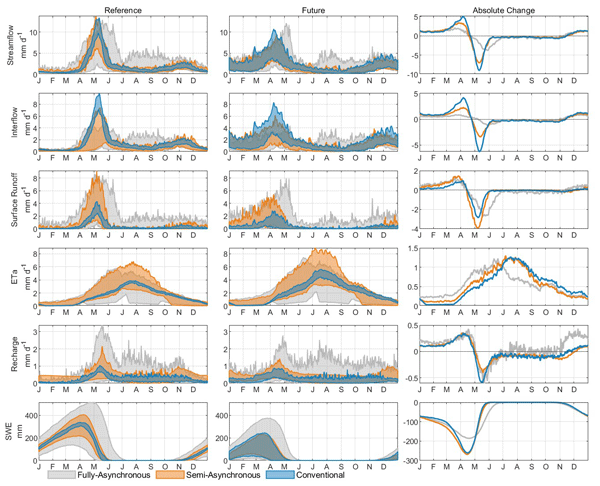
Frédéric Talbot, Simon Ricard, Guillaume Drolet, Annie Poulin, Jean-Luc Martel, Richard Arsenault, and Jean-Daniel Sylvain
Hydrol. Earth Syst. Sci., 30, 5411–5453, https://doi.org/10.5194/hess-30-5411-2026, https://doi.org/10.5194/hess-30-5411-2026, 2026
Short summary
Short summary
This study compares three hydrological modeling approaches for assessing climate change impacts on water systems. It evaluates the conventional method alongside a fully- and semi-asynchronous methods, which excels in capturing extreme events but faces challenges with event timing. The results highlight the potential of the semi-asynchronous method as an innovative and robust tool for hydrological modeling under climate change.
Frédéric Talbot, Simon Ricard, Jean-Daniel Sylvain, Guillaume Drolet, Annie Poulin, Jean-Luc Martel, and Richard Arsenault
EGUsphere, https://doi.org/10.5194/egusphere-2024-3037, https://doi.org/10.5194/egusphere-2024-3037, 2024
Preprint archived
Short summary
Short summary
This study compares two hydrological modeling approaches for assessing climate change impacts on water systems. We evaluate the conventional method alongside the asynchronous method, which excels in capturing extreme events but faces challenges with event timing. Our findings suggest that a semi-asynchronous approach, blending the strengths of both methods, could offer better results. This research provides key insights for supporting sustainable resource planning in a changing climate.
Frédéric Talbot, Simon Ricard, Guillaume Drolet, Annie Poulin, Jean-Luc Martel, Richard Arsenault, and Jean-Daniel Sylvain
Hydrol. Earth Syst. Sci., 30, 5411–5453, https://doi.org/10.5194/hess-30-5411-2026, https://doi.org/10.5194/hess-30-5411-2026, 2026
Short summary
Short summary
This study compares three hydrological modeling approaches for assessing climate change impacts on water systems. It evaluates the conventional method alongside a fully- and semi-asynchronous methods, which excels in capturing extreme events but faces challenges with event timing. The results highlight the potential of the semi-asynchronous method as an innovative and robust tool for hydrological modeling under climate change.
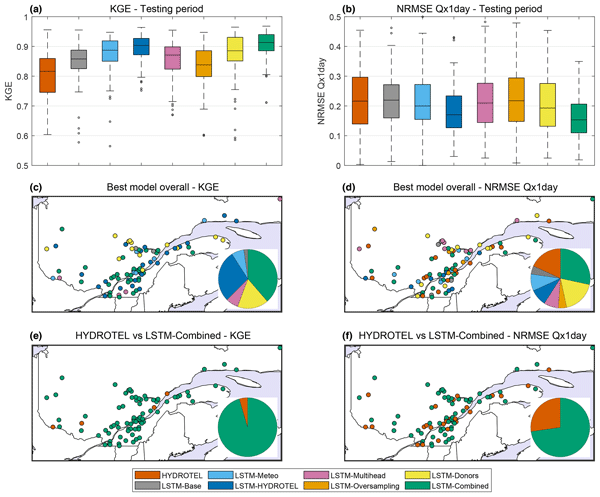
Jean-Luc Martel, Richard Arsenault, Richard Turcotte, Mariana Castañeda-Gonzalez, François Brissette, William Armstrong, Edouard Mailhot, Jasmine Pelletier-Dumont, Simon Lachance-Cloutier, Gabriel Rondeau-Genesse, and Louis-Philippe Caron
Hydrol. Earth Syst. Sci., 29, 4951–4968, https://doi.org/10.5194/hess-29-4951-2025, https://doi.org/10.5194/hess-29-4951-2025, 2025
Short summary
Short summary
This study explores six methods to improve the ability of long short-term memory (LSTM) neural networks to predict peak streamflows, crucial for flood analysis. By enhancing data inputs and model techniques, the research shows that LSTM models can match or surpass traditional hydrological models in simulating peak flows. Tested on 88 catchments in Quebec, Canada, these methods offer promising strategies for better flood prediction.
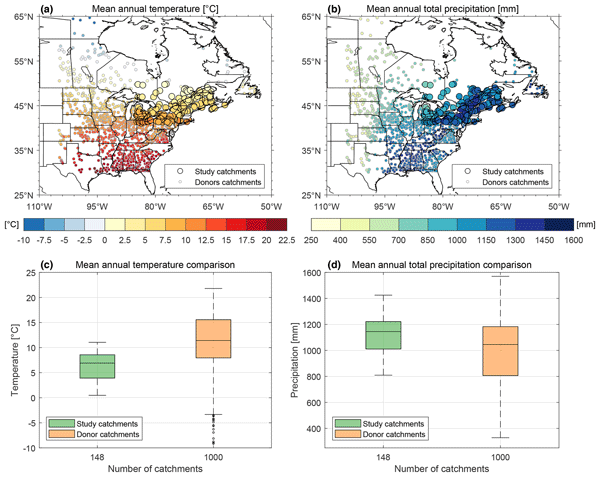
Jean-Luc Martel, François Brissette, Richard Arsenault, Richard Turcotte, Mariana Castañeda-Gonzalez, William Armstrong, Edouard Mailhot, Jasmine Pelletier-Dumont, Gabriel Rondeau-Genesse, and Louis-Philippe Caron
Hydrol. Earth Syst. Sci., 29, 2811–2836, https://doi.org/10.5194/hess-29-2811-2025, https://doi.org/10.5194/hess-29-2811-2025, 2025
Short summary
Short summary
This study compares long short-term memory (LSTM) neural networks with traditional hydrological models to predict future streamflow under climate change. Using data from 148 catchments, it finds that LSTM models, which learn from extensive data sequences, perform differently and often better than traditional hydrological models. The continental LSTM model, which includes data from diverse climate zones, is particularly effective for understanding climate impacts on water resources.
Frédéric Talbot, Simon Ricard, Jean-Daniel Sylvain, Guillaume Drolet, Annie Poulin, Jean-Luc Martel, and Richard Arsenault
EGUsphere, https://doi.org/10.5194/egusphere-2024-3037, https://doi.org/10.5194/egusphere-2024-3037, 2024
Preprint archived
Short summary
Short summary
This study compares two hydrological modeling approaches for assessing climate change impacts on water systems. We evaluate the conventional method alongside the asynchronous method, which excels in capturing extreme events but faces challenges with event timing. Our findings suggest that a semi-asynchronous approach, blending the strengths of both methods, could offer better results. This research provides key insights for supporting sustainable resource planning in a changing climate.
Mehrad Rahimpour Asenjan, Francois Brissette, Richard Arsenault, and Jean-Luc Martel
EGUsphere, https://doi.org/10.5194/egusphere-2024-1183, https://doi.org/10.5194/egusphere-2024-1183, 2024
Preprint archived
Short summary
Short summary
Our study examines how combining climate models impacts future streamflow predictions, crucial for understanding climate change. Comparing six methods across 3,107 North American catchments, we found unequal weighting significantly improves rainfall and temperature projections. However, for streamflow, both equal and unequal weighting perform similarly with bias correction. Our findings underscore the need to carefully select weighting methods and correct biases for accurate climate projections.
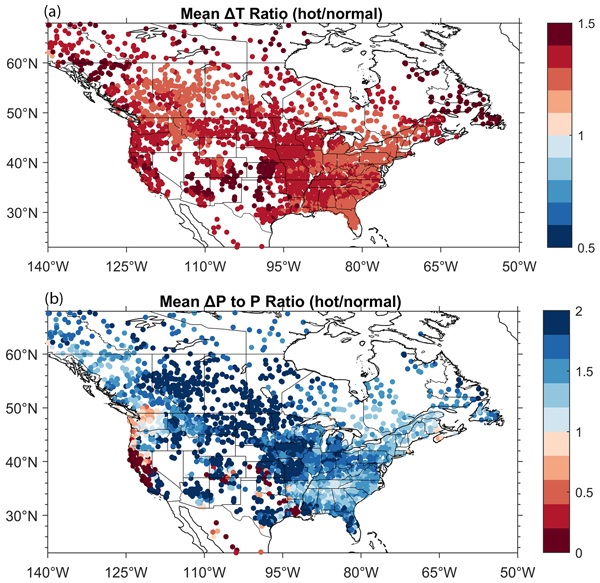
Mehrad Rahimpour Asenjan, Francois Brissette, Jean-Luc Martel, and Richard Arsenault
Hydrol. Earth Syst. Sci., 27, 4355–4367, https://doi.org/10.5194/hess-27-4355-2023, https://doi.org/10.5194/hess-27-4355-2023, 2023
Short summary
Short summary
Climate models are central to climate change impact studies. Some models project a future deemed too hot by many. We looked at how including hot models may skew the result of impact studies. Applied to hydrology, this study shows that hot models do not systematically produce hydrological outliers.
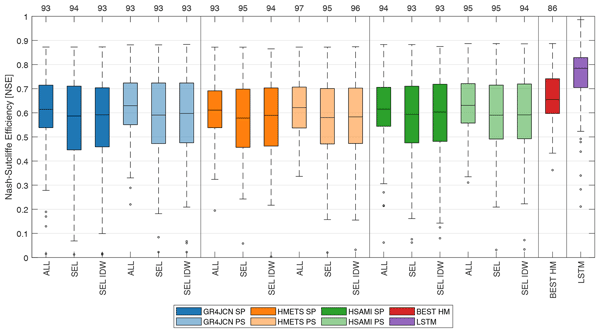
Richard Arsenault, Jean-Luc Martel, Frédéric Brunet, François Brissette, and Juliane Mai
Hydrol. Earth Syst. Sci., 27, 139–157, https://doi.org/10.5194/hess-27-139-2023, https://doi.org/10.5194/hess-27-139-2023, 2023
Short summary
Short summary
Predicting flow in rivers where no observation records are available is a daunting task. For decades, hydrological models were set up on these gauges, and their parameters were estimated based on the hydrological response of similar or nearby catchments where records exist. New developments in machine learning have now made it possible to estimate flows at ungauged locations more precisely than with hydrological models. This study confirms the performance superiority of machine learning models.
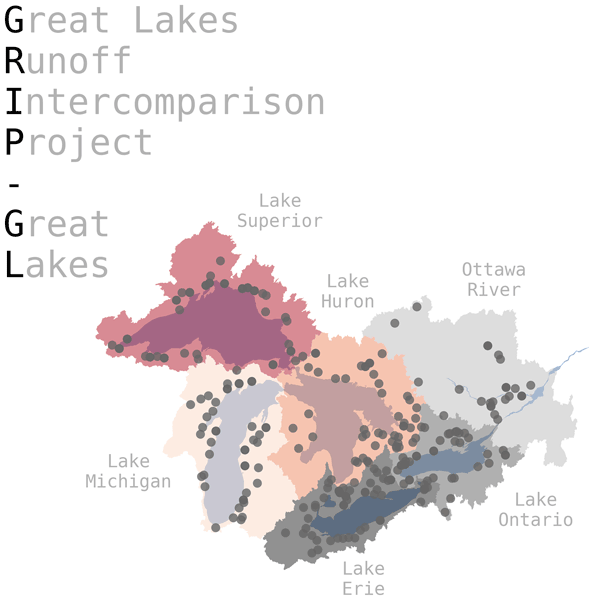
Juliane Mai, Hongren Shen, Bryan A. Tolson, Étienne Gaborit, Richard Arsenault, James R. Craig, Vincent Fortin, Lauren M. Fry, Martin Gauch, Daniel Klotz, Frederik Kratzert, Nicole O'Brien, Daniel G. Princz, Sinan Rasiya Koya, Tirthankar Roy, Frank Seglenieks, Narayan K. Shrestha, André G. T. Temgoua, Vincent Vionnet, and Jonathan W. Waddell
Hydrol. Earth Syst. Sci., 26, 3537–3572, https://doi.org/10.5194/hess-26-3537-2022, https://doi.org/10.5194/hess-26-3537-2022, 2022
Short summary
Short summary
Model intercomparison studies are carried out to test various models and compare the quality of their outputs over the same domain. In this study, 13 diverse model setups using the same input data are evaluated over the Great Lakes region. Various model outputs – such as streamflow, evaporation, soil moisture, and amount of snow on the ground – are compared using standardized methods and metrics. The basin-wise model outputs and observations are made available through an interactive website.
Cited articles
Acero Triana, J. S., Chu, M. L., Guzman, J. A., Moriasi, D. N., and Steiner, J. L.: Beyond model metrics: The perils of calibrating hydrologic models, Journal of Hydrology, 578, 124032, https://doi.org/10.1016/j.jhydrol.2019.124032, 2019.
Akumu, C. E., Woods, M., Johnson, J. A., Pitt, D. G., Uhlig, P., and McMurray, S.: GIS-fuzzy logic technique in modeling soil depth classes: Using parts of the Clay Belt and Hornepayne region in Ontario, Canada as a case study, Geoderma, 283, 78–87, https://doi.org/10.1016/j.geoderma.2016.07.028, 2016.
Arsenault, R., Poulin, A., Côté, P., and Brissette, F.: Comparison of Stochastic Optimization Algorithms in Hydrological Model Calibration, Journal of Hydrologic Engineering, 19, 1374–1384, https://doi.org/10.1061/(ASCE)HE.1943-5584.0000938, 2014.
Arsenault, R., Martel, J.-L., Brunet, F., Brissette, F., and Mai, J.: Continuous streamflow prediction in ungauged basins: long short-term memory neural networks clearly outperform traditional hydrological models, Hydrol. Earth Syst. Sci., 27, 139–157, https://doi.org/10.5194/hess-27-139-2023, 2023.
Beck, H. E., Zimmermann, N. E., McVicar, T. R., Vergopolan, N., Berg, A., and Wood, E. F.: Present and future Köppen-Geiger climate classification maps at 1-km resolution, Sci Data, 5, 180214, https://doi.org/10.1038/sdata.2018.214, 2018.
Bormann, H. and Elfert, S.: Application of WaSiM-ETH model to Northern German lowland catchments: model performance in relation to catchment characteristics and sensitivity to land use change, Adv. Geosci., 27, 1–10, https://doi.org/10.5194/adgeo-27-1-2010, 2010.
Bouaziz, L. J. E., Fenicia, F., Thirel, G., de Boer-Euser, T., Buitink, J., Brauer, C. C., De Niel, J., Dewals, B. J., Drogue, G., Grelier, B., Melsen, L. A., Moustakas, S., Nossent, J., Pereira, F., Sprokkereef, E., Stam, J., Weerts, A. H., Willems, P., Savenije, H. H. G., and Hrachowitz, M.: Behind the scenes of streamflow model performance, Hydrol. Earth Syst. Sci., 25, 1069–1095, https://doi.org/10.5194/hess-25-1069-2021, 2021.
Boumaiza, L., Walter, J., Chesnaux, R., Lambert, M., Jha, M. K., Wanke, H., Brookfield, A., Batelaan, O., Galvão, P., Laftouhi, N.-E., and Stumpp, C.: Groundwater recharge over the past 100 years: Regional spatiotemporal assessment and climate change impact over the Saguenay-Lac-Saint-Jean region, Canada, Hydrological Processes, 36, e14526, https://doi.org/10.1002/hyp.14526, 2022.
Buffin-Bélanger, T., Chaillou, G., Cloutier, C.-A., Touchette, M., Hétu, B., and McCormack, R.: Programme d'acquisition de connaissance sur les eaux souterraines du nord-est du Bas-Saint-Laurent (PACES-NEBSL): Rapport final, Université du Québec à Rimouski, Département de biologie, chimie et géographie, Rimouski, Québec, 2015.
Carrier, M.-A., Lefebvre, R., Rivard, C., Parent, M., Ballard, J.-M., Benoit, N., Vigneault, H., Beaudry, C., Malet, X., Laurencelle, M., Gosselin, J.-S., Ladevèze, P., Thériault, R., Beaudin, I., Michaud, A., Pugin, A., Morin, R., Crow, H., Gloaguen, E., Bleser, J., Martin, A., and Lavoie, D.: Portrait des ressources en eau souterraine en Montérégie Est, Québec, Canada, Institut national de la recherche scientifique (INRS), Commission géologique du Canada (CGC), Organisme de bassin versant de la Yamaska (OBV Yamaska), Institut de recherche et développement en agroenvironnement (IRDA), Québec, 2013.
Commission for Environmental Cooperation: 2015 Land Cover of North America at 30 meters, North American Environmental Atlas [data set], http://www.cec.org/north-american-environmental-atlas/land-cover-30m-2015-landsat-and-rapideye/ (last access: 1 December 2023), 2015.
Chemingui, A., Sulis, M., and Paniconi, C.: An assessment of recharge estimates from stream and well data and from a coupled surface-water/groundwater model for the des Anglais catchment, Quebec (Canada), Hydrogeol. J., 23, 1731–1743, https://doi.org/10.1007/s10040-015-1299-1, 2015.
Chen, J., Sudicky, E. A., Gula, J., Peltier, W. R., Park, Y., and Ross, M.: Impact of climate change on Canadian surface water and groundwater resources: A continental-scale hydrologic modelling study using multiple high-resolution RCM projections, AGU Fall Meeting 2011, San Francisco, USA, 5–9 December 2011, GC21A-0853, https://ui.adsabs.harvard.edu/abs/2011AGUFMGC21A0853C/abstract (last access: 18 November 2025), 2011.
Chu, T. W. and Shirmohammadi, A.: Evaluation of the SWAT models hydrology component in the Piedmont physiographic region of Maryland, Transactions of the ASAE, 47, 1057–1073, https://doi.org/10.13031/2013.16579, 2004.
Cloutier, V., Blanchette, D., Dallaire, P.-L., Nadeau, S., Rosa, E., and Roy, M.: Projet d'acquisition de connaissances sur les eaux souterraines de l'Abitibi-Témiscamingue (partie 1), Groupe de recherche sur l'eau souterraine, Institut de recherche en mines et en environnement, Université du Québec en Abitibi-Témiscamingue, Québec, 2013.
Cloutier, V., Rosa, E., Nadeau, S., Dallaire, P.-L., Blanchette, D., and Roy, M.: Projet d'acquisition de connaissances sur les eaux souterraines de l'Abitibi-Témiscamingue (partie 2), Groupe de recherche sur l'eau souterraine, Institut de recherche en mines et en environnement, Université du Québec en Abitibi-Témiscamingue, Québec, 2015.
Comeau, G., Talbot-Poulin, M. C., Tremblay, Y., Ayotte, S., Molson, J., Lemieux, J. M., Montcoudiol, N., Therrien, R., Fortier, R., Therrien, P., and Fabien-Ouellet, G.: Projet d'acquisition de connaissances sur les eaux souterraines en Outaouais, Département de géologie et de génie géologique, Université Laval, Québec, 2013.
Conrad, O., Bechtel, B., Bock, M., Dietrich, H., Fischer, E., Gerlitz, L., Wehberg, J., Wichmann, V., and Böhner, J.: System for Automated Geoscientific Analyses (SAGA) v. 2.1.4, Geosci. Model Dev., 8, 1991–2007, https://doi.org/10.5194/gmd-8-1991-2015, 2015.
Croteau, A., Nastev, M., and Lefebvre, R.: Groundwater Recharge Assessment in the Chateauguay River Watershed, Canadian Water Resources Journal, 35, 451–468, https://doi.org/10.4296/cwrj3504451, 2010.
Cunningham, S. C., Thomson, J. R., Mac Nally, R., Read, J., and Baker, P. J.: Groundwater change forecasts widespread forest dieback across an extensive floodplain system: Groundwater change forecasts forest dieback, Freshwater Biology, 56, 1494–1508, https://doi.org/10.1111/j.1365-2427.2011.02585.x, 2011.
De Lima Ferreira, P. M. and Da Paz, A. R.: Enhanced calibration of a distributed hydrological model in the Brazilian Semi-Arid: integrating spatiotemporal evapotranspiration and streamflow data, Environ. Earth Sci., 83, 345, https://doi.org/10.1007/s12665-024-11663-6, 2024.
Dembélé, M., Hrachowitz, M., Savenije, H. H. G., Mariéthoz, G., and Schaefli, B.: Improving the Predictive Skill of a Distributed Hydrological Model by Calibration on Spatial Patterns With Multiple Satellite Data Sets, Water Resources Research, 56, e2019WR026085, https://doi.org/10.1029/2019WR026085, 2020.
Dubois, E., Larocque, M., Gagné, S., and Meyzonnat, G.: Simulation of long-term spatiotemporal variations in regional-scale groundwater recharge: contributions of a water budget approach in cold and humid climates, Hydrol. Earth Syst. Sci., 25, 6567–6589, https://doi.org/10.5194/hess-25-6567-2021, 2021.
Duethmann, D., Anderson, M., Maneta, M. P., and Tetzlaff, D.: Improving process-consistency of an ecohydrological model through inclusion of spatial patterns of satellite-derived land surface temperature, Journal of Hydrology, 628, 130433, https://doi.org/10.1016/j.jhydrol.2023.130433, 2024.
Farjad, B., Gupta, A., and Marceau, D. J.: Annual and Seasonal Variations of Hydrological Processes Under Climate Change Scenarios in Two Sub-Catchments of a Complex Watershed, Water Resour Manage, 30, 2851–2865, https://doi.org/10.1007/s11269-016-1329-3, 2016.
Ficchì, A., Perrin, C., and Andréassian, V.: Hydrological modelling at multiple sub-daily time steps: Model improvement via flux-matching, Journal of Hydrology, 575, 1308–1327, https://doi.org/10.1016/j.jhydrol.2019.05.084, 2019.
Ford, C. R., Laseter, S. H., Swank, W. T., and Vose, J. M.: Can forest management be used to sustain water-based ecosystem services in the face of climate change?, Ecological Applications, 21, 2049–2067, https://doi.org/10.1890/10-2246.1, 2011.
Förster, K., Meißl, G., Marke, T., Pohl, S., Garvelmann, J., Schulla, J., and Strasser, U.: A new snow–vegetation interaction extension for the Water Balance Simulation Model (WaSiM), EGU General Assembly 2017, Vienna, Austria, 23–28 April 2017, EGU2017-2620, https://meetingorganizer.copernicus.org/EGU2017/EGU2017-2620.pdf (last access: 18 November 2025), 2017.
Förster, K., Garvelmann, J., Meißl, G., and Strasser, U.: Modelling forest snow processes with a new version of WaSiM, Hydrological Sciences Journal, 63, 1540–1557, https://doi.org/10.1080/02626667.2018.1518626, 2018.
Gädeke, A., Hölzel, H., Koch, H., Pohle, I., and Grünewald, U.: Analysis of uncertainties in the hydrological response of a model-based climate change impact assessment in a subcatchment of the Spree River, Germany, Hydrological Processes, 28, 3978–3998, https://doi.org/10.1002/hyp.9933, 2014.
Géobase du réseau hydrographique du Québec (GRHQ) – Données Québec: https://www.donneesquebec.ca/recherche/dataset/grhq (last access: 30 November 2023), 2016.
Grant, G. E., Tague, C. L., and Allen, C. D.: Watering the forest for the trees: an emerging priority for managing water in forest landscapes, Frontiers in Ecology and the Environment, 11, 314–321, https://doi.org/10.1890/120209, 2013.
Hamon, W. R.: Estimating Potential Evapotranspiration, Transactions of the American Society of Civil Engineers, 128, 324–338, https://doi.org/10.1061/TACEAT.0008673, 1963.
Hersbach, H., Bell, B., Berrisford, P., Hirahara, S., Horányi, A., Muñoz-Sabater, J., Nicolas, J., Peubey, C., Radu, R., Schepers, D., Simmons, A., Soci, C., Abdalla, S., Abellan, X., Balsamo, G., Bechtold, P., Biavati, G., Bidlot, J., Bonavita, M., De Chiara, G., Dahlgren, P., Dee, D., Diamantakis, M., Dragani, R., Flemming, J., Forbes, R., Fuentes, M., Geer, A., Haimberger, L., Healy, S., Hogan, R. J., Hólm, E., Janisková, M., Keeley, S., Laloyaux, P., Lopez, P., Lupu, C., Radnoti, G., de Rosnay, P., Rozum, I., Vamborg, F., Villaume, S., and Thépaut, J.-N.: The ERA5 global reanalysis, Quarterly Journal of the Royal Meteorological Society, 146, 1999–2049, https://doi.org/10.1002/qj.3803, 2020.
Hock, R.: Temperature index melt modelling in mountain areas, Journal of Hydrology, 282, 104–115, https://doi.org/10.1016/S0022-1694(03)00257-9, 2003.
Imhoff, R. O., van Verseveld, W. J., van Osnabrugge, B., and Weerts, A. H.: Scaling Point-Scale (Pedo)transfer Functions to Seamless Large-Domain Parameter Estimates for High-Resolution Distributed Hydrologic Modeling: An Example for the Rhine River, Water Resources Research, 56, e2019WR026807, https://doi.org/10.1029/2019WR026807, 2020.
Jacobs, J. M.: Ecohydrology: Darwinian Expression of Vegetation Form and Function, EoS Transactions, 84, 345–345, https://doi.org/10.1029/2003EO350009, 2003.
Jasper, K., Calanca, P., and Fuhrer, J.: Changes in summertime soil water patterns in complex terrain due to climatic change, Journal of Hydrology, 327, 550–563, https://doi.org/10.1016/j.jhydrol.2005.11.061, 2006.
Jeong, S., Hong, M., and Song, J.: Soil depth estimation in mountainous areas by using GIS and satellite images, Landslides, 19, 2711–2726, https://doi.org/10.1007/s10346-022-01919-2, 2022.
Kirchner, J. W.: Getting the right answers for the right reasons: Linking measurements, analyses, and models to advance the science of hydrology, Water Resources Research, 42, 2005WR004362, https://doi.org/10.1029/2005WR004362, 2006.
Kling, H., Fuchs, M., and Paulin, M.: Runoff conditions in the upper Danube basin under an ensemble of climate change scenarios, Journal of Hydrology, 424–425, 264–277, https://doi.org/10.1016/j.jhydrol.2012.01.011, 2012.
Koch, J., Demirel, M. C., and Stisen, S.: The SPAtial EFficiency metric (SPAEF): multiple-component evaluation of spatial patterns for optimization of hydrological models, Geosci. Model Dev., 11, 1873–1886, https://doi.org/10.5194/gmd-11-1873-2018, 2018.
Kratzert, F., Klotz, D., Brenner, C., Schulz, K., and Herrnegger, M.: Rainfall–runoff modelling using Long Short-Term Memory (LSTM) networks, Hydrol. Earth Syst. Sci., 22, 6005–6022, https://doi.org/10.5194/hess-22-6005-2018, 2018.
Kratzert, F., Klotz, D., Herrnegger, M., Sampson, A. K., Hochreiter, S., and Nearing, G. S.: Toward Improved Predictions in Ungauged Basins: Exploiting the Power of Machine Learning, Water Resources Research, 55, 11344–11354, https://doi.org/10.1029/2019WR026065, 2019.
Larocque, M., Gagné, S., Tremblay, L., and Meyzonnat, G.: Projet de connaissance des eaux souterraines du bassin versant de la rivière Bécancour et de la MRC de Bécancour – Rapport final, Ministère du Développement durable, de l'Environnement, de la Faune et des Parcs, Québec, 2013.
Larocque, M., Gagné, S., Barnetche, D., Meyzonnat, G., Graveline, M.-H., and Ouellet, M. A.: Projet de connaissance des eaux souterraines du bassin versant de la zone Nicolet et de la partie basse de la zone Saint-François – Rapport final, Ministère du Développement durable, de l'Environnement et de la Lutte contre les changements climatiques, Québec, 2015.
Larocque, M., Levison, J., Martin, A., and Chaumont, D.: A review of simulated climate change impacts on groundwater resources in Eastern Canada, Canadian Water Resources Journal, 44, 22–41, https://doi.org/10.1080/07011784.2018.1503066, 2019.
Latifovic, R., Homer, C., Ressl, R., Pouliot, D. A., Hossian, S., Colditz, R., Olthof, I., Chandra, G., and Victoria, A.: North American Land Change Monitoring System, Remote Sensing of Land Use and Land Cover: Principles and Applications, 303–324, https://doi.org/10.1201/b11964-24, 2012.
Lefebvre, R., Ballard, J.-M., Vigneault, H., Beaudry, C., Berthot, L., Légaré-Couture, G., Parent, M., Laurencelle, M., Malet, X., Therrien, A., Michaud, A., Desjardins, J., Drouin, A., Cloutier, M. H., Grenier, J., Bourgault, M.-A., Larocque, M., Pellerin, S., Graveline, M.-H., Janos, D., and Molson, J.: Portrait des ressources en eau souterraine en Chaudière-Appalaches, Québec, Canada, Institut national de la recherche scientifique (INRS), Institut de recherche et développement en agroenvironnement (IRDA), Regroupement des organismes de bassins versants de la Chaudière-Appalaches (OBV-CA), Québec, 2015.
Lighthill, M. J. and Whitham, G. B.: On kinematic waves I. Flood movement in long rivers, Proceedings of the Royal Society of London. Series A. Mathematical and Physical Sciences, 229, 281–316, https://doi.org/10.1098/rspa.1955.0088, 1955.
Liu, X., Yang, K., Ferreira, V. G., and Bai, P.: Hydrologic Model Calibration With Remote Sensing Data Products in Global Large Basins, Water Resources Research, 58, e2022WR032929, https://doi.org/10.1029/2022WR032929, 2022.
Ludwig, R., May, I., Turcotte, R., Vescovi, L., Braun, M., Cyr, J.-F., Fortin, L.-G., Chaumont, D., Biner, S., Chartier, I., Caya, D., and Mauser, W.: The role of hydrological model complexity and uncertainty in climate change impact assessment, Adv. Geosci., 21, 63–71, https://doi.org/10.5194/adgeo-21-63-2009, 2009.
MacMillan, R. A., Pettapiece, W. W., Nolan, S. C., and Goddard, T. W.: A generic procedure for automatically segmenting landforms into landform elements using DEMs, heuristic rules and fuzzy logic, Fuzzy Sets and Systems, 113, 81–109, https://doi.org/10.1016/S0165-0114(99)00014-7, 2000.
Le Maitre, D. L., Scott, D., and Colvin, C.: A review of information on interactions between vegetation and groundwater, Water SA, 25, 137–152, https://researchspace.csir.co.za/server/api/core/bitstreams/ff784773-53a0-49d9-ab1f-34f936da5954/content (last access: 18 November 2025), 1999.
Markhali, S. P., Poulin, A., and Boucher, M.-A.: Spatio-temporal discretization uncertainty of distributed hydrological models, Hydrological Processes, 36, e14635, https://doi.org/10.1002/hyp.14635, 2022.
Mei, Y., Mai, J., Do, H. X., Gronewold, A., Reeves, H., Eberts, S., Niswonger, R., Regan, R. S., and Hunt, R. J.: Can Hydrological Models Benefit From Using Global Soil Moisture, Evapotranspiration, and Runoff Products as Calibration Targets?, Water Resources Research, 59, e2022WR032064, https://doi.org/10.1029/2022WR032064, 2023.
Meyer Oliveira, A., Fleischmann, A. S., and Paiva, R. C. D.: On the contribution of remote sensing-based calibration to model hydrological and hydraulic processes in tropical regions, Journal of Hydrology, 597, 126184, https://doi.org/10.1016/j.jhydrol.2021.126184, 2021.
MDDELCC: Hydroclimatic Atlas of Southern Québec, Ministère du Développement durable, de l’Environnement et de la Lutte contre les changements climatiques [data set], https://www.cehq.gouv.qc.ca/atlas-hydroclimatique/stations-hydrometriques/index.htm, last access: 1 December 2022.
Mizukami, N., Clark, M. P., Newman, A. J., Wood, A. W., Gutmann, E. D., Nijssen, B., Rakovec, O., and Samaniego, L.: Towards seamless large-domain parameter estimation for hydrologic models, Water Resources Research, 53, 8020–8040, https://doi.org/10.1002/2017WR020401, 2017.
Natkhin, M., Steidl, J., Dietrich, O., Dannowski, R., and Lischeid, G.: Differentiating between climate effects and forest growth dynamics effects on decreasing groundwater recharge in a lowland region in Northeast Germany, Journal of Hydrology, 448–449, 245–254, https://doi.org/10.1016/j.jhydrol.2012.05.005, 2012.
Orellana, F., Verma, P., Loheide, S. P., and Daly, E.: Monitoring and modeling water-vegetation interactions in groundwater-dependent ecosystems, Reviews of Geophysics, 50, 2011RG000383, https://doi.org/10.1029/2011RG000383, 2012.
Persaud, E., Levison, J., MacRitchie, S., Berg, S. J., Erler, A. R., Parker, B., and Sudicky, E.: Integrated modelling to assess climate change impacts on groundwater and surface water in the Great Lakes Basin using diverse climate forcing, Journal of Hydrology, 584, 124682, https://doi.org/10.1016/j.jhydrol.2020.124682, 2020.
Peters-Lidard, C. D., Clark, M., Samaniego, L., Verhoest, N. E. C., van Emmerik, T., Uijlenhoet, R., Achieng, K., Franz, T. E., and Woods, R.: Scaling, similarity, and the fourth paradigm for hydrology, Hydrol. Earth Syst. Sci., 21, 3701–3713, https://doi.org/10.5194/hess-21-3701-2017, 2017.
Pool, S., Fowler, K., and Peel, M.: Benefit of Multivariate Model Calibration for Different Climatic Regions, Water Resources Research, 60, e2023WR036364, https://doi.org/10.1029/2023WR036364, 2024.
Poulin, A., Brissette, F., Leconte, R., Arsenault, R., and Malo, J.-S.: Uncertainty of hydrological modelling in climate change impact studies in a Canadian, snow-dominated river basin, Journal of Hydrology, 409, 626–636, https://doi.org/10.1016/j.jhydrol.2011.08.057, 2011.
Pradhan, A. and Indu, J.: Uncertainty in Calibration of Variable Infiltration Capacity Model, 89–108, https://doi.org/10.1007/978-3-030-02197-9_4, 2019.
Rajib, A., Evenson, G. R., Golden, H. E., and Lane, C. R.: Hydrologic model predictability improves with spatially explicit calibration using remotely sensed evapotranspiration and biophysical parameters, Journal of Hydrology, 567, 668–683, https://doi.org/10.1016/j.jhydrol.2018.10.024, 2018.
Richards, L. A.: Capillary conduction of liquids through porous mediums, Physics, 1, 318–333, https://doi.org/10.1063/1.1745010, 1931.
Rivard, C., Paniconi, C., Vigneault, H., and Chaumont, D.: A watershed-scale study of climate change impacts on groundwater recharge (Annapolis Valley, Nova Scotia, Canada), Hydrological Sciences Journal, 59, 1437–1456, https://doi.org/10.1080/02626667.2014.887203, 2014.
Rößler, O. and Löffler, J.: Potentials and limitations of modelling spatio-temporal patterns of soil moisture in a high mountain catchment using WaSiM-ETH, Hydrological Processes, 24, 2182–2196, https://doi.org/10.1002/hyp.7663, 2010.
Rössler, O., Diekkrüger, B., and Löffler, J.: Potential drought stress in a Swiss mountain catchment – Ensemble forecasting of high mountain soil moisture reveals a drastic decrease, despite major uncertainties, Water Resources Research, 48, 2011WR011188, https://doi.org/10.1029/2011WR011188, 2012.
Rouleau, A., Daigneault, R., Walter, J., Germaneau, D., Tremblay, M.-L., Lambert, M., Dallaire, C., Chesnaux, R., Cousineau, P. A., Roy, D. W., Noël, D., Simard, P., Moisan, A., and Thouvignon, N.: Résultats du programme d'acquisition de connaissances sur les eaux souterraines de la région Saguenay-Lac-Saint-Jean, Centre d'études sur les ressources minérales, Université du Québec à Chicoutimi, Chicoutimi, Québec, 2013.
Samaniego, L., Kumar, R., and Attinger, S.: Multiscale parameter regionalization of a grid-based hydrologic model at the mesoscale, Water Resources Research, 46, 2008WR007327, https://doi.org/10.1029/2008WR007327, 2010.
Samaniego, L., Kumar, R., Thober, S., Rakovec, O., Zink, M., Wanders, N., Eisner, S., Müller Schmied, H., Sutanudjaja, E. H., Warrach-Sagi, K., and Attinger, S.: Toward seamless hydrologic predictions across spatial scales, Hydrol. Earth Syst. Sci., 21, 4323–4346, https://doi.org/10.5194/hess-21-4323-2017, 2017.
Schäfer, C., Fäth, J., Kneisel, C., Baumhauer, R., and Ullmann, T.: Multidimensional hydrological modeling of a forested catchment in a German low mountain range using a modular runoff and water balance model, Front. For. Glob. Change, 6, https://doi.org/10.3389/ffgc.2023.1186304, 2023.
Schulla, J.: Model Description WaSiM (Water balance Simulation Model), technical report, Hydrology Software Consulting Zurich, Switzerland, 396 pp., https://www.wasim.ch/downloads/doku/wasim/wasim_2021_en.pdf (last access: 18 November 2025), 2021.
MRNF: SIIGSOL-100m – Carte des propriétés du sol, Données Québec [data set], https://www.donneesquebec.ca/recherche/dataset/siigsol-100m-carte-des-proprietes-du-sol (last access: 1 December 2023), 2020.
Shepard, D.: A two-dimensional interpolation function for irregularly-spaced data, in: Proceedings of the 1968 23rd ACM national conference, New York, NY, USA, 517–524, https://doi.org/10.1145/800186.810616, 1968.
Sun, G., Wei, X., Hao, L., Sanchis, M. G., Hou, Y., Yousefpour, R., Tang, R., and Zhang, Z.: Forest hydrology modeling tools for watershed management: A review, Forest Ecology and Management, 530, 120755, https://doi.org/10.1016/j.foreco.2022.120755, 2023.
Sylvain, J.-D., Anctil, F., and Thiffault, E.: Using bias correction and ensemble modelling for predictive mapping and related uncertainty: A case study in digital soil mapping, Geoderma, 403, 1–29, https://doi.org/10.1016/j.geoderma.2021.115153, 2021.
Talbot, F., Sylvain, J.-D., Drolet, G., Poulin, A., and Arsenault, R.: HESS Paper Data – Wasim Calibration with Internal State Variable Constraints, OSF [data set], https://doi.org/10.17605/OSF.IO/H9RSJ, 2024.
Tarek, M., Brissette, F. P., and Arsenault, R.: Evaluation of the ERA5 reanalysis as a potential reference dataset for hydrological modelling over North America, Hydrol. Earth Syst. Sci., 24, 2527–2544, https://doi.org/10.5194/hess-24-2527-2020, 2020.
Tolson, B. A. and Shoemaker, C. A.: Dynamically dimensioned search algorithm for computationally efficient watershed model calibration, Water Resources Research, 43, https://doi.org/10.1029/2005WR004723, 2007.
Valencia Giraldo, M. del C., Ricard, S., and Anctil, F.: Assessment of the Potential Hydrological Impacts of Climate Change in Quebec – Canada, a Refined Neutral Approach, Water, 15, 584, https://doi.org/10.3390/w15030584, 2023.
Van Genuchten, M. Th.: A Closed-form Equation for Predicting the Hydraulic Conductivity of Unsaturated Soils, Soil Science Soc. of Amer. J., 44, 892–898, https://doi.org/10.2136/sssaj1980.03615995004400050002x, 1980.
Vose, J. M., Sun, G., Ford, C. R., Bredemeier, M., Otsuki, K., Wei, X., Zhang, Z., and Zhang, L.: Forest ecohydrological research in the 21st century: what are the critical needs?, Ecohydrology, 4, 146–158, https://doi.org/10.1002/eco.193, 2011.
Wang, Q., Deng, H., and Jian, J.: Hydrological Processes under Climate Change and Human Activities: Status and Challenges, Water, 15, 4164, https://doi.org/10.3390/w15234164, 2023.
Weil, R. R. and Brady, N. C.: The Nature and Properties of Soils, 14th ed., Pearson Prentice Hall, Upper Saddle River, New Jersey, USA, ISBN 10 013227938X, 2008.
Wilby, R. L.: Uncertainty in water resource model parameters used for climate change impact assessment, Hydrological Processes, 19, 3201–3219, https://doi.org/10.1002/hyp.5819, 2005.
Xu, C., Widén, E., and Halldin, S.: Modelling hydrological consequences of climate change—Progress and challenges, Adv. Atmos. Sci., 22, 789–797, https://doi.org/10.1007/BF02918679, 2005.
Yassin, F., Razavi, S., Wheater, H., Sapriza-Azuri, G., Davison, B., and Pietroniro, A.: Enhanced identification of a hydrologic model using streamflow and satellite water storage data: A multicriteria sensitivity analysis and optimization approach, Hydrological Processes, 31, 3320–3333, https://doi.org/10.1002/hyp.11267, 2017.
Short summary
This research explores different modelling approaches within a distributed and physically based hydrological model, emphasizing configurations that integrate groundwater recharge and dynamics. The study demonstrates that precise adjustments in model calibration can enhance the accuracy and representation of hydrological variables, which are crucial for effective water management and climate change adaptation strategies.
This research explores different modelling approaches within a distributed and physically based...


