
Articles | Volume 30, issue 3
https://doi.org/10.5194/hess-30-743-2026
© Author(s) 2026. This work is distributed under
the Creative Commons Attribution 4.0 License.
the Creative Commons Attribution 4.0 License.
https://doi.org/10.5194/hess-30-743-2026
© Author(s) 2026. This work is distributed under
the Creative Commons Attribution 4.0 License.
the Creative Commons Attribution 4.0 License.
Research article
| 
09 Feb 2026
Research article |
| 09 Feb 2026
| 09 Feb 2026
Rapid flood mapping from aerial imagery using fine-tuned SAM and ResNet-backboned U-Net
Hadi Shokati
CORRESPONDING AUTHOR

Department of Geosciences, Soil Science and Geomorphology, University of Tübingen, Tübingen, Germany
Kay D. Seufferheld
Institute of Geography, Augsburg University, Augsburg, Germany
Peter Fiener
Institute of Geography, Augsburg University, Augsburg, Germany
Thomas Scholten
Department of Geosciences, Soil Science and Geomorphology, University of Tübingen, Tübingen, Germany
Cluster of Excellence Machine Learning: New Perspectives for Science, University of Tübingen, Tübingen, Germany
Related authors
Kay D. Seufferheld, Pedro V. G. Batista, Hadi Shokati, Thomas Scholten, and Peter Fiener
SOIL, 12, 301–319, https://doi.org/10.5194/soil-12-301-2026, https://doi.org/10.5194/soil-12-301-2026, 2026
Short summary
Short summary
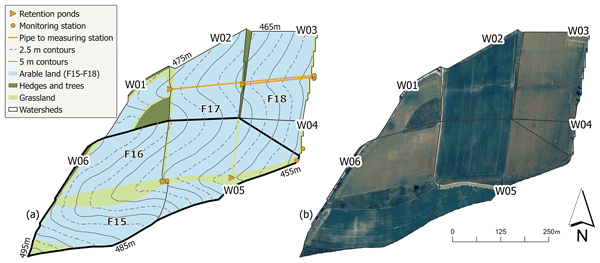
Soil erosion threatens global food security, yet modeling soil conservation remains challenging. We evaluated WaTEM/SEDEM (Water and Tillage Erosion Model/Sediment Delivery Model) in six highly instrumented micro-scale watersheds optimised for soil conservation using a GLUE (Generalized Likelihood Uncertainty Estimation) framework. The model captured the magnitude of very low sediment yields but showed limited accuracy for annual steps. However, it performed well over eight-year timeframes and larger spatial scales, demonstrating its suitability for strategic, long-term soil conservation planning.
Rabindra Adhikari, Jan Huber, Amrit Maharjan, Madhavi Parajuli, Corinna Gall, Steffen Seitz, Chandra Kanta Subedi, Niels Schwab, Ram Prasad Chaudhary, Udo Schickhoff, Jürgen Böhner, Yvonne Oelmann, and Thomas Scholten
EGUsphere, https://doi.org/10.5194/egusphere-2026-3815, https://doi.org/10.5194/egusphere-2026-3815, 2026
Short summary
Short summary
Mountain treeline ecosystems are highly sensitive to climate change, yet the role of soil microbes remains poorly understood. We investigated microbial biomass and soil nutrients across a near-natural Himalayan treeline ecotone in Nepal. Our results show that soil horizon development and altitudinal-vegetation zonation are stronger controls on microbial biomass than bulk soil nutrient concentrations, providing new insights into nutrient cycling in mountain soils.
Madhavi Parajuli, Rabindra Adhikari, Xiaoxia Yang, Luisa Brosch, Nadja Fürst, Thomas Scholten, Steffen Seitz, and Corinna Gall
EGUsphere, https://doi.org/10.5194/egusphere-2026-4029, https://doi.org/10.5194/egusphere-2026-4029, 2026
Short summary
Short summary
We studied how moss growing on forest soils influences long-term carbon storage in two temperate forests in Germany. By separating soil into different organic matter components, we found that moss can increase the amount of carbon held in the most stable form, especially in coniferous forests. These findings show that moss plays an important role in helping forests store carbon and should be considered in forest carbon assessments and climate change research.
Alessandro Fabrizi, Peter Fiener, Kristof Van Oost, and Florian Wilken
SOIL, 12, 715–731, https://doi.org/10.5194/soil-12-715-2026, https://doi.org/10.5194/soil-12-715-2026, 2026
Short summary
Short summary
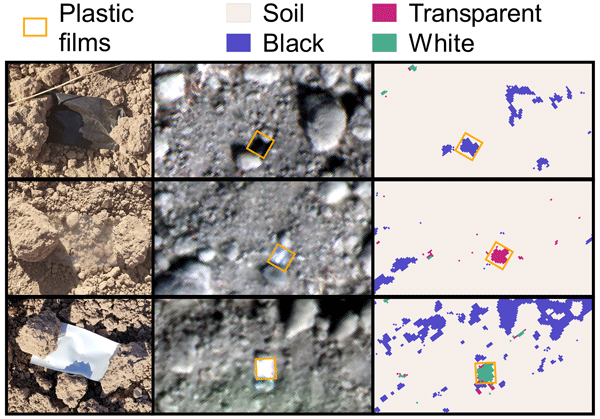
Drones can be used to identify the presence of macroplastic residues after plastic film use, allowing sustainable management practices and assessing the risk of soil plastic contamination. We highlight the potential and the limitations of current technologies, providing practical strategies to overcome them. We demonstrate the possibility of building cameras tailored to plastic detection and point the way towards necessary technological development.
Mathias Bellat, Mjahid Zebari, Benjamin Glissmann, Tobias Rentschler, Paola Sconzo, Nafiseh Kakhani, Ruhollah Taghizadeh-Mehrjardi, Pegah Kohsravani, Bekas Brifkany, Peter Pfälzner, and Thomas Scholten
Earth Syst. Sci. Data, 18, 2507–2548, https://doi.org/10.5194/essd-18-2507-2026, https://doi.org/10.5194/essd-18-2507-2026, 2026
Short summary
Short summary
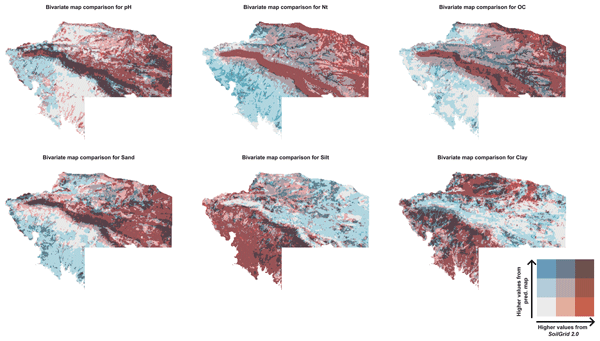
This dataset presents the first soil maps for the region produced using digital mapping techniques. It includes predictions for ten major physical and chemical soil properties at various depths, plus a map of total soil depth. For each property, we selected the most accurate models and key environmental drivers. In Southwestern Asia and many arid or semi-arid regions, detailed soil data are often missing. This dataset fills that gap, supporting agriculture, research, planning, and local policy.
Kay D. Seufferheld, Pedro V. G. Batista, Hadi Shokati, Thomas Scholten, and Peter Fiener
SOIL, 12, 301–319, https://doi.org/10.5194/soil-12-301-2026, https://doi.org/10.5194/soil-12-301-2026, 2026
Short summary
Short summary
Soil erosion threatens global food security, yet modeling soil conservation remains challenging. We evaluated WaTEM/SEDEM (Water and Tillage Erosion Model/Sediment Delivery Model) in six highly instrumented micro-scale watersheds optimised for soil conservation using a GLUE (Generalized Likelihood Uncertainty Estimation) framework. The model captured the magnitude of very low sediment yields but showed limited accuracy for annual steps. However, it performed well over eight-year timeframes and larger spatial scales, demonstrating its suitability for strategic, long-term soil conservation planning.
Fedor Scholz, Manuel Traub, Christiane Zarfl, Thomas Scholten, and Martin V. Butz
Hydrol. Earth Syst. Sci., 29, 6257–6283, https://doi.org/10.5194/hess-29-6257-2025, https://doi.org/10.5194/hess-29-6257-2025, 2025
Short summary
Short summary
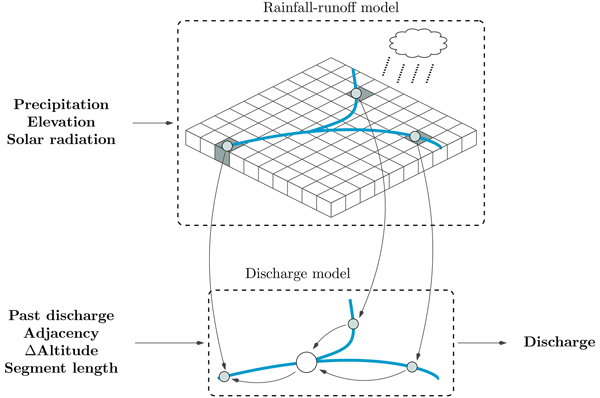
We present a neural network model that estimates river discharge based on gridded elevation, precipitation, and solar radiation. Some instances of our model produce more accurate forecasts than the European Flood Awareness System (EFAS) when simulating discharge with lead times of 50 days on the Neckar river network in Germany. It consists of multiple components that are designed to model distinct sub-processes. We show that this makes the model behave in a more physically realistic way.
Kerstin Rau, Katharina Eggensperger, Frank Schneider, Michael Blaschek, Philipp Hennig, and Thomas Scholten
SOIL, 11, 833–847, https://doi.org/10.5194/soil-11-833-2025, https://doi.org/10.5194/soil-11-833-2025, 2025
Short summary
Short summary
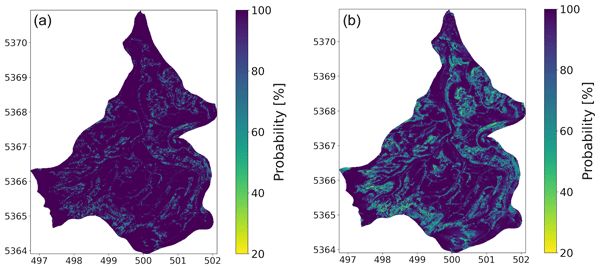
We developed an uncertainty method to show where machine learning (ML) models predicting soil units are most reliable, especially for transfer tasks. The model was able to correctly predict soil patterns, especially along rivers, in a new but similar region without retraining. It was too confident about common soil types, showing the need for balanced data. This helps improve soil maps and guides better planning for future data collection, saving time and resources while showing uncertainty.
Karl Auerswald, Juergen Geist, John N. Quinton, and Peter Fiener
Hydrol. Earth Syst. Sci., 29, 2185–2200, https://doi.org/10.5194/hess-29-2185-2025, https://doi.org/10.5194/hess-29-2185-2025, 2025
Short summary
Short summary
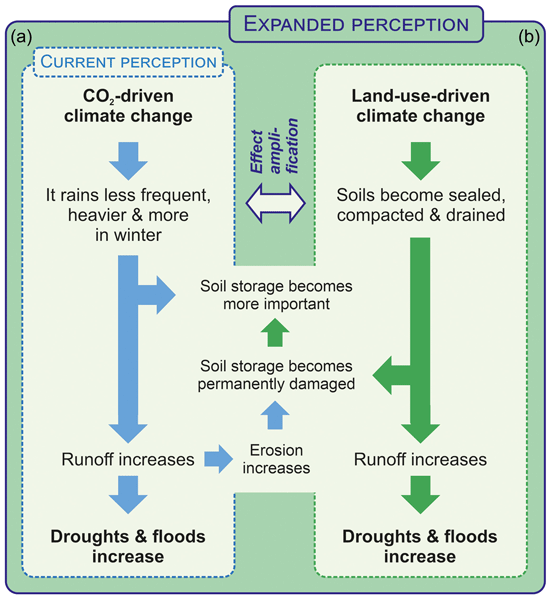
Floods, droughts, and heatwaves are increasing globally. This is often attributed to CO2-driven climate change. However, at the global scale, CO2-driven climate change neither reduces precipitation nor adequately explains droughts. Land-use change, particularly soil sealing, compaction, and drainage, is likely to be more significant for water losses by runoff leading to flooding and water scarcity and is therefore an important part of the solution to mitigate floods, droughts, and heatwaves.
Corinna Gall, Silvana Oldenburg, Martin Nebel, Thomas Scholten, and Steffen Seitz
SOIL, 11, 199–212, https://doi.org/10.5194/soil-11-199-2025, https://doi.org/10.5194/soil-11-199-2025, 2025
Short summary
Short summary
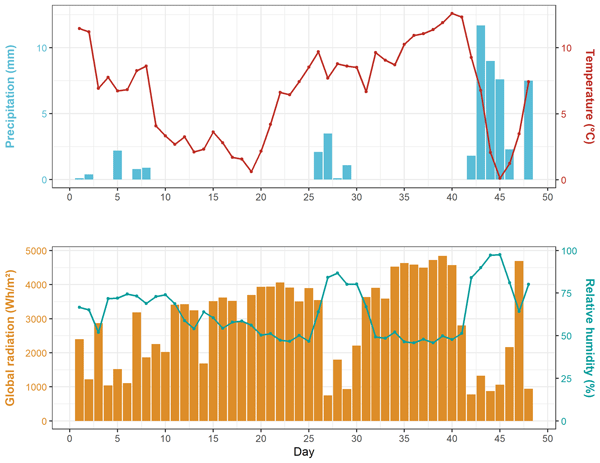
Soil erosion is a major issue in vineyards due to often steep slopes and fallow interlines. While cover crops are typically used for erosion control, moss restoration has not yet been explored. In this study, moss restoration reduced surface runoff by 71.4 % and sediment discharge by 75.8 % compared with bare soil, similar to cover crops. Mosses could serve as ground cover where mowing is impractical, potentially reducing herbicide use in viticulture, although further research is needed.
Wanjun Zhang, Thomas Scholten, Steffen Seitz, Qianmei Zhang, Guowei Chu, Linhua Wang, Xin Xiong, and Juxiu Liu
Hydrol. Earth Syst. Sci., 28, 3837–3854, https://doi.org/10.5194/hess-28-3837-2024, https://doi.org/10.5194/hess-28-3837-2024, 2024
Short summary
Short summary
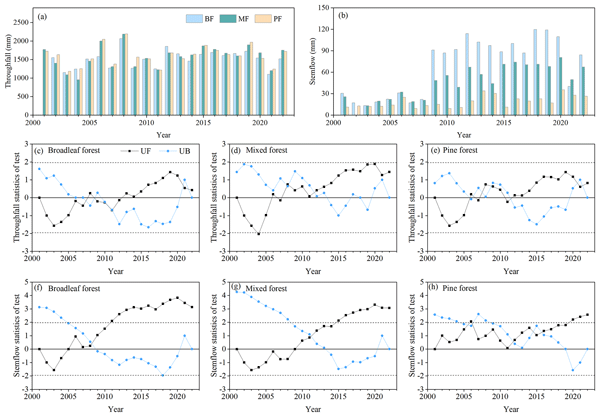
Rainfall input generally controls soil water and plant growth. We focus on rainfall redistribution in succession sequence forests over 22 years. Some changes in rainwater volume and chemistry in the throughfall and stemflow and drivers were investigated. Results show that shifted open rainfall over time and forest factors induced remarkable variability in throughfall and stemflow, which potentially makes forecasting future changes in water resources in the forest ecosystems more difficult.
Lena Katharina Öttl, Florian Wilken, Anna Juřicová, Pedro V. G. Batista, and Peter Fiener
SOIL, 10, 281–305, https://doi.org/10.5194/soil-10-281-2024, https://doi.org/10.5194/soil-10-281-2024, 2024
Short summary
Short summary
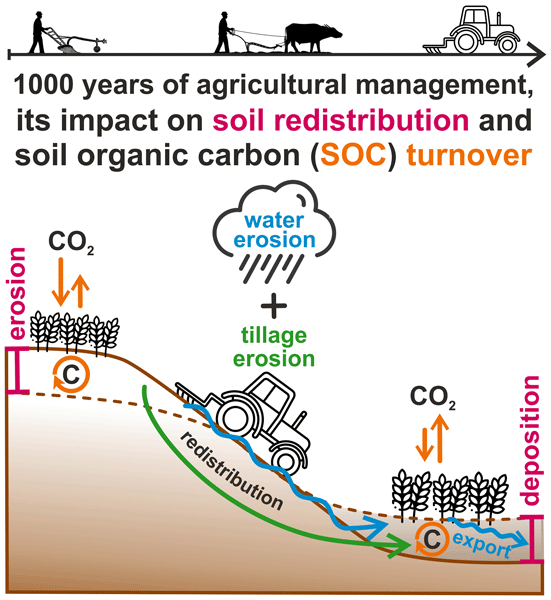
Our long-term modelling study examines the effects of multiple soil redistribution processes on carbon dynamics in a 200 km² catchment converted from natural forest to agriculture about 1000 years ago. The modelling results stress the importance of including tillage erosion processes and long-term land use and land management changes to understand current soil-redistribution-induced carbon fluxes at the landscape scale.
Raphael Rehm and Peter Fiener
SOIL, 10, 211–230, https://doi.org/10.5194/soil-10-211-2024, https://doi.org/10.5194/soil-10-211-2024, 2024
Short summary
Short summary
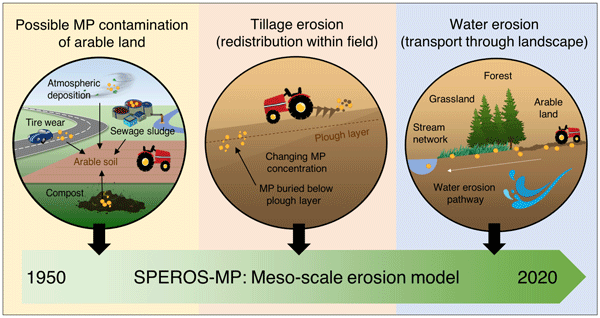
A carbon transport model was adjusted to study the importance of water and tillage erosion processes for particular microplastic (MP) transport across a mesoscale landscape. The MP mass delivered into the stream network represented a serious amount of MP input in the same range as potential MP inputs from wastewater treatment plants. In addition, most of the MP applied to arable soils remains in the topsoil (0–20 cm) for decades. The MP sink function of soil results in a long-term MP source.
Thomas O. Hoffmann, Yannik Baulig, Stefan Vollmer, Jan H. Blöthe, Karl Auerswald, and Peter Fiener
Earth Surf. Dynam., 11, 287–303, https://doi.org/10.5194/esurf-11-287-2023, https://doi.org/10.5194/esurf-11-287-2023, 2023
Short summary
Short summary
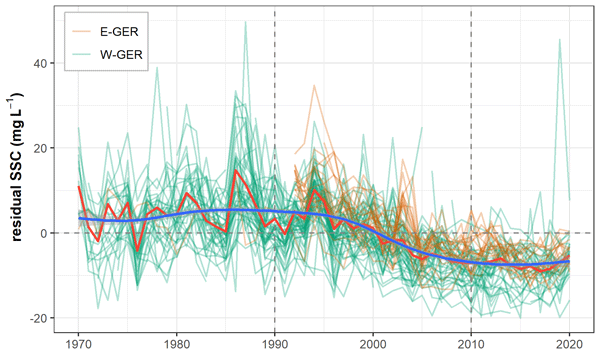
We analyzed more than 440 000 measurements from suspended sediment monitoring to show that suspended sediment concentration (SSC) in large rivers in Germany strongly declined by 50 % between 1990 and 2010. We argue that SSC is approaching the natural base level that was reached during the mid-Holocene. There is no simple explanation for this decline, but increased sediment retention in upstream headwaters is presumably the major reason for declining SSC in the large river channels studied.

Pedro V. G. Batista, Daniel L. Evans, Bernardo M. Cândido, and Peter Fiener
SOIL, 9, 71–88, https://doi.org/10.5194/soil-9-71-2023, https://doi.org/10.5194/soil-9-71-2023, 2023
Short summary
Short summary
Most agricultural soils erode faster than new soil is formed, which leads to soil thinning. Here, we used a model simulation to investigate how soil erosion and soil thinning can alter topsoil properties and change its susceptibility to erosion. We found that soil profiles are sensitive to erosion-induced changes in the soil system, which mostly slow down soil thinning. These findings are likely to impact how we estimate soil lifespans and simulate long-term erosion dynamics.
Nicolás Riveras-Muñoz, Steffen Seitz, Kristina Witzgall, Victoria Rodríguez, Peter Kühn, Carsten W. Mueller, Rómulo Oses, Oscar Seguel, Dirk Wagner, and Thomas Scholten
SOIL, 8, 717–731, https://doi.org/10.5194/soil-8-717-2022, https://doi.org/10.5194/soil-8-717-2022, 2022
Short summary
Short summary
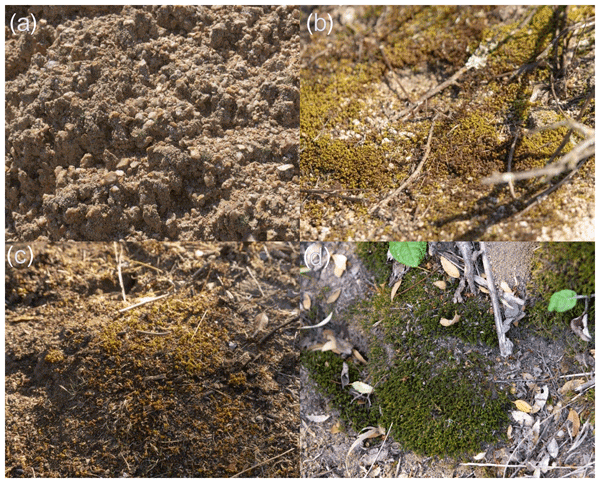
Biological soil crusts (biocrusts) stabilize the soil surface mainly in arid regions but are also present in Mediterranean and humid climates. We studied this stabilizing effect through wet and dry sieving along a large climatic gradient in Chile and found that the stabilization of soil aggregates persists in all climates, but their role is masked and reserved for a limited number of size fractions under humid conditions by higher vegetation and organic matter contents in the topsoil.
Pedro V. G. Batista, Peter Fiener, Simon Scheper, and Christine Alewell
Hydrol. Earth Syst. Sci., 26, 3753–3770, https://doi.org/10.5194/hess-26-3753-2022, https://doi.org/10.5194/hess-26-3753-2022, 2022
Short summary
Short summary
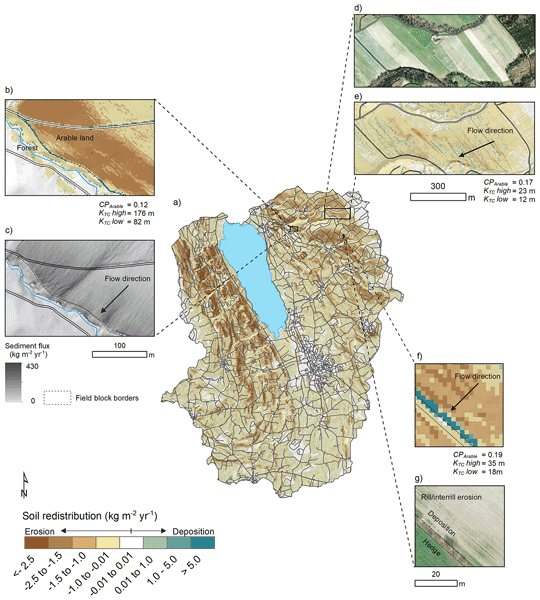
Patchy agricultural landscapes have a large number of small fields, which are separated by linear features such as roads and field borders. When eroded sediments are transported out of the agricultural fields by surface runoff, these features can influence sediment connectivity. By use of measured data and a simulation model, we demonstrate how a dense road network (and its drainage system) facilitates sediment transport from fields to water courses in a patchy Swiss agricultural catchment.
Corinna Gall, Martin Nebel, Dietmar Quandt, Thomas Scholten, and Steffen Seitz
Biogeosciences, 19, 3225–3245, https://doi.org/10.5194/bg-19-3225-2022, https://doi.org/10.5194/bg-19-3225-2022, 2022
Short summary
Short summary
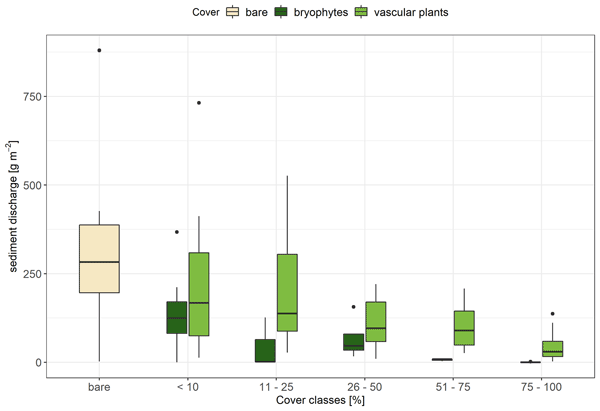
Soil erosion is one of the most serious environmental challenges of our time, which also applies to forests when forest soil is disturbed. Biological soil crusts (biocrusts) can play a key role as erosion control. In this study, we combined soil erosion measurements with vegetation surveys in disturbed forest areas. We found that soil erosion was reduced primarily by pioneer bryophyte-dominated biocrusts and that bryophytes contributed more to soil erosion mitigation than vascular plants.
Cited articles
Ait El Asri, S., Negabi, I., El Adib, S., and Raissouni, N.: Enhancing building extraction from remote sensing images through UNet and transfer learning, International Journal of Computers and Applications, 45, 413–419, https://doi.org/10.1080/1206212X.2023.2219117, 2023.
Cheng, D., Qin, Z., Jiang, Z., Zhang, S., Lao, Q., and Li, K.: SAM on Medical Images: A Comprehensive Study on Three Prompt Modes, arXiv [preprint], https://doi.org/10.48550/arXiv.2305.00035, 2023.
De Leeuw, J., Vrieling, A., Shee, A., Atzberger, C., Hadgu, K. M., Biradar, C. M., Keah, H., and Turvey, C.: The Potential and Uptake of Remote Sensing in Insurance: A Review, Remote Sensing, 6, 10888–10912, https://doi.org/10.3390/rs61110888, 2014.
Ezzatvar, Y. and López-Gil, J. F.: Urgent call for enhanced flood preparedness and response in Spain, The Lancet, 404, 2419–2420, https://doi.org/10.1016/S0140-6736(24)02506-6, 2024.
Gaus, Y. F. A., Bhowmik, N., Isaac-Medina, B. K. S., and Breckon, T. P.: Performance Evaluation of Segment Anything Model with Variational Prompting for Application to Non-Visible Spectrum Imagery, in: Proceedings of the IEEE/CVF Conference on Computer Vision and Pattern Recognition, 3142–3152, https://doi.org/10.1109/CVPRW63382.2024.00320, 2024.
Ghaznavi, A., Saberioon, M., Brom, J., and Itzerott, S.: Comparative performance analysis of simple U-Net, residual attention U-Net, and VGG16-U-Net for inventory inland water bodies, Applied Computing and Geosciences, 21, 100150, https://doi.org/10.1016/j.acags.2023.100150, 2024.
Hadlich, M., Marinov, Z., and Stiefelhagen, R.: AutoPET Challenge 2023: Sliding Window-based Optimization of U-Net, arXiv [preprint], https://doi.org/10.48550/arXiv.2309.12114, 2023.
Hashemi-Beni, L., Jones, J., Thompson, G., Johnson, C., and Gebrehiwot, A.: Challenges and Opportunities for UAV-Based Digital Elevation Model Generation for Flood-Risk Management: A Case of Princeville, North Carolina, Sensors, 18, 3843, https://doi.org/10.3390/s18113843, 2018.
He, K., Zhang, X., Ren, S., and Sun, J.: Deep residual learning for image recognition, in: Proceedings of the IEEE conference on computer vision and pattern recognition, 770–778, https://doi.org/10.1109/CVPR.2016.90, 2016.
Jackson, J., Yussif, S. B., Patamia, R. A., Sarpong, K., and Qin, Z.: Flood or Non-Flooded: A Comparative Study of State-of-the-Art Models for Flood Image Classification Using the FloodNet Dataset with Uncertainty Offset Analysis, Water, 15, 875, https://doi.org/10.3390/w15050875, 2023.
Kamilaris, A. and Prenafeta-Boldú, F. X.: Disaster Monitoring using Unmanned Aerial Vehicles and Deep Learning, arXiv [preprint], https://doi.org/10.48550/arXiv.1807.11805, 2018.
Karim, F., Sharma, K., and Barman, N. R.: Flood Area Segmentation, Kaggle [data set], https://www.kaggle.com/datasets/faizalkarim/flood-area-segmentation/data (last access: 4 February 2026), 2022.
Kelly, M., Schwarz, I., Ziegelaar, M., Watkins, A. B., and Kuleshov, Y.: Flood Risk Assessment and Mapping: A Case Study from Australia's Hawkesbury-Nepean Catchment, Hydrology, 10, 26, https://doi.org/10.3390/hydrology10020026, 2023.
Kirillov, A., Mintun, E., Ravi, N., Mao, H., Rolland, C., Gustafson, L., Xiao, T., Whitehead, S., Berg, A. C., Lo, W.-Y., Dollar, P., and Girshick, R.: Segment Anything, in: Proceedings of the IEEE/CVF International Conference on Computer Vision, 4015–4026, https://doi.org/10.48550/arXiv.2304.02643, 2023.
Klemas, V. V.: Coastal and Environmental Remote Sensing from Unmanned Aerial Vehicles: An Overview, Journal of Coastal Research, 31, 1260–1267, https://doi.org/10.2112/JCOASTRES-D-15-00005.1, 2015.
Krizhevsky, A., Sutskever, I., and Hinton, G. E.: ImageNet Classification with Deep Convolutional Neural Networks, Advances in Neural Information Processing Systems, https://doi.org/10.1145/3065386, 2012.
Kuenzer, C., Guo, H., Huth, J., Leinenkugel, P., Li, X., and Dech, S.: Flood Mapping and Flood Dynamics of the Mekong Delta: ENVISAT-ASAR-WSM Based Time Series Analyses, Remote Sensing, 5, 687–715, https://doi.org/10.3390/rs5020687, 2013.
Lehmiani, Y., Belattar, S., and Mahmoudi, A.: A Comparative Study of SAM's Performance Against Three U-Net Architectures on Retinal Vessels Segmentation Task, in: 2023 14th International Conference on Intelligent Systems: Theories and Applications (SITA), 1–7, https://doi.org/10.1109/SITA60746.2023.10373700, 2023.
Lehmkuhl, F., Schüttrumpf, H., Schwarzbauer, J., Brüll, C., Dietze, M., Letmathe, P., Völker, C., and Hollert, H.: Assessment of the 2021 summer flood in Central Europe, Environ. Sci. Eur., 34, 107, https://doi.org/10.1186/s12302-022-00685-1, 2022.
Lin, S.-S., Zhang, N., Xu, Y.-S., and Hino, T.: Lesson Learned from Catastrophic Floods in Western Japan in 2018: Sustainable Perspective Analysis, Water, 12, 2489, https://doi.org/10.3390/w12092489, 2020.
Liu, C., Li, H., Xu, J., Gao, W., Shen, X., and Miao, S.: Applying Convolutional Neural Network to Predict Soil Erosion: A Case Study of Coastal Areas, International Journal of Environmental Research and Public Health, 20, 2513, https://doi.org/10.3390/ijerph20032513, 2023.
Mallah, S., Delsouz Khaki, B., Davatgar, N., Scholten, T., Amirian-Chakan, A., Emadi, M., Kerry, R., Mosavi, A. H., and Taghizadeh-Mehrjardi, R.: Predicting Soil Textural Classes Using Random Forest Models: Learning from Imbalanced Dataset, Agronomy, 12, 2613, https://doi.org/10.3390/agronomy12112613, 2022.
Manos, E., Witharana, C., Udawalpola, M. R., Hasan, A., and Liljedahl, A. K.: Convolutional Neural Networks for Automated Built Infrastructure Detection in the Arctic Using Sub-Meter Spatial Resolution Satellite Imagery, Remote Sensing, 14, 2719, https://doi.org/10.3390/rs14112719, 2022.
Mazurowski, M. A., Dong, H., Gu, H., Yang, J., Konz, N., and Zhang, Y.: Segment anything model for medical image analysis: An experimental study, Medical Image Analysis, 89, 102918, https://doi.org/10.1016/j.media.2023.102918, 2023.
Moghimi, A., Welzel, M., Celik, T., and Schlurmann, T.: A comparative performance analysis of popular deep learning models and segment anything model (SAM) for river water segmentation in close-range remote sensing imagery, IEEE Access, 12, 52067–52085, https://doi.org/10.1109/ACCESS.2024.3385425, 2024.
Onojeghuo, A. O., Miao, Y., and Blackburn, G. A.: Deep ResU-Net Convolutional Neural Networks Segmentation for Smallholder Paddy Rice Mapping Using Sentinel 1 SAR and Sentinel 2 Optical Imagery, Remote Sensing, 15, 1517, https://doi.org/10.3390/rs15061517, 2023.
Pally, R. J. and Samadi, S.: Application of image processing and convolutional neural networks for flood image classification and semantic segmentation, Environmental Modelling & Software, 148, 105285, https://doi.org/10.1016/j.envsoft.2021.105285, 2022.
Pan, B., Hsu, K., AghaKouchak, A., and Sorooshian, S.: Improving Precipitation Estimation Using Convolutional Neural Network, Water Resources Research, 55, 2301–2321, https://doi.org/10.1029/2018WR024090, 2019.
Plate, E. J.: Flood risk and flood management, Journal of Hydrology, 267, 2–11, https://doi.org/10.1016/S0022-1694(02)00135-X, 2002.
Portalés-Julià, E., Mateo-García, G., Purcell, C., and Gómez-Chova, L.: Global flood extent segmentation in optical satellite images, Sci. Rep., 13, 20316, https://doi.org/10.1038/s41598-023-47595-7, 2023.
Qiao, X., Roy, S. K., and Huang, W.: 3-D Sharpened Cosine Similarity Operation for Hyperspectral Image Classification, IEEE Journal of Selected Topics in Applied Earth Observations and Remote Sensing, 17, 1114–1125, https://doi.org/10.1109/JSTARS.2023.3337112, 2024.
Ronneberger, O., Fischer, P., and Brox, T.: U-Net: Convolutional Networks for Biomedical Image Segmentation, in: Medical Image Computing and Computer-Assisted Intervention – MICCAI 2015, Cham, 234–241, https://doi.org/10.1007/978-3-319-24574-4_28, 2015.
Safavi, F. and Rahnemoonfar, M.: Comparative Study of Real-Time Semantic Segmentation Networks in Aerial Images During Flooding Events, IEEE Journal of Selected Topics in Applied Earth Observations and Remote Sensing, 16, 4–20, https://doi.org/10.1109/JSTARS.2022.3219724, 2023.
Safonova, A., Ghazaryan, G., Stiller, S., Main-Knorn, M., Nendel, C., and Ryo, M.: Ten deep learning techniques to address small data problems with remote sensing, International Journal of Applied Earth Observation and Geoinformation, 125, 103569, https://doi.org/10.1016/j.jag.2023.103569, 2023.
Shamsolmoali, P., Zareapoor, M., Wang, R., Zhou, H., and Yang, J.: A Novel Deep Structure U-Net for Sea-Land Segmentation in Remote Sensing Images, IEEE Journal of Selected Topics in Applied Earth Observations and Remote Sensing, 12, 3219–3232, https://doi.org/10.1109/JSTARS.2019.2925841, 2019.
Shokati, H.: hadi1994shokati/Flood-segmentation: Flood Segmentation (Version V01), Zenodo [code], https://doi.org/10.5281/zenodo.18485640, 2026.
Shokati, H., Mashal, M., Noroozi, A., Mirzaei, S., and Mohammadi-Doqozloo, Z.: Assessing soil moisture levels using visible UAV imagery and machine learning models, Remote Sensing Applications: Society and Environment, 32, 101076, https://doi.org/10.1016/j.rsase.2023.101076, 2023.
Shokati, H., Mashal, M., Noroozi, A., Abkar, A. A., Mirzaei, S., Mohammadi-Doqozloo, Z., Taghizadeh-Mehrjardi, R., Khosravani, P., Nabiollahi, K., and Scholten, T.: Random Forest-Based Soil Moisture Estimation Using Sentinel-2, Landsat-8/9, and UAV-Based Hyperspectral Data, Remote Sensing, 16, 1962, https://doi.org/10.3390/rs16111962, 2024.
Shokati, H., Engelhardt, A., Seufferheld, K., Taghizadeh-Mehrjardi, R., Fiener, P., Lensch, H. P. A., and Scholten, T.: Erosion-SAM: Semantic segmentation of soil erosion by water, Catena, 254, 108954, https://doi.org/10.1016/j.catena.2025.108954, 2025.
Shorten, C. and Khoshgoftaar, T. M.: A survey on Image Data Augmentation for Deep Learning, J. Big Data, 6, 60, https://doi.org/10.1186/s40537-019-0197-0, 2019.
Simantiris, G. and Panagiotakis, C.: Unsupervised Color-Based Flood Segmentation in UAV Imagery, Remote Sensing, 16, 2126, https://doi.org/10.3390/rs16122126, 2024.
Smith, M. W., Carrivick, J. L., Hooke, J., and Kirkby, M. J.: Reconstructing flash flood magnitudes using `Structure-from-Motion': A rapid assessment tool, Journal of Hydrology, 519, 1914–1927, https://doi.org/10.1016/j.jhydrol.2014.09.078, 2014.
Sugiura, R., Noguchi, N., and Ishii, K.: Remote-sensing Technology for Vegetation Monitoring using an Unmanned Helicopter, Biosystems Engineering, 90, 369–379, https://doi.org/10.1016/j.biosystemseng.2004.12.011, 2005.
Sun, J., Yan, S., Yao, X., Gao, B., and Yang, J.: A Segment Anything Model based weakly supervised learning method for crop mapping using Sentinel-2 time series images, International Journal of Applied Earth Observation and Geoinformation, 133, 104085, https://doi.org/10.1016/j.jag.2024.104085, 2024.
Taguchi, R., Tanoue, M., Yamazaki, D., and Hirabayashi, Y.: Global-Scale Assessment of Economic Losses Caused by Flood-Related Business Interruption, Water, 14, 967, https://doi.org/10.3390/w14060967, 2022.
Tanim, A. H., McRae, C. B., Tavakol-Davani, H., and Goharian, E.: Flood Detection in Urban Areas Using Satellite Imagery and Machine Learning, Water, 14, 1140, https://doi.org/10.3390/w14071140, 2022.
Tingsanchali, T.: Urban flood disaster management, Procedia Engineering, 32, 25–37, https://doi.org/10.1016/j.proeng.2012.01.1233, 2012.
Vinayahalingam, S., Berends, B., Baan, F., Moin, D. A., van Luijn, R., Bergé, S., and Xi, T.: Deep learning for automated segmentation of the temporomandibular joint, Journal of Dentistry, 132, 104475, https://doi.org/10.1016/j.jdent.2023.104475, 2023.
Wagner, F., Eltner, A., and Maas, H.-G.: River water segmentation in surveillance camera images: A comparative study of offline and online augmentation using 32 CNNs, International Journal of Applied Earth Observation and Geoinformation, 119, 103305, https://doi.org/10.1016/j.jag.2023.103305, 2023.
Wang, Q., Li, J., Jin, T., Chang, X., Zhu, Y., Li, Y., Sun, J., and Li, D.: Comparative Analysis of Landsat-8, Sentinel-2, and GF-1 Data for Retrieving Soil Moisture over Wheat Farmlands, Remote Sensing, 12, 2708, https://doi.org/10.3390/rs12172708, 2020.
Wieland, M., Martinis, S., Kiefl, R., and Gstaiger, V.: Semantic segmentation of water bodies in very high-resolution satellite and aerial images, Remote Sensing of Environment, 287, 113452, https://doi.org/10.1016/j.rse.2023.113452, 2023.
Xie, W., Willems, N., Patil, S., Li, Y., and Kumar, M.: SAM Fewshot Finetuning for Anatomical Segmentation in Medical Images, in: Proceedings of the IEEE/CVF Winter Conference on Applications of Computer Vision, 3253–3261, https://doi.org/10.1109/WACV57701.2024.00322, 2024.
Xu, Z., Wang, S., Stanislawski, L. V., Jiang, Z., Jaroenchai, N., Sainju, A. M., Shavers, E., Usery, E. L., Chen, L., Li, Z., and Su, B.: An attention U-Net model for detection of fine-scale hydrologic streamlines, Environmental Modelling & Software, 140, 104992, https://doi.org/10.1016/j.envsoft.2021.104992, 2021.
Yao, H., Qin, R., and Chen, X.: Unmanned Aerial Vehicle for Remote Sensing Applications—A Review, Remote Sensing, 11, 1443, https://doi.org/10.3390/rs11121443, 2019.
Ye, T., Qin, W., Zhao, Z., Gao, X., Deng, X., and Ouyang, Y.: Real-Time Object Detection Network in UAV-Vision Based on CNN and Transformer, IEEE Transactions on Instrumentation and Measurement, 72, 1–13, https://doi.org/10.1109/TIM.2023.3241825, 2023.
Zamboni, P. A. P., Blanch, X., Marcato Junior, J., Gonçalves, W. N., and Eltner, A.: Do we need to label large datasets for river water segmentation? Benchmark and stage estimation with minimum to non-labeled image time series, International Journal of Remote Sensing, 46, 2719–2747, https://doi.org/10.1080/01431161.2025.2457131, 2025.
Zhang, Y., Liu, P., Chen, L., Xu, M., Guo, X., and Zhao, L.: A new multi-source remote sensing image sample dataset with high resolution for flood area extraction: GF-FloodNet, International Journal of Digital Earth, 16, 2522–2554, https://doi.org/10.1080/17538947.2023.2230978, 2023.
Short summary
Floods threaten lives and property and require rapid mapping. We compared two artificial intelligence approaches on aerial imagery: a fine‑tuned Segment Anything Model (SAM) guided by point or bounding box prompts, and a U‑Net network with ResNet‑50 and ResNet‑101 backbones. The point‑based SAM was the most accurate with precise boundaries. Faster and more reliable flood maps help rescue teams, insurers, and planners to act quickly.
Floods threaten lives and property and require rapid mapping. We compared two artificial...


