Articles | Volume 30, issue 21
https://doi.org/10.5194/hess-30-6963-2026
© Author(s) 2026. This work is distributed under
the Creative Commons Attribution 4.0 License.
https://doi.org/10.5194/hess-30-6963-2026
© Author(s) 2026. This work is distributed under
the Creative Commons Attribution 4.0 License.
Is earlier always better? A comparative assessment of an early-stage response window for rainfall timing in multiyear drought alleviation in China

Yichen Zhang
School of Ecology, Hainan University, Haikou, 570228, China
Fubao Sun
Key Laboratory of Water Cycle and Related Land Surface Processes, Institute of Geographic Sciences and Natural Resources Research, Chinese Academy of Sciences, Beijing, 100101, China
Wenbin Liu
Key Laboratory of Water Cycle and Related Land Surface Processes, Institute of Geographic Sciences and Natural Resources Research, Chinese Academy of Sciences, Beijing, 100101, China
Jie Zhang
CORRESPONDING AUTHOR
School of Ecology, Hainan University, Haikou, 570228, China
Wenli Lai
School of Geography and Environmental Sciences, Hainan Normal University, Haikou, 571158, China
Jiquan Lin
Hainan Provincial Ecological Environment Monitoring Center, Haikou, 571126, China
Wenchao Sun
College of Water Sciences, Beijing Normal University, Xinjiekouwai Street 19, Beijing, 100875, China
Wenjie Liu
School of Ecology, Hainan University, Haikou, 570228, China
Zhongyi Sun
School of Ecology, Hainan University, Haikou, 570228, China
Peng Wang
School of Ecology, Hainan University, Haikou, 570228, China
Related authors
No articles found.
Ziqi Zhang, Qian Zhang, Shaokun Fu, Zhenghang Chen, Mengfei Zhang, Naliang Guo, Fubao Sun, and Feng Wu
EGUsphere, https://doi.org/10.5194/egusphere-2026-4038, https://doi.org/10.5194/egusphere-2026-4038, 2026
This preprint is open for discussion and under review for Hydrology and Earth System Sciences (HESS).
Short summary
Short summary
Flash floods can develop too quickly for traditional computer simulations. We built a fast learning model that keeps the original terrain layout and follows basic water-flow rules. It reproduced an unseen extreme storm well and ran in about one second, supporting faster warnings and scenario testing.
Jing-Li Lu, Thomas W. Crowther, Manuel Delgado-Baquerizo, Wenjie Liu, Yamin Jiang, Hongyang Sun, and Zhiqiang Wang
Earth Syst. Sci. Data, 18, 3697–3710, https://doi.org/10.5194/essd-18-3697-2026, https://doi.org/10.5194/essd-18-3697-2026, 2026
Short summary
Short summary
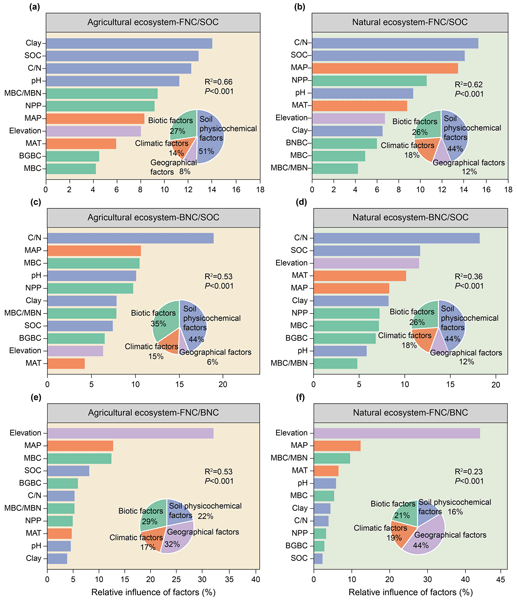
We used a global dataset to examine patterns and drivers of fungal necromass C (FNC), bacterial necromass C (BNC), and their ratio across agricultural and natural ecosystems. FNC contributed about twice as much as BNC to soil organic carbon (SOC) in both systems, with higher contributions overall in agricultural soils. Soil C/N and clay content mainly drove FNC and BNC contributions, while elevation primarily influenced the FNC/BNC ratio.
Xinlu Liu, Zhongyi Sun, Chong Shi, Peng Wang, Tangzhe Nie, Qingnan Chu, Huazhe Shang, Lu Sun, Dabin Ji, Meng Guo, Kunpeng Yi, Zhenghong Tan, Lan Wu, Xinchun Lu, and Shuai Yin
Earth Syst. Sci. Data, 18, 1203–1224, https://doi.org/10.5194/essd-18-1203-2026, https://doi.org/10.5194/essd-18-1203-2026, 2026
Short summary
Short summary
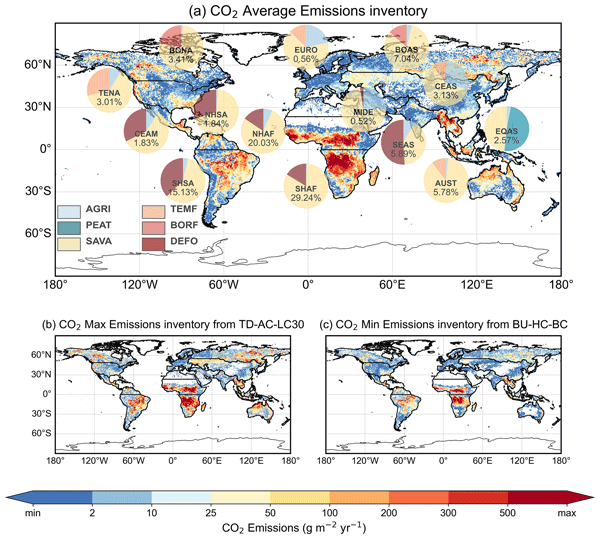
Estimates of global biomass burning emissions differ, posing a challenge for environment and climate change research. In response to this challenge, our new 2003–2023 dataset integrates top-down and bottom-up methods with multi-source data. This provides a plausible emissions range to quantify uncertainty, revealing that the greatest uncertainty is not in traditional hotspots but in regions with infrequent, extreme fires. This work offers vital data for more robust climate models.
Waqar Ali, Amani Milinga, Tao Luo, Mohammad Nauman Khan, Asad Shah, Khurram Shehzad, Qiu Yang, Huai Yang, Wenxing Long, and Wenjie Liu
SOIL, 11, 507–521, https://doi.org/10.5194/soil-11-507-2025, https://doi.org/10.5194/soil-11-507-2025, 2025
Short summary
Short summary
This study explores how rubber plant root traits and soil organic matter improve soil stability via cohesive forces. Older plantations (>11 years) showed higher root density, soil organic matter, and optimal cellulose-to-lignin ratios, enhancing soil cohesion and aggregate stability. These findings highlight the role of mature rubber plants in reducing soil degradation and offer insights for sustainable land management and agricultural productivity in tropical regions like the island of Hainan.
Katja Frieler, Jan Volkholz, Stefan Lange, Jacob Schewe, Matthias Mengel, María del Rocío Rivas López, Christian Otto, Christopher P. O. Reyer, Dirk Nikolaus Karger, Johanna T. Malle, Simon Treu, Christoph Menz, Julia L. Blanchard, Cheryl S. Harrison, Colleen M. Petrik, Tyler D. Eddy, Kelly Ortega-Cisneros, Camilla Novaglio, Yannick Rousseau, Reg A. Watson, Charles Stock, Xiao Liu, Ryan Heneghan, Derek Tittensor, Olivier Maury, Matthias Büchner, Thomas Vogt, Tingting Wang, Fubao Sun, Inga J. Sauer, Johannes Koch, Inne Vanderkelen, Jonas Jägermeyr, Christoph Müller, Sam Rabin, Jochen Klar, Iliusi D. Vega del Valle, Gitta Lasslop, Sarah Chadburn, Eleanor Burke, Angela Gallego-Sala, Noah Smith, Jinfeng Chang, Stijn Hantson, Chantelle Burton, Anne Gädeke, Fang Li, Simon N. Gosling, Hannes Müller Schmied, Fred Hattermann, Jida Wang, Fangfang Yao, Thomas Hickler, Rafael Marcé, Don Pierson, Wim Thiery, Daniel Mercado-Bettín, Robert Ladwig, Ana Isabel Ayala-Zamora, Matthew Forrest, and Michel Bechtold
Geosci. Model Dev., 17, 1–51, https://doi.org/10.5194/gmd-17-1-2024, https://doi.org/10.5194/gmd-17-1-2024, 2024
Short summary
Short summary
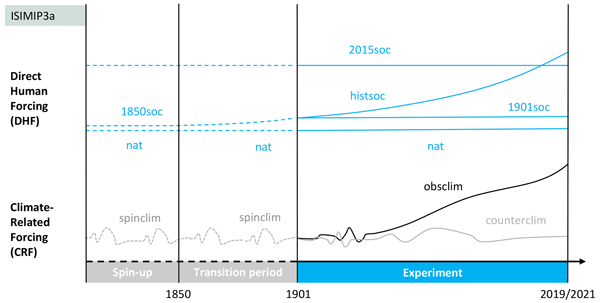
Our paper provides an overview of all observational climate-related and socioeconomic forcing data used as input for the impact model evaluation and impact attribution experiments within the third round of the Inter-Sectoral Impact Model Intercomparison Project. The experiments are designed to test our understanding of observed changes in natural and human systems and to quantify to what degree these changes have already been induced by climate change.
Jinqiang Wang, Ling Zhou, Chi Ma, and Wenchao Sun
Hydrol. Earth Syst. Sci. Discuss., https://doi.org/10.5194/hess-2023-200, https://doi.org/10.5194/hess-2023-200, 2023
Preprint withdrawn
Short summary
Short summary
Lack of streamflow data limits applications of hydrological models in Qinghai-Tibet Plateau. This study explored the value of using remote sensing evapotranspiration data for the calibration of hydrological modeling in this region, in order to provide some instruction for modelling. Both the streamflow and evapotranspiration simulation were improved. Sensitive parameters were found to be different from calibration using streamflow data, which is one important reason of the improvement.
Cited articles
Allen, R. G., Pereira, L. S., Raes, D., and Smith, M.: FAO Irrigation and Drainage Paper No. 56 – Crop Evapotranspiration, FAO, Rome, Italy, ISBN 92-5-104219-5, https://www.fao.org/4/x0490E/x0490e00.htm (last access: 26 August 2025), 1998.
Ault, T. R.: On the essentials of drought in a changing climate, Science, 368, 256–260, https://doi.org/10.1126/science.aaz5492, 2020.
Berdugo, M., Delgado-Baquerizo, M., Soliveres, S., Hernández-Clemente, R., Zhao, Y., Gaitán, J. J., Gross, N., Saiz, H., Maire, V., Lehmann, A., and Rillig, M. C.: Global ecosystem thresholds driven by aridity, Science, 367, 787–790, https://doi.org/10.1126/science.aay5958, 2020.
Blauhut, V., Stahl, K., Stagge, J. H., Tallaksen, L. M., De Stefano, L., and Vogt, J.: Estimating drought risk across Europe from reported drought impacts, drought indices, and vulnerability factors, Hydrol. Earth Syst. Sci., 20, 2779–2800, https://doi.org/10.5194/hess-20-2779-2016, 2016.
Brunner, M. I. and Tallaksen, L. M.: Proneness of European catchments to multiyear streamflow droughts, Water Resour. Res., 55, 8881–8894, https://doi.org/10.1029/2019WR025903, 2019.
Büntgen, U., Urban, O., Krusic, P. J., Rybníček, M., Kolář, T., Kyncl, T., Ač, A., Koňasová, E., Čáslavský, J., Esper, J., and Wagner, S.: Recent European drought extremes beyond Common Era background variability, Nat. Geosci., 14, 190–196, https://doi.org/10.1038/s41561-021-00698-0, 2021.
Cavus, Y. and Aksoy, H.: Critical drought severity/intensity-duration-frequency curves based on precipitation deficit, J. Hydrol., 584, 124312, https://doi.org/10.1016/j.jhydrol.2019.124312, 2020.
Chen, L., Brun, P., Buri, P., Fatichi, S., Gessler, A., McCarthy, M. J., Pellicciotti, F., Stocker, B., and Karger, D. N.: Global increase in the occurrence and impact of multiyear droughts, Science, 387, 278–284, https://doi.org/10.1126/science.ado4245, 2025.
Dai, A.: Drought under global warming: a review, Wires Clim. Change, 2, 45–65, https://doi.org/10.1002/wcc.81, 2011.
Dai, A.: Increasing drought under global warming in observations and models, Nat. Clim. Change, 3, 52–58, https://doi.org/10.1038/nclimate1633, 2013.
Dai, M., Huang, S., Huang, Q., Leng, G., Guo, Y., Wang, L., Fang, W., Li, P., and Zheng, X.: Assessing agricultural drought risk and its dynamic evolution characteristics, Agric. Water Manage., 231, 106003, https://doi.org/10.1016/j.agwat.2020.106003, 2020.
DeChant, C. M. and Moradkhani, H.: Analyzing the sensitivity of drought recovery forecasts to land surface initial conditions, J. Hydrol., 526, 89–100, https://doi.org/10.1016/j.jhydrol.2014.10.021, 2015.
Easterling, D. R., Wallis, T. W., Lawrimore, J. H., and Heim Jr., R. R.: Effects of temperature and precipitation trends on US drought, Geophys. Res. Lett., 34, L20709, https://doi.org/10.1029/2007GL031541, 2007.
Feng, X., Wang, Z., Wu, X., Huang, S., Li, J., Lai, C., Zeng, Z., and Lin, G.: Tracking 3D drought events across global river basins: Climatology, spatial footprint, and temporal changes, Geophys. Res. Lett., 52, e2024GL111442, https://doi.org/10.1029/2024GL111442, 2025.
Ficklin, D. L.: CAGEO-paper, GitHub [code], https://github.com/dficklin/CAGEO-paper (last access: 26 August 2025), 2015.
Ficklin, D. L., Letsinger, S. L., Gholizadeh, H., and Maxwell, J. T.: Incorporation of the Penman–Monteith potential evapotranspiration method into a Palmer Drought Severity Index tool, Comput. Geosci., 85, 136–141, https://doi.org/10.1016/j.cageo.2015.09.013, 2015.
Fischer, E. M., Bador, M., Huser, R., Kendon, E. J., Robinson, A., and Sippel, S.: Record-breaking extremes in a warming climate, Nat. Rev. Earth Environ., 6, 456–470, https://doi.org/10.1038/s43017-025-00681-y, 2025.
Gu, L., Chen, J., Yin, J., Sullivan, S. C., Wang, H.-M., Guo, S., Zhang, L., and Kim, J.-S.: Projected increases in magnitude and socioeconomic exposure of global droughts in 1.5 and 2 °C warmer climates, Hydrol. Earth Syst. Sci., 24, 451–472, https://doi.org/10.5194/hess-24-451-2020, 2020.
Gumus, V.: Evaluating the effect of the SPI and SPEI methods on drought monitoring over Turkey, J. Hydrol., 626, 130386, https://doi.org/10.1016/j.jhydrol.2023.130386, 2023.
Gupta, A. and Karthikeyan, L.: Role of initial conditions and meteorological drought in soil moisture drought propagation: An event-based causal analysis over South Asia, Earth's Future, 12, e2024EF004674, https://doi.org/10.1029/2024EF004674, 2024.
Haile, G. G., Tang, Q., Li, W., Liu, X., and Zhang, X.: Drought: Progress in broadening its understanding, Wiley Interdiscip. Rev.-Water, 7, e1407, https://doi.org/10.1002/wat2.1407, 2020.
Hao, Z., Singh, V. P., and Xia, Y.: Seasonal drought prediction: Advances, challenges, and future prospects, Rev. Geophys., 56, 108–141, https://doi.org/10.1002/2016RG000549, 2018.
Huang, S., Wang, L., Wang, H., Huang, Q., Leng, G., Fang, W., and Zhang, Y.: Spatio-temporal characteristics of drought structure across China using an integrated drought index, Agric. Water Manage., 218, 182–192, https://doi.org/10.1016/j.agwat.2019.03.053, 2019.
Jacobi, J., Perrone, D., Duncan, L. L., and Hornberger, G.: A tool for calculating the Palmer drought indices, Water Resour. Res., 49, 6086–6089, https://doi.org/10.1002/wrcr.20342, 2013.
Karl, T. R.: The Sensitivity of the Palmer Drought Severity Index and Palmer's Z-Index to their Calibration Coefficients Including Potential Evapotranspiration, J. Appl. Meteorol., 25, 77–86, https://doi.org/10.1175/1520-0450(1986)025<0077:TSOTPD>2.0.CO;2, 1986.
Lai, C., Sun, H., Wu, X., Li, J., Wang, Z., Tong, H., and Feng, J.: Water availability may not constrain vegetation growth in Northern Hemisphere, Agric. Water Manage., 291, 108649, https://doi.org/10.1016/j.agwat.2023.108649, 2024.
Lin, H., Yu, Z., Chen, X., Gu, H., Ju, Q., and Shen, T.: Spatial-temporal dynamics of meteorological and soil moisture drought on the Tibetan Plateau: Trend, response, and propagation process, J. Hydrol., 626, 130211, https://doi.org/10.1016/j.jhydrol.2023.130211, 2023.
Liu, Y., Zhu, Y., Ren, L., Singh, V. P., Yang, X., and Yuan, F.: A multiscalar Palmer drought severity index, Geophys. Res. Lett., 44, 6850–6858, https://doi.org/10.1002/2017GL073871, 2017.
Livneh, B. and Hoerling, M. P.: The physics of drought in the US central Great Plains, J. Climate, 29, 6783–6804, https://doi.org/10.1175/JCLI-D-15-0697.1, 2016.
Luo, L., Apps, D., Arcand, S., Xu, H., Pan, M., and Hoerling, M.: Contribution of temperature and precipitation anomalies to the California drought during 2012–2015, Geophys. Res. Lett., 44, 3184–3192, https://doi.org/10.1002/2016GL072027, 2017.
Ma, Q., Li, Y., Liu, F., Feng, H., Biswas, A., and Zhang, Q.: SPEI and multi-threshold run theory based drought analysis using multi-source products in China, J. Hydrol., 616, 128737, https://doi.org/10.1016/j.jhydrol.2022.128737, 2023.
Mao, Y., Nijssen, B., and Lettenmaier, D. P.: Is climate change implicated in the 2013–2014 California drought? A hydrologic perspective, Geophys. Res. Lett., 42, 2805–2813, https://doi.org/10.1002/2015GL063456, 2015.
Massari, C., Avanzi, F., Bruno, G., Gabellani, S., Penna, D., and Camici, S.: Evaporation enhancement drives the European water-budget deficit during multi-year droughts, Hydrol. Earth Syst. Sci., 26, 1527–1543, https://doi.org/10.5194/hess-26-1527-2022, 2022.
McCabe, G. J. and Wolock, D. M.: Variability and trends in global drought, Earth Space Sci., 2, 223–228, https://doi.org/10.1002/2015EA000100, 2015.
Meresa, H., Zhang, Y., Tian, J., and Faiz, M. A.: Understanding the role of catchment and climate characteristics in the propagation of meteorological to hydrological drought, J. Hydrol., 617, 128967, https://doi.org/10.1016/j.jhydrol.2022.128967, 2023.
Mishra, A. K. and Singh, V. P.: A review of drought concepts, J. Hydrol., 391, 202–216, https://doi.org/10.1016/j.jhydrol.2010.07.012, 2010.
Moravec, V., Markonis, Y., Rakovec, O., Svoboda, M., Trnka, M., Kumar, R., and Hanel, M.: Europe under multi-year droughts: how severe was the 2014–2018 drought period?, Environ. Res. Lett., 16, 034062, https://doi.org/10.1088/1748-9326/abe828, 2021.
Mukherjee, S. and Mishra, A. K.: Increase in compound drought and heatwaves in a warming world, Geophys. Res. Lett., 48, e2020GL090617, https://doi.org/10.1029/2020GL090617, 2021.
Palagi, E., Coronese, M., Lamperti, F., and Roventini, A.: Climate change and the nonlinear impact of precipitation anomalies on income inequality, P. Natl. Acad. Sci. USA, 119, e2203595119, https://doi.org/10.1073/pnas.2203595119, 2022.
Palmer, W. C.: Meteorological drought, Research paper no. 45, US Weather Bureau, Washington, DC, 58 pp., https://www.ncei.noaa.gov/monitoring-content/temp-and-precip/drought/docs/palmer.pdf (last access: 26 August 2025), 1965.
Pan, M., Yuan, X., and Wood, E. F.: A probabilistic framework for assessing drought recovery, Geophys. Res. Lett., 40, 3637–3642, https://doi.org/10.1002/grl.50728, 2013.
Shi, H., Tian, H., Lange, S., Yang, J., Pan, S., Fu, B., and Reyer, C. P.: Terrestrial biodiversity threatened by increasing global aridity velocity under high-level warming, P. Natl. Acad. Sci. USA, 118, e2015552118, https://doi.org/10.1073/pnas.2015552118, 2021.
Smith, A. B.: 2010–2019: A landmark decade of U.S. billion-dollar weather and climate disasters, National Oceanic and Atmospheric Administration, https://www.climate.gov/news-features/blogs/beyond-data/2010-2019-landmark-decade-us-billion-dollar-weather-and-climate (last access: 26 August 2025), 2020.
Stevenson, S., Coats, S., Touma, D., Cole, J., Lehner, F., Fasullo, J., and Otto-Bliesner, B.: Twenty-first century hydroclimate: A continually changing baseline, with more frequent extremes, P. Natl. Acad. Sci. USA, 119, e2108124119, https://doi.org/10.1073/pnas.2108124119, 2022.
Tian, Q., Lu, J., and Chen, X.: A novel comprehensive agricultural drought index reflecting time lag of soil moisture to meteorology: A case study in the Yangtze River basin, China, Catena, 209, 105804, https://doi.org/10.1016/j.catena.2021.105804, 2022.
Ullah, I., Ma, X., Asfaw, T. G., Yin, J., Iyakaremye, V., Saleem, F., Xing, Y., Azam, K., and Syed, S.: Projected changes in increased drought risks over South Asia under a warmer climate, Earth's Future, 10, e2022EF002830, https://doi.org/10.1029/2022EF002830, 2022.
Van Dijk, A. I., Beck, H. E., Crosbie, R. S., De Jeu, R. A., Liu, Y. Y., Podger, G. M., Timbal, B., and Viney, N. R.: The Millennium Drought in southeast Australia (2001–2009): Natural and human causes and implications for water resources, ecosystems, economy, and society, Water Resour. Res., 49, 1040–1057, https://doi.org/10.1002/wrcr.20123, 2013.
van Mourik, J., Ruijsch, D., van der Wiel, K., Hazeleger, W., and Wanders, N.: Regional drivers and characteristics of multi-year droughts, Weather Clim. Extremes, 48, 100748, https://doi.org/10.1016/j.wace.2025.100748, 2025.
Vicente-Serrano, S. M., Beguería, S., and López-Moreno, J. I.: A multiscalar drought index sensitive to global warming: the standardized precipitation evapotranspiration index, J. Climate, 23, 1696–1718, https://doi.org/10.1175/2009JCLI2909.1, 2010.
Vicente-Serrano, S. M., Domínguez-Castro, F., Beguería, S., El Kenawy, A., Gimeno-Sotelo, L., Franquesa, M., Azorin-Molina, C., Andres-Martin, M., and Halifa-Marín, A.: Atmospheric drought indices in future projections, Nat. Water., 3, 374–387, https://doi.org/10.1038/s44221-025-00416-9, 2025.
Wang, C., Chen, J., Lee, S. C., Xiong, L., Su, T., Lin, Q., and Xu, C. Y.: Response and recovery times of vegetation productivity under drought stress: Dominant factors and relationships, J. Hydrol., 655, 132945, https://doi.org/10.1016/j.jhydrol.2025.132945, 2025.
Wu, J., Chen, X., Yao, H., Liu, Z., and Zhang, D.: Hydrological drought instantaneous propagation speed based on the variable motion relationship of speed-time process, Water Resour. Res., 54, 9549–9565, https://doi.org/10.1029/2018WR023120, 2018.
Wu, J., Yao, H., Chen, X., Wang, G., Bai, X., and Zhang, D.: A framework for assessing compound drought events from a drought propagation perspective, J. Hydrol., 604, 127228, https://doi.org/10.1016/j.jhydrol.2021.127228, 2022a.
Wu, W., Zhang, J., Sun, Z., Yu, J., Liu, W., Yu, R., and Wang, P.: Attribution analysis of land degradation in Hainan Island based on geographical detector, Ecol. Ind., 141, 109119, https://doi.org/10.1016/j.ecolind.2022.109119, 2022b.
Xu, L., Chen, N., Yang, C., Zhang, C., and Yu, H.: A parametric multivariate drought index for drought monitoring and assessment under climate change, Agric. For. Meteorol., 310, 108657, https://doi.org/10.1016/j.agrformet.2021.108657, 2021.
Xu, Y., Zhu, X., Cheng, X., Gun, Z., Lin, J., Zhao, J., Yao, L., and Zhou, C.: Drought assessment of China in 2002–2017 based on a comprehensive drought index, Agric. For. Meteorol., 319, 108922, https://doi.org/10.1016/j.agrformet.2022.108922, 2022.
Yang, L., Zhao, G., Tian, P., Mu, X., Tian, X., Feng, J., and Bai, Y.: Runoff changes in the major river basins of China and their responses to potential driving forces, J. Hydrol., 607, 127536, https://doi.org/10.1016/j.jhydrol.2022.127536, 2022.
Yang, X., Wu, F., Yuan, S., Ren, L., Sheffield, J., Fang, X., Jiang, S., and Liu, Y.: Quantifying the impact of human activities on hydrological drought and drought propagation in China using the PCR-GLOBWB v2. 0 model, Water Resour. Res., 60, e2023WR035443, https://doi.org/10.1029/2023WR035443, 2024.
Yang, Y., McVicar, T. R., Donohue, R. J., Zhang, Y., Roderick, M. L., Chiew, F. H., Zhang, L., and Zhang, J.: Lags in hydrologic recovery following an extreme drought: Assessing the roles of climate and catchment characteristics, Water Resour. Res., 53, 4821–4837, https://doi.org/10.1002/2017WR020683, 2017.
Yevjevich, V. M.: An objective approach to definitions and investigations of continental hydrologic droughts, Hydro. Pap., Colorado State University, no. 23, 25 pp., http://hdl.handle.net/10217/61303 (last access: 26 August 2025), 1967.
Zhang, J., Sun, F., Xu, J., Chen, Y., Sang, Y. F., and Liu, C.: Dependence of trends in and sensitivity of drought over China (1961–2013) on potential evaporation model, Geophys. Res. Lett., 43, 206–213, https://doi.org/10.1002/2015GL067473, 2016.
Zhang, Q., Miao, C., Su, J., Gou, J., Hu, J., Zhao, X., and Xu, Y.: A new high-resolution multi-drought-index dataset for mainland China, Earth Syst. Sci. Data, 17, 837–853, https://doi.org/10.5194/essd-17-837-2025, 2025.
Zhang, W., Furtado, K., Wu, P., Zhou, T., Chadwick, R., Marzin, C., Rostron, J., and Sexton, D.: Increasing precipitation variability on daily-to-multiyear time scales in a warmer world, Sci. Adv., 7, eabf8021, https://doi.org/10.1126/sciadv.abf8021, 2021.
Zhou, Z., Zhang, L., Chen, J., She, D., Wang, G., Zhang, Q., Xia, J., and Zhang, Y.: Projecting global drought risk under various SSP-RCP scenarios, Earth's Future, 11, e2022EF003420, https://doi.org/10.1029/2022EF003420, 2023.
Short summary
Multiyear droughts (MYD) greatly affect ecosystems and human life. Using historical MYDs in China (1991–2020) and numerical experiments, we assessed how rainfall timing affects MYD alleviation. We found an early-stage response within the first three months of MYD, where rainfall is generally most effective. Within this window, the second and third months may exceed the first month, especially in drier regions and longer MYDs. These findings highlight rainfall timing in MYD alleviation.
Multiyear droughts (MYD) greatly affect ecosystems and human life. Using historical MYDs in...
Altmetrics
Final-revised paper
Preprint