
Articles | Volume 30, issue 3
https://doi.org/10.5194/hess-30-693-2026
© Author(s) 2026. This work is distributed under
the Creative Commons Attribution 4.0 License.
the Creative Commons Attribution 4.0 License.
https://doi.org/10.5194/hess-30-693-2026
© Author(s) 2026. This work is distributed under
the Creative Commons Attribution 4.0 License.
the Creative Commons Attribution 4.0 License.
Research article
| 
05 Feb 2026
Research article |
| 05 Feb 2026
| 05 Feb 2026
Evaluating Long-Term Effectiveness of Managed Aquifer Recharge for Groundwater Recovery and Nitrate Mitigation in an Overexploited Aquifer System
Yuguang Zhu
State Key Laboratory of Soil Pollution Control and Safety, School of Environmental Science and Engineering, Southern University of Science and Technology, Shenzhen, China
MEE Key Laboratory of Integrated Surface Water – Groundwater Pollution Control, School of Environmental Science and Engineering, Southern University of Science and Technology, Shenzhen, China
Zhilin Guo
CORRESPONDING AUTHOR

State Key Laboratory of Soil Pollution Control and Safety, School of Environmental Science and Engineering, Southern University of Science and Technology, Shenzhen, China
MEE Key Laboratory of Integrated Surface Water – Groundwater Pollution Control, School of Environmental Science and Engineering, Southern University of Science and Technology, Shenzhen, China
Sichen Wan
State Key Laboratory of Soil Pollution Control and Safety, School of Environmental Science and Engineering, Southern University of Science and Technology, Shenzhen, China
MEE Key Laboratory of Integrated Surface Water – Groundwater Pollution Control, School of Environmental Science and Engineering, Southern University of Science and Technology, Shenzhen, China
Kewei Chen
MEE Key Laboratory of Integrated Surface Water – Groundwater Pollution Control, School of Environmental Science and Engineering, Southern University of Science and Technology, Shenzhen, China
Yushan Wang
Center for Hydrogeology and Environmental Geology Survey, China Geological Survey, Baoding, China
Zhenzhong Zeng
State Key Laboratory of Soil Pollution Control and Safety, School of Environmental Science and Engineering, Southern University of Science and Technology, Shenzhen, China
MEE Key Laboratory of Integrated Surface Water – Groundwater Pollution Control, School of Environmental Science and Engineering, Southern University of Science and Technology, Shenzhen, China
Huizhong Shen
State Key Laboratory of Soil Pollution Control and Safety, School of Environmental Science and Engineering, Southern University of Science and Technology, Shenzhen, China
MEE Key Laboratory of Integrated Surface Water – Groundwater Pollution Control, School of Environmental Science and Engineering, Southern University of Science and Technology, Shenzhen, China
Jianhuai Ye
State Key Laboratory of Soil Pollution Control and Safety, School of Environmental Science and Engineering, Southern University of Science and Technology, Shenzhen, China
MEE Key Laboratory of Integrated Surface Water – Groundwater Pollution Control, School of Environmental Science and Engineering, Southern University of Science and Technology, Shenzhen, China
Chunmiao Zheng
School of the Environment and Sustainable Engineering, Eastern Institute of Technology, Ningbo, China
Related authors
No articles found.
Andres Barrio-Martin, Carlos Calvo-Sancho, Nuria P. Plaza-Martin, Cesar Azorin-Molina, Andreas F. Prein, Tim R. McVicar, Sergio M. Vicente-Serrano, Luis Gimeno, Raquel Nieto, Zhenzhong Zeng, Ana Morata, and Deliang Chen
EGUsphere, https://doi.org/10.5194/egusphere-2026-5202, https://doi.org/10.5194/egusphere-2026-5202, 2026
This preprint is open for discussion and under review for Natural Hazards and Earth System Sciences (NHESS).
Short summary
Short summary
We identified the atmospheric conditions that distinguish ordinary thunderstorms from four severe weather hazards, highlighting numerical proxies for their modelling in the Mediterranean. Severe winds occur in warm, unstable air (summer) or with strong mid-level winds (other seasons); tornadoes are favored by instability near the ground; large hail occurs when instability and strong winds combine; and short-duration heavy precipitation is favored by high moisture and slow-moving thunderstorms.
Aoqi Sun, Zeyu Tang, Chunmiao Zheng, Wei Shangguan, and Chen Yang
EGUsphere, https://doi.org/10.31223/X5HZ2G, https://doi.org/10.31223/X5HZ2G, 2026
This preprint is open for discussion and under review for Hydrology and Earth System Sciences (HESS).
Short summary
Short summary
Groundwater can shape exchanges between land and the atmosphere, but representing it in large-scale models is costly. We tested whether a simple indicator could identify where groundwater matters by comparing it with detailed computer simulations. The indicator gave stable results across the whole region but often changed at individual locations and depended strongly on how easily water moves underground. It is useful for broad screening, but local results should be interpreted cautiously.
Yin Zhang, Jinghao Zhai, Yaling Zeng, Shao Shi, Baohua Cai, Ke Yang, Yu Yan, Xin Yuan, Tianlong Hu, Chen Wang, Tzung-May Fu, Lei Zhu, Huizhong Shen, Jianhuai Ye, and Xin Yang
Atmos. Chem. Phys., 26, 12197–12210, https://doi.org/10.5194/acp-26-12197-2026, https://doi.org/10.5194/acp-26-12197-2026, 2026
Short summary
Short summary
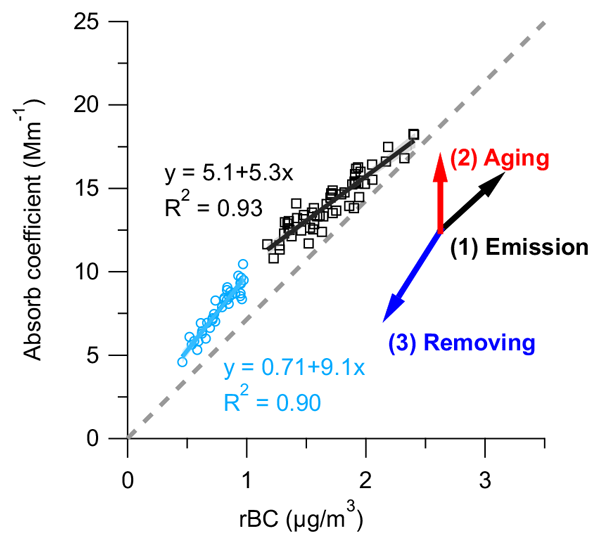
Black carbon warms our climate, but its atmospheric changes remain unclear. We measured individual urban particles with advanced instruments to track this process. We found that black carbon ages through distinct chemical reactions at night versus sunlight-driven processes during the day. Both pathways coat the particles, significantly increasing their ability to absorb light. This helps accurately predict their warming effects.
Yue Yan, Xin Jiang, Sihuan Wei, Yubin Jin, Xinyu Zou, Junwei Liu, Yaotong Cai, Jianhuai Ye, Zhilin Guo, and Zhenzhong Zeng
Earth Syst. Sci. Data, 18, 5951–5968, https://doi.org/10.5194/essd-18-5951-2026, https://doi.org/10.5194/essd-18-5951-2026, 2026
Short summary
Short summary
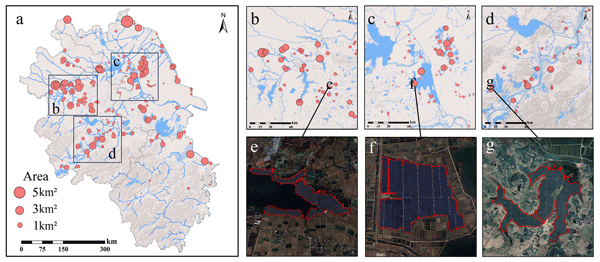
Floating solar is growing rapidly in China, but its long-term development remains poorly documented. We created a decade-long map of floating solar installations in the Yangtze River Delta using satellite observations and visual verification. The mapped area increased from 17.4 square kilometers in 2015 to 145.4 square kilometers in 2024. This dataset supports renewable energy planning and future studies of environmental changes related to floating solar expansion.
Zelin Mai, Huizhong Shen, Qiming Liu, Ruixin Zhang, Peng Guo, Han Shen, Tiancheng Luan, Junpeng Xu, Jinling He, Zhiyu Zheng, Yilin Chen, Shunliu Zhao, and Amir Hakami
EGUsphere, https://doi.org/10.5194/egusphere-2026-3583, https://doi.org/10.5194/egusphere-2026-3583, 2026
Short summary
Short summary
Emission inventories underpin air-quality policy yet can diverge from reality. We developed an adjoint-based inversion framework that assimilates multi-source observations to simultaneously optimize multi-species emissions. Observing system simulation experiments over China show that the method recovers emissions with errors below 30 %, while avoiding spurious trade-offs between SO2 and NH3, enabling more reliable emission constraints.
Baohua Cai, Yuanlong Huang, Wenqing Jiang, Yanchen Li, Yali Li, Jinghao Zhai, Yaling Zeng, Jianhuai Ye, Huizhong Shen, Chen Wang, Lei Zhu, Tzung-May Fu, Qi Zhang, and Xin Yang
Atmos. Chem. Phys., 26, 5713–5725, https://doi.org/10.5194/acp-26-5713-2026, https://doi.org/10.5194/acp-26-5713-2026, 2026
Short summary
Short summary
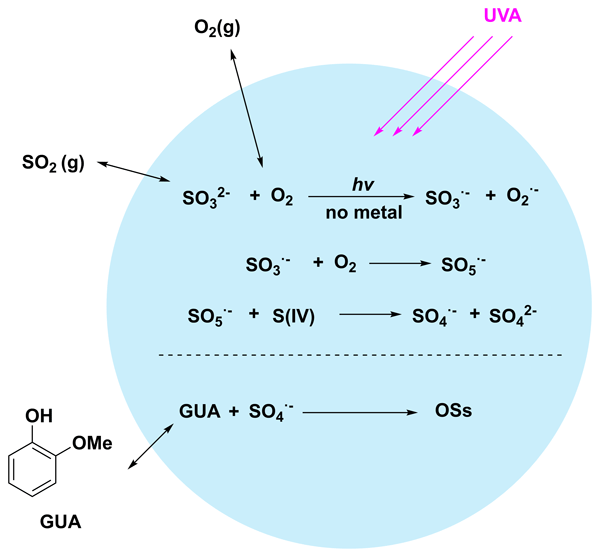
This study reveals a novel Ultraviolet A-driven, metal-free mechanism for aqueous-phase tetravalent sulfur (S(IV)) oxidation that leads to organosulfates formation, addressing a critical knowledge gap in atmospheric sulfur and organic aerosol chemistry and highlighting a previously overlooked photochemical pathway with broad environmental implications.
Dukun Chen, Weifeng Su, Shaojie Jiang, Honglong Yang, Chunsheng Zhang, Shutong Jiang, Dongyang Chang, Yuxin Liang, Hao Wang, Xin Yang, Tzung-May Fu, Zhenzhong Zeng, Lei Zhu, Huizhong Shen, Chen Wang, and Jianhuai Ye
Atmos. Chem. Phys., 26, 3607–3620, https://doi.org/10.5194/acp-26-3607-2026, https://doi.org/10.5194/acp-26-3607-2026, 2026
Short summary
Short summary
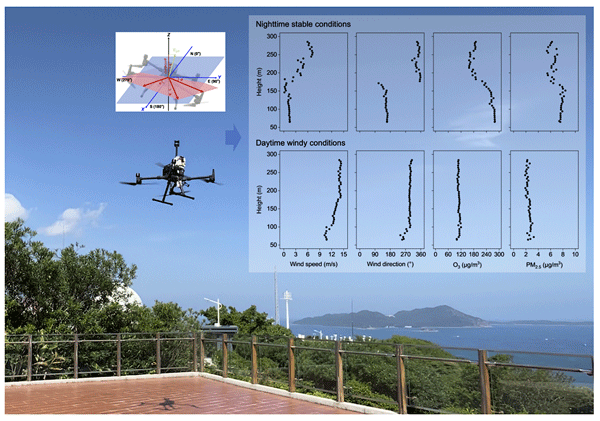
This research presents a sensor-free method to transform UAVs (unmanned aerial vehicles) into precise wind measurement platforms by calibrating their flight dynamics against wind. The approach quantifies how wind tilts the aircraft, enabling accurate estimation of wind speed and direction without additional sensors. This provides a low-cost, high-resolution monitoring of complex wind patterns, with applications in pollution tracking, air quality modeling, and operational safety in the emerging low-altitude economy.
Yaotong Cai, Baoni Li, Xiaoye Liu, Xin Jiang, Yakun Zhu, Shuxin Luo, Yingzuo Qin, Shudi Xie, Jianhuai Ye, Huizhong Shen, Zhilin Guo, Xiaoping Liu, and Zhenzhong Zeng
Earth Syst. Sci. Data Discuss., https://doi.org/10.5194/essd-2026-78, https://doi.org/10.5194/essd-2026-78, 2026
Preprint under review for ESSD
Short summary
Short summary
Persistent clouds and small farm sizes in Southeast Asia have historically hindered accurate mapping. We combined satellite imagery with advanced artificial intelligence to produce the first 10-meter annual cropland map for the region (2019–2024). Achieving over 92 % accuracy, our dataset reveals three to four times more farming on steep slopes than previously reported, providing a vital baseline for monitoring food security and deforestation risks.
Jinghao Zhai, Yujie Zhang, Baohua Cai, Yaling Zeng, Jingyi Zhang, Jianhuai Ye, Chen Wang, Tzung-May Fu, Lei Zhu, Huizhong Shen, and Xin Yang
Atmos. Chem. Phys., 26, 623–633, https://doi.org/10.5194/acp-26-623-2026, https://doi.org/10.5194/acp-26-623-2026, 2026
Short summary
Short summary
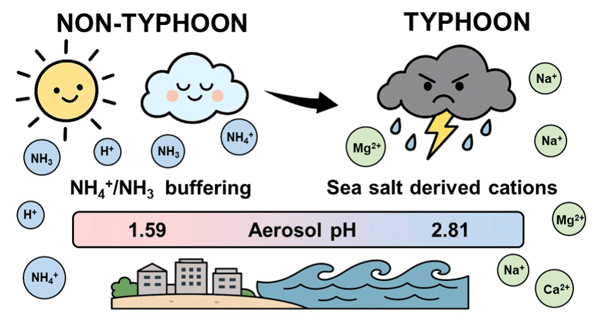
This work investigates the regulation of aerosol acidity in a coastal megacity under contrasting meteorological regimes. By integrating field observations with thermodynamic modeling, we show that ammonia and aerosol water dominate acidity control under typical conditions, whereas sea-salt cations prevail during typhoons. These findings reveal that extreme weather can alter the governing mechanisms of aerosol acidity, with implications for air quality and climate evaluation.
Huirong Yang, Kai Wu, Huizhong Shen, Greet Janssens-Maenhout, Monica Crippa, Diego Guizzardi, and Minqiang Zhou
Atmos. Chem. Phys., 25, 18111–18127, https://doi.org/10.5194/acp-25-18111-2025, https://doi.org/10.5194/acp-25-18111-2025, 2025
Short summary
Short summary
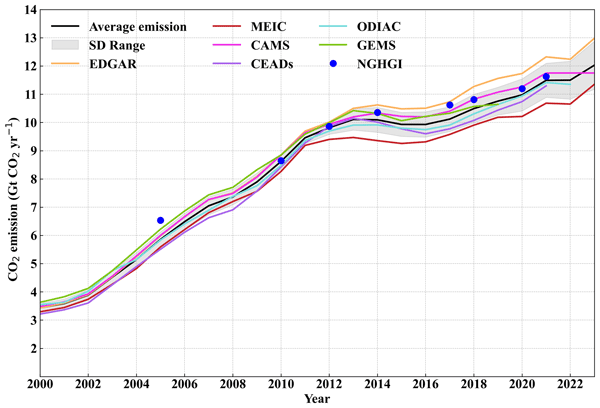
We compare six major anthropogenic CO2 emission inventories in China during the period 2000–2023 to assess emission trends and uncertainties. National emissions show a clear three‑phase pattern, with uncertainties below 5 % (1σ) at the national scale but much higher at the provincial level (10–50 %, 1σ). High-emission regions often have the largest uncertainties. Our findings support more accurate emission estimates and the verification emission reduction policies.
Sijia Lou, Manish Shrivastava, Alexandre Albinet, Sophie Tomaz, Deepchandra Srivastava, Olivier Favez, Huizhong Shen, and Aijun Ding
Atmos. Chem. Phys., 25, 8163–8183, https://doi.org/10.5194/acp-25-8163-2025, https://doi.org/10.5194/acp-25-8163-2025, 2025
Short summary
Short summary
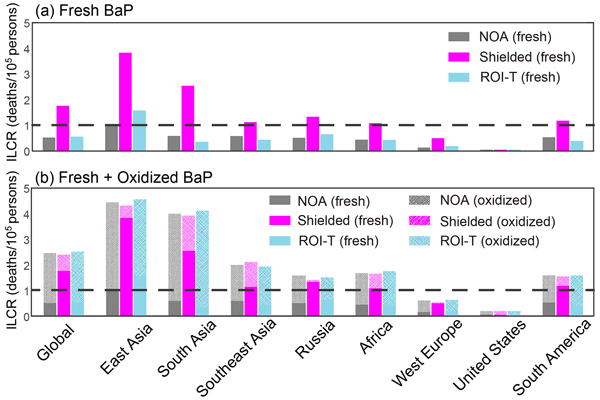
Polycyclic aromatic hydrocarbons (PAHs), emitted from incomplete combustion, pose serious health risks due to their carcinogenic properties. This research demonstrates that viscous organic aerosol coatings significantly hinder PAH oxidation, with spatial distributions sensitive to the degradation modeling approach. Our findings emphasize the need for accurate modeling of PAH oxidation processes in risk assessments, considering both fresh and oxidized PAHs in evaluating human health risks.
Jinghao Zhai, Yin Zhang, Pengfei Liu, Yujie Zhang, Antai Zhang, Yaling Zeng, Baohua Cai, Jingyi Zhang, Chunbo Xing, Honglong Yang, Xiaofei Wang, Jianhuai Ye, Chen Wang, Tzung-May Fu, Lei Zhu, Huizhong Shen, Shu Tao, and Xin Yang
Atmos. Chem. Phys., 25, 7959–7972, https://doi.org/10.5194/acp-25-7959-2025, https://doi.org/10.5194/acp-25-7959-2025, 2025
Short summary
Short summary
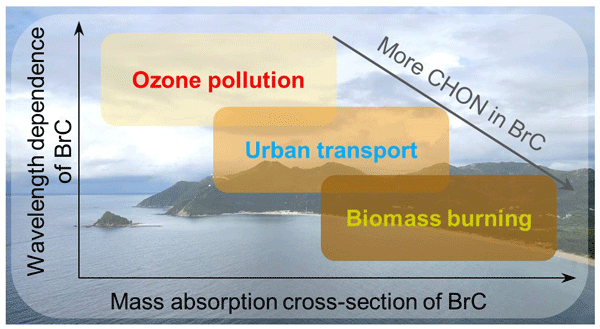
Our study shows that the optical properties of brown carbon depend on its source. Brown carbon from ozone pollution had the weakest light absorption but the strongest wavelength dependence, while biomass burning brown carbon showed the strongest absorption and the weakest wavelength dependence. Nitrogen-containing organic carbon compounds were identified as key light absorbers. These results improve understanding of brown carbon sources and help refine climate models.

Shao Shi, Jinghao Zhai, Xin Yang, Yechun Ruan, Yuanlong Huang, Xujian Chen, Antai Zhang, Jianhuai Ye, Guomao Zheng, Baohua Cai, Yaling Zeng, Yixiang Wang, Chunbo Xing, Yujie Zhang, Tzung-May Fu, Lei Zhu, Huizhong Shen, and Chen Wang
Atmos. Chem. Phys., 24, 7001–7012, https://doi.org/10.5194/acp-24-7001-2024, https://doi.org/10.5194/acp-24-7001-2024, 2024
Short summary
Short summary
The determination of ions in the mass spectra of individual particles remains uncertain. We have developed a standard-free mass calibration algorithm applicable to more than 98 % of ambient particles. With our algorithm, ions with ~ 0.05 Th mass difference could be determined. Therefore, many more atmospheric species could be determined and involved in the source apportionment of aerosols, the study of chemical reaction mechanisms, and the analysis of single-particle mixing states.
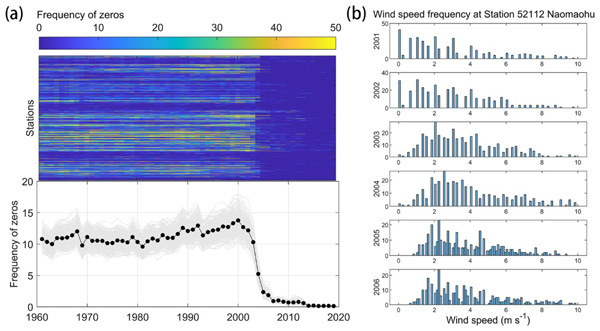
Yi Liu, Lihong Zhou, Yingzuo Qin, Cesar Azorin-Molina, Cheng Shen, Rongrong Xu, and Zhenzhong Zeng
Atmos. Meas. Tech., 17, 1123–1131, https://doi.org/10.5194/amt-17-1123-2024, https://doi.org/10.5194/amt-17-1123-2024, 2024
Short summary
Short summary
Our research analyzed China's wind speed data and addressed inconsistencies caused by factors like equipment changes and station relocations. After improving data quality, China's recent wind speed decrease reduced by 41 %, revealing an increasing trend. This emphasizes the importance of rigorous data processing for accurate trend assessments in various research fields.
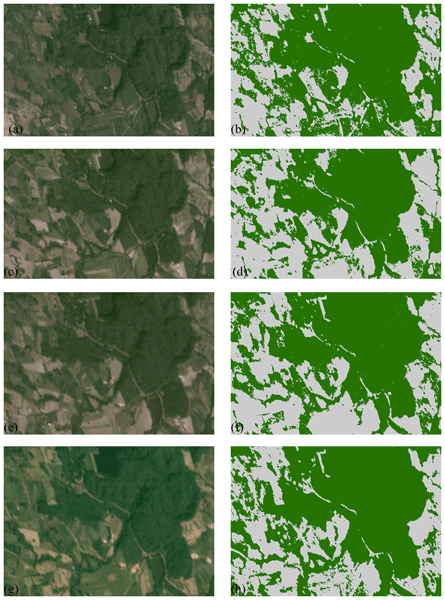
Feng Yang and Zhenzhong Zeng
Earth Syst. Sci. Data, 15, 4011–4021, https://doi.org/10.5194/essd-15-4011-2023, https://doi.org/10.5194/essd-15-4011-2023, 2023
Short summary
Short summary
We generated a 4.77 m resolution annual tree cover map product for Southeast Asia (SEA) for 2016–2021 using Planet-NICFI and Sentinel-1 imagery. Maps were created with good accuracy and high consistency during 2016–2021. The baseline maps at 4.77 m can be converted to forest cover maps for SEA at various resolutions to meet different users’ needs. Our products can help resolve rounding errors in forest cover mapping by counting isolated trees and monitoring long, narrow forest cover removal.
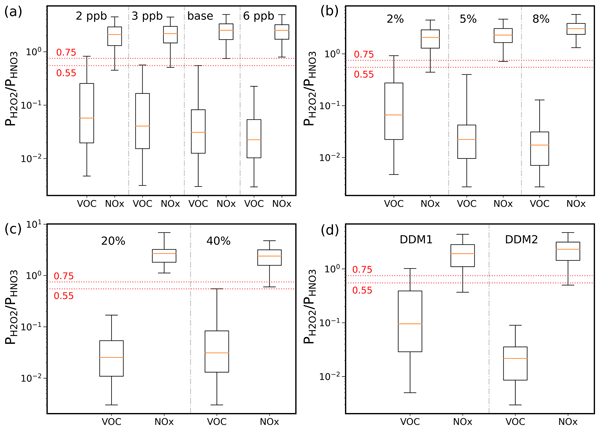
Xun Li, Momei Qin, Lin Li, Kangjia Gong, Huizhong Shen, Jingyi Li, and Jianlin Hu
Atmos. Chem. Phys., 22, 14799–14811, https://doi.org/10.5194/acp-22-14799-2022, https://doi.org/10.5194/acp-22-14799-2022, 2022
Short summary
Short summary
Photochemical indicators have been widely used to predict O3–NOx–VOC sensitivity with given thresholds. Here we assessed the effectiveness of four indicators with a case study in the Yangtze River Delta, China. The overall performance was good, while some indicators showed inconsistencies with the O3 isopleths. The methodology used to determine the thresholds may produce uncertainties. These results would improve our understanding of the use of photochemical indicators in policy implications.
Adrian Chappell, Nicholas Webb, Mark Hennen, Charles Zender, Philippe Ciais, Kerstin Schepanski, Brandon Edwards, Nancy Ziegler, Sandra Jones, Yves Balkanski, Daniel Tong, John Leys, Stephan Heidenreich, Robert Hynes, David Fuchs, Zhenzhong Zeng, Marie Ekström, Matthew Baddock, Jeffrey Lee, and Tarek Kandakji
Geosci. Model Dev. Discuss., https://doi.org/10.5194/gmd-2021-337, https://doi.org/10.5194/gmd-2021-337, 2021
Revised manuscript not accepted
Short summary
Short summary
Dust emissions influence global climate while simultaneously reducing the productive potential and resilience of landscapes to climate stressors, together impacting food security and human health. Our results indicate that tuning dust emission models to dust in the atmosphere has hidden dust emission modelling weaknesses and its poor performance. Our new approach will reduce uncertainty and driven by prognostic albedo improve Earth System Models of aerosol effects on future environmental change.
Cited articles
Appelo, C. A. J. and Postma, D.: Geochemistry, groundwater and pollution, 2nd Edn., Balkema, Rotterdam, https://doi.org/10.1201/9781439833544, 2005.
Bagheri-Gavkosh, M., Hosseini, S. M., Ataie-Ashtiani, B., Sohani, Y., Ebrahimian, H., Morovat, F., and Ashrafi, S.: Land subsidence: A global challenge, Science of The Total Environment, 778, 146193, https://doi.org/10.1016/j.scitotenv.2021.146193, 2021.
Carle, S. F. and Fogg, G. E.: Modeling spatial variability with one and multidimensional continuous-lag Markov chains, Mathematical Geology, 29, 891–918, https://doi.org/10.1023/A:1022303706942, 1997.
Chen, K., Roden, E. E., and Zheng, C.: Hydrological Controls on Riverbed Methane Emissions: A Numerical Investigation of Hydrodynamic and Ebullitive Mechanisms from Site to Basin Scales, Environmental Science and Technology, 59, 15170–15180, https://pubs.acs.org/doi/10.1021/acs.est.5c03453, 2025.
Chen, K., Guo, Z., Zhan, Y., Roden, E. E., and Zheng, C.: Heterogeneity in permeability and particulate organic carbon content controls the redox condition of riverbed sediments at different timescales, Geophysical Research Letters, 51, e2023GL107761, https://doi.org/10.1029/2023GL107761, 2024.
Chen, K., Chen, X., Stegen, J. C., Villa, J. A., Bohrer, G., Song, X., Chang, K.-Y., Kaufman, M., Liang, X., and Guo, Z.: Vertical hydrologic exchange flows control methane emissions from riverbed sediments, Environmental Science and Technology, 57, 4014–4026, https://pubs.acs.org/doi/10.1021/acs.est.2c07676, 2023a.
Chen, K., Yang, S., Roden, E. E., Chen, X., Chang, K. Y., Guo, Z., Liang, X., Ma, E., Fan, L., and Zheng, C.: Influence of vertical hydrologic exchange flow, channel flow, and biogeochemical kinetics on CH4 emissions from rivers, Water Resources Research, 59, e2023WR035341, https://doi.org/10.1029/2023WR035341, 2023b.
Chen, Y.: Simulation and prediction of ammonia-nitrite-nitrates content in shallow groundwater in Xiong'an New Area, Master thesis, Hebei GEO University, Shijiazhuang, China, https://doi.org/10.27109/d.cnki.ghbnu.2022.000082, 2022.
Escriva-Bou, A., Hui, R., Maples, S., Medellín-Azuara, J., Harter, T., and Lund, J.: Planning for groundwater sustainability accounting for uncertainty and costs: An application to California's Central Valley, Journal of Environmental Management, 264, 110426, https://doi.org/10.1016/j.jenvman.2020.110426, 2020.
Gong, H., Pan, Y., Zheng, L., Li, X., Zhu, L., Zhang, C., Huang, Z., Li, Z., Wang, H., and Zhou, C.: Long-term groundwater storage changes and land subsidence development in the North China Plain (1971–2015), Hydrogeology Journal, 26, 1417–1427, https://doi.org/10.1007/s10040-018-1768-4, 2018.
Green, C. T., Böhlke, J. K., Bekins, B. A., and Phillips, S. P.: Mixing effects on apparent reaction rates and isotope fractionation during denitrification in a heterogeneous aquifer, Water Resources Research, 46, https://doi.org/10.1029/2009WR008903, 2010.
Guo, H., Zhang, Z., Cheng, G., Li, W., Li, T., and Jiao, J. J.: Groundwater-derived land subsidence in the North China Plain, Environmental Earth Sciences, 74, 1415–1427, https://doi.org/10.1007/s12665-015-4131-2, 2015.
Guo, Z., Chen, K., Yi, S., and Zheng, C.: Response of groundwater quality to river-aquifer interactions during managed aquifer recharge: A reactive transport modeling analysis, Journal of Hydrology, 616, 128847, https://doi.org/10.1016/j.jhydrol.2022.128847, 2023a.
Guo, Z., Fogg, G. E., Chen, K., Pauloo, R., and Zheng, C.: Sustainability of regional groundwater quality in response to managed aquifer recharge, Water Resources Research, 59, e2021WR031459, https://doi.org/10.1029/2021WR031459, 2023b.
Hammond, G. E., Lichtner, P. C., and Mills, R.: Evaluating the performance of parallel subsurface simulators: An illustrative example with PFLOTRAN, Water Resources Research, 50, 208–228, https://doi.org/10.1002/2012WR013483, 2014.
Jasechko, S., Seybold, H., Perrone, D., Fan, Y., Shamsudduha, M., Taylor, R. G., Fallatah, O., and Kirchner, J. W.: Rapid groundwater decline and some cases of recovery in aquifers globally, Nature, 625, 715–721, https://doi.org/10.1038/s41586-023-06879-8, 2024.
Jin, Z., Tang, S., Yuan, L., Xu, Z., Chen, D., Liu, Z., Meng, X., Shen, Z., and Chen, L.: Areal artificial recharge has changed the interactions between surface water and groundwater, Journal of Hydrology, 637, 131318, https://doi.org/10.1016/j.jhydrol.2024.131318, 2024.
Karlović, I., Posavec, K., Larva, O., and Marković, T.: Numerical groundwater flow and nitrate transport assessment in alluvial aquifer of Varaždin region, NW Croatia, Journal of Hydrology: Regional Studies, 41, 101084, https://doi.org/10.1016/j.ejrh.2022.101084, 2022.
Kourakos, G., Dahlke, H. E., and Harter, T.: Increasing groundwater availability and seasonal base flow through agricultural managed aquifer recharge in an irrigated basin, Water Resources Research, 55, 7464–7492, https://doi.org/10.1029/2018WR024019, 2019.
Kuang, X., Liu, J., Scanlon, B. R., Jiao, J. J., Jasechko, S., Lancia, M., Biskaborn, B. K., Wada, Y., Li, H., Zeng, Z., Guo, Z., Yao, Y., Gleeson, T., Nicot, J.–P., Luo, X., Zou, Y., and Zheng, C.: The changing nature of groundwater in the global water cycle, Science, 383, eadf0630, https://doi.org/10.1126/science.adf0630, 2024.
Le Traon, C., Aquino, T., Bouchez, C., Maher, K., and Le Borgne, T.: Effective kinetics driven by dynamic concentration gradients under coupled transport and reaction, Geochimica et Cosmochimica Acta, 306, 189–209, https://doi.org/10.1016/j.gca.2021.04.033, 2021.
Levintal, E., Huang, L., García, C. P., Coyotl, A., Fidelibus, M. W., Horwath, W. R., Rodrigues, J. L. M., and Dahlke, H. E.: Nitrogen fate during agricultural managed aquifer recharge: Linking plant response, hydrologic, and geochemical processes, Science of the Total Environment, 864, 161206, https://doi.org/10.1016/j.scitotenv.2022.161206, 2023.
Levy, Z. F., Jurgens, B. C., Burow, K. R., Voss, S. A., Faulkner, K. E., Arroyo-Lopez, J. A., and Fram, M. S.: Critical aquifer overdraft accelerates degradation of groundwater quality in California's Central Valley during drought, Geophysical Research Letters, 48, e2021GL094398, https://doi.org/10.1029/2021GL094398, 2021.
Li, C., Li, B., and Bi, E.: Characteristics of hydrochemistry and nitrogen behavior under long-term managed aquifer recharge with reclaimed water: A case study in north China, Science of The Total Environment, 668, 1030–1037, https://doi.org/10.1016/j.scitotenv.2019.02.375, 2019.
Li, N., Lyu, H., Xu, G., Chi, G., and Su, X.: Hydrogeochemical changes during artificial groundwater well recharge, Science of The Total Environment, 900, 165778, https://doi.org/10.1016/j.scitotenv.2023.165778, 2023.
Liang, Y., Ma, R., Prommer, H., Fu, Q. L., Jiang, X., Gan, Y., and Wang, Y.: Unravelling Coupled Hydrological and Geochemical Controls on Long-Term Nitrogen Enrichment in a Large River Basin, Environmental Science and Technology, 58, 21315–21326, https://doi.org/10.1021/acs.est.4c05015, 2024.
Liu, S., Zhou, Y., Eiman, F., McClain, M. E., and Wang, X.-S.: Towards sustainable groundwater development with effective measures under future climate change in Beijing Plain, China, Journal of Hydrology, 633, 130951, https://doi.org/10.1016/j.jhydrol.2024.130951, 2024.
Ma, R., Chen, K., Andrews, C. B., Loheide, S. P., Sawyer, A. H., Jiang, X., Briggs, M. A., Cook, P. G., Gorelick, S. M., Prommer, H., Scanlon, B. R., Guo, Z., and Zheng, C.: Methods for quantifying interactions between groundwater and surface water, Annual Review of Environment and Resources, 49, https://doi.org/10.1146/annurev-environ-111522-104534 2024.
Mekala, C. and Nambi, I. M.: Experimental and simulation studies on nitrogen dynamics in unsaturated and saturated soil using HYDRUS-2D, Procedia Technology, 25, 122–129, https://doi.org/10.1016/j.protcy.2016.08.089, 2016.
Mosley, O. E., Gios, E., Close, M., Weaver, L., Daughney, C., and Handley, K. M.: Nitrogen cycling and microbial cooperation in the terrestrial subsurface, The ISME Journal, 16, 2561–2573, https://doi.org/10.1038/s41396-022-01300-0, 2022.
Mukherjee, A., Scanlon, B. R., Aureli, A., Langan, S., Guo, H., and McKenzie, A.: Global groundwater: from scarcity to security through sustainability and solutions, in: Global Groundwater, 3–20, https://doi.org/10.1016/B978-0-12-818172-0.00001-3, 2021.
Pauloo, R. A., Fogg, G. E., Guo, Z., and Harter, T.: Anthropogenic basin closure and groundwater salinization (ABCSAL), Journal of Hydrology, 593, 125787, https://doi.org/10.1016/j.jhydrol.2020.125787, 2021.
Peters, C. N., Kimsal, C., Frederiks, R. S., Paldor, A., McQuiggan, R., and Michael, H. A.: Groundwater pumping causes salinization of coastal streams due to baseflow depletion: Analytical framework and application to Savannah River, GA, Journal of Hydrology, 604, https://doi.org/10.1016/j.jhydrol.2021.127238, 2022.
Schafer, D., Donn, M., Atteia, O., Sun, J., MacRae, C., Raven, M., Pejcic, B., and Prommer, H.: Fluoride and phosphate release from carbonate-rich fluorapatite during managed aquifer recharge, Journal of Hydrology, 562, 809–820, https://doi.org/10.1016/j.jhydrol.2018.05.043, 2018.
Schäfer Rodrigues Silva, A., Guthke, A., Höge, M., Cirpka, O. A., and Nowak, W.: Strategies for simplifying reactive transport models: A Bayesian model comparison, Water Resources Research, 56, e2020WR028100, https://doi.org/10.1029/2020WR028100, 2020.
Seibert, S., Atteia, O., Ursula Salmon, S., Siade, A., Douglas, G., and Prommer, H.: Identification and quantification of redox and pH buffering processes in a heterogeneous, low carbonate aquifer during managed aquifer recharge, Water Resources Research, 52, 4003–4025, https://doi.org/10.1002/2015WR017802, 2016.
Sprenger, C., Hartog, N., Hernández, M., Vilanova, E., Grützmacher, G., Scheibler, F., and Hannappel, S.: Inventory of managed aquifer recharge sites in Europe: historical development, current situation and perspectives, Hydrogeology Journal, 25, 1909–1922, https://doi.org/10.1007/s10040-017-1554-8, 2017.
Su, G., Wu, Y., Zhan, W., Zheng, Z., Chang, L., and Wang, J.: Spatiotemporal evolution characteristics of land subsidence caused by groundwater depletion in the North China plain during the past six decades, Journal of hydrology, 600, 126678, https://doi.org/10.1016/j.jhydrol.2021.126678, 2021.
Vergara-Saez, C., Prommer, H., Siade, A. J., Sun, J., and Higginson, S.: Process-Based and Probabilistic Quantification of Co and Ni Mobilization Risks Induced by Managed Aquifer Recharge, Environmental Science and Technology, 58, 7567–7576, https://pubs.acs.org/doi/10.1021/acs.est.3c10583, 2024.
Wang, L. and Li, M.: Review of soil dissolved organic nitrogen cycling: Implication for groundwater nitrogen contamination, Journal of Hazardous Materials, 461, 132713, https://doi.org/10.1016/j.jhazmat.2023.132713, 2024.
Wu, R., Guo, Z., Zhan, Y., Cao, G., Chen, K., Chang, Z., Li, H., He, X., and Zheng, C.: Impacts of land surface nitrogen input on groundwater quality in the North China Plain, ACS ES&T Water, 4, 2369–2381, https://doi.org/10.1021/acsestwater.3c00712, 2024.
Xu, G.: Migration, transformation and simulation prediction of nitrogen, iron and manganese during artificial recharge of groundwater in Rongcheng funnel area of Xiong'an New Area, Jilin University, https://doi.org/10.27162/d.cnki.gjlin.2022.007542, 2022.
Zhan, Y., Murugesan, B., Guo, Z., Li, H., Chen, K., Babovic, V., and Zheng, C.: Managed aquifer recharge in island aquifer under thermal influences on the fresh-saline water interface, Journal of Hydrology, 638, 131496, https://doi.org/10.1016/j.jhydrol.2024.131496, 2024.
Zhan, Y., Guo, Z., Podgorski, J., Zeng, Z., Xu, P., Peng, L., Chen, K., Wu, R., Ding, C., and Andrews, C.: Changes in meat consumption can improve groundwater quality, Nature Food, 1–12, https://doi.org/10.1038/s43016-025-01188-x, 2025.
Zhang, H., Xu, Y., and Kanyerere, T.: A review of the managed aquifer recharge: Historical development, current situation and perspectives, Physics and Chemistry of the Earth, Parts A/B/C, 118-119, https://doi.org/10.1016/j.pce.2020.102887, 2020.
Zhang, Y., Wu, H. A., Kang, Y., and Zhu, C.: Ground subsidence in the Beijing-Tianjin-Hebei region from 1992 to 2014 revealed by multiple SAR stacks, Remote Sensing, 8, 675, https://doi.org/10.3390/rs8080675, 2016.
Zhao, Q., Zhang, B., Yao, Y., Wu, W., Meng, G., and Chen, Q.: Geodetic and hydrological measurements reveal the recent acceleration of groundwater depletion in North China Plain, Journal of Hydrology, 575, 1065–1072, https://doi.org/10.1016/j.jhydrol.2019.06.016, 2019.
Zheng, C. and Gorelick, S. M.: Analysis of solute transport in flow fields influenced by preferential flowpaths at the decimeter scale, Groundwater, 41, 142–155, https://doi.org/10.1111/j.1745-6584.2003.tb02578.x, 2003.
Zheng, C. and Guo, Z.: Plans to protect China's depleted groundwater, Science, 375, 827–827, https://doi.org/10.1126/science.abn8377, 2022.
Short summary
Long-term overuse of groundwater has lowered water levels and increased pollution in parts of northern China. We studied whether adding river water back into the ground can restore groundwater and reduce nitrate pollution. Using computer simulations based on field data, we found that recharge can significantly raise water levels and lower nitrate levels, mainly by dilution rather than natural removal processes.
Long-term overuse of groundwater has lowered water levels and increased pollution in parts of...


